Best Indian Curries for Weight Loss: Low-Calorie Recipes That Taste Great
 Jun, 23 2026
Indian Curry Weight Loss Calculator
Select Your Meal
Results
Select a dish and click calculate to see your potential calorie savings.
You don't have to give up the rich, comforting flavors of Indian cuisine to shed those extra pounds. In fact, traditional Indian cooking is built on a foundation of spices that naturally boost metabolism and aid digestion. The problem isn't the curry itself; it's usually the excess ghee, heavy cream, or fried onions that turn a healthy meal into a calorie bomb. By swapping these high-fat ingredients for lean proteins, fiber-rich lentils, and smart cooking techniques, you can enjoy delicious curries that actually support your weight loss goals.
Many people assume that all Indian food is heavy and oily. This is a misconception. Traditional home-style Indian cooking relies on turmeric, a golden spice known for its anti-inflammatory properties and ability to reduce belly fat, ginger, garlic, and cumin. These aren't just flavor enhancers; they are functional foods. When you focus on dishes where vegetables and legumes are the stars rather than the sidekicks, you get a meal that keeps you full longer without spiking your blood sugar. Let's look at the specific curries that work best for a slimming diet.
Why Dal Is Your Best Friend for Weight Loss
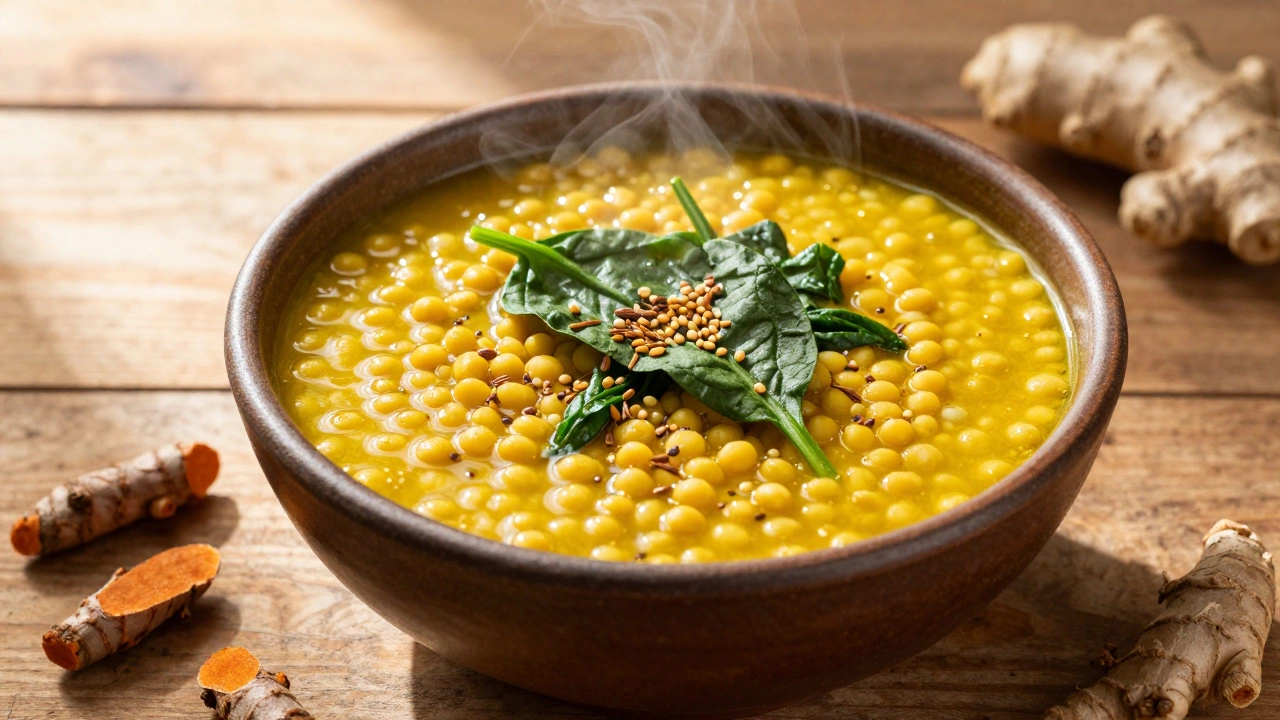
If there is one dish that defines Indian comfort food while being incredibly diet-friendly, it is dal (lentil soup). Lentils are packed with protein and soluble fiber. This combination is crucial for weight management because it slows down digestion, keeping you satiated for hours. Unlike white rice or refined wheat bread, which can cause insulin spikes, lentils provide steady energy.
The key here is preparation. A restaurant-style dal makhani might be creamy and delicious, but it’s loaded with butter and cream. For weight loss, aim for Tadka Dal, a simple lentil dish tempered with mustard seeds, cumin, and green chilies in minimal oil. You can use yellow moong dal or masoor dal, which cook quickly and are easier to digest. Use only one teaspoon of oil for the tadka (tempering) instead of two tablespoons of ghee. Add plenty of spinach or fenugreek leaves to increase the nutrient density without adding calories. This single change can cut the calorie count by half while doubling the vitamins.
- Protein Content: One cup of cooked dal provides about 18 grams of protein.
- Fiber Benefit: High fiber reduces overall calorie intake by making you feel full faster.
- Low Glycemic Index: Prevents rapid blood sugar crashes that lead to cravings.
Lean Chicken Curry Without the Oil Bath
Chicken is an excellent source of lean protein, which is essential for preserving muscle mass while losing fat. However, many popular chicken curries, like Butter Chicken or Rogan Josh, are notoriously high in saturated fats due to the use of butter, cream, and excessive oil frying. To make chicken curry weight-loss friendly, you need to change the cooking method.
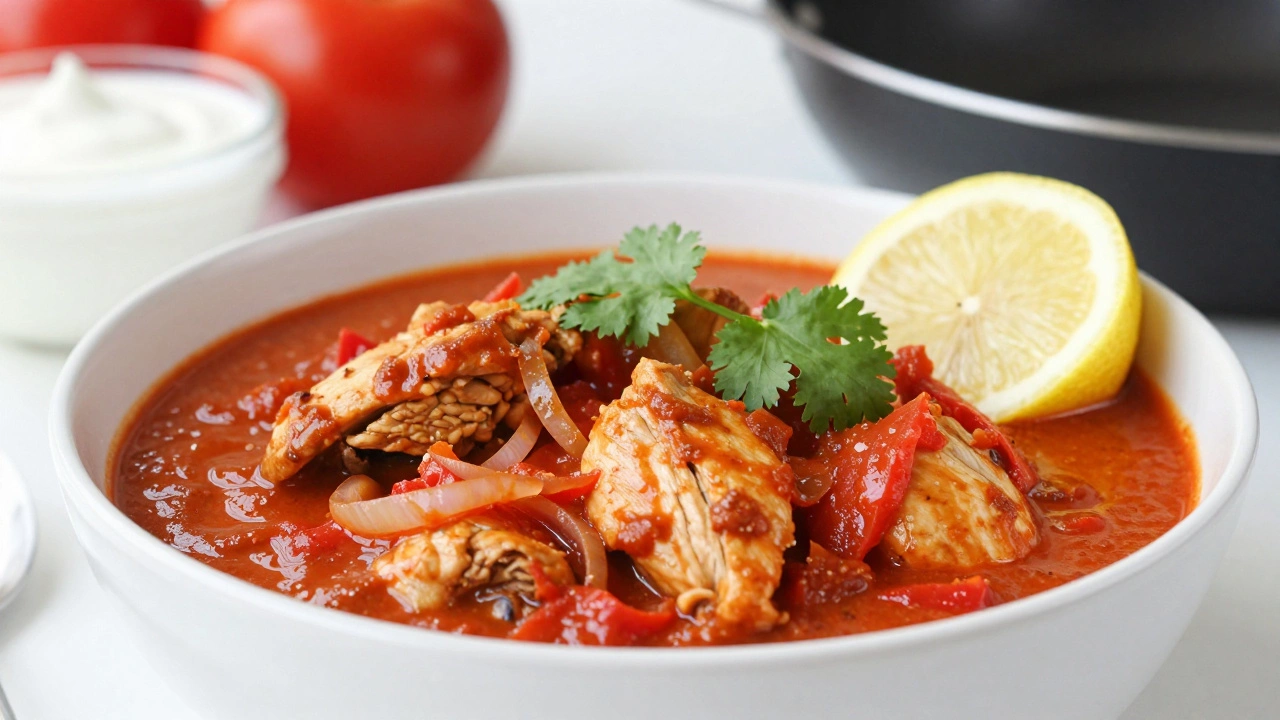
Try making a Tomato-Onion Chicken Curry, a light sauce-based chicken dish using fresh tomatoes, onions, and yogurt as the base instead of cream. Sauté chopped onions until translucent using a non-stick pan and a spray of olive oil or just one teaspoon of coconut oil. Add grated tomatoes and let them break down completely to form a thick gravy. This eliminates the need for water or cornstarch thickeners. Marinate the chicken breast in yogurt, lemon juice, and spices like garam masala and red chili powder before cooking. Yogurt adds creaminess and probiotics without the heavy fat content of cream. This method results in a rich, flavorful curry that has significantly fewer calories than its restaurant counterparts.
The Power of Vegetable-Based Gravies
Vegetable curries are often overlooked in weight loss diets because they are sometimes seen as 'filler' foods. But when prepared correctly, they are nutrient powerhouses. The trick is to choose vegetables that are low in starch and high in volume. Think leafy greens, cauliflower, broccoli, and bottle gourd (lauki).
A classic example is Lauki Ki Sabzi, bottle gourd cooked with turmeric, cumin, and mild spices, known for its high water content and low calories. Bottle gourd is over 90% water, meaning you can eat a large portion for very few calories. It aids in detoxification and improves gut health. Another great option is a mixed vegetable stir-fry curry using okra, eggplant, and bell peppers. Avoid frying the vegetables first. Instead, steam or boil them slightly before adding them to the spice mixture. This technique retains nutrients and prevents the vegetables from absorbing unnecessary oil.
| Dish Type | Traditional Prep (Calories) | Diet-Friendly Prep (Calories) | Key Swap |
|---|---|---|---|
| Butter Chicken | ~450 kcal/serving | ~250 kcal/serving | Cream/Ghee → Yogurt/Tomato Base |
| Dal Makhani | ~350 kcal/serving | ~180 kcal/serving | Butter/Cream → Minimal Oil Tadka |
| Aloo Gobi (Potato Cauliflower) | ~300 kcal/serving | ~150 kcal/serving | Reduce Potato, Increase Cauliflower |
| Paneer Butter Masala | ~500 kcal/serving | ~200 kcal/serving | Fried Paneer → Boiled Low-Fat Paneer |
Spices That Boost Metabolism
Indian cuisine is famous for its complex spice blends, but these aren't just for taste. Many of these spices have thermogenic properties, meaning they help your body burn calories more efficiently. Incorporating these into your daily curries can give your metabolism a subtle but consistent boost.
Cayenne Pepper, contains capsaicin, a compound that increases metabolic rate and suppresses appetite is a powerful tool. Even a pinch in your curry can make a difference. Ginger, aids in digestion and reduces bloating, helping your stomach process food more effectively should be used generously in marinades and gravies. Black pepper enhances the absorption of curcumin from turmeric, making the anti-inflammatory benefits much stronger. Cumin seeds are proven to help regulate blood sugar levels, preventing the fat-storage mode triggered by insulin spikes. Don't skip the tempering step; it releases the essential oils in these spices, maximizing their health benefits.
Smart Pairings: What to Eat With Your Curry
The curry itself might be healthy, but what you eat it with matters just as much. White rice and naan bread are high in refined carbohydrates. While they taste good, they can hinder weight loss if consumed in large quantities. To maintain a calorie deficit, you need to adjust your plate composition.
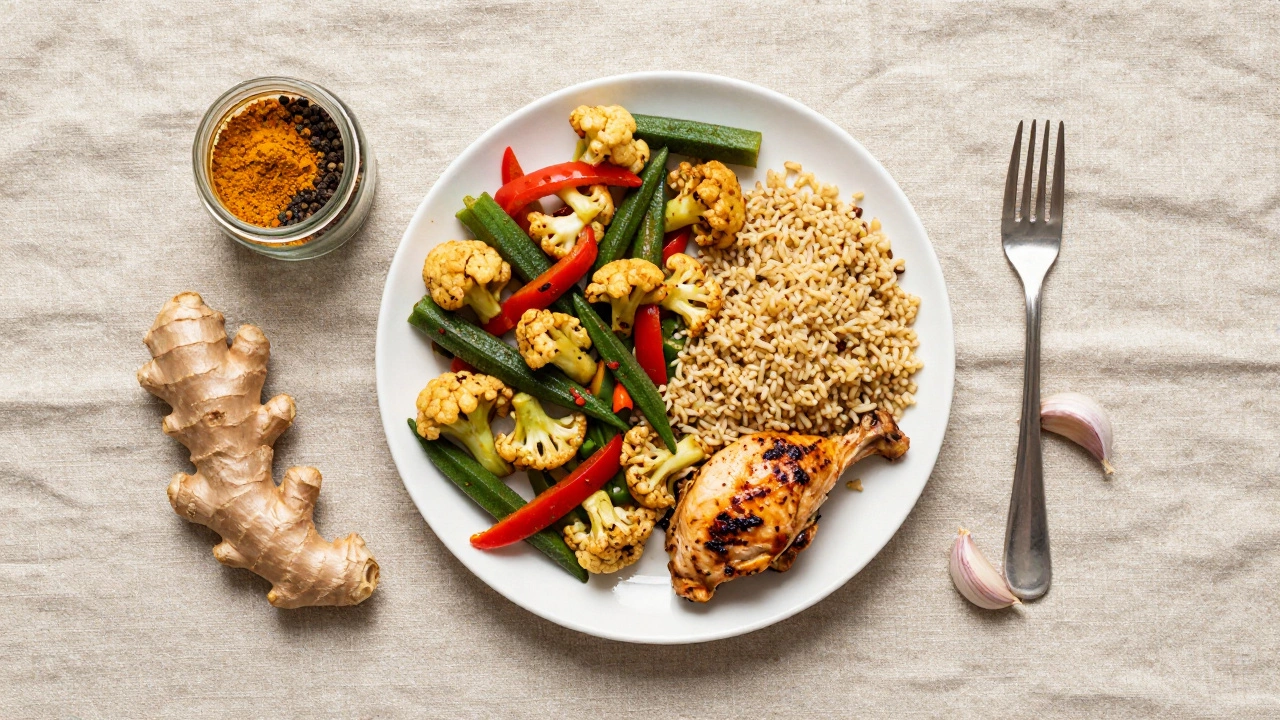
Follow the "half-plate" rule. Fill half your plate with the vegetable or dal curry. Fill one-quarter with a lean protein source if the curry doesn't already contain enough (like adding grilled chicken to a veggie curry). The final quarter should be a complex carbohydrate. Instead of white rice, try brown rice, quinoa, or millets like ragi or jowar. If you crave roti, opt for multigrain or whole wheat rotis made with minimal oil. Eating a small bowl of clear soup before your main course can also help fill your stomach, reducing the amount of solid food you consume during the meal.
Common Mistakes to Avoid
Even with healthy ingredients, it's easy to sabotage your efforts. One common mistake is drinking the entire gravy. While the spices are good, the gravy often contains dissolved fats and sugars from onions and tomatoes. Try to eat the solids and dip your bread or rice lightly rather than soaking it. Another pitfall is portion control. Indian meals are often served family-style, leading to unconscious overeating. Serve yourself a fixed portion on a smaller plate and resist going back for seconds immediately. Wait 20 minutes after finishing your meal to see if you're still hungry. Often, the sensation of fullness lags behind the act of eating.
Also, be wary of "healthy" sounding sides. Pickles and papads are high in sodium and carbs, which can cause water retention and bloating. Opt for a fresh salad with cucumber, tomato, and lemon juice instead. This adds crunch and freshness without the hidden calories. Finally, consistency beats perfection. You don't need to avoid all oil forever. Using moderate amounts of healthy fats like olive oil or cold-pressed coconut oil in your curries ensures you absorb fat-soluble vitamins from the vegetables. Balance is the ultimate key to sustainable weight loss.
Can I eat Indian curry every day for weight loss?
Yes, provided you prepare it correctly. Focus on lentil-based dals, vegetable-heavy curries, and lean protein sources like chicken or fish. Avoid heavy creams, excessive ghee, and deep-fried ingredients. Variety is important, so rotate between different types of curries to ensure you get a wide range of nutrients.
Is paneer good for weight loss?
Paneer is high in protein but also high in saturated fat and calories. It can fit into a weight loss diet if consumed in moderation. Opt for low-fat cottage cheese or limit your portion size to 30-50 grams per serving. Avoid frying paneer cubes; instead, grill or bake them for your curries.
What is the best time to eat curry for weight loss?
There is no magic time, but eating your largest meal earlier in the day can help. A protein-rich lunch with dal or chicken curry helps sustain energy levels. For dinner, keep the portion lighter and finish eating at least three hours before bedtime to allow for proper digestion and prevent late-night snacking.
Does coconut milk in curry stop weight loss?
Coconut milk is high in saturated fats and calories. While it contains medium-chain triglycerides (MCTs) which may boost metabolism, it is still calorie-dense. For weight loss, use it sparingly or substitute with unsweetened almond milk or a thicker tomato-onion base to achieve creaminess without the high fat content.
How much oil should I use in Indian cooking for weight loss?
Limit your oil intake to 1-2 teaspoons per serving. Use healthy oils like olive oil, avocado oil, or cold-pressed mustard oil. Measuring your oil instead of pouring directly from the bottle is crucial. Non-stick pans also help reduce the amount of oil needed to prevent sticking.