Food and Cooking: Essential Techniques and Everyday Tips
When exploring Food and Cooking, the practice of preparing, seasoning, and serving meals. Also known as culinary arts, it blends tradition and science to turn raw ingredients into satisfying dishes.
One of the most frequent questions in this space is how to master Dosa, a fermented rice‑and‑lentil crepe popular in South India. Also called Indian crepe, dosa’s texture depends on batter fermentation, rice‑to‑dal ratio, and ambient temperature. Fast fermentation tricks, such as warm kitchen corners or adding a pinch of fenugreek, can cut waiting time by half without compromising flavor. Understanding these variables is a key attribute of successful dosa making.
Another staple that shows up again and again is Dal, split pulses like lentils, mung beans, or urad used as protein‑rich staples. Also known as lentil stew, dal’s cooking time and digestibility are heavily influenced by soaking. Skipping the soak may increase cooking time and reduce nutrient availability, while a short soak (4‑6 hours) preserves flavor and improves digestion. The attribute “soaking duration” directly impacts the value “nutrient absorption”.
Condiments add the finishing touch, and Chutney, a fresh, ground blend of herbs, spices, and fruit or vegetables—sometimes called Indian dip—highlights regional diversity. Unlike relishes, chutneys are typically uncooked and emphasize raw flavor profiles. Choosing the right base (coconut, mint, tamarind) and balancing sweet, sour, and heat is an essential skill for any home cook aiming to elevate a meal.
For protein lovers, Chicken Curry, a spiced stew where chicken simmers in a sauce of onions, tomatoes, and aromatic spices—also referred to as murgh masala—offers a playground for spice experimentation. Key attributes include spice blend composition, cooking method (slow simmer vs pressure cooking), and finish (cream, yogurt, or coconut). Adjusting these values can shift a mild, buttery curry to a fiery, deep‑flavored masterpiece.
These four entities—Dosa, Dal, Chutney, and Chicken Curry—illustrate how Food and Cooking connects technique, ingredient science, and cultural tradition. Food and Cooking requires a solid grasp of heat control, timing, and flavor balance, while each subtopic influences the next: the fermentation of dosa batter depends on dal preparation, and a well‑made chutney can brighten a chicken curry. Below, you’ll find a curated set of articles that dive deeper into each of these areas, offering step‑by‑step guides, troubleshooting tips, and surprising shortcuts to help you cook with confidence.
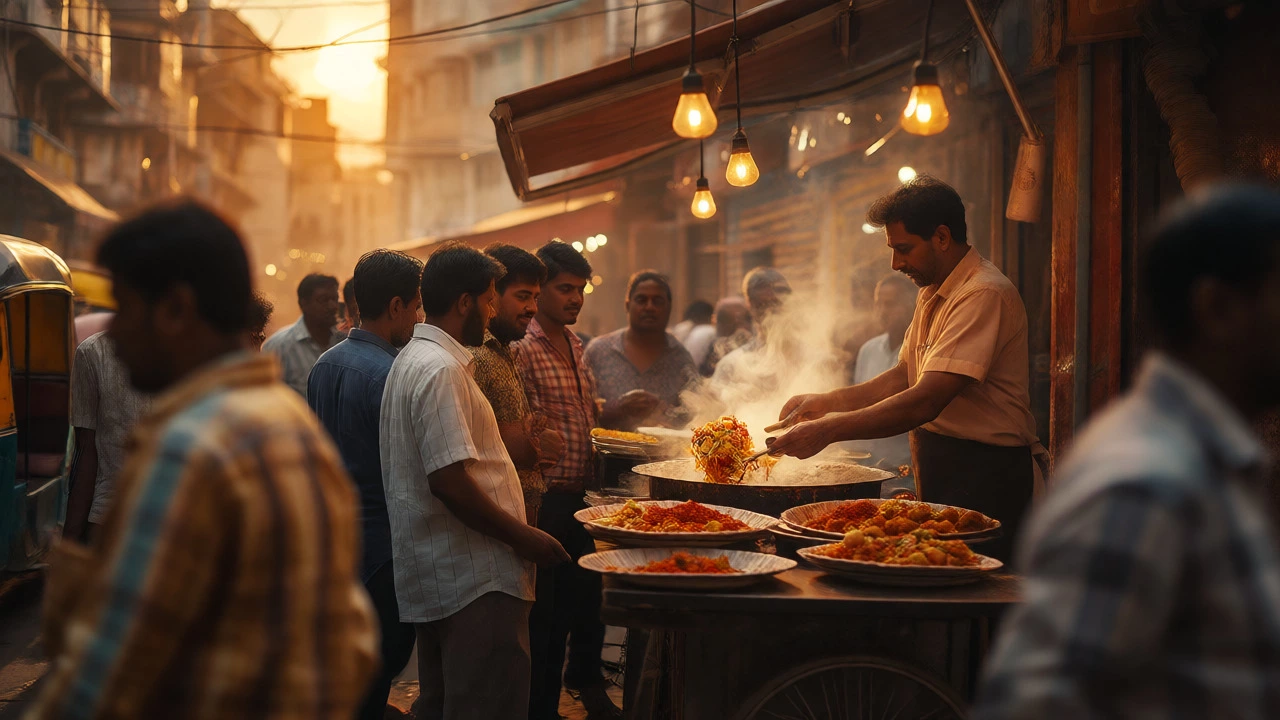
How to Safely Eat Street Food in India: A Local’s Guide
Learn how to safely enjoy India's vibrant street food scene. Discover tips on choosing clean stalls, avoiding risky items, and staying healthy while traveling.

Which Indian State Has the Best Street Food? Top Contenders and What Makes Them Stand Out
Mumbai, Delhi, Kolkata, Rajasthan, and Hyderabad each offer unforgettable street food experiences. Discover what makes each state's flavors unique and why there's no single 'best'-just the best for you.
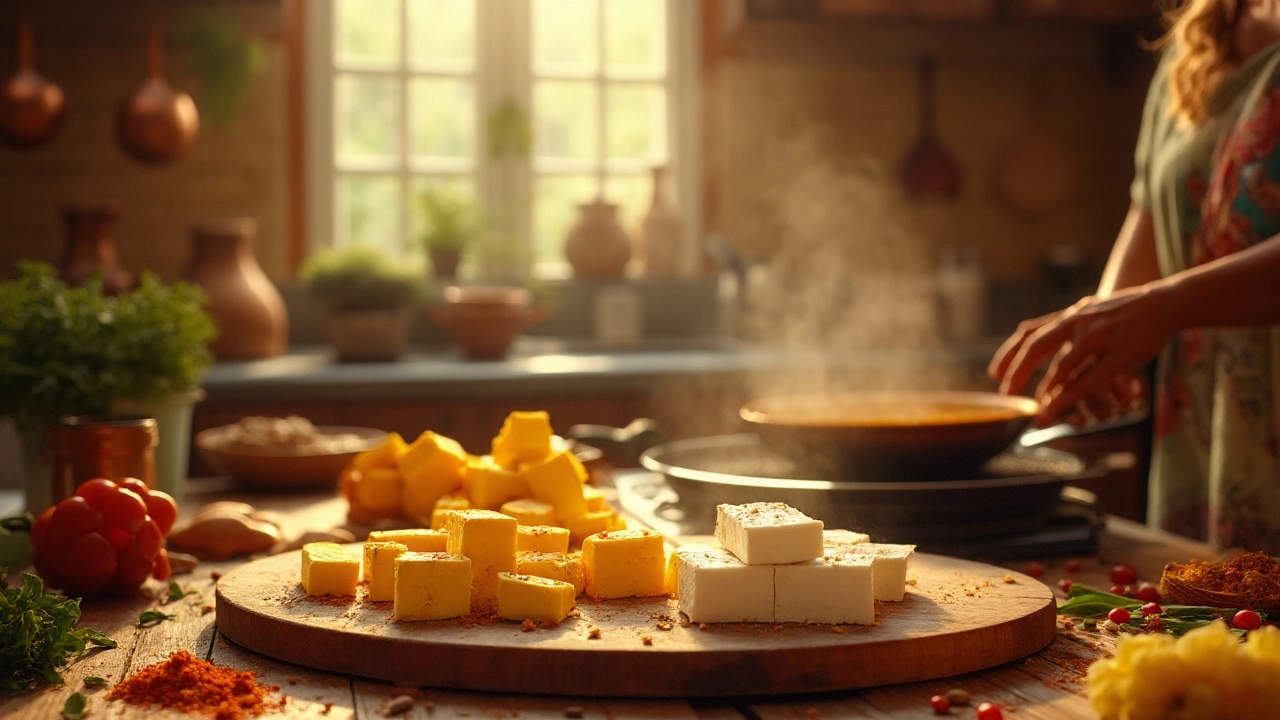
Paneer vs Tofu: Which Tastes Better?
Explore the flavor, texture, nutrition, and culinary uses of paneer and tofu to decide which one wins the taste test for your kitchen.
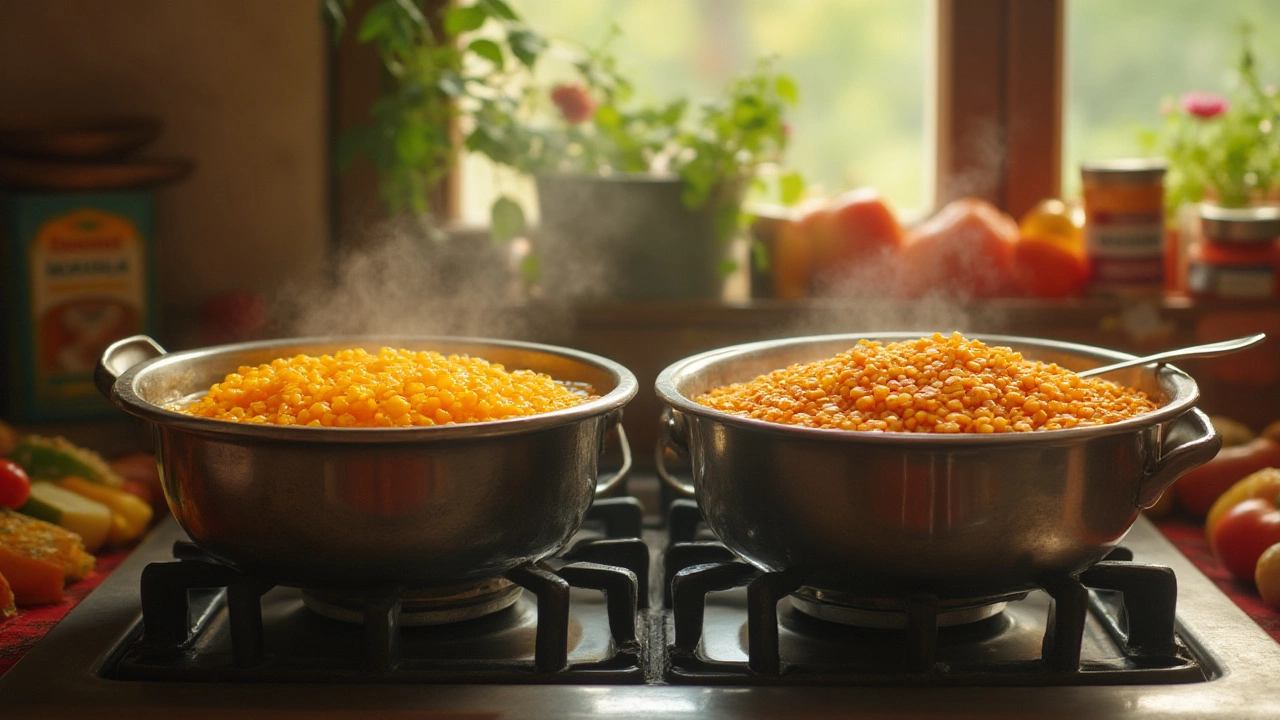
What Happens If You Don't Soak Dal? Health, Nutrition, and Cooking Explained
Ever wondered if you can skip soaking your dal? Here’s what actually happens when you don’t soak lentils, including health effects, cooking time, and taste.

Chutney vs Relish: Explaining the True Difference and Uses in Indian and Global Cuisines
What makes a chutney different from a relish? Learn how each is made, their origins, textures, uses, and key flavor tricks for Indian and global kitchens.

Why Lemon Juice Makes Milk Curdle: The Science, Kitchen Hacks, and Surprising Uses
Ever wondered why milk turns lumpy when you add lemon juice? This article explores the science behind milk curdling with lemon, real kitchen tips, safety myths, and creative ways to use curdled milk. No science textbook talk—just clear, real answers.
Quickly Making Dosa Batter Rise Without Yeast: Your Go-To Guide
Making dosa batter rise quickly without yeast might seem challenging, but it's actually doable with a few simple tricks. This guide explores practical methods to get that perfect fermentation. Discover the importance of ingredients, optimal soaking times, and useful climate tips. With the right techniques, you can achieve a perfectly fluffy dosa batter in no time. Say goodbye to waiting all night for fermentation!
Fast Dosa Batter Fermentation: Tips You Need to Try
Speeding up dosa batter fermentation can be a game-changer for quick home cooking. This article shows you quick techniques to get that crispy dosa in less time, like using warmth from your kitchen gadgets or adding grains for a boost. You'll discover how tweaking little steps can make a big difference.
Quickly Ferment Dosa Batter Without Yeast: Best Techniques
Discover the top methods to ferment dosa batter quickly without using yeast. Learn about temperature tricks, ingredient tips, and practical dos and don'ts for speedy fermentation. Enhance your dosa-making skills with reliable techniques for that perfect texture. Enjoy delicious homemade dosas without waiting forever. Save time and enjoy fresh dosas any day!
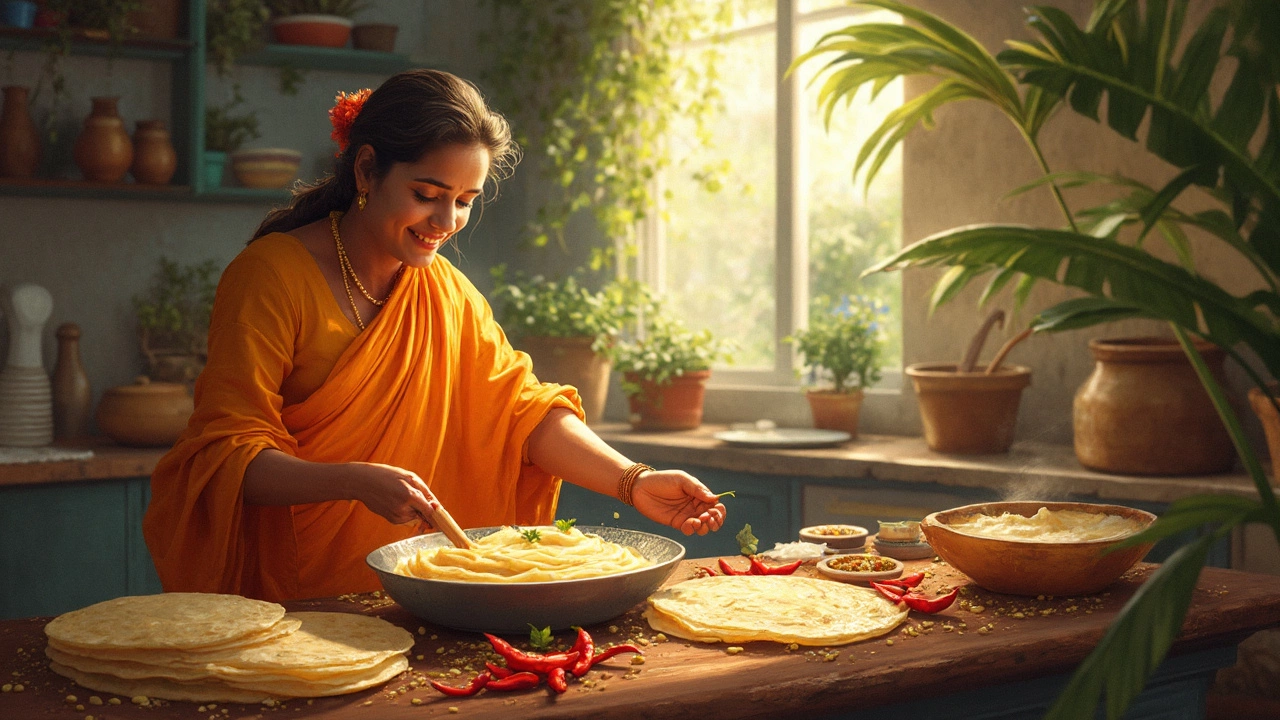
Quickly Rise Dosa Batter Without Yeast: Simple Hacks
Dosa, a popular South Indian dish, often requires fermentation to achieve its perfect texture. However, waiting hours for batter to rise might not always be feasible. This guide reveals effective techniques to make dosa batter rise quickly without the use of yeast, ensuring you enjoy crispy dosas in less time. Learn practical tips and tricks that transform batter rising into a speedy and successful process.
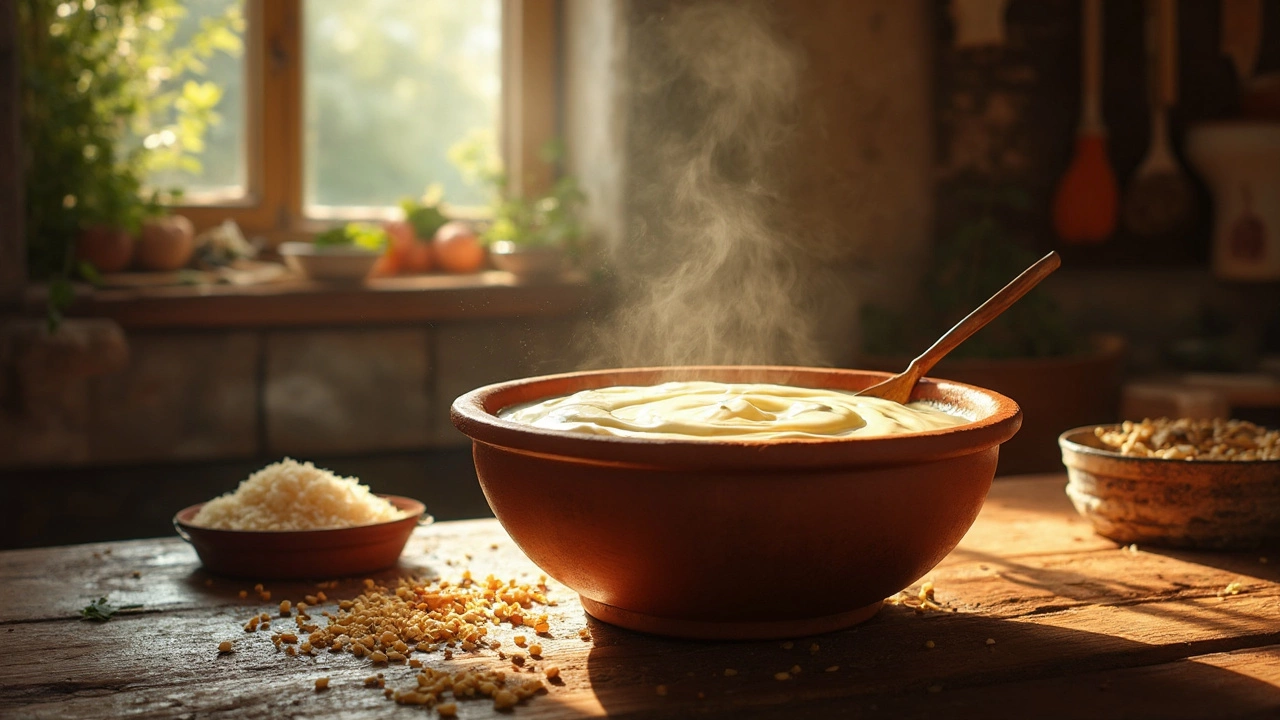
Fast and Flavorful: Dosa Batter Fermentation Tricks Without Yeast
Making dosa batter without yeast is a traditional art that assures both quick fermentation and rich flavor. This article breaks down yeast-free methods using readily available ingredients like fenugreek seeds and poha. Discover how warm climates and simple room-temperature tricks can transform your batter. Read on to learn how to speed up the fermentation process and enjoy crispy dosas.
Speed Up Your Dosa Batter Fermentation: Simple Natural Hacks
Fermenting dosa batter can take time, but with a few natural tricks, you can speed up the process. From altering your soaking methods to rediscovering the benefits of the sun, these are easy adjustments you can make in your own kitchen. Understanding the right temperature and environment is key to ensuring perfect fermentation. These tips will help you enjoy delicious dosas with less wait time. Say goodbye to delays and hello to quick, tasty dosas!