How to Safely Eat Street Food in India: A Local’s Guide
 Sep, 18 2026
Street Food Safety Checker
Select a dish or scenario below to check its safety level according to local expert guidelines.
Result
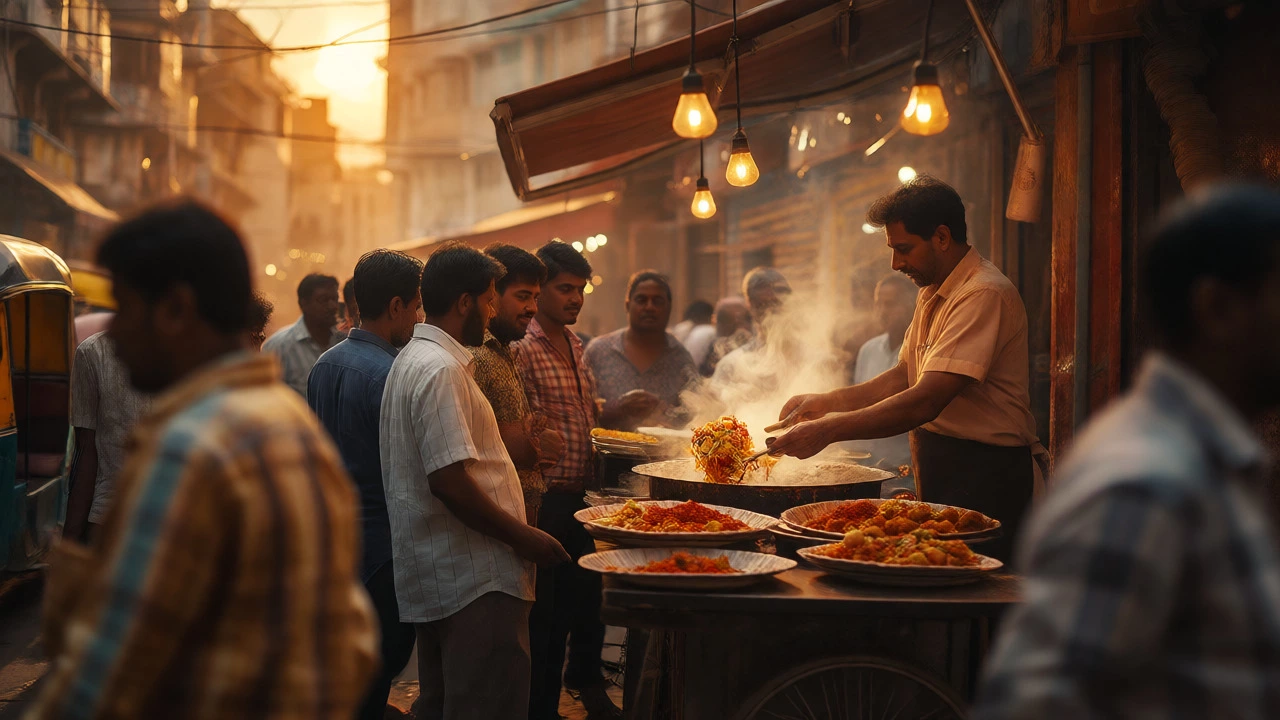
RiskYou’re standing on a crowded corner in Old Delhi or Mumbai. The air smells of frying oil, spices, and exhaust fumes. A vendor is flipping chaat with speed that looks like magic, handing out plates for twenty rupees. Your stomach growls, but your brain screams "hygiene!" This is the classic dilemma for every traveler and even many locals in India. You want the authentic taste, but you don’t want to spend three days in a bathroom.
The truth is, you can eat incredible street food without getting sick. It isn’t about being overly cautious; it’s about knowing what to look for. I’ve lived in Bengaluru for years, navigating everything from high-end cafes to roadside stalls during the heavy monsoon rains. Here is exactly how to navigate the chaos safely.
Follow the Crowd, Not the Menu
This is rule number one, and it sounds counterintuitive if you’re used to quiet, exclusive restaurants. In street food culture, high turnover equals freshness. If a stall has a line of people waiting, the ingredients are moving fast. They aren’t sitting under the sun for hours, growing bacteria. Look for vendors who are constantly cooking. If you see a tray of cut fruit that has been sitting there since morning, walk away. If you see a vendor slicing a fresh watermelon right in front of you while customers wait, that’s your spot.
Watch the hands. Are they using tongs? Are they handling money with one hand and food with the other? Ideally, you want a two-person setup where one person takes cash and the other handles food. If it’s a solo operation, check if they use disposable gloves or if they wash their hands frequently. It’s rare to see perfect hygiene everywhere, so prioritize speed and volume over aesthetic perfection.
Hot is Safe, Cold is Risky
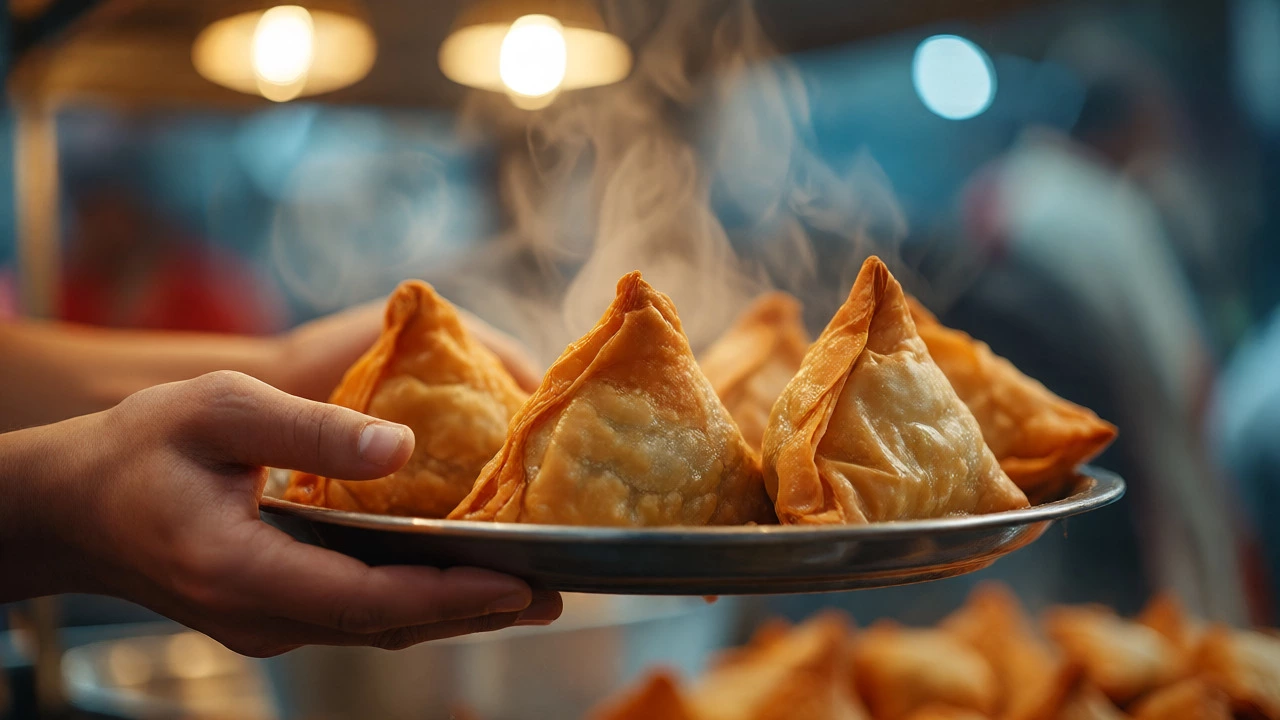
Bacteria thrive at room temperature. Heat kills them. This simple biological fact should guide your order. Stick to foods that are served piping hot. Vada Pav, Pani Puri (if the water is treated), and freshly fried Samosas are generally safer bets than cold salads or pre-cut fruits.
| Food Type | Risk Level | Why? |
|---|---|---|
| Fried Snacks (Bajji, Pakora) | Low | Cooked at high temperatures (>150°C) immediately before serving. |
| Boiled Items (Corn, Eggs) | Medium | Safe if kept hot; risky if left cooling in lukewarm water. |
| Chilled Water/Juices | High | Ice cubes are often made from untreated tap water. |
| Pre-Cut Fruits | Very High | Exposed to flies, dust, and oxidation for unknown periods. |
Be careful with drinks. Unless you trust the source, avoid ice. Ask for your drink "no ice." Bottled water is your best friend here. Check the seal on the bottle cap before you buy it. If the seal is broken or missing, put it back. Tap water in most Indian cities is not potable for travelers due to different microbial loads, even if locals drink it without issue.
The Monsoon Factor
If you are visiting between June and September, be extra vigilant. Rain brings humidity, which accelerates bacterial growth. It also mixes street runoff into puddles near stalls. During monsoon season, avoid raw preparations like Dahi Puri where the yogurt might have been sitting out, or any dish involving raw chutneys unless you know the vendor makes them fresh daily.
In places like Kerala or coastal Karnataka, seafood street food is popular. During heavy rains, ensure the fish or prawns are cooked thoroughly. Undercooked seafood combined with monsoon bacteria is a recipe for disaster. Stick to deep-fried options during this period. The heat penetration in deep frying offers an extra layer of safety that shallow frying sometimes misses.
Hygiene Hacks for the Savvy Eater
You don’t need to carry a lab kit, but a few small habits make a big difference. Carry hand sanitizer. Use it before you eat, especially if you’re using your hands, which is common for items like Idli or Dosa. While wet wipes are handy, sanitizer is more effective against viruses.
Observe the water source. Many stalls use large plastic drums filled with water. If the drum looks dirty or the water is cloudy, skip dishes that require washing vegetables in that water. However, many established stalls now use RO (Reverse Osmosis) purified water tanks. Look for stickers or signs indicating "RO Water." This is a huge green flag.
- Check the utensils: If plates are reused without washing, ask for paper plates or banana leaves. Banana leaves are biodegradable and usually single-use, making them hygienic.
- Avoid open containers: Chutneys or pickles in open jars exposed to flies are risky. Prefer sealed packets or items made fresh.
- Trust your nose: If oil smells rancid or the batter smells sour when it shouldn’t, don’t eat it.

Regional Nuances and Specific Dishes
Not all regions have the same risks. In North India, dairy-based sweets like Gulab Jamun are popular. Dairy spoils quickly in heat. Ensure the milk products are stored properly. In South India, fermentation is key for Idli and Dosa. These are naturally preserved by acidity, making them quite safe even if not refrigerated instantly. However, coconut chutney turns sour quickly in the heat. If it tastes fermented in a bad way, stop eating.
Street food in Kolkata involves lots of mustard oil and raw onions. Onions are washed in local water. If you have a sensitive stomach, peel your own onion or skip the garnish. In Mumbai, the Pav Bhaji is butter-heavy. Butter doesn’t spoil easily, but the veggies inside must be cooked well. Ask for "extra cooked" if you’re worried.
What to Do If Things Go Wrong
Despite your best efforts, you might get a stomach upset. Don’t panic. Hydration is critical. Drink oral rehydration solutions (ORS), available at any pharmacy as "Electral" or similar brands. Avoid dairy and spicy foods until your stomach settles. Bananas and plain rice are gentle on the gut. If symptoms persist beyond 48 hours, or if you have fever or blood in stool, see a doctor. Antibiotics are sometimes needed, but don’t self-medicate with strong drugs immediately.
Eating street food is part of the Indian experience. It connects you to the culture in ways a five-star hotel never will. By watching the process, respecting the temperature, and trusting your instincts, you can enjoy the flavors without the fear. Start with small portions. See how your body reacts. Then expand your horizons.
Is it safe to drink tea from street vendors in India?
Generally, yes, because the tea is boiled. However, the risk lies in the milk and the cup. Milk can spoil in heat, and cups are often rinsed in questionable water. Opt for tea served in disposable glasses or bring your own reusable cup. Avoid tea with ice.
Can I eat raw vegetables in street food?
It is risky. Raw onions, tomatoes, and cilantro in chaat or dosas are washed in local water. For travelers with sensitive stomachs, it is better to remove these raw garnishes or choose cooked vegetable options instead.
How do I know if the oil is reused too many times?
Visually inspect the oil. If it is dark brown, foamy, or has a burnt smell, it has been reused excessively. Fresh oil is clear or light yellow. Dark oil indicates harmful compounds formed through repeated heating.
Are vegetarian street foods safer than non-vegetarian ones?
Often, yes, because meat requires stricter temperature control to prevent salmonella or E. coli. However, dairy-based vegetarian foods can spoil quickly in heat. Both categories require caution, but non-veg needs higher scrutiny regarding cooking thoroughness.
What is the safest street food for beginners?
Deep-fried snacks like Samosas, Vada Pav, or Bajji are among the safest because they are cooked at high temperatures right before serving. Hot boiled corn is also a low-risk option.