Tandoori Paste vs Tikka Paste: Are They the Same?
 Oct, 6 2026
Tandoori vs. Tikka Paste Matcher
Select your options and click "Find My Match" to see which paste works best.
You’re standing in the aisle of your local Indian grocery store in Sydney, staring at two jars that look suspiciously similar. One says Tandoori Paste, the other says Tikka Paste. You want to make a killer dinner tonight, but you don’t have time for a chemistry lesson. So, are they the same thing? Can you swap them? Will your guests notice?
The short answer is no, they aren’t exactly the same, though they share DNA. Think of them as cousins rather than twins. Both are yogurt-based marinades designed to tenderize meat and pack it with flavor before it hits high heat. But their personalities differ significantly when it comes to spice profiles, texture, and how they interact with the cooking method. If you grab the wrong jar, your dish might taste fine, but it won’t be authentic. Let’s break down exactly what goes into each paste so you can pick the right one for your next curry or kebab.
What Actually Is Tandoori Paste?
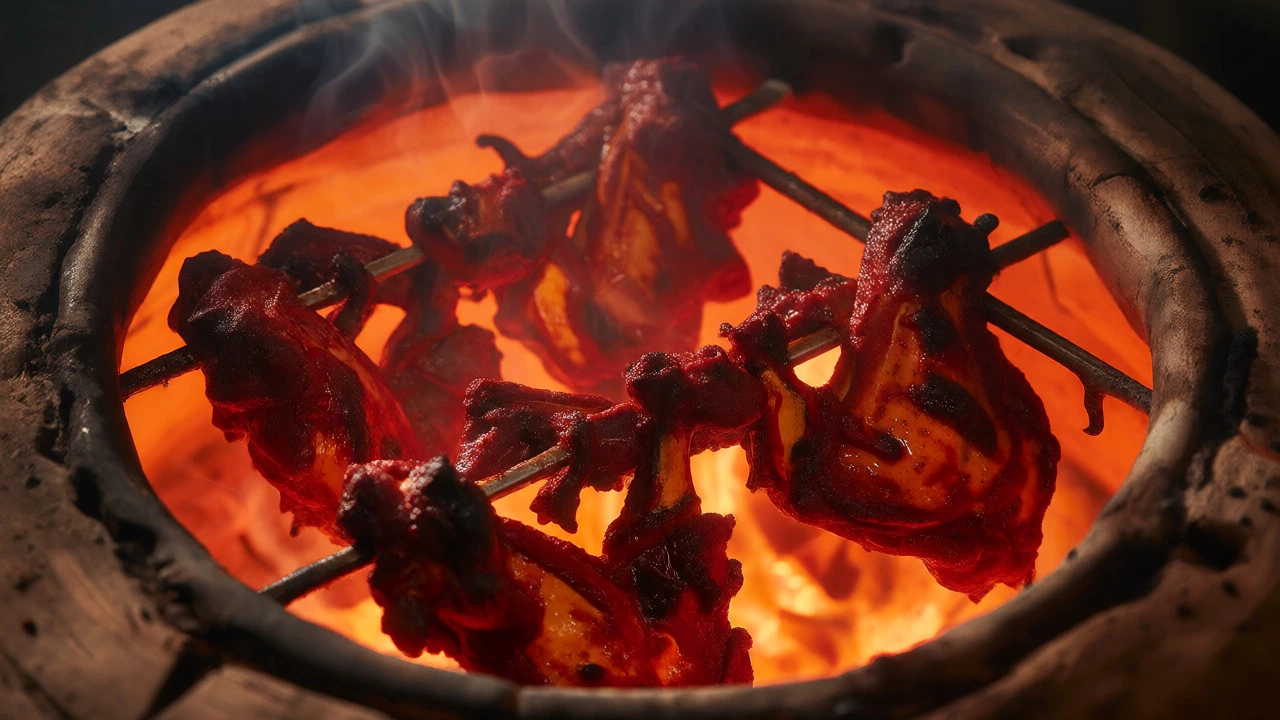
To understand the difference, you first need to know where these pastes come from. Tandoori refers to a specific style of cooking originating from the Punjab region of India. The name comes from the Tandoor, a cylindrical clay oven that reaches temperatures upwards of 480°C (900°F). Traditionally, marinated meat is skewered and lowered into this oven. The intense radiant heat cooks the food quickly while smoking it slightly.
Tandoori paste is the marinade specifically engineered for this high-heat environment. It relies heavily on yogurt as its base. Why yogurt? Because the lactic acid breaks down protein fibers, keeping the meat juicy despite the brutal heat. But yogurt alone isn’t enough. Authentic tandoori paste includes Kashmiri red chili powder, which provides vibrant color without excessive heat, along with ginger-garlic paste, lemon juice, and salt.
Here’s the kicker: traditional tandoori marinades often include mustard oil. This ingredient adds a pungent kick that mellows out during cooking, creating a complex depth. Many commercial jars skip the mustard oil because it has a strong smell that scares off casual shoppers, but if you see it on the label, you’ve found a more authentic product. The spice profile leans toward earthy and warm notes-think cumin, coriander, and garam masala-but it’s generally less fiery than you might expect.
Defining Tikka Paste and Its Unique Traits
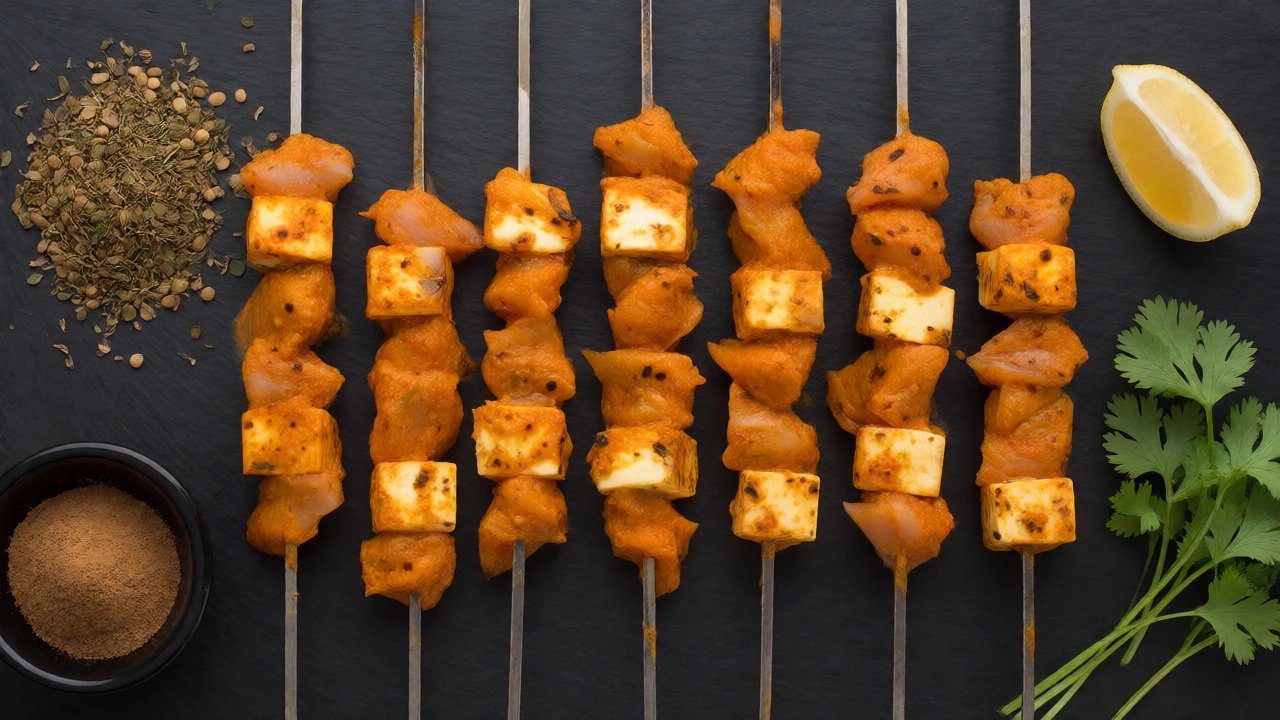
If tandoori is about the oven, Tikka is about the cut of meat and the presentation. In Hindi, "tikka" simply means pieces or chunks. While tandoori chicken usually involves large bone-in cuts like legs or breasts, tikka refers to boneless cubes threaded onto skewers. You’ll see this most famously in Chicken Tikka Masala or Paneer Tikka.
So, does that mean the paste is different? Yes, and here is why. Because tikka pieces are smaller and cook faster, the marinade needs to penetrate quickly. Tikka paste often contains higher concentrations of acidic ingredients like vinegar or extra lemon juice to speed up tenderization. More importantly, the spice blend shifts. Tikka marinades frequently feature more prominent notes of fenugreek (kasuri methi) and dried mango powder (amchur).
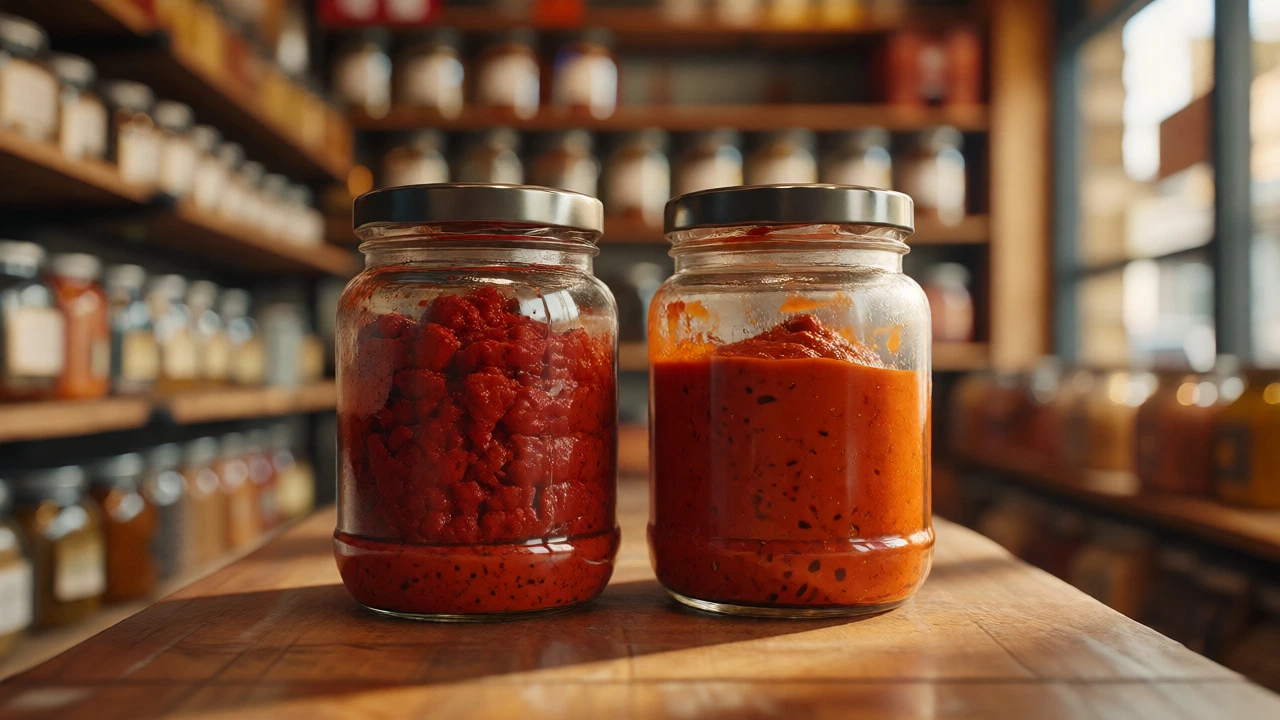
Amchur adds a tangy sourness that cuts through the richness of the yogurt and any accompanying creamy sauces. Fenugreek offers a maple-like bitterness that defines the aroma of many restaurant-style tikka dishes. When you compare the two jars side-by-side, tikka paste often looks slightly thinner and more liquidy due to the added acids. It also tends to be brighter orange-red compared to the deep brick-red hue of tandoori paste, which gets its color from paprika and heavy amounts of Kashmiri chili.
Key Differences in Ingredients and Flavor Profiles
Let’s get specific. If you were to analyze the ingredient lists of premium brands available in Australia, distinct patterns emerge. These differences dictate how the final dish tastes and looks.
| Attribute | Tandoori Paste | Tikka Paste |
|---|---|---|
| Primary Base | Thick Greek Yogurt | Yogurt mixed with Oil/Vinegar |
| Key Spices | Kashmiri Chili, Garam Masala, Mustard Oil | Fenugreek, Amchur, Turmeric, Red Chili |
| Texture | Thick, coats thick cuts well | Slightly runnier, penetrates small cubes fast |
| Color Source | Paprika & Kashmiri Chili (Deep Red) | Turmeric & Paprika (Bright Orange) |
| Best For | Bone-in chicken, lamb chops, fish steaks | Boneless chicken cubes, paneer, prawns |
Notice the emphasis on Kashmiri chili in tandoori paste. This specific variety of chili is prized for its intense red color and mild heat. It allows the cook to achieve that iconic glowing red exterior without burning the diner’s tongue. Tikka paste, conversely, balances heat with tanginess using amchur. If you use tandoori paste on paneer, you might find it too heavy and oily. If you use tikka paste on a whole leg of lamb, the acidity might overpower the natural sweetness of the slow-roasted meat.
Can You Substitute One for the Other?
Yes, you can. But should you? That depends on your goal. If you are making a generic "grilled chicken" dish and just want flavor, go ahead and swap them. Your family likely won’t complain. However, if you are trying to replicate a specific restaurant experience, substitution requires adjustments.
Using tandoori paste for a tikka recipe? Add a squeeze of fresh lemon juice and a teaspoon of dried fenugreek leaves (crushed between your palms) to mimic the tikka profile. The tandoori paste is thicker, so you might need to thin it out with a splash of water or oil to ensure it coats small cubes evenly.
Using tikka paste for a tandoori recipe? Be careful with the acid. Since tikka paste often has vinegar or extra citrus, it can start to "cook" the surface of larger cuts of meat prematurely, leading to a mushy texture if left too long. Reduce the marinating time by half. Also, consider adding a pinch of smoked paprika to reintroduce that smoky tandoor flavor that the tikka paste lacks.
Cooking Methods Matter More Than the Paste Name
Here is a truth that confuses many home cooks: the paste doesn’t care if you have a clay oven. You can make excellent tandoori-style chicken in a standard electric oven or even an air fryer. The key is temperature control.
For tandoori-style results, preheat your oven to its maximum setting (usually 230°C-250°C). Place a rack on top of a baking tray to allow air circulation. This mimics the convection of the tandoor. Brush the meat generously with tandoori paste. The sugars in the yogurt will caramelize rapidly, creating those desirable charred edges. If you use tikka paste here, watch closely-it burns faster due to the higher sugar and acid content.
For tikka-style cooking, broiling is your best friend. Thread the meat onto metal or soaked wooden skewers. Place them under a hot broiler element for 10-12 minutes, turning once. The goal is quick searing. Tikka paste is formulated to handle this direct contact with intense heat without drying out the interior too much. If you try to slow-cook tikka paste like a stew, the dairy base can split, leaving you with a grainy sauce instead of a smooth glaze.
Making Your Own Paste: A Simple Guide
Store-bought pastes are convenient, but they often contain preservatives like sodium benzoate or artificial colors. Making your own takes ten minutes and tastes significantly fresher. Here is a basic framework you can adapt.
- For Tandoori Style: Mix 1 cup full-fat yogurt, 2 tbsp ginger-garlic paste, 1 tbsp Kashmiri chili powder, 1 tsp garam masala, 1 tsp salt, and 1 tbsp mustard oil. Let it sit for 2 hours before using.
- For Tikka Style: Mix 1 cup yogurt, 1 tbsp lemon juice, 1 tsp turmeric, 1 tsp dried fenugreek (crushed), 1 tsp red chili powder, 1 tsp salt, and 1 tbsp vegetable oil. Add 1 tsp cornflour to help it cling to paneer or vegetables.
Homemade paste allows you to control the heat level. Most commercial jars err on the side of mild to appeal to Western palates. If you like heat, add fresh green chilies to your homemade batch. Just remember to wear gloves when handling raw chilies!
Common Mistakes to Avoid
Even with the right paste, people mess up the outcome. The biggest error is skipping the marination time. Yogurt-based marinades need time to work their magic. Aim for at least 4 hours, preferably overnight in the fridge. If you rush it, the spices sit on the surface, tasting raw and gritty.
Another mistake is overcrowding the pan. If you pile meat on top of each other, it steams instead of roasting. You lose that crispy, charred exterior that defines both tandoori and tikka dishes. Cook in batches if necessary.
Finally, don’t ignore the resting period. After taking the meat off the heat, let it rest for five minutes. This allows the juices to redistribute. Cutting into it immediately causes all that flavorful moisture to escape onto the plate.
Final Verdict: Which Jar Should You Buy?
If you mostly cook bone-in meats, fish steaks, or want a robust, smoky flavor profile, buy Tandoori Paste. It’s versatile for grilling and roasting.
If you prefer appetizers, skewers, paneer dishes, or plan to add the cooked meat to a creamy curry sauce later, buy Tikka Paste. Its tangier, lighter profile integrates better with sauces.
They are close relatives, but knowing the nuance elevates your cooking from "good" to "authentic." Next time you’re at the shop, take a second to read the back label. Look for mustard oil in tandoori, and fenugreek in tikka. Your tastebuds will thank you.
Is tandoori paste spicy?
Generally, no. Traditional tandoori paste uses Kashmiri chilies, which provide vibrant red color but only mild heat. However, commercial brands vary, so always check the label for heat indicators or add your own green chilies if you prefer more spice.
Can I use tandoori paste for paneer?
You can, but tikka paste is usually better for paneer. Paneer is delicate and absorbs flavors quickly. Tikka paste is often lighter and tangier, which complements the cheese's richness better than the heavier, oilier tandoori marinade.
How long should I marinate chicken in tandoori paste?
For best results, marinate chicken in tandoori paste for at least 4 hours, or ideally overnight. The yogurt enzymes need time to tenderize the meat and allow the spices to penetrate deep into the flesh.
What is the main ingredient in both pastes?
Yogurt is the primary base for both tandoori and tikka pastes. It acts as a tenderizer and helps the spices adhere to the meat during cooking.
Why is my tandoori chicken not red?
Authentic red color comes from Kashmiri chili powder or paprika, not artificial dye. If your paste lacks these, or if you used too little, the chicken will appear pale brown. Ensure your paste has a high concentration of red coloring agents.