Cooking Tips: Simple Hacks for Indian Kitchen Success
When working with Cooking Tips, practical advice that helps home cooks improve flavor, texture, and speed in Indian dishes. Also known as kitchen shortcuts, it covers everything from spice balance to dough tricks. For example, Roti, a staple flatbread that often fails to puff benefits from oil‑timing and dough‑rest tricks. Dosa, a fermented rice‑lentil crepe that can be ready in hours with the right hacks shows how temperature and additives speed fermentation. Biryani, a layered rice dish where a splash of lemon can keep grains fluffy demonstrates the power of acidity. Finally, Chutney, a condiment whose shelf life hinges on storage method teaches safe preservation. These entities illustrate that Cooking Tips stitch together flavor, texture, and safety across Indian cuisine.
Understanding the links between these tips makes the kitchen less intimidating. Cooking Tips encompasses spice balance, fermentation science, and dough handling. The relationship is clear: mastering roti puffing requires the right oil‑in‑dough timing, while achieving soft rotis after cooking depends on resting the dough and proper heat. Dosa fermentation hinges on warm environments and occasional additives like fenugreek; speed it up and you still get the signature tang. Adding lemon to biryani isn’t just flavor – it adjusts pH, keeping rice grains separate and preventing ghee from weighing them down. Proper chutney storage – fridge vs. pantry vs. canning – prevents spoilage and extends usability. Each tip draws on a small set of core skills: measuring acidity, timing oil inclusion, and controlling temperature. By linking these concepts, the page shows how a single tip can improve multiple dishes.
Why These Tips Matter for Every Home Cook
Whether you’re whipping up a quick weekday dosa or preparing a festive biryani, the right tip saves time and boosts confidence. A lemon squeeze can rescue a rice batch that threatens to turn mushy, while a pinch of baking soda in dosa batter guarantees fluff without waiting overnight. Adding oil at the right stage gives rotis that coveted puff without a stovetop struggle. Knowing how long chutney lasts means you can batch‑prepare it for a month‑long pantry supply without panic. These concrete examples reflect the broad coverage of the posts below: from “Why Add Lemon to Biryani?” to “Roti Not Puffing?” and “Quick Dosa Fermentation Hacks”. Each article dives deeper into the science and step‑by‑step actions, but the overview here equips you with the mental map you need before you click any link. Ready to explore the detailed guides? Scroll down to discover the full collection of tips that will transform your Indian cooking game.
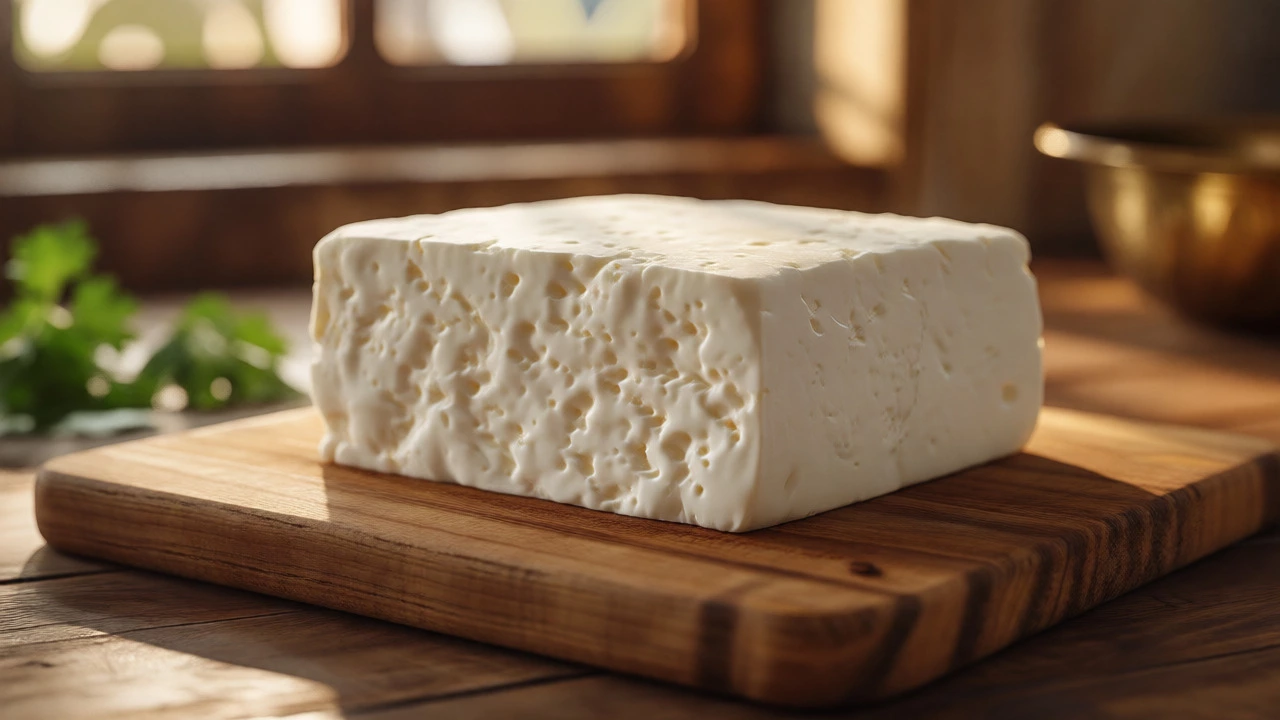
Closest Cheese to Paneer: Best Substitutes for Indian Cooking
Discover the closest cheese substitutes for paneer in Indian cooking. Learn how Halloumi, firm tofu, and pressed cottage cheese compare in texture and flavor.
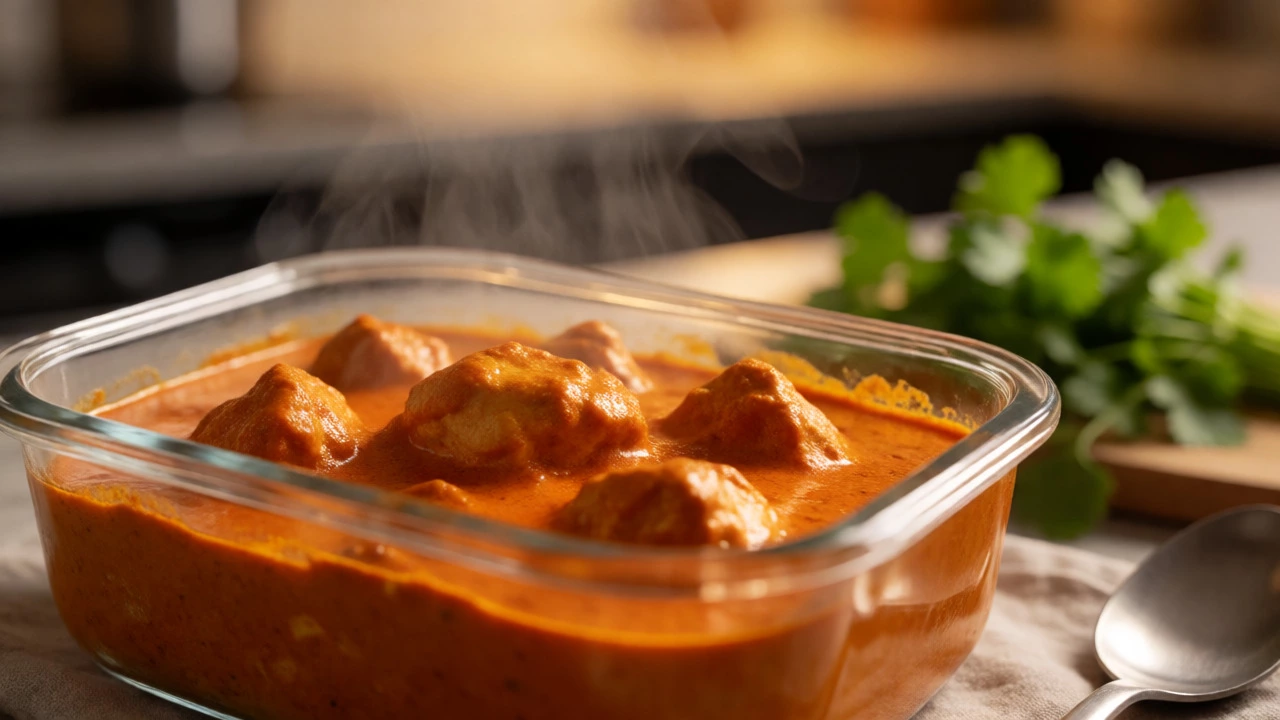
How Long Does Leftover Indian Food Last in the Fridge?
Discover exactly how long your favorite Indian dishes last in the fridge. From dals and curries to milk-based sweets, learn safe storage times, signs of spoilage, and expert tips to keep leftovers fresh and delicious.
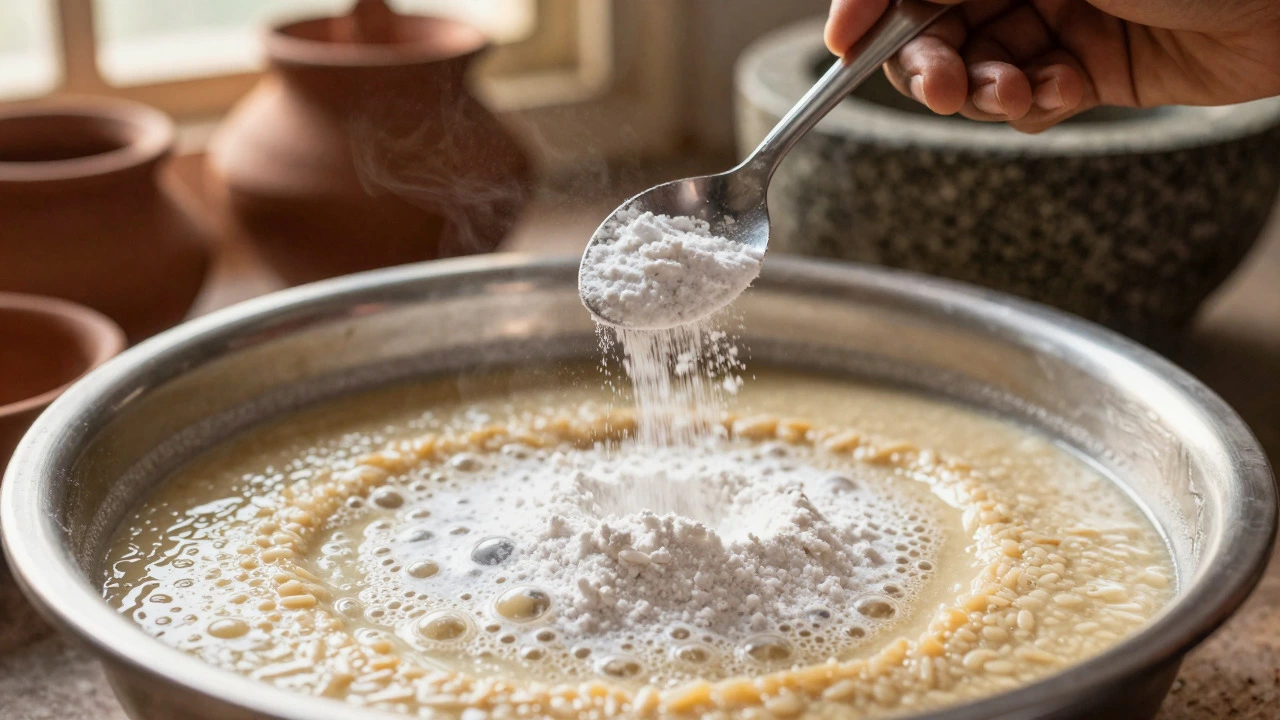
Why Do We Add Soda to Dosa Batter? The Science Behind the Crispy Crunch
Discover why baking soda transforms dense dosa batter into crispy, airy delights. Learn the science behind fermentation, precise dosage tips, and troubleshooting techniques for perfect homemade dosas.
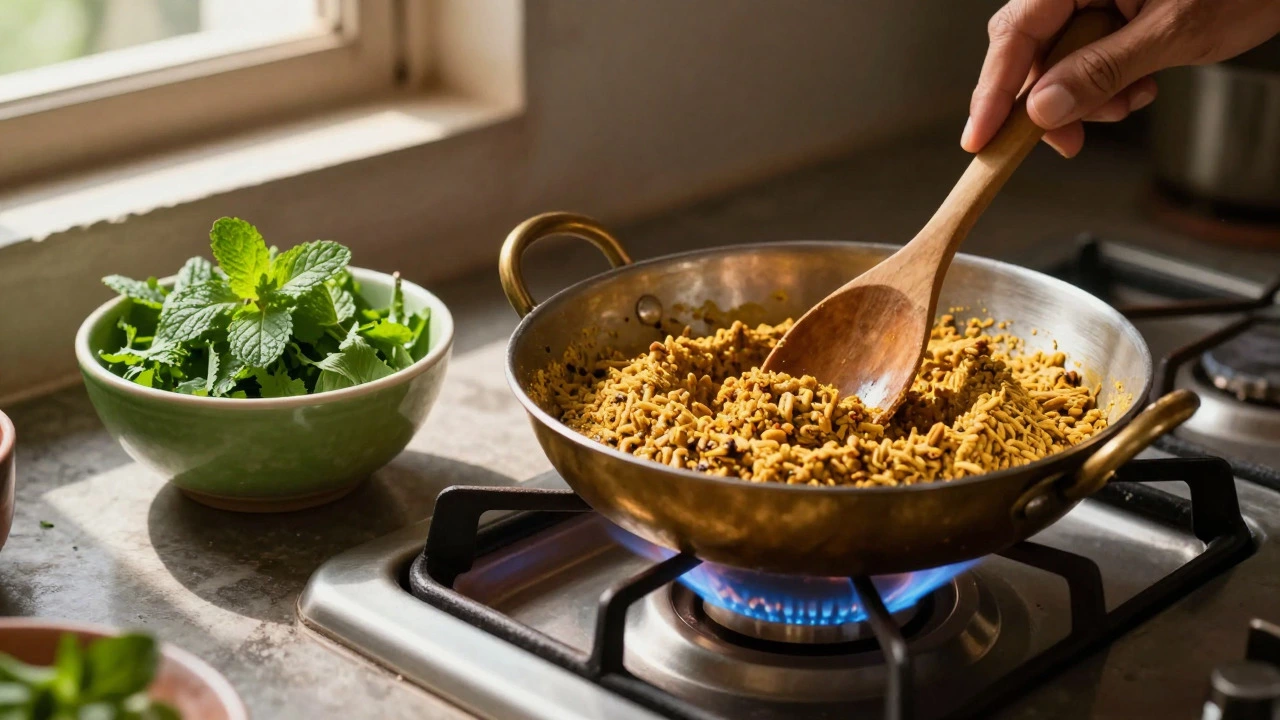
What is a Thickening Agent for Chutney? Best Natural Options & Techniques
Discover the best natural thickening agents for chutney, including roasted besan, coconut, and cornstarch. Learn simple techniques to achieve the perfect consistency for both raw and cooked Indian chutneys.
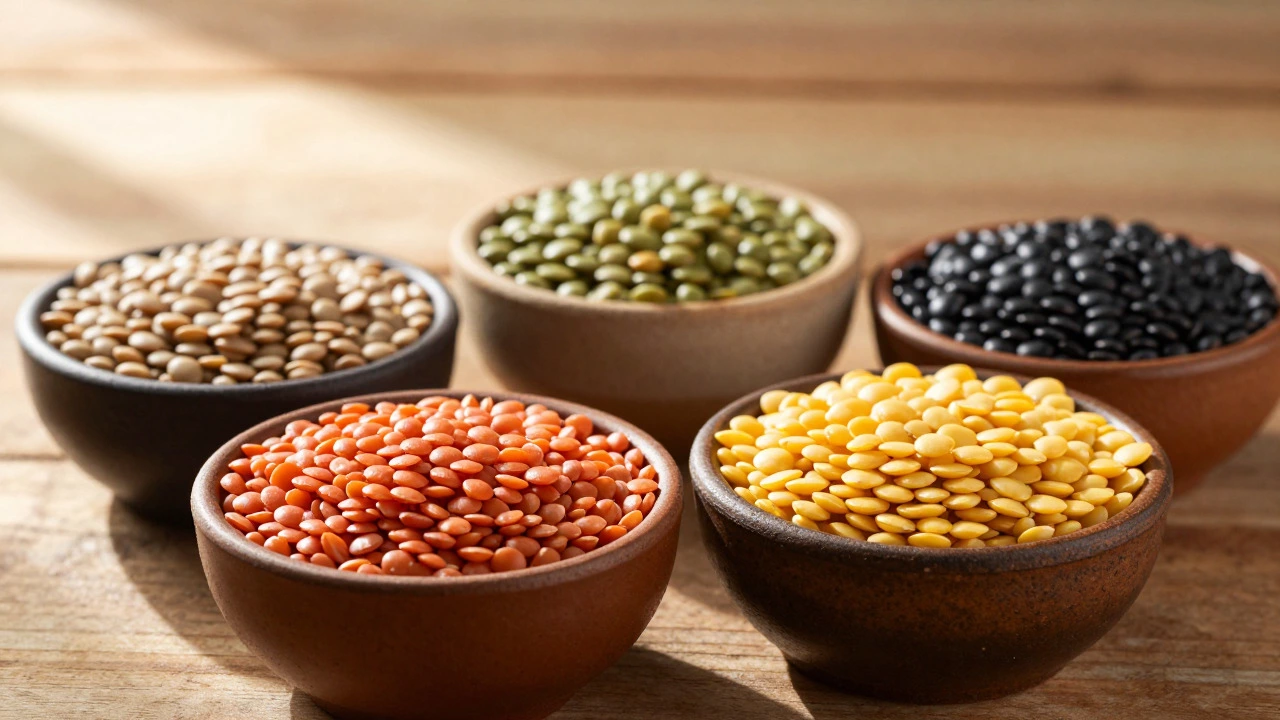
How to Remove Bitterness from Lentils: A Complete Guide for Perfect Dal
Learn how to remove bitterness from lentils using simple soaking, rinsing, and flavor-balancing techniques. Discover why lentils taste bitter and get tips for perfect dal every time.
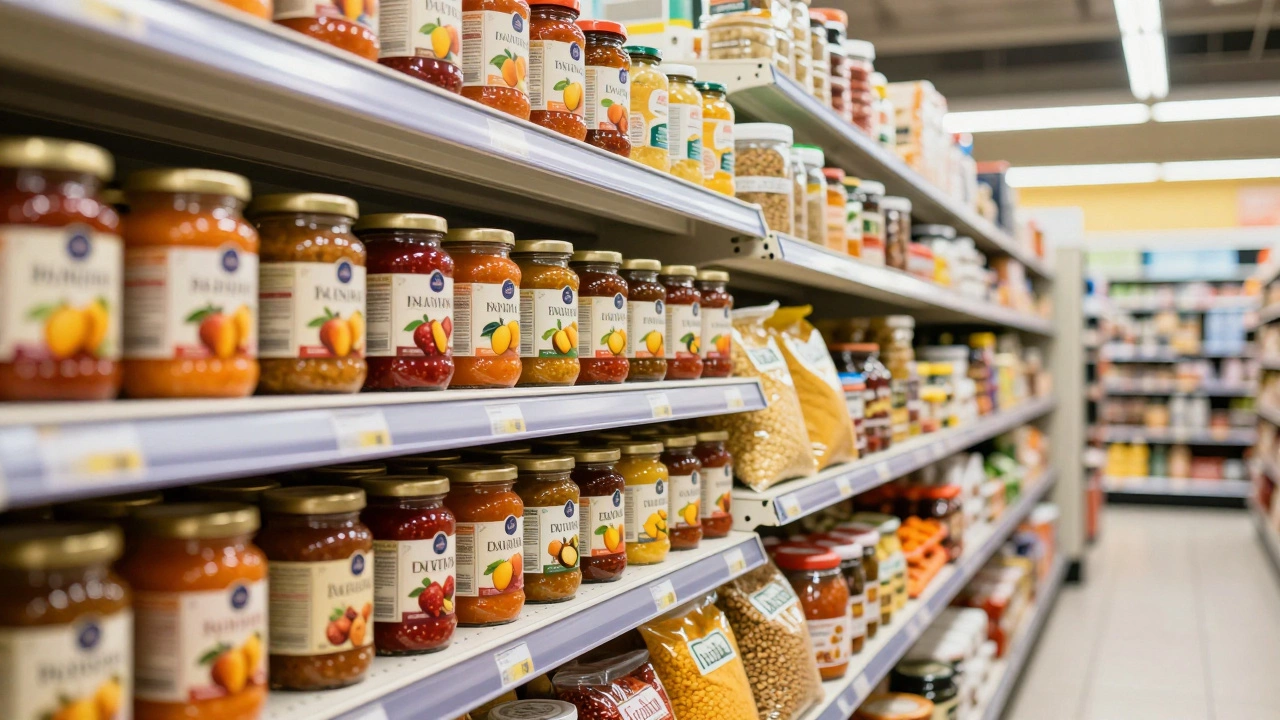
Where to Find Chutney in the Grocery Store: Aisle Guide & Fresh Tips
Find chutney quickly in any grocery store. Learn which aisles hold jarred, fresh, and homemade options, plus tips for making your own.
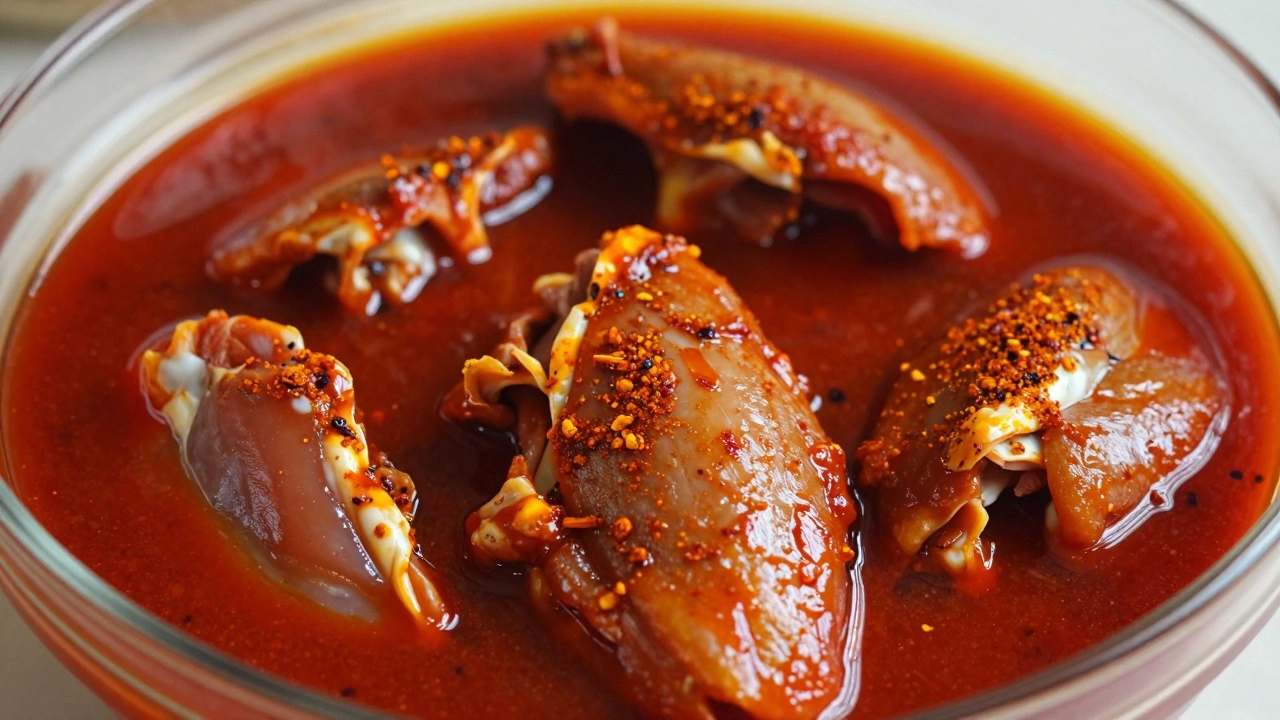
What Is the Red Liquid in Chicken? A Complete Guide to Tandoori Marinades and Safety
Discover what causes the red liquid in chicken, from natural myoglobin to vibrant Tandoori marinades. Learn food safety tips, stain removal hacks, and why you should never rinse raw poultry.
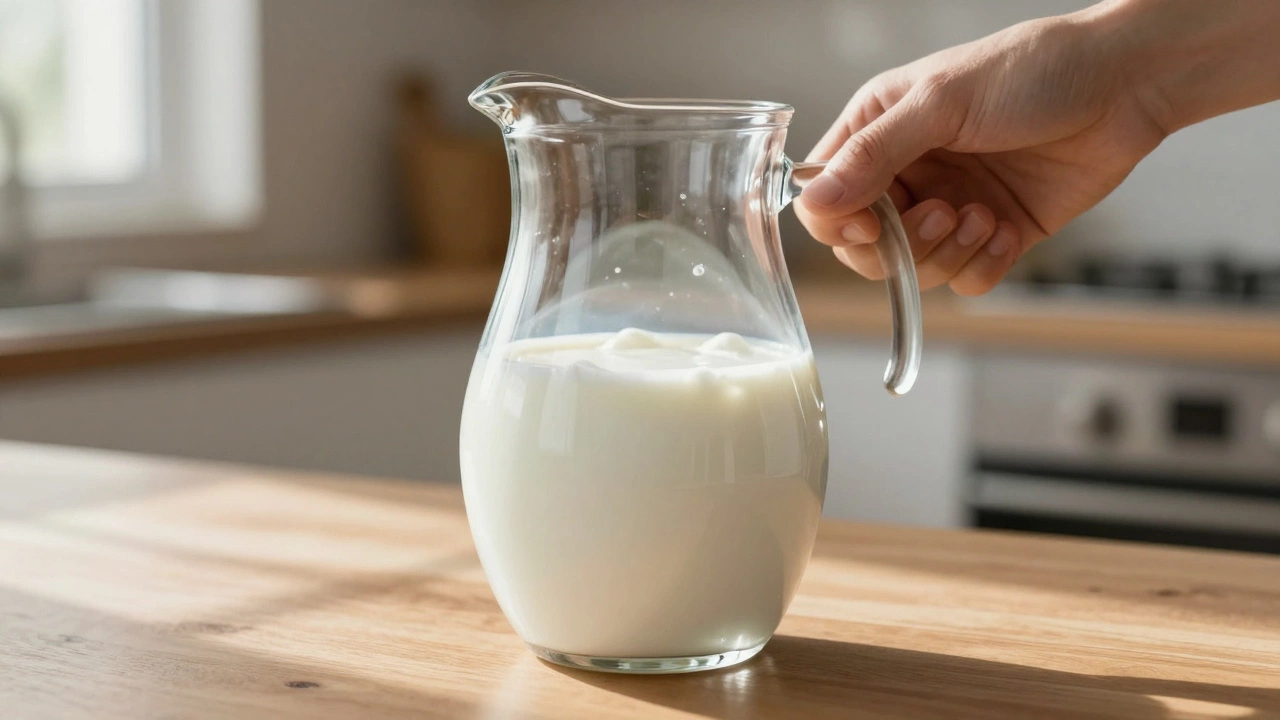
Is Curdled Milk Same as Spoiled Milk? The Complete Guide for Home Cooks
Learn the difference between curdled milk and spoiled milk. This guide explains the science, safety checks, and how to use curdled milk for homemade paneer.
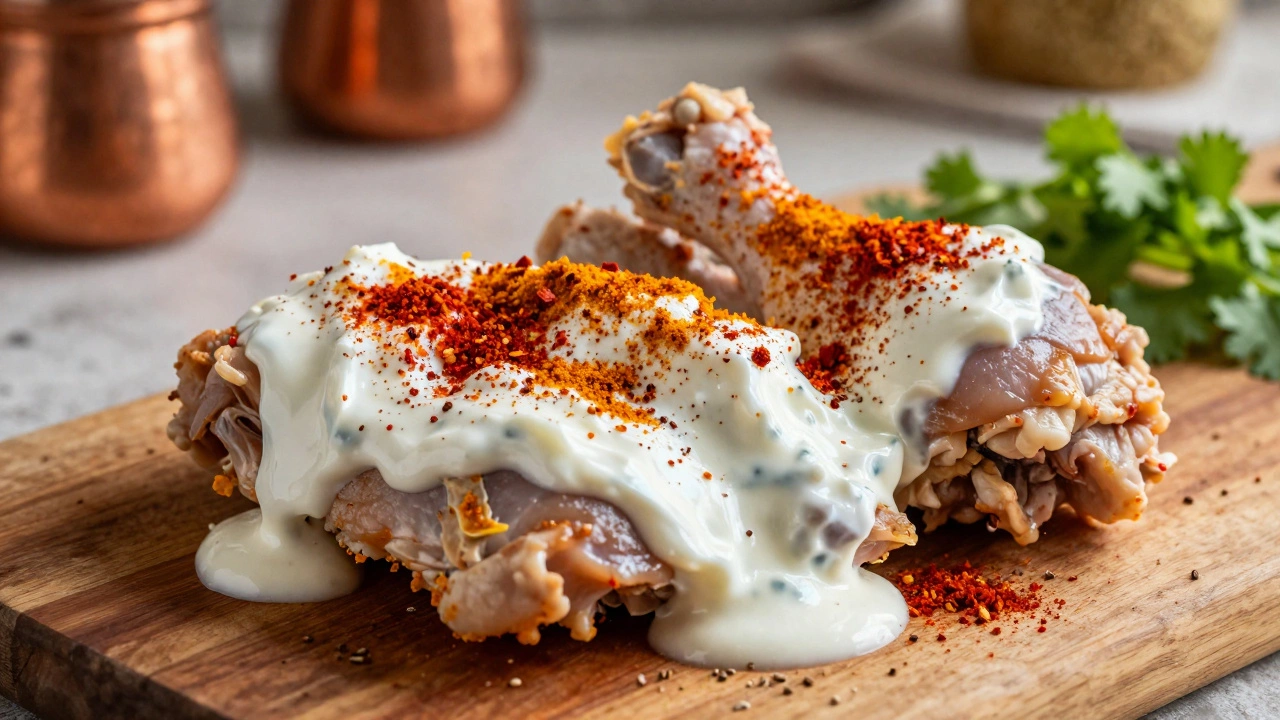
Can I Use Greek Yogurt Instead of Sour Cream in Sauce? A Practical Swap for Tandoori Chicken and More
Greek yogurt is a healthier, tastier substitute for sour cream in sauces-especially for tandoori chicken. It holds up better under heat, adds protein, and enhances flavor without heaviness.

Should Roti Be Cooked on High Heat? The Right Way to Get Soft, Puffy Rotis Every Time
Cooking roti on high heat burns the outside before the inside puffs. Learn the right temperature, timing, and techniques to make soft, fluffy rotis every time with simple, proven tips.
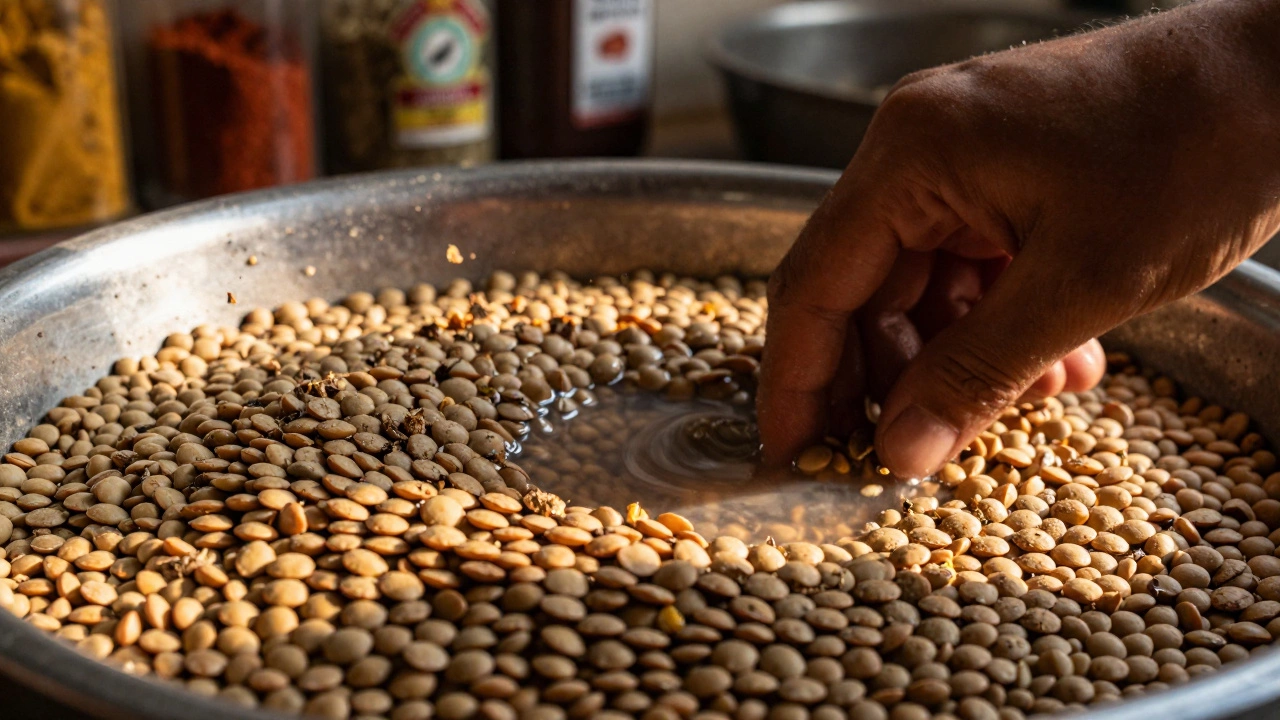
What Happens If You Don't Rinse Lentils? The Real Risk in Your Dal
Skipping rinsing lentils can make your dal gritty, muddy, and hard to digest. Learn why this simple step matters for flavor, safety, and texture in Indian cooking.
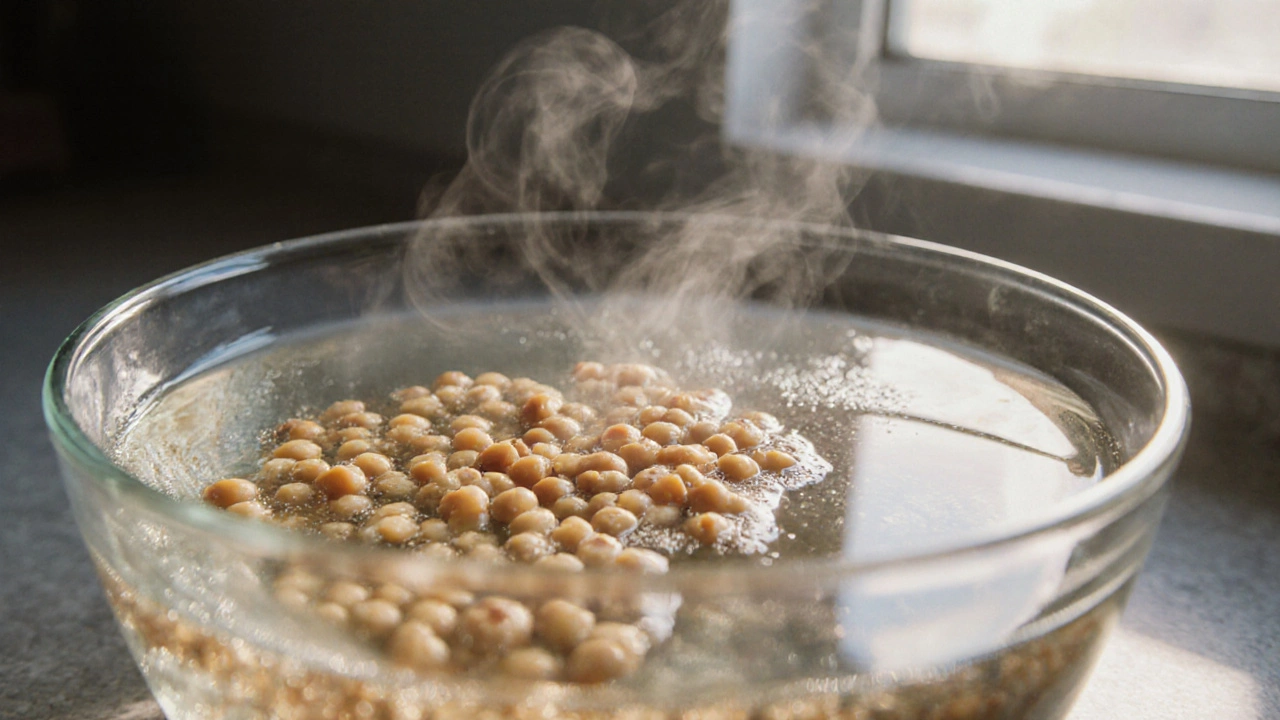
Ideal Soaking Time for Urad Dal in Dosa Batter
Find the perfect soaking time for urad dal to make crisp, fluffy dosa batter. Learn temperature‑based guidelines, step‑by‑step instructions, common mistakes, and FAQs.