How Long Do You Soak Dal for the Best Texture and Digestion?
 Mar, 6 2026
Dal Soaking Time Calculator
Choose Your Dal Type
Recommended Soaking Time
Select a dal type to see your result
Soaking dal isn’t just a step you skip because you’re in a hurry-it’s the difference between a meal that’s easy to digest and one that leaves you feeling heavy, bloated, or sluggish. If you’ve ever eaten dal that felt gritty, took forever to cook, or sat in your stomach like a stone, the problem wasn’t the spices. It was the soak.
Why Soak Dal at All?
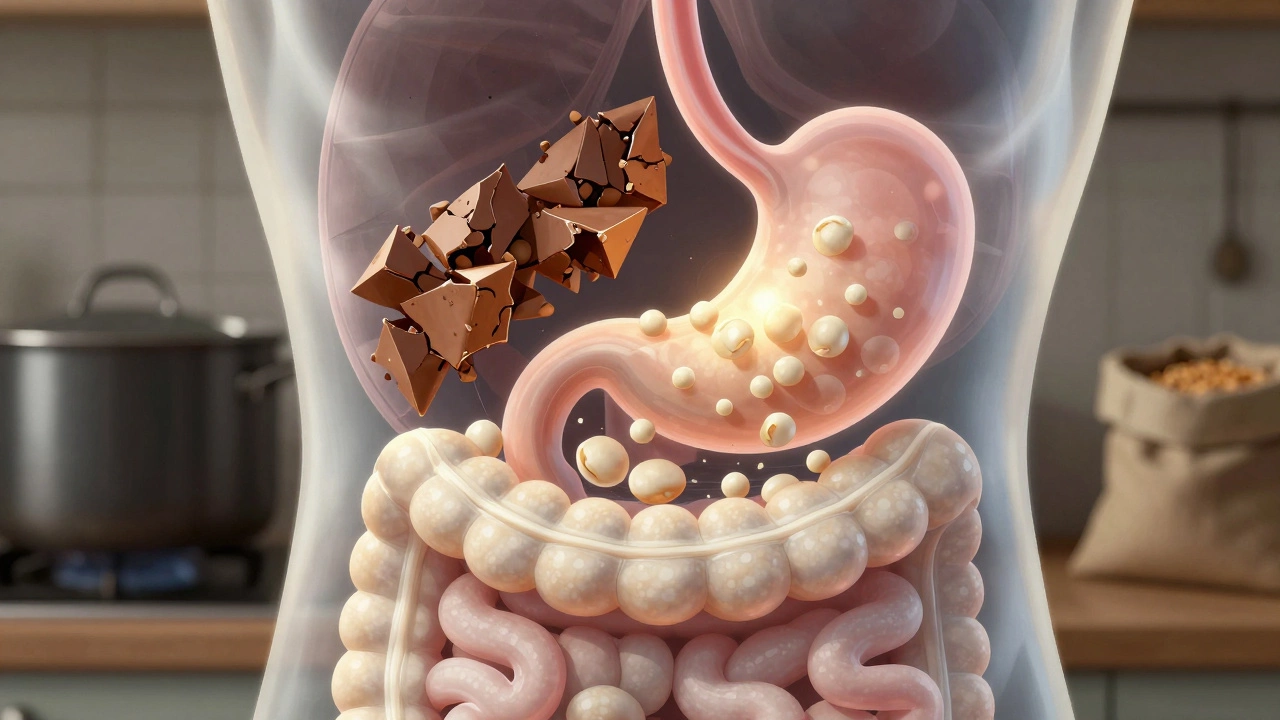
Dal, whether it’s toor, chana, masoor, or moong, is packed with nutrients-but it’s also full of natural compounds that make digestion harder. These include phytic acid, tannins, and enzyme inhibitors. Left untreated, they bind to minerals like iron and zinc, keeping your body from absorbing them. Soaking breaks down these compounds, softens the lentils, and cuts cooking time by up to 40%.
Think of it like prepping a tough cut of meat before slow-cooking it. You wouldn’t throw a chuck roast into the pot raw and expect it to melt. The same logic applies to dal. Soaking isn’t optional if you want clean energy, not bloating.
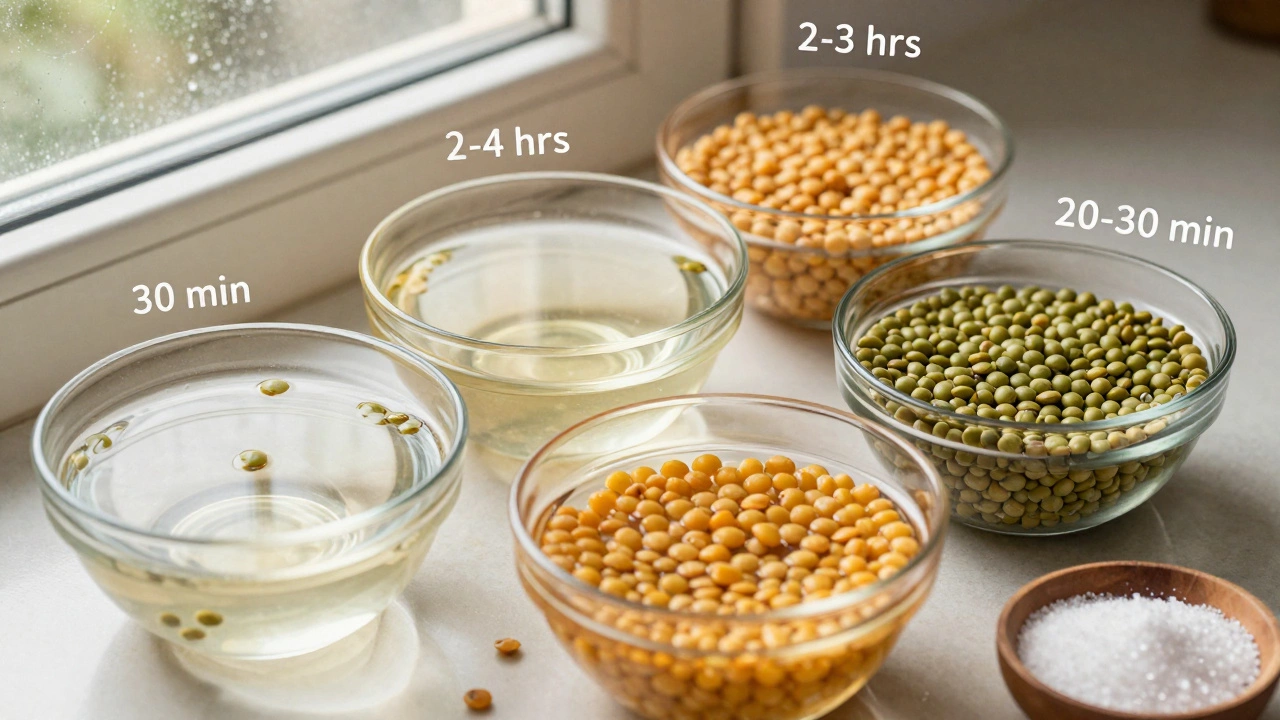
How Long Should You Soak Different Types of Dal?
Not all dals are the same. Their soaking time depends on size, density, and whether they’re split or whole. Here’s what works:
- Moong dal (split, yellow): 30 minutes to 1 hour. This one cooks fast even without soaking, but soaking still helps with digestibility and removes foam.
- Chana dal (split chickpeas): 2 to 4 hours. These are denser and need more time to soften. Soak overnight if you can.
- Toor dal (split pigeon peas): 2 to 3 hours. Soaking makes it cook evenly and prevents that chalky aftertaste.
- Masoor dal (red lentils): 20 to 30 minutes. They’re small and cook quickly, but soaking still reduces cooking time and improves texture.
- Whole urad dal (black gram): 6 to 8 hours, or overnight. This one is the toughest. Skip soaking, and you’ll end up with undercooked centers even after 90 minutes of boiling.
- Whole chana (chickpeas): 8 to 12 hours. These aren’t dal in the split form, but if you’re making chana masala from whole beans, soak them overnight.
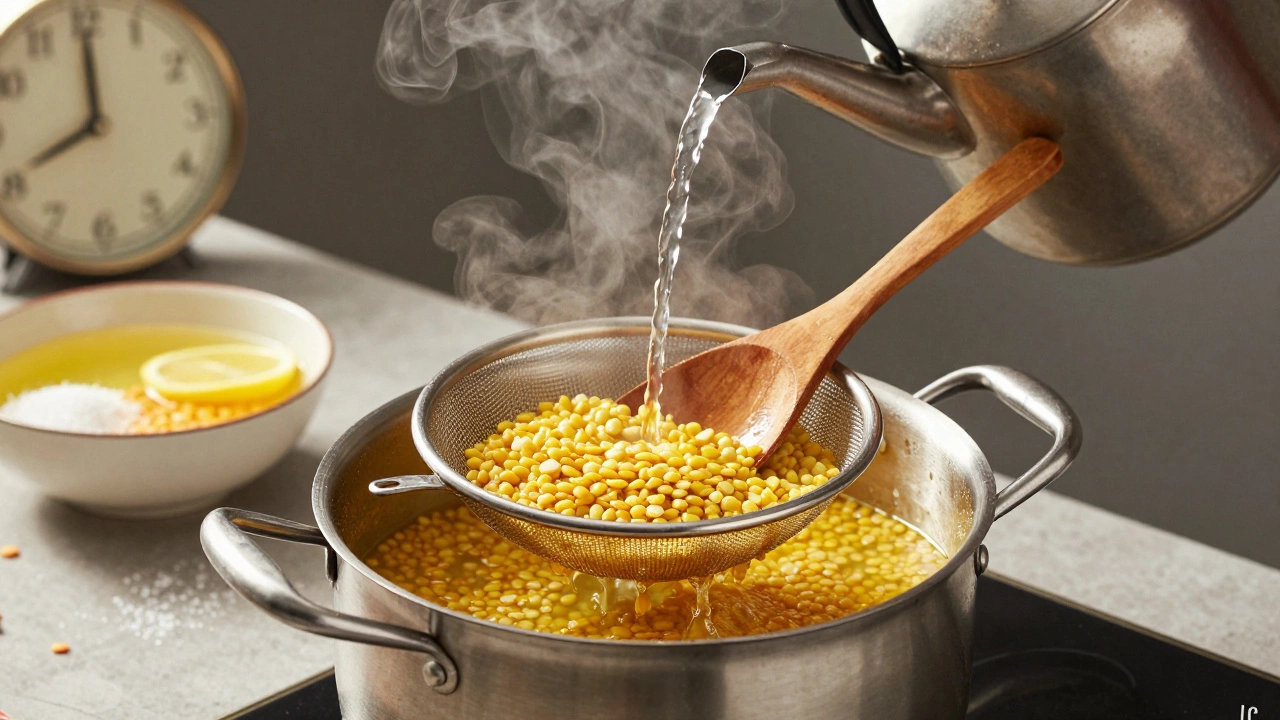
Pro tip: Use enough water-about 3 cups for every 1 cup of dal. The lentils expand as they absorb moisture. If you’re short on time, a quick soak in warm water (around 120°F) cuts soaking time by half. Just don’t use boiling water-it cooks the outside and leaves the inside hard.
What Happens If You Skip Soaking?
You can cook dal without soaking. But you’ll pay for it.
First, cooking time jumps. A 20-minute moong dal becomes a 45-minute chore. Chana dal? You might need an hour and a half, and even then, some pieces stay hard. Second, the water gets cloudy with foam and scum-more than usual-because the compounds that soak would’ve removed are now boiling off. Third, your body has to work harder to break it down. That’s why some people say, “I can’t eat dal-it gives me gas.” Often, it’s not the dal. It’s the lack of soaking.
A 2023 study from the Indian Institute of Food Processing Technology found that soaked dal had 62% less phytic acid than unsoaked dal. That means more iron and magnesium get into your bloodstream. Soaking isn’t tradition-it’s science.
How to Soak Dal Right
It’s simple, but details matter.
- Choose clean, dry dal. No dust, no stones. Rinse under cold water until the water runs clear.
- Place in a bowl and cover with 3 times the volume of water. Add a pinch of salt if you like-it helps draw out impurities.
- Let it sit at room temperature. Refrigeration slows soaking. If you’re soaking overnight, cover with a cloth to keep out dust.
- Drain and rinse again before cooking. Don’t cook with the soaking water-it’s full of the compounds you’re trying to remove.
Some people add a teaspoon of lemon juice or vinegar to the soak. This helps activate natural enzymes that break down phytic acid even faster. It’s not required, but it’s a smart move if you’re sensitive to bloating.
When to Skip Soaking
There are exceptions. If you’re using instant or pressure-cooked dal (like pre-cooked or microwave-ready packs), soaking isn’t needed. The processing already did the work. Same goes for red lentils used in dal soup or khichdi-you can skip soaking if you’re cooking them in a pressure cooker for 10 minutes. But even then, rinsing is non-negotiable.
And if you’re in a rush? A 15-minute soak in hot water works better than nothing. It’s not perfect, but it’s better than skipping entirely.
What to Do After Soaking
Drain and rinse well. Then, cook in fresh water. Use a 1:2 ratio-1 cup soaked dal to 2 cups water. Bring to a boil, skim off any foam, then simmer covered. For most dals, 20 to 30 minutes is enough. Pressure cooker? 5 to 7 minutes on high pressure.
Don’t add salt or acidic ingredients (tomatoes, tamarind) until the end. Salt toughens the outer skin if added too early. Acid does too. Wait until the dal is soft, then season.
Final Tip: Taste Test
The best sign your dal is ready? When you can squish a grain between your fingers without resistance. If it’s still grainy, keep cooking. Don’t rush it. Perfect dal should be creamy, not mushy. It should hold its shape but melt in your mouth.
Soaking isn’t magic. It’s just smart prep. Do it right, and your dal won’t just taste better-it’ll nourish you better.