What is the Most Unique Indian Dish? A Guide to Rare Regional Gems
 Jun, 2 2026
Indian Unique Dish Explorer
India is a land of staggering culinary diversity. With over 1.4 billion people and dozens of distinct linguistic and cultural regions, the idea of pinning down one "most unique" dish is nearly impossible. However, if you are looking for flavors that defy standard expectations-dishes that surprise even seasoned travelers-you have come to the right place. While Butter Chicken and Biryani dominate global menus, they represent only a fraction of what Indian kitchens produce daily.
The true uniqueness of Indian food lies in its regional extremes. You will find dishes made with fermented millet in the hills, raw fish curries in the east, and breads baked in sand in the west. These recipes are not just about spice; they are about preservation techniques, local geography, and centuries-old traditions that have survived without changing much. In this guide, we explore some of the most distinctive dishes from across India that you likely won’t find on mainstream restaurant menus.
Why "Unique" Means Different Things in India
Before listing specific dishes, it helps to understand what makes an Indian dish unique. For many outsiders, uniqueness means "very spicy." But for Indians, uniqueness often means "unfamiliar ingredients" or "unusual preparation methods." A dish might be considered unique because it uses insects, fermented grains, or raw meat marinated for days. It might be unique because it combines sweet and savory in ways that seem contradictory to Western palates.
Consider the concept of Masala, which is a blend of spices used to flavor food. While every region has its own masalas, the combinations vary wildly. In Kerala, coconut and curry leaves dominate. In Punjab, dairy and wheat are king. In Bengal, mustard oil and poppy seeds define the profile. This variation means that a "curry" from Kolkata tastes completely different from one in Chennai. The uniqueness comes from these hyper-local adaptations.
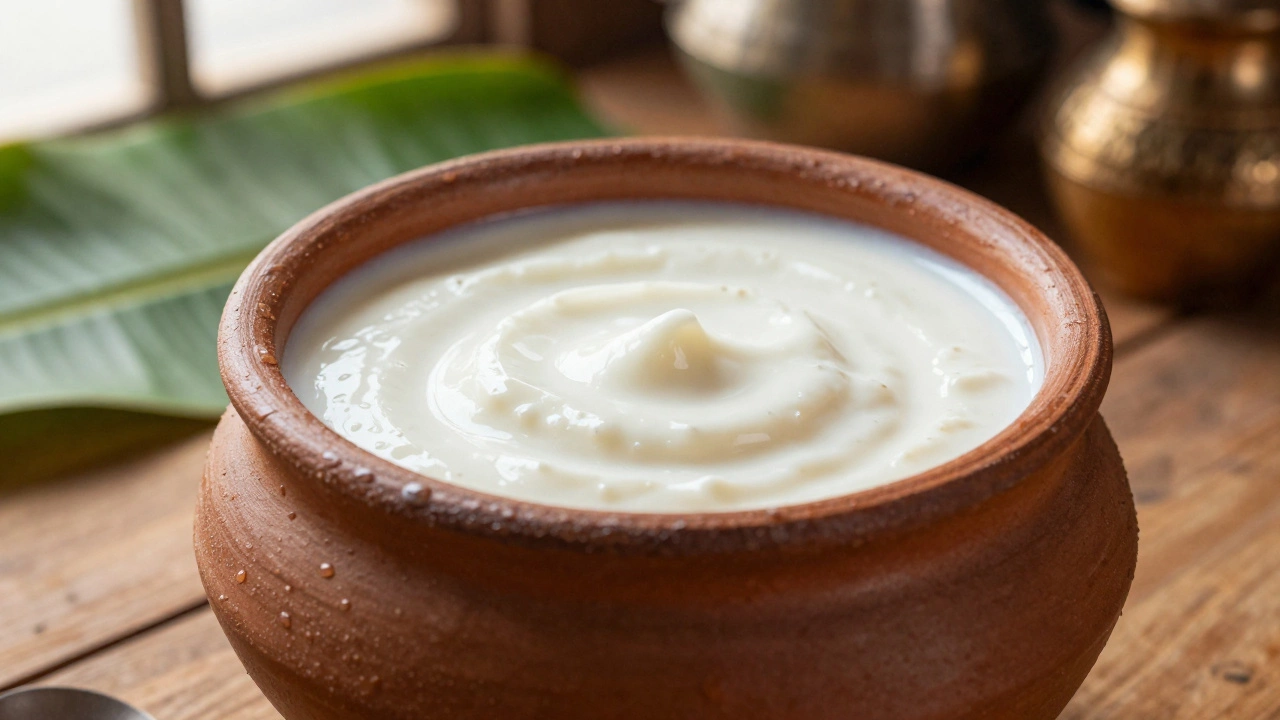
Hundigai: The Living Curd of Karnataka
If you visit the coastal districts of Karnataka, particularly Udupi or Mangalore, you might encounter Hundigai, also known as Hundi, which is a living yogurt culture preserved in clay pots. This is not just yogurt; it is a starter culture that can last for years if maintained correctly. Families pass down their Hundi from generation to generation. The clay pot is never washed with soap, only rinsed with water, to preserve the bacterial colony inside.
Hundigai is used to make idlis, dosas, and curds. The texture is thicker and tangier than regular yogurt. What makes it unique is the ritualistic care it requires. If the culture dies, the family must acquire a new starter from another trusted source. It represents a deep connection between food, tradition, and microbiology long before science explained fermentation. Today, finding authentic Hundigai outside of rural Karnataka is difficult, making it a truly rare culinary experience.
Singara Elish: Raw Fish Curry from West Bengal
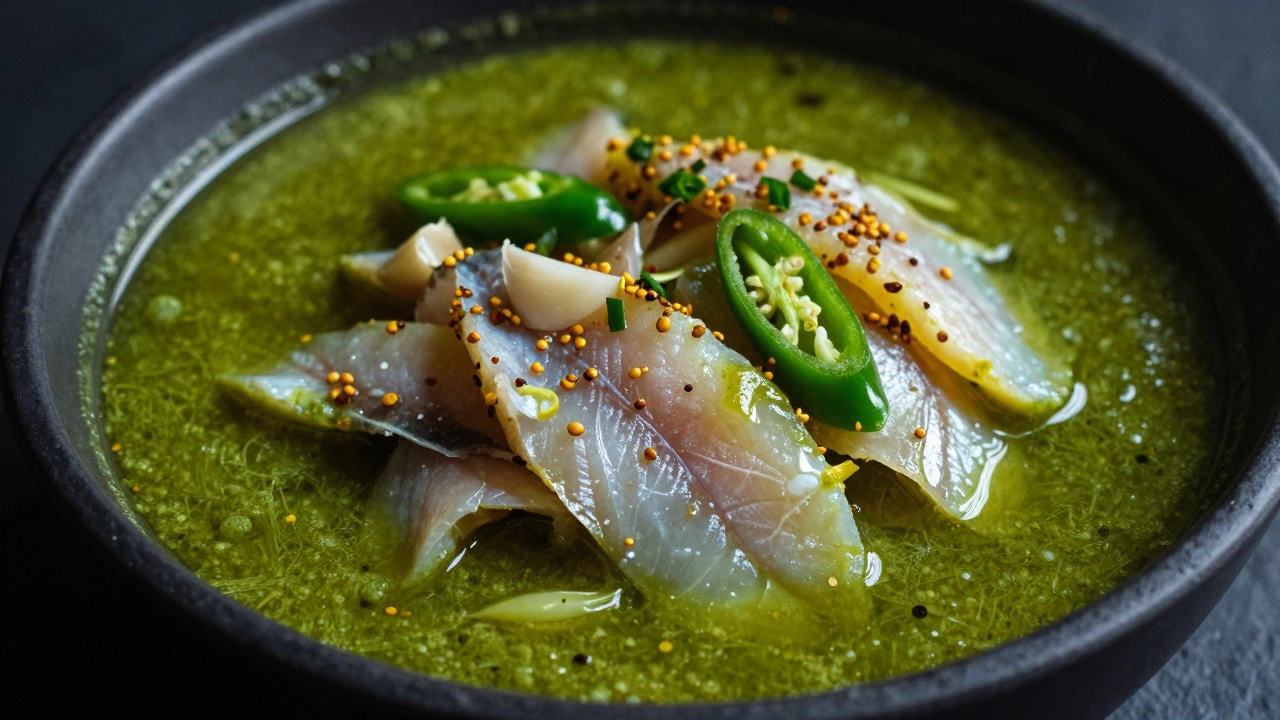
In the deltaic regions of West Bengal, where rivers crisscross the landscape, fish is not just food-it is identity. One of the most controversial yet revered dishes here is Singara Elish, which is a raw fish curry made with pabda fish, mustard paste, and green chilies. Unlike most curries, Singara Elish is served cold and uncooked. The fish is cleaned meticulously, then mixed with a pungent marinade of mustard oil, ground mustard seeds, garlic, and green chilies. It sits for hours, allowing the enzymes in the mustard to "cook" the flesh slightly.
This dish is typically eaten during weddings and festivals. It is believed to have medicinal properties and is often given to new mothers to boost strength. The taste is intense-sharp, earthy, and briny. For someone unfamiliar with raw preparations like ceviche, Singara Elish can be shocking. But for locals, it is the pinnacle of freshness. The key to its uniqueness is the use of Pabda fish, a small, delicate river fish that dissolves on the tongue when prepared this way.
Chhurpi: From Soft Cheese to Hard Candy
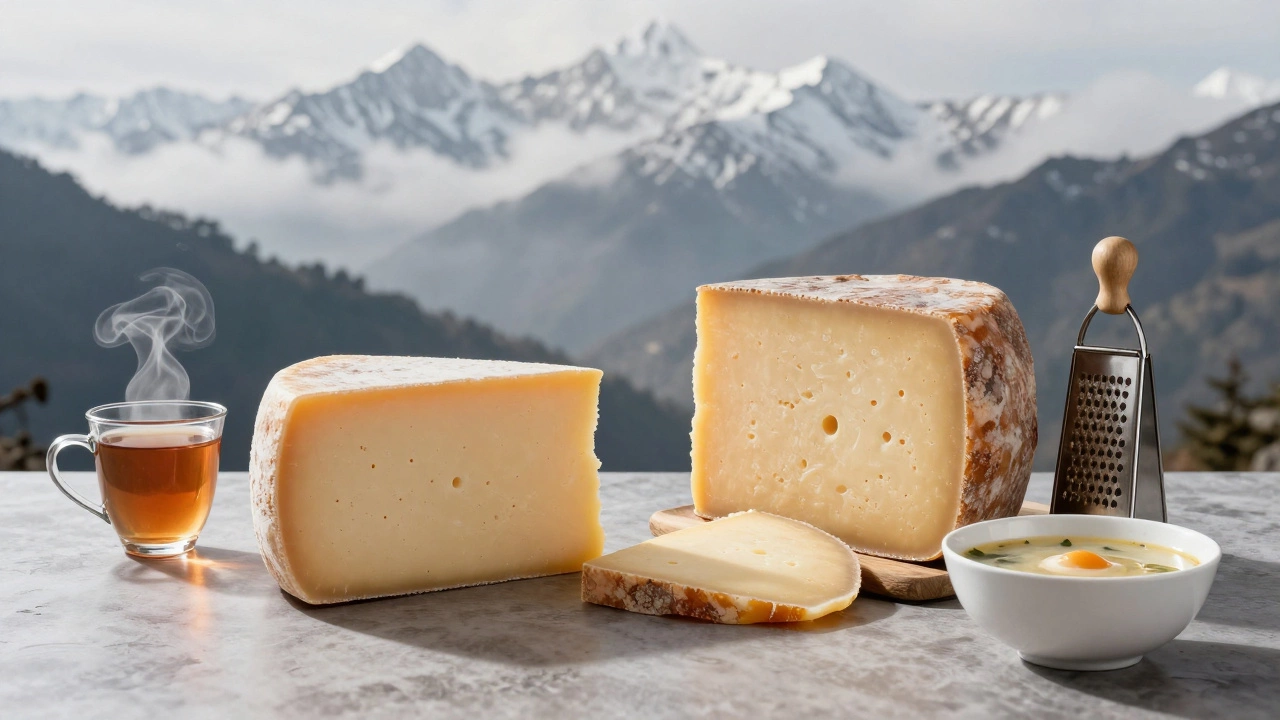
Travel north to the Himalayan state of Sikkim and the Tibetan communities there, and you will find Chhurpi, which is a traditional yak milk cheese that ranges from soft and spongy to hard and rock-like. Chhurpi exists in two forms: young and aged. Young Chhurpi is soft, chewy, and often eaten fresh with tea. Aged Chhurpi, however, is dried until it becomes as hard as stone. It is then grated into soups or chewed slowly like candy.
The aging process can take months or even years. During this time, the cheese develops a strong, funky aroma similar to blue cheese but more intense. In high-altitude regions where refrigeration was historically unavailable, Chhurpi was a vital source of protein and fat. Its uniqueness lies in its versatility and longevity. You can eat it fresh, dry it out, or ferment it further. It is a testament to how harsh environments shape food preservation techniques.
Pachadi: The Raw Vegetable Salad of Tamil Nadu
South Indian cuisine is famous for cooked vegetables, but Pachadi, specifically Raw Pachadi, is a salad made with raw mango, cucumber, coconut, and spices, dressed with tamarind juice. Unlike Western salads that rely on leafy greens, Pachadi focuses on crunch and acidity. The ingredients are chopped finely and tossed in a dressing of tamarind extract, chili powder, and salt. Sometimes, raw jackfruit or carrot is added for extra texture.
What makes Pachadi unique is its role as a palate cleanser. It is often served alongside heavy rice meals to cut through the richness. The combination of sour tamarind, spicy chili, and crunchy coconut creates a complex flavor profile that wakes up the senses. In modern times, many restaurants skip this dish due to food safety concerns regarding raw produce. However, in homes across Tamil Nadu, it remains a staple side dish, especially during summer.
Khar: The Alkaline Sorrel Stew of Assam
In the northeastern state of Assam, nature provides unexpected ingredients. Khar is a traditional stew made with raw papaya or pumpkin, flavored with potash derived from burning banana stems. The secret ingredient is potash (potassium carbonate), which is extracted by burning the fibrous stems of banana plants and collecting the ash. This ash is dissolved in water and filtered to create a clear alkaline solution.
When added to the stew, the potash gives Khar a distinct soapy smell initially, but once cooked, it transforms into a mild, earthy flavor that tenderizes the vegetables. The alkalinity also affects the digestion of the meal. Khar is usually served with steamed rice and pickles. Its uniqueness lies in the chemical transformation involved in cooking. It is a dish that relies on chemistry rather than just heat, showcasing the ingenuity of Assamese cooks in utilizing every part of the banana plant.
Comparison of Unique Indian Dishes
| Dish Name | Region | Key Ingredient | Preparation Style | Flavor Profile |
|---|---|---|---|---|
| Hundigai | Karnataka | Living Yogurt Culture | Fermented | Tangy, Thick |
| Singara Elish | West Bengal | Pabda Fish | Raw/Cured | Sharp, Earthy, Briny |
| Chhurpi | Sikkim/Tibet | Yak Milk | Aged/Dried | Funky, Chewy/Hard |
| Pachadi | Tamil Nadu | Raw Mango/Cucumber | Raw/Salad | Sour, Spicy, Crunchy |
| Khar | Assam | Banana Stem Ash | Alkaline Stew | Earthy, Mild |
How to Try These Dishes at Home
Recreating these unique dishes at home can be challenging but rewarding. Here are some practical tips:
- Source Authentic Ingredients: For Singara Elish, you need fresh Pabda fish, which may require visiting an Asian grocery store or online specialty market. For Khar, look for pre-made potash powder available in Northeastern Indian stores.
- Understand Fermentation: To make Hundigai, start with plain, unsweetened yogurt and a clean clay pot. Keep it warm and avoid contamination. Patience is key.
- Embrace Raw Preparations: When trying Pachadi, ensure all vegetables are thoroughly washed. Use organic produce if possible to minimize pesticide exposure.
- Respect Tradition: Some dishes, like Chhurpi, are best enjoyed in their natural setting. Consider traveling to Sikkim or buying authentic products from reputable artisans.
Why These Dishes Matter
These dishes are not just curiosities; they are windows into India’s diverse cultures. They tell stories of survival, adaptation, and celebration. By exploring them, we gain a deeper appreciation for the complexity of Indian cuisine beyond the usual suspects. Each dish reflects the environment it came from-the rivers of Bengal, the hills of Sikkim, the coasts of Karnataka.
As globalization homogenizes food trends, preserving these unique recipes becomes increasingly important. Supporting local farmers, artisans, and chefs who keep these traditions alive ensures that future generations can experience the full spectrum of Indian flavors. So, the next time you order Indian food, ask your server if they serve anything regional or traditional. You might just discover your new favorite dish.
Is Singara Elish safe to eat?
Yes, when prepared correctly with fresh, high-quality fish and proper hygiene practices. The mustard marinade acts as a preservative and reduces bacterial load. However, pregnant women and immunocompromised individuals should avoid raw fish dishes.
Where can I buy Potash for Khar?
Potash powder is available in specialized Indian grocery stores, particularly those catering to Northeastern communities. Online retailers also sell it under names like "Banana Stem Ash" or "Khar Powder." Ensure it is food-grade.
Can I substitute Yak Milk for Chhurpi?
While traditional Chhurpi uses Yak milk, you can experiment with cow or buffalo milk. The texture and flavor will differ slightly, but the basic process of curdling and drying remains the same. Full-fat milk works best.
How long does Hundigai last?
With proper care, a Hundigai culture can last for several years. It needs to be fed regularly with fresh milk and kept at room temperature. Signs of spoilage include mold or off-odors, in which case the culture should be discarded.
Are these dishes vegetarian?
No, Singara Elish contains fish. Hundigai, Pachadi, and Khar are vegetarian. Chhurpi is dairy-based and suitable for lacto-vegetarians. Always check ingredients if you have dietary restrictions.