Health and Nutrition: Your Guide to Balanced Indian Eating
When thinking about Health and Nutrition, the study of how food choices affect wellbeing, especially in the Indian context. Also known as wellness, it mixes science and everyday habits to help you feel better without giving up flavor. A big part of staying on track is knowing what’s on your plate, and that starts with staple foods like dal, a lentil‑based dish rich in protein and fiber. Dal isn’t just comfort food; its protein‑to‑carb ratio can shape your daily energy levels, and the right type of dal can boost muscle repair while keeping blood sugar steady. Understanding these ratios lets you pair dal with veggies or whole grains for a truly balanced meal, and the facts spill over into everything else you cook.
Why Everyday Choices Matter
Another favorite that often sparks debate is biryani, a layered rice dish packed with spices, meat or vegetables. People label it junk food, yet the truth sits between the layers: the spices bring antioxidant benefits, the rice supplies carbs, and lean protein adds muscle‑building fuel. Swapping excess ghee for a splash of oil or adding extra veggies can flip the nutrition profile without losing the festive feel. Then there’s the humble apple, a widely available fruit that offers low calories, fiber and antioxidants. Knowing the calorie difference between green, red and yellow varieties helps you fit them into snacks or salads without overshooting your daily target. Pairing apple slices with a handful of nuts gives a quick, satisfying boost before a workout or mid‑day slump. Finally, tools like a roti calorie calculator let you gauge the impact of size and flour type, making it easier to stay within your Health and Nutrition goals while enjoying daily staples.
All these pieces connect: the protein in dal supports muscle health, biryani’s spices aid digestion, apple’s fiber steadies blood sugar, and roti calculations keep portion control realistic. By tying together food facts, portion tools, and simple swaps, you build a diet that respects tradition and modern health science. Below you’ll find a curated list of articles that dive deeper into each topic—whether you need the exact protein count in different dal varieties, myth‑busting insights on biryani, or step‑by‑step guides for calculating roti calories. Use the collection to fine‑tune your meals, experiment with healthier twists, and keep enjoying the flavors you love.
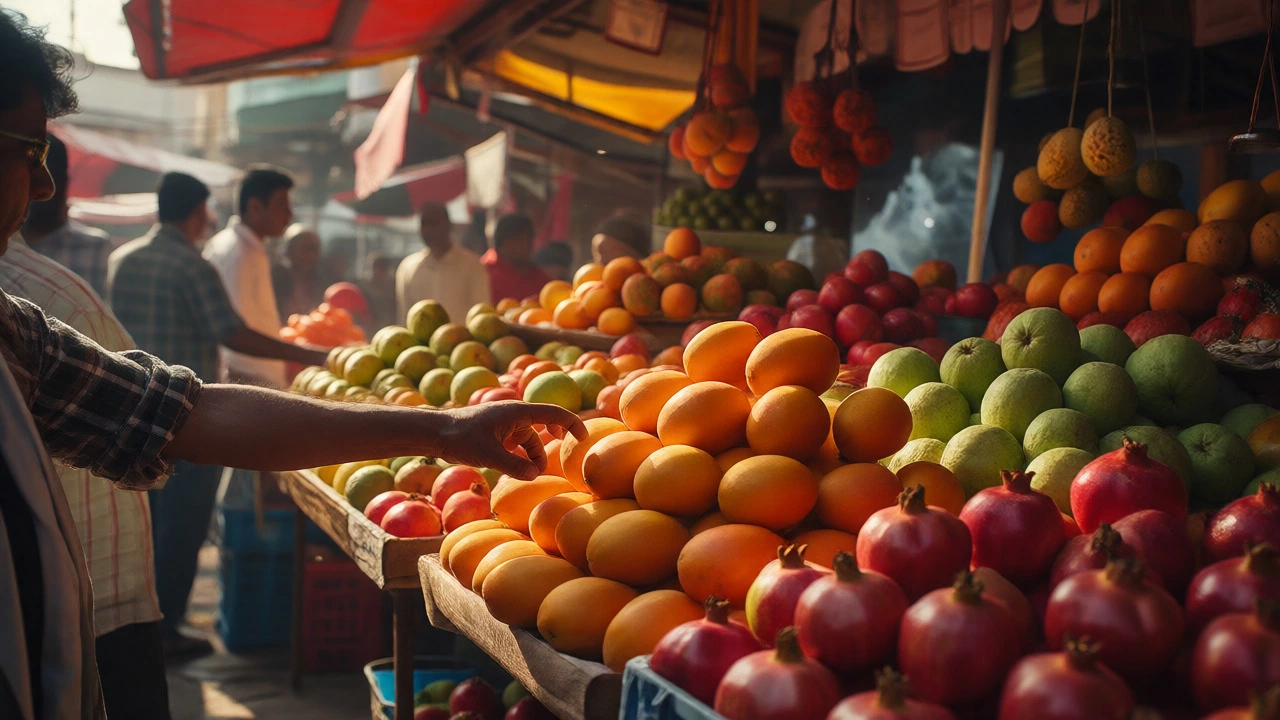
Is It Safe to Eat Fruit in India? A Traveler's Guide
Wondering if you can safely enjoy India's delicious fruits? Learn the golden rules for avoiding 'Delhi Belly' while eating mangoes, bananas, and more.

What Should I Eat If I Crave Junk Food? Healthy Indian Snacks That Actually Satisfy
Stop fighting junk food cravings with willpower alone. Discover delicious, high-protein Indian snacks like roasted makhana and paneer bites that satisfy your taste buds without the guilt.
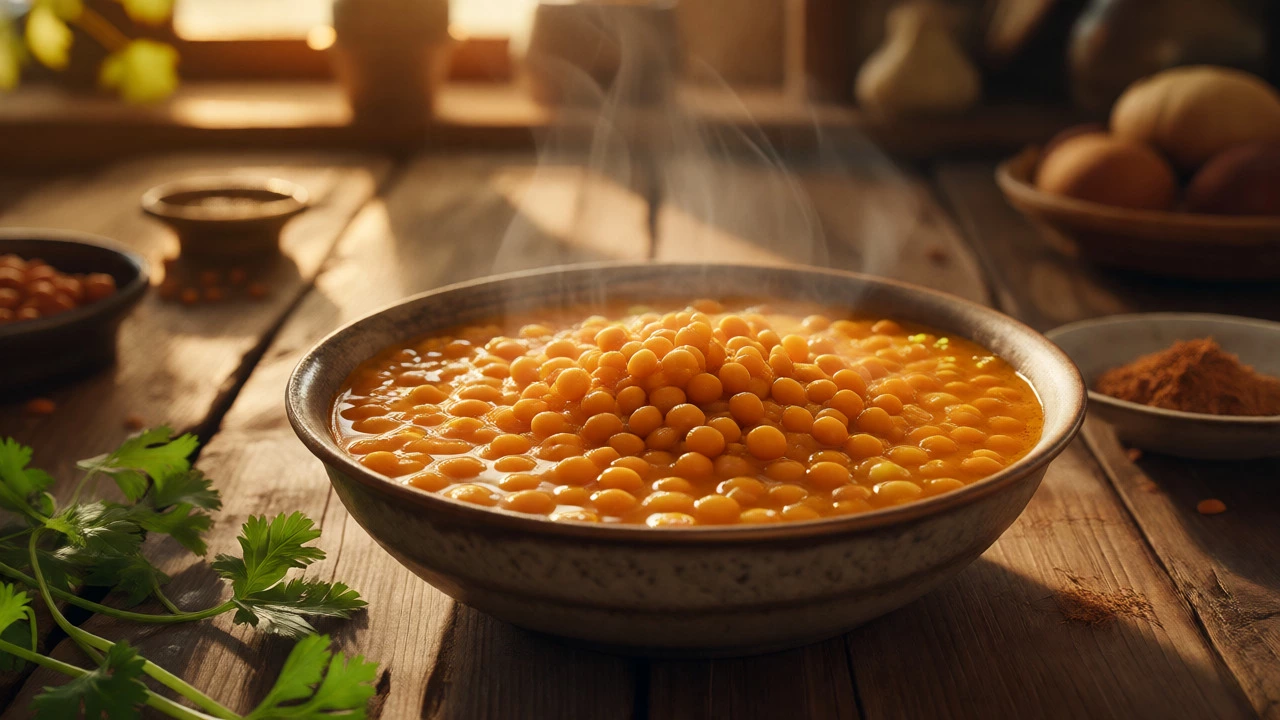
When Should You Not Eat Lentils? Side Effects and Who Should Avoid Dal
Discover when you should avoid eating lentils. Learn about side effects for gout, kidney stones, IBS, and medication interactions. Find out how to make dal easier to digest.

What is the Healthiest Crispy Snack? Top Indian Picks
Discover the healthiest crispy snacks that satisfy cravings without the guilt. Learn why roasted makhana tops the list and how to make your own low-calorie crunch.

Why Are You Craving Crunchy Food? The Science Behind Indian Snacks
Curious why you crave crunchy snacks? Discover the science behind the dopamine hit from chewing and learn how to swap unhealthy chips for healthy Indian alternatives like makhana and baked chivda.
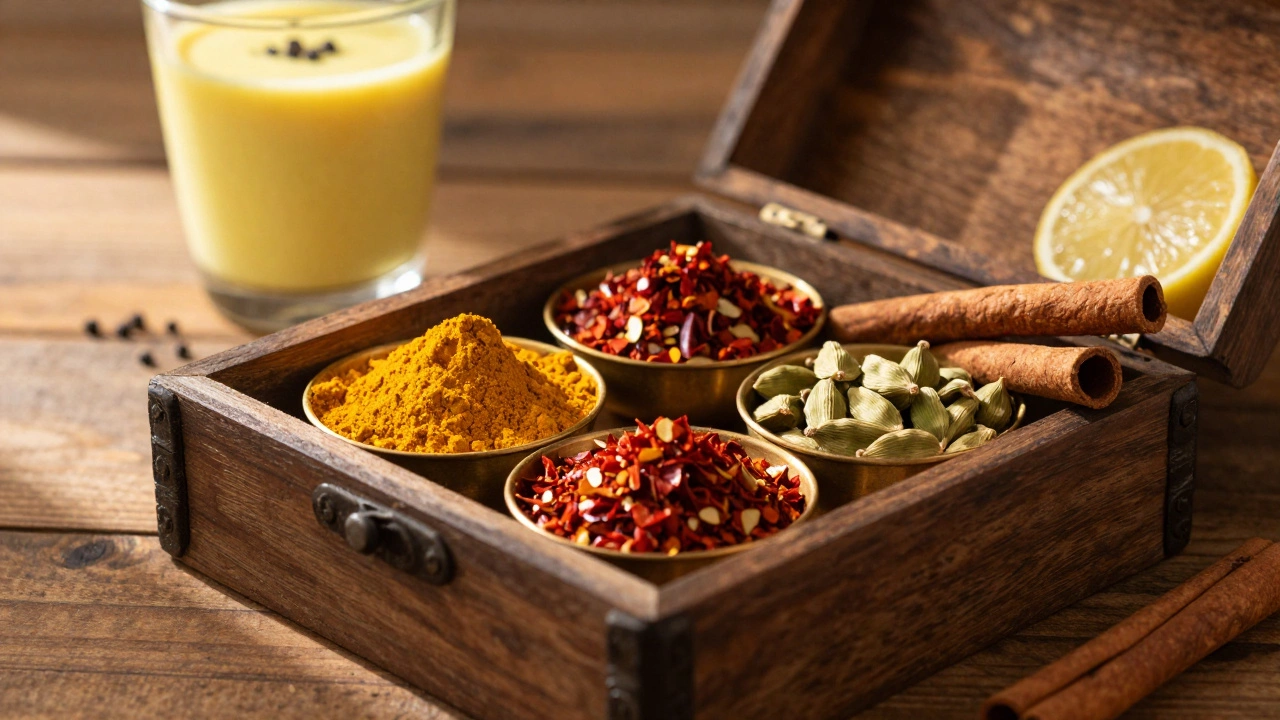
Which Indian Foods Burn Fat? Top Weight-Loss Snacks and Meals
Discover which Indian foods naturally boost metabolism and burn fat. From turmeric and chili peppers to high-protein dals and healthy snacks like makhana, learn how to use traditional ingredients for effective weight loss.
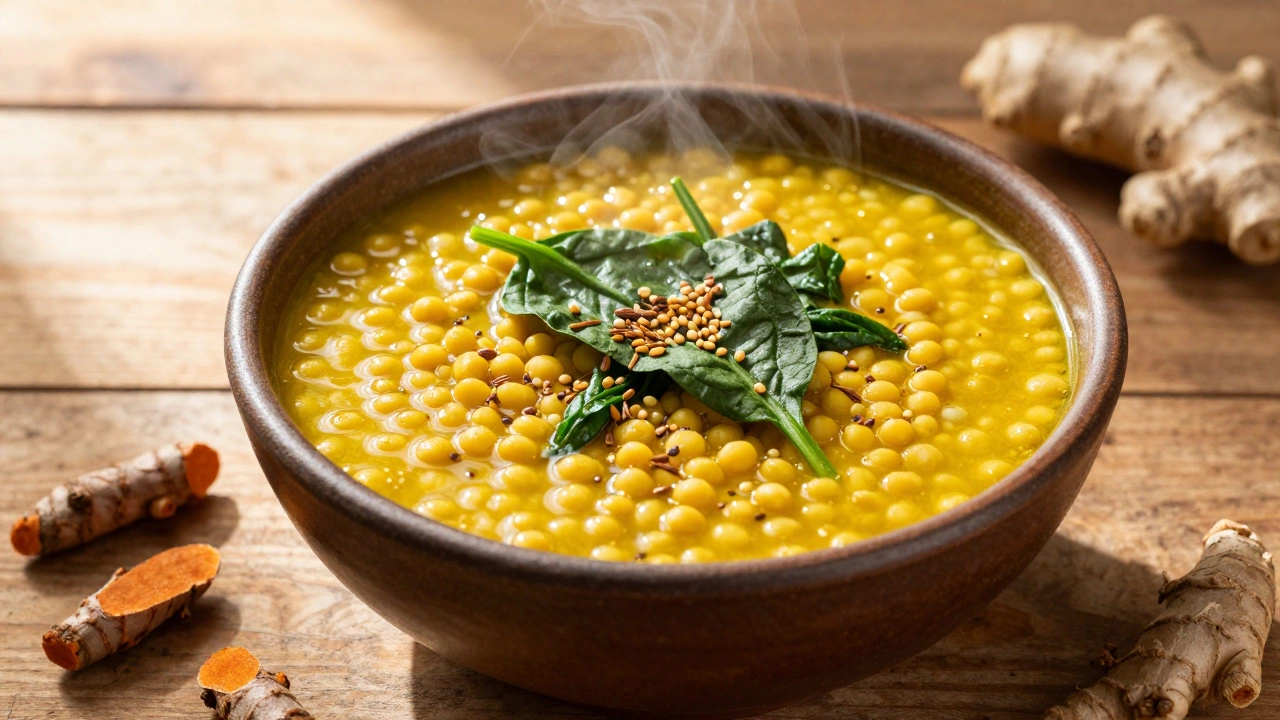
Best Indian Curries for Weight Loss: Low-Calorie Recipes That Taste Great
Discover the best Indian curries for weight loss, including low-calorie dal, lean chicken, and veggie recipes. Learn how spices boost metabolism and smart swaps cut calories.
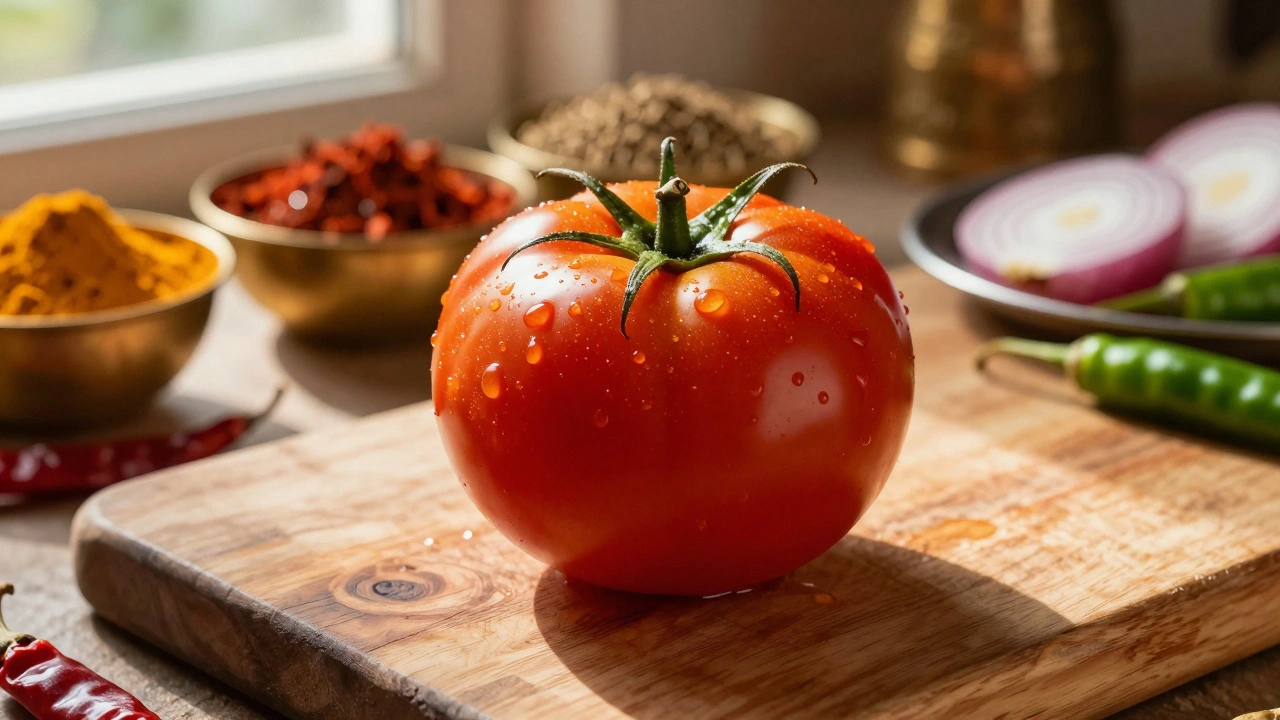
Are Tomatoes Safe to Eat in India? Facts, Risks & Cooking Tips
Are tomatoes safe to eat in India? We explore acidity, allergies, pesticide risks, and nutritional benefits to help you decide if this kitchen staple fits your diet.
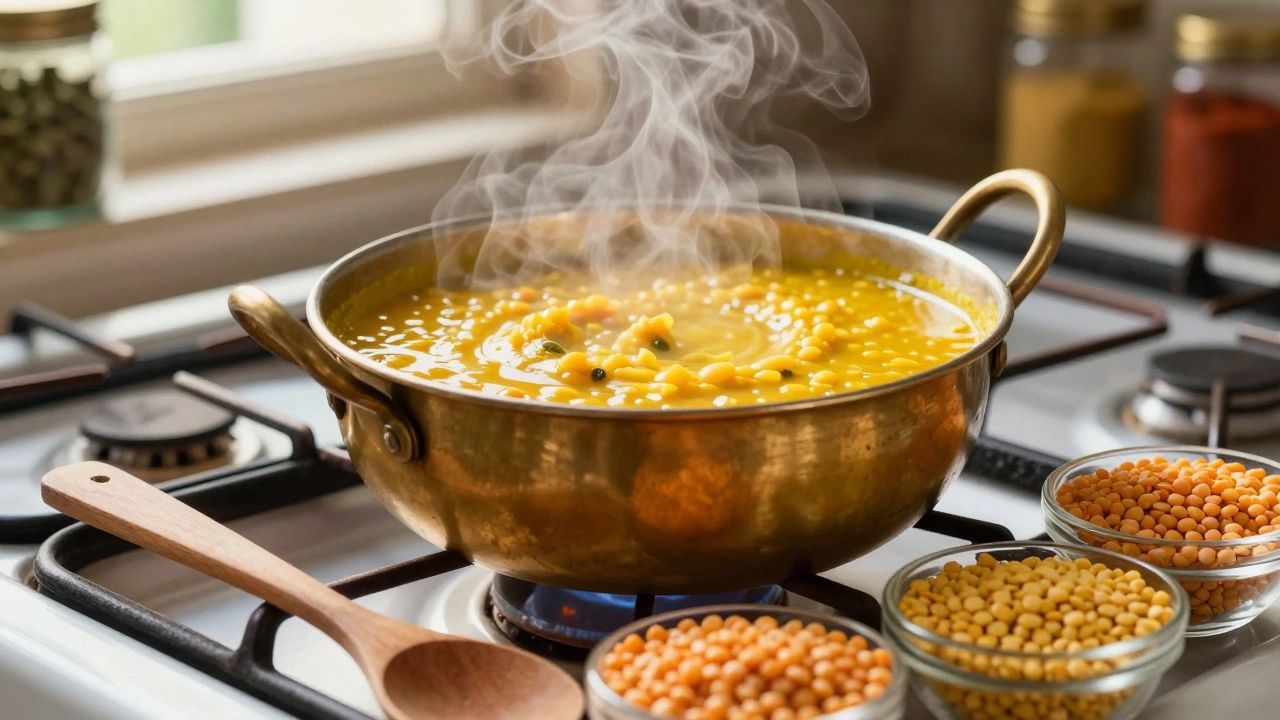
Is Dal Protein or Carb? The Complete Nutritional Breakdown of Indian Lentils
Discover if dal is protein or carb. Learn the exact macronutrient breakdown of popular Indian lentils like Toor, Moong, and Chana Dal, and how to optimize them for health.
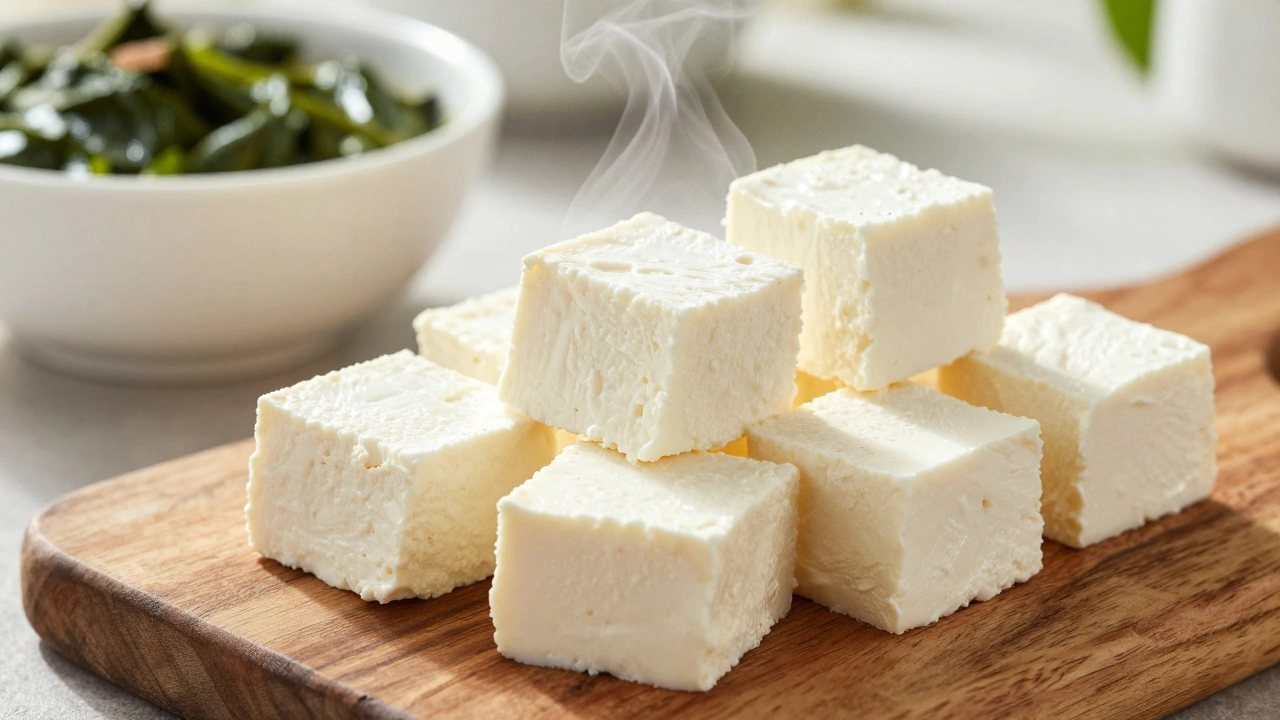
Is It OK to Eat Paneer Every Day? Benefits, Risks, and How Much You Should Eat
Discover if eating paneer daily is healthy. Learn about the nutritional benefits, potential risks like weight gain, and how to incorporate this protein-rich cheese into your diet safely.
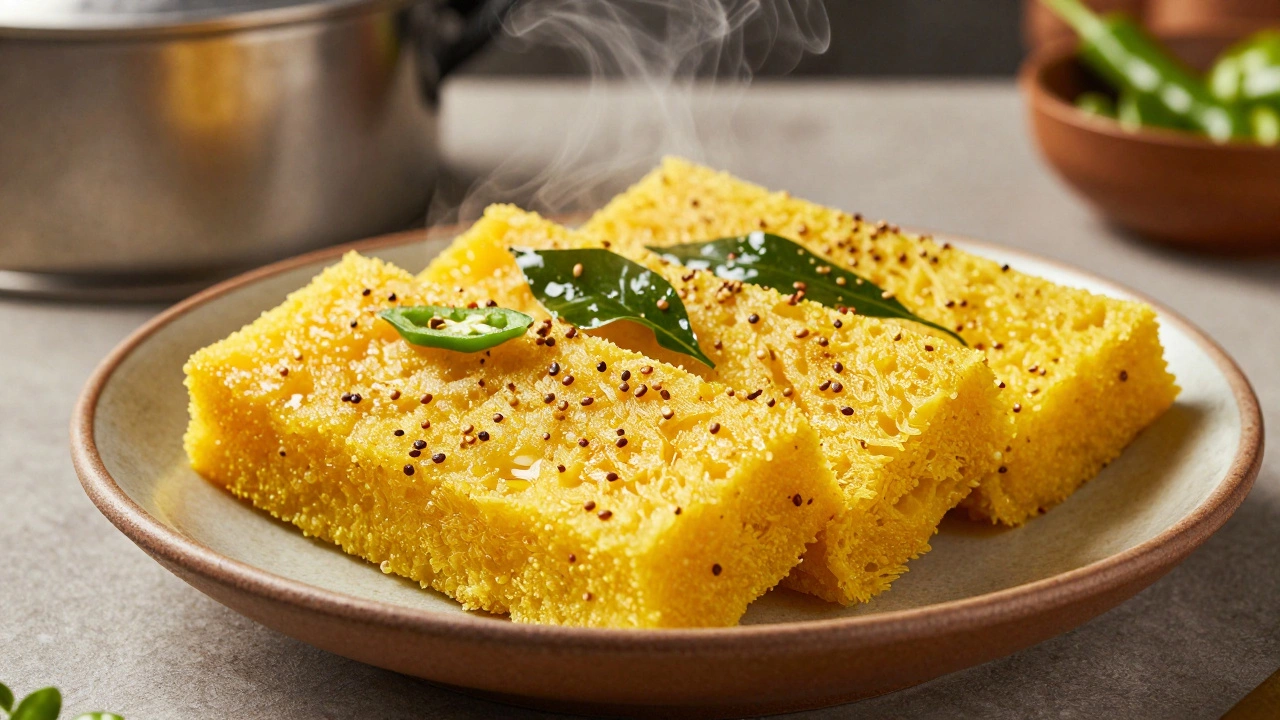
Is Dhokla Healthy? The Ultimate Guide to This Protein-Packed Gujarati Snack
Discover if dhokla is truly a healthy snack. Learn about its protein benefits, fermentation perks, and how it compares to other Indian foods for weight loss and gut health.
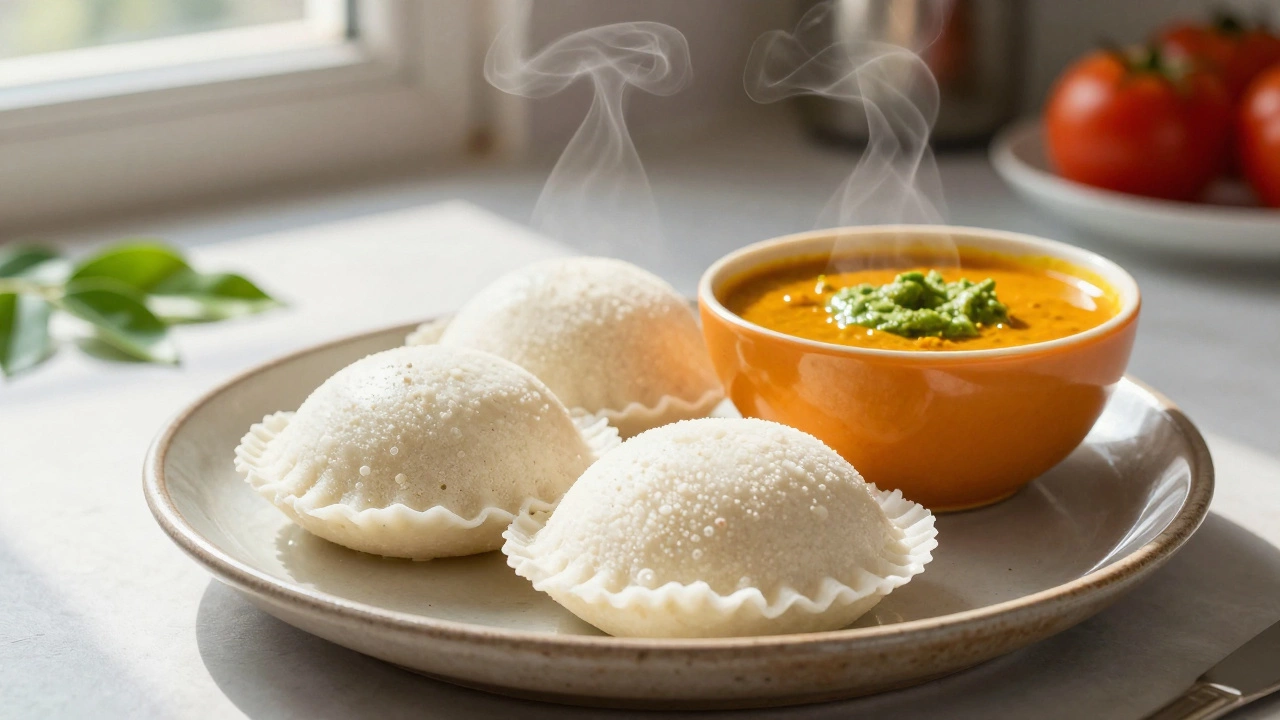
What Is the World's No. 1 Healthy Breakfast? The Indian Answer
Discover why fermented Indian staples like idli and ragi dosa rival global favorites as the world's healthiest breakfast. Learn quick, nutrient-dense recipes for balanced morning meals.