Why Are You Craving Crunchy Food? The Science Behind Indian Snacks
 Aug, 18 2026
Crunch Satisfaction & Satiety Analyzer
Select a snack below to analyze how its texture, sound, and nutrients impact your brain's reward system and fullness signals.
Click a snack to see its profile
Satiety Duration
Have you ever found yourself reaching for a handful of makhana or roasted fox nuts that provide a satisfying snap when you’re not even hungry? Or maybe it’s the crispiness of baked bhujia or low-oil spicy lentil chips that keeps you coming back for more. It feels less like eating and more like a compulsion. But why does that specific crunch hit different? It isn’t just about taste; it’s a complex interplay between your brain chemistry, sensory processing, and evolutionary survival instincts.
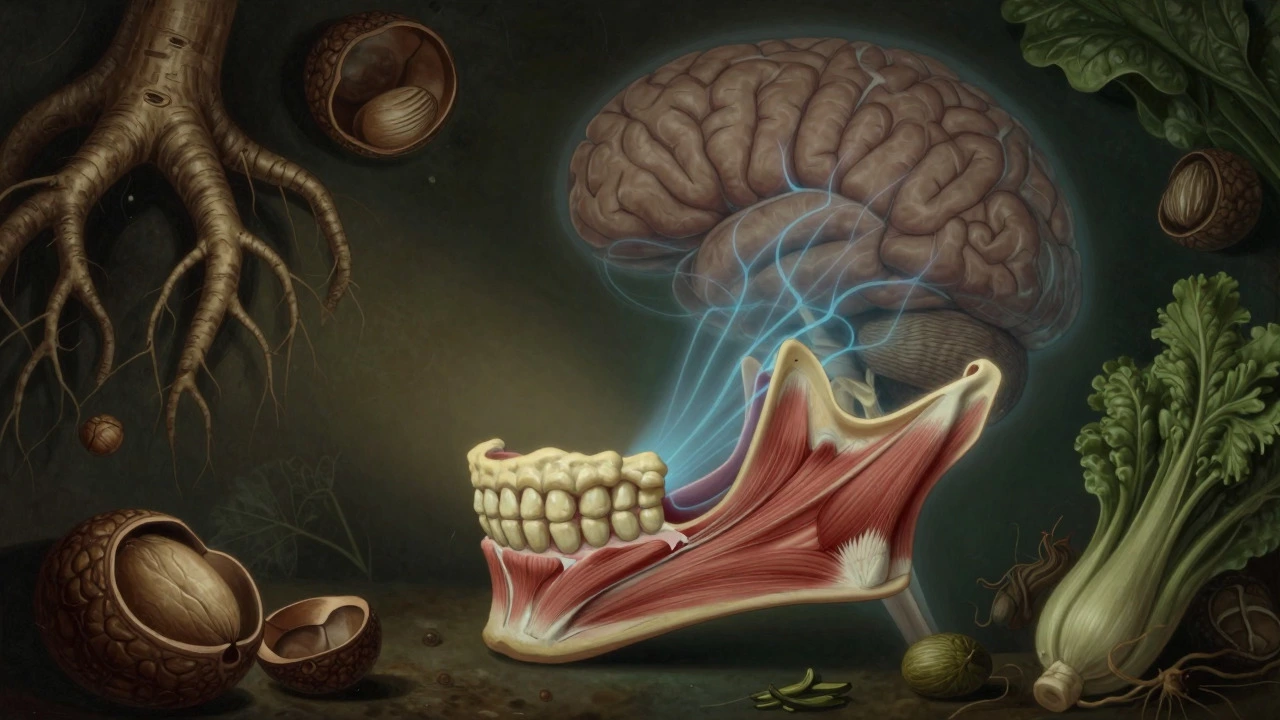
The urge for crunchy textures is often misunderstood as a simple preference for salty or oily foods. In reality, mastication or the act of chewing hard or crisp foods triggers a unique neural pathway that softer foods simply cannot match. When you bite into a crisp papad or thin fermented lentil wafer, your jaw muscles work harder. This physical effort sends signals to your brainstem, which then communicates with the reward centers in your limbic system. The result? A small but distinct spike in dopamine or a neurotransmitter associated with pleasure and reward. This is the same chemical released when you enjoy music or social connection, creating a subtle but powerful association between the sound and feel of crunching and feeling good.
The Sensory Loop: Sound, Texture, and Brain Reward
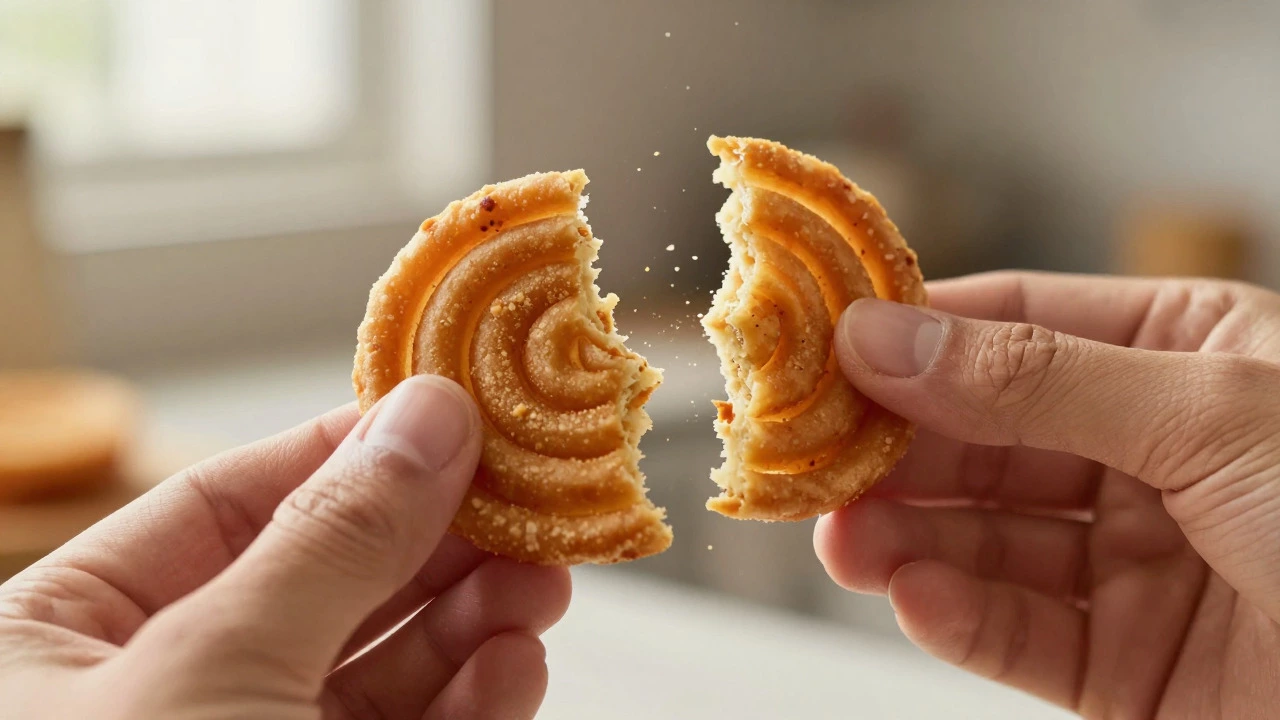
Your brain doesn’t just process food through taste buds. It processes it through multiple senses simultaneously, a phenomenon known as multisensory integration. For crunchy foods, the auditory component is surprisingly critical. The high-frequency "snap" or "crackle" of a well-made chakli or spiral-shaped fried snack made from gram flour activates the auditory cortex. Studies on sensory perception suggest that if you were to eat a crunchy chip while wearing noise-canceling headphones, the satisfaction level drops significantly. The sound confirms the texture. If the food looks crispy but sounds dull, your brain perceives it as stale or low-quality, reducing the reward signal.
This creates a feedback loop. You expect a certain acoustic profile. When you get it, your brain releases a micro-dose of pleasure chemicals. Over time, this can lead to what feels like an addiction. You aren’t necessarily addicted to the ingredients-like flour or oil-but to the sensory experience itself. This explains why many people find plain, unseasoned roasted seeds or nuts more satisfying than heavily processed chips. The pure mechanical action of breaking the structure provides the core reward, making the seasoning secondary.
Evolutionary Roots: Why We Love Hard Foods
To understand modern cravings, we have to look at our ancestors. In prehistoric environments, food sources that required significant chewing effort were often denser in nutrients. Hard-shelled nuts, tough roots, and fibrous vegetables provided sustained energy compared to soft fruits that digested quickly. Our brains evolved to value these high-effort foods because they signaled long-term energy availability. This is why almonds or raw nuts rich in healthy fats and protein and soya chunks or textured vegetable protein pieces feel so grounding. They engage the jaw fully, signaling to the body that substantial fuel is being consumed.
In contrast, many modern ultra-processed snacks are designed to be easy to chew but high in empty calories. However, the human palate still retains its bias for texture. This is where traditional Indian snacks shine. Unlike mass-produced puffs that dissolve instantly, homemade gathiya or thick, crunchy sticks made from wheat flour and spices require real effort. That effort translates to greater satiety. Your brain registers the work done by your jaw as part of the digestive process, helping you feel fuller for longer after eating smaller portions.
Satiety and Digestive Health: The Role of Fiber
Crunchy foods are often associated with high fiber content, which plays a crucial role in how satisfied you feel afterward. Fiber adds bulk to your diet and slows down digestion. When you eat crunchy vegetables like carrots or orange root vegetables high in beta-carotene or celery or green stalks with high water and fiber content, you are consuming insoluble fiber that aids gut health. This physical presence in the stomach stretches the walls, sending fullness signals to the hypothalamus.
However, not all crunchy foods are created equal. Deep-fried snacks may offer the initial crunch but lack the nutritional density to sustain satiety. This is where the choice of preparation method matters. Baking, air-frying, or roasting preserves the structural integrity needed for that satisfying snap without adding excessive saturated fats. For example, oven-baked namkeen or savory Indian snack mixtures using whole grains offers the same textural pleasure as fried versions but with better metabolic outcomes. Your body responds positively to the combination of texture and nutrient density, leading to stable blood sugar levels rather than the crash-and-burn cycle associated with sugary or overly fatty snacks.
Healthy Indian Alternatives for the Crunch Lover
If you feel trapped in a cycle of craving unhealthy chips, the solution isn’t to stop eating crunchy things. It’s to swap them for options that deliver the same sensory reward with better nutritional backing. Indian cuisine is rich in naturally crunchy preparations that fit perfectly into a health-conscious lifestyle. Here are some effective swaps that satisfy the mastication drive without compromising your health goals.
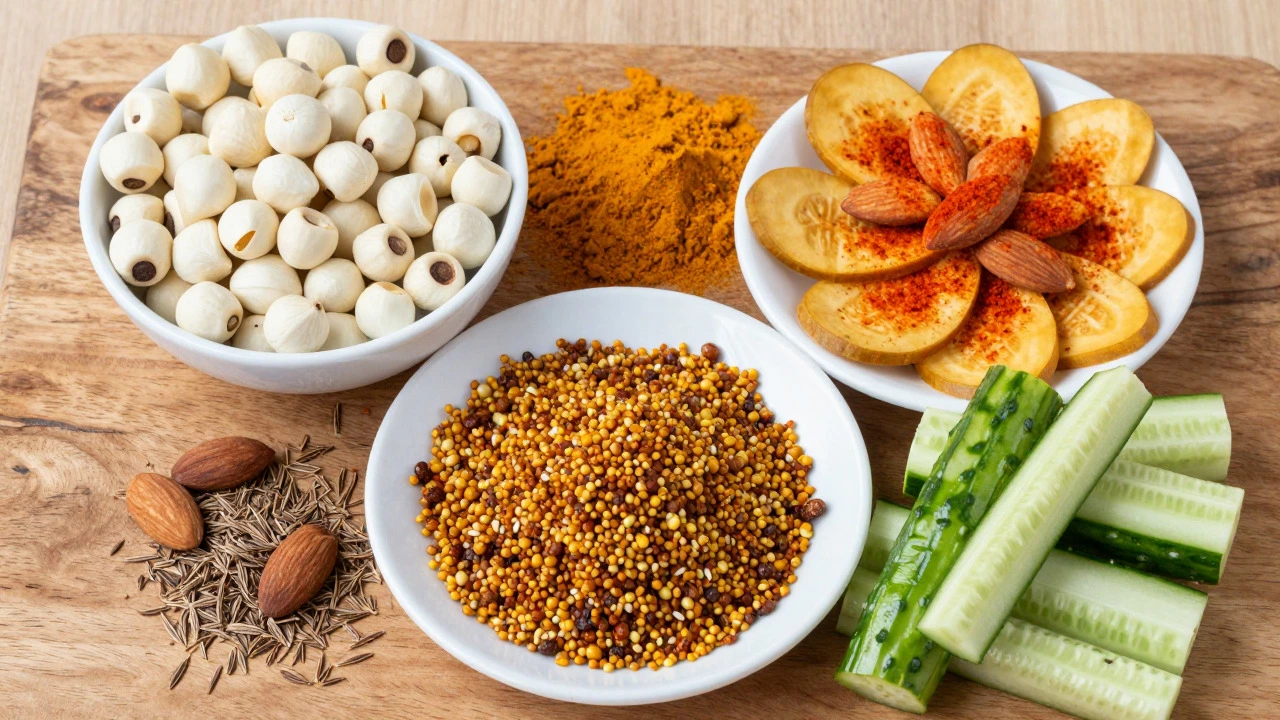
- Roasted Makhana (Fox Nuts): These are light, airy, and pack a punch in terms of crunch. They are low in fat and high in magnesium, which helps reduce stress-related eating. Roast them dry with a pinch of rock salt and black pepper for a savory kick.
- Baked Ragi Chivda: Made from finger millet, this snack is gluten-free and rich in calcium. The addition of peanuts and coconut flakes provides a multi-layered texture that keeps your jaw busy.
- Spiced Almond Slices: Thinly sliced almonds toasted with cumin and chili powder offer a hard, dense crunch. They provide healthy monounsaturated fats that keep you satiated for hours.
- Cucumber and Cabbage Slaws: Fresh vegetables provide a hydrating crunch. Toss them with lemon juice and mustard seeds for a tangy, refreshing alternative to fried namkeen.
- Air-Fried Soya Strips: Marinate soya chunks in turmeric and garam masala, then air-fry until crispy. They mimic the texture of chicken strips but are plant-based and high in protein.
Notice the common thread: these options rely on natural structures for their crunch rather than artificial puffing agents or heavy breading. This means your body gets the sensory satisfaction it craves, along with vitamins, minerals, and fiber it actually needs.
Breaking the Cycle: Mindful Eating Strategies
Even with healthy swaps, the psychological aspect of food addiction remains. To break the automatic reach-for-the-snack habit, try practicing mindful eating. Before you take a bite, pause for three seconds. Listen to the crunch. Feel the resistance of your jaw. Notice the flavor. This conscious engagement amplifies the reward signal from each bite, meaning you need fewer bites to feel satisfied. It transforms eating from a mindless activity into a sensory experience.
Also, pay attention to your environment. If you keep large bowls of snacks within arm’s reach, portion control becomes difficult. Use small plates or individual containers. This visual cue helps your brain register completion sooner. Additionally, stay hydrated. Dehydration is often mistaken for hunger or cravings. Sometimes, what you think is a desire for crunchy food is actually your body asking for water. Drink a glass before reaching for the next handful.
Understanding the Difference Between Habit and Addiction
It is helpful to distinguish between a healthy habit and a problematic addiction. A habit is a behavior you perform regularly, often out of routine. An addiction involves a compulsive need to consume despite negative consequences. If your love for crunchy foods leads to overeating, indigestion, or neglecting meals, it might be slipping into the latter category. Signs include eating until you feel uncomfortably full, hiding snacks, or feeling anxious when your preferred crunchy food is unavailable. Recognizing these signs allows you to intervene early by adjusting your food environment and focusing on balanced nutrition.
| Snack Type | Primary Ingredient | Preparation Method | Fiber Content | Satiety Duration | Health Verdict |
|---|---|---|---|---|---|
| Makhana (Fox Nuts) | Euryale ferox seeds | Dry Roasted | High (3-4g per 100g) | Medium-High | Excellent for weight management |
| Traditional Papad | Lentils (Urad/Gram) | Deep Fried/Baked | Medium | Low-Medium | Good if baked; moderate if fried |
| Commercial Potato Chips | Potato | Deep Fried | Low | Low | Poor; high sodium and fat |
| Ragi Chivda | Finger Millet | Oven Baked | High | High | Excellent; gluten-free option |
| Raw Carrots | Daucus carota | Raw | High | Medium | Best for hydration and vitamins |
Practical Tips for Managing Crunchy Food Cravings
Managing cravings doesn’t mean eliminating them. It means steering them toward healthier choices. Start by keeping a visible supply of healthy crunchy alternatives in your kitchen. If your fridge only contains cookies, you’ll eat cookies. If it contains cut carrots and roasted nuts, you’ll likely grab those instead. This is called environmental design, and it works because willpower is a limited resource. Make the right choice the easy choice.
Experiment with spices. The heat from chili peppers and the aroma of cumin or coriander can enhance the perceived intensity of the crunch. A sprinkle of chaat masala on plain roasted peanuts can make them taste as exciting as heavily seasoned chips. This sensory boost helps satisfy the craving without adding extra calories. Finally, be patient with yourself. Changing long-standing eating patterns takes time. Focus on progress, not perfection. Every time you choose a nutritious crunchy snack over a processed one, you are reinforcing a positive neural pathway.
Is it normal to crave crunchy food constantly?
Yes, it is quite common. The human brain is wired to reward the mechanical action of chewing hard or crisp foods with dopamine. This sensory preference is evolutionary and not necessarily a sign of poor diet habits, provided the foods chosen are nutritious.
What is the healthiest crunchy snack for weight loss?
Roasted makhana (fox nuts) and raw vegetable sticks are among the best options. They are low in calories, high in fiber, and require significant chewing, which promotes satiety and slows down digestion.
Does the sound of crunching affect how tasty food is?
Yes. Auditory cues play a significant role in flavor perception. If a crunchy food lacks its characteristic sound, the brain often perceives it as less fresh or less enjoyable, reducing the overall satisfaction from eating it.
Can I replace fried namkeen with baked versions?
Absolutely. Baking or air-frying namkeen reduces fat content significantly while maintaining the crisp texture. Using whole grain flours and legumes further improves the nutritional profile without sacrificing taste.
Why do I feel full faster after eating crunchy vegetables?
Crunchy vegetables contain high amounts of water and insoluble fiber. The fiber adds bulk to your stomach contents, stretching the stomach walls and sending strong fullness signals to your brain, while the water contributes to volume without adding calories.