Mango Chutney vs. Major Grey's: What’s the Real Difference?
 Oct, 16 2026
Chutney Matchmaker
Not sure which jar to grab? Answer three quick questions to get the perfect recommendation.
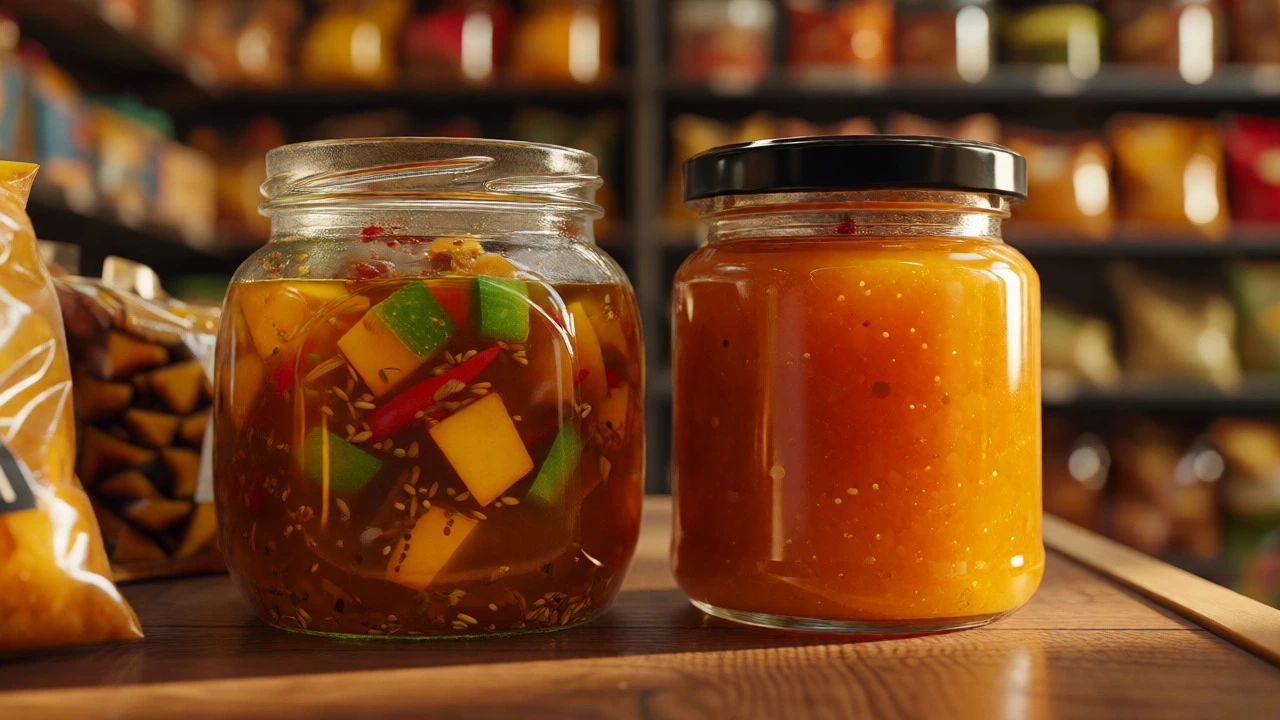
You’re standing in the aisle of your local Indian grocery store or scrolling through an online pantry list, staring at two jars that look suspiciously similar. One says "Mango Chutney." The other screams "Major Grey's Chutney" in bold red letters. You grab one, then hesitate. Are they just marketing gimmicks for the same sticky, orange paste? Do you need both on your shelf?
Here is the short answer: Mango Chutney is a broad category of fruit-based condiments originating from India, while Major Grey's Chutney is a specific commercial brand and recipe style created by Crosse & Blackwell in the UK. Think of it like the difference between "Cola" and "Coca-Cola." All Major Grey's is mango chutney, but not all mango chutney is Major Grey's.
But if you think that’s the whole story, you’re missing out on some serious flavor science. The differences go beyond the label. They affect how you cook, what you pair them with, and why one might taste like a British pub curry while the other tastes like a Mumbai street stall. Let’s break down exactly what separates these two staples so you never buy the wrong jar again.
The Origin Story: Street Food vs. Colonial Export
To understand the taste, you have to look at where they came from. Traditional Indian Mango Chutney is ancient. It’s been part of the subcontinent’s culinary fabric for centuries, evolving regionally across states like Tamil Nadu, Kerala, and Maharashtra. In its authentic form, it’s often fresh, made daily or weekly, using raw or ripe mangoes, chili, cumin, and tamarind. It’s sharp, vibrant, and meant to cut through rich curries.
Major Grey's Chutney, on the other hand, has a very different pedigree. It was launched in the early 1900s by Crosse & Blackwell, a British food company. It wasn’t invented in India; it was engineered for Britain. The goal was to create a shelf-stable, consistent product that could survive long sea voyages and appeal to Western palates accustomed to pickles and jams. Named after Sir Thomas Grey (a fictionalized persona), this chutney was designed to be milder, sweeter, and more uniform than its Indian counterparts.
This history explains the texture and ingredient list. Traditional Indian chutneys vary wildly by household. Major Grey's is standardized. When you open a jar of Major Grey's, you know exactly what you’re getting: a smooth, thick, sweet-sour jam-like consistency. A homemade or artisanal Indian mango chutney might be chunky, spicy, or fermented.
Ingredient Breakdown: What’s Actually Inside?
If you flip the jars over, the ingredient lists tell a clear story. While both use mango as the base, the supporting cast differs significantly.
| Component | Traditional/Artisanal Mango Chutney | Major Grey's Chutney |
|---|---|---|
| Fruit Base | Raw green mango, ripe mango, or mixed. Often includes other fruits like apple or pear depending on region. | Predominantly ripe mango pulp. Sometimes blended with apple or pear for bulk and sweetness. |
| Sweetener | Jaggery, sugar, or no added sugar (if using very ripe fruit). Balance is key. | High sugar content. Corn syrup or glucose-fructose syrup often used for stability and gloss. |
| Acid Source | Tamarind, lemon juice, vinegar, or yogurt. Provides a sharp tang. | Vinegar (usually malt or spirit vinegar) and citric acid. Gives a consistent, pungent sourness. |
| Spices | Cumin, coriander, mustard seeds, fenugreek, dried red chilies, asafoetida. Complex and aromatic. | Ginger, garlic, salt, pepper, and mild spices like cinnamon or cloves. Heat is usually minimal. |
| Texture | Varies: can be watery, paste-like, or chunky with visible fruit pieces. | Smooth, gelatinous, and homogeneous. No large chunks. |
Notice the spice profile. Traditional Indian chutneys rely heavily on whole or ground spices like cumin and mustard seeds, which add earthy depth. Major Grey's leans into ginger and garlic, flavors that are more familiar to a Western palate. The heat level is another giveaway. If you want real chili burn, Major Grey's will let you down. It’s designed to be approachable, not fiery.
Flavor Profile: Sweet, Sour, or Spicy?
Let’s talk about what hits your tongue. This is where the rubber meets the road.
Standard Mango Chutney is a balancing act. In many Indian households, the goal is to complement the main dish. If the curry is creamy and mild (like Korma), the chutney needs acidity and heat to wake up the palate. If the curry is spicy (like Vindaloo), the chutney might be sweeter to cool things down. It’s dynamic.
Major Grey's Chutney is static. It is overwhelmingly sweet with a distinct vinegary kick. It lacks the complex umami notes found in traditional versions because it skips ingredients like asafoetida or roasted cumin. It tastes like candy meets pickle. This makes it predictable, which is great for beginners but limiting for chefs looking for nuance.
Ever tasted a jar that feels "flat"? That’s likely a mass-produced commercial chutney trying to mimic Major Grey's without the quality control. Authentic Indian chutneys have layers. You’ll taste the fruit first, then the spice, then the acid lingering at the back of your throat. Major Grey's hits you with sugar and vinegar immediately, and that’s pretty much it.
Culinary Uses: Where Does Each Shine?
So, when do you reach for which? Here is a practical guide based on decades of kitchen experience.
- Use Major Grey's for:
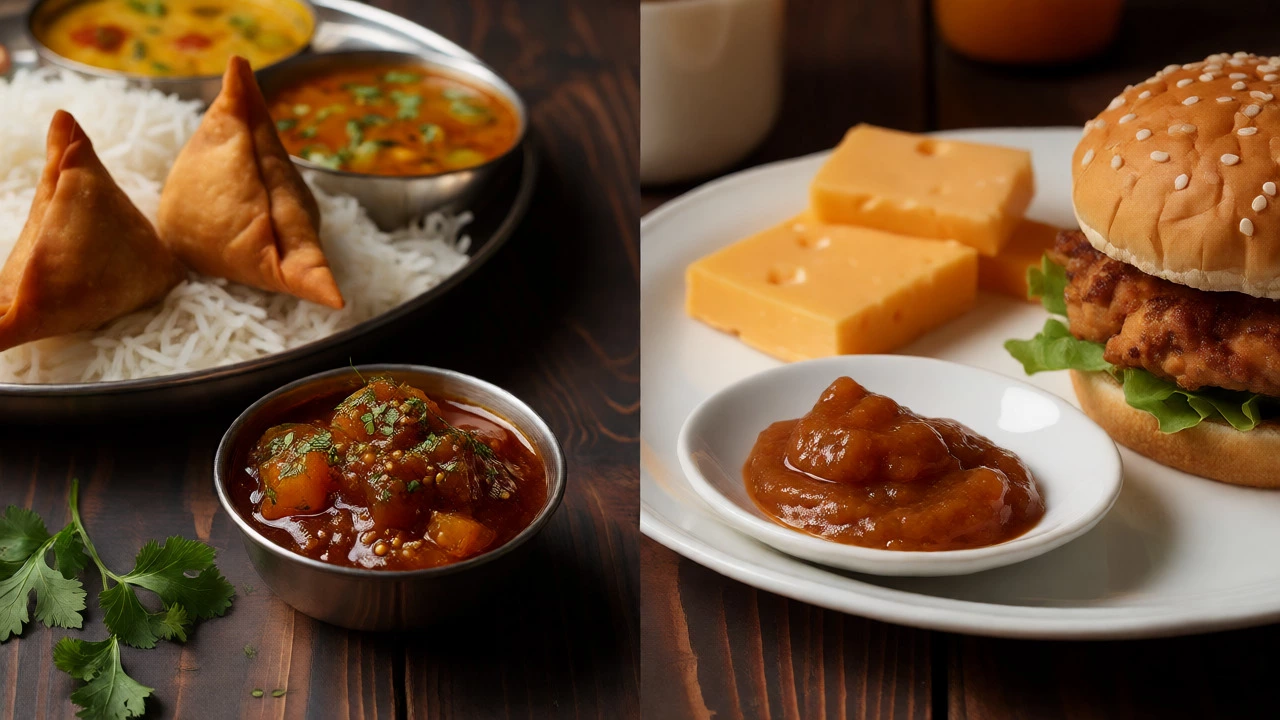
- British-Style Curries: If you’re making Chicken Tikka Masala or Butter Chicken at home and want that restaurant-style balance, Major Grey's is perfect. It adds the sweetness that cuts through the tomato-cream gravy.
- Cheese Boards: Its jammy consistency works beautifully with strong cheeses like Stilton or Cheddar. It acts like a fruit preserve.
- Burgers and Sandwiches: Spread it on a grilled chicken burger. The sweet-sour profile pairs well with savory meats without overpowering them.
- Kids' Meals: Because it’s mild and sweet, children who are wary of spices often accept Major Grey's easily.
- Use Traditional Mango Chutney for:
- Authentic Indian Thalis: Serve alongside rice, dal, and sabzi. The complexity enhances the entire meal rather than just adding sugar.
- Samosas and Pakoras: Dipping fried snacks into a spicy, tangy tamarind-mango chutney is a cultural staple. Major Grey's is too sweet for this.
- Rice Pilafs: Stir a spoonful into plain basmati rice for a quick side dish. The spices infuse the grain.
- Marinades: Mix with yogurt and spices to marinate lamb or chicken. The enzymes and acids tenderize meat better than sugary commercial versions.
I’ve seen people ruin a delicate fish curry by drowning it in Major Grey's. The sugar overpowers the subtle flavors of the fish. On the flip side, serving a heavy, greasy paratha with a thin, watery homemade chutney might feel unsatisfying if you’re expecting that thick, sweet coating. Context matters.
Nutritional Reality Check
Don’t be fooled by the word "fruit." Neither of these is a health food in significant quantities. However, there are differences.
Major Grey's Chutney is essentially a confection. A typical serving contains high amounts of added sugars-often 15-20 grams per tablespoon. It provides quick energy but little nutritional value beyond trace minerals. It’s also highly processed, often containing preservatives like sodium benzoate to ensure it lasts months on a shelf.
Traditional Indian mango chutneys, especially those made at home or by small-batch producers, can be healthier. They might use jaggery instead of refined sugar, which retains some iron and magnesium. They often include probiotics if fermented slightly, or beneficial compounds from spices like turmeric and ginger. But beware: even traditional versions can be high in sugar. Always check the label if you’re watching your glycemic index.
If you’re diabetic or watching your sugar intake, look for "low sugar" or "no added sugar" variants of traditional chutneys. Major Grey's rarely offers low-sugar options because the sweetness is central to its identity.
DIY vs. Store-Bought: Can You Tell the Difference?
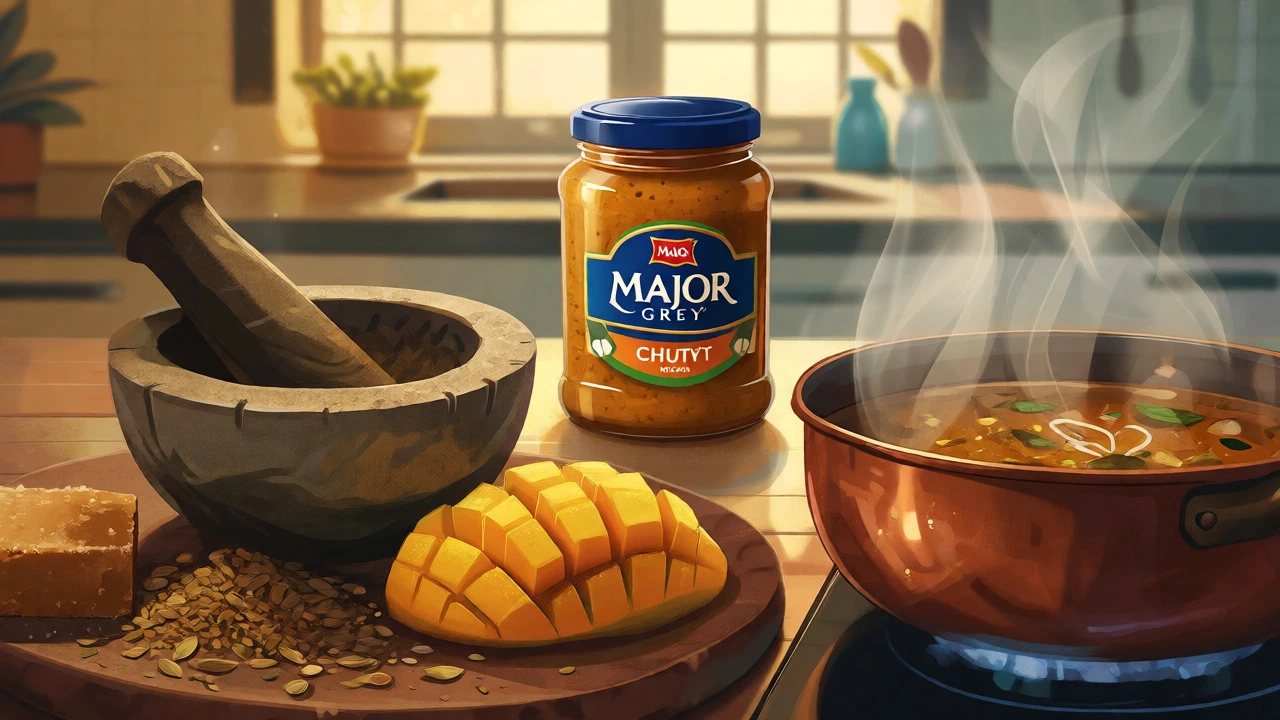
Many people assume store-bought is always inferior. That’s not entirely true. For Major Grey's, buying the original Crosse & Blackwell jar is actually the best way to get that specific nostalgic flavor. Trying to replicate it at home requires precise ratios of vinegar and sugar that are hard to nail without industrial equipment.
For traditional mango chutney, however, DIY wins every time. Making your own allows you to control the heat and tartness. A simple recipe involves simmering chopped raw mangoes with jaggery, tamarind paste, cumin powder, and dried red chilies until it reaches a jammy consistency. It takes 30 minutes and tastes infinitely fresher than anything in a jar.
Pro Tip: If you only have Major Grey's but want a more authentic Indian vibe, doctor it up. Add a pinch of cayenne pepper, a squeeze of fresh lime juice, and a teaspoon of grated fresh ginger. This mimics the complexity of traditional chutney and cuts the cloying sweetness.
Final Verdict: Which One Should You Buy?
It comes down to what you’re cooking and who you’re feeding.
Choose Major Grey's Chutney if you love British-Indian fusion food, need a versatile sweet condiment for cheese or burgers, or want a guaranteed mild flavor that won’t surprise your guests. It’s reliable, widely available, and delicious in its own right.
Choose Traditional Mango Chutney (look for brands like Patak's, Shan, or local artisanal makers) if you are preparing authentic Indian meals, prefer complex spice profiles, or want less sugar and more punch. It’s the choice for purists and flavor hunters.
Why not keep both? Honestly, they serve different roles in the pantry. One is a sweet accent; the other is a savory condiment. Understanding the distinction transforms you from a passive consumer to an intentional cook. Next time you’re at the store, pause, read the label, and decide which journey your taste buds are ready for.
Is Major Grey's Chutney spicy?
Generally, no. Major Grey's Chutney is known for being mild and sweet with a tangy vinegar kick. While it may contain black pepper or a hint of chili, it lacks the significant heat found in many traditional Indian mango chutneys. If you prefer spiciness, you will likely need to add fresh chilies or hot sauce to it.
Can I substitute Major Grey's for regular mango chutney in recipes?
Yes, but expect a change in flavor. Major Grey's is sweeter and less spicy than most traditional mango chutneys. If a recipe calls for traditional chutney and you use Major Grey's, the dish will be sweeter and milder. To compensate, you can add a pinch of cayenne pepper, extra cumin, or a splash of vinegar to restore the balance.
What is the shelf life of mango chutney?
Commercial jars like Major Grey's typically last 6-12 months unopened and should be refrigerated after opening, lasting another 3-6 months. Homemade traditional chutneys, lacking preservatives, usually last 2-4 weeks in the refrigerator. Always check for signs of spoilage like mold or off odors before consuming.
Is mango chutney vegan?
Most mango chutneys are vegan, as they are made from fruit, sugar, vinegar, and spices. However, always check the label. Some variations might use honey as a sweetener or contain dairy-derived additives. Major Grey's original recipe is generally suitable for vegans, but formulations can change, so reading the ingredient list is crucial.
Why does my mango chutney taste bitter?
Bitterness usually comes from burning the spices during cooking or using mangoes that were too raw and underripe without enough sweetener to balance the tannins. In commercial products, bitterness can result from burnt sugar or excessive caramelization during processing. If homemade, try reducing the heat when frying spices and ensuring adequate sugar or jaggery is used.