Dosa Batter Fermentation: How Many Hours Do You Really Need?
 Oct, 13 2026
Dosa Batter Fermentation Estimator & Timer
Stop guessing. Enter your current room temperature to calculate the ideal fermentation window and start a smart timer.
Enter temperature to begin estimation.
Time Remaining until Ideal Window Ends
Fermentation Guidance:
Waiting for input...
Batter Check Time
The estimated window has passed. Use your senses to confirm readiness.
You’ve soaked the rice and urad dal. You’ve ground it into a smooth paste. Now you’re staring at that bowl of white batter, wondering if it’s ready to hit the tawa or if it needs another hour. It’s the most common question in any Indian kitchen during breakfast prep: how many hours does dosa batter ferment? The answer isn’t just one number-it depends on your weather, your starter, and how crisp you want your dosa.
If you rush it, you get dense, rubbery dosas. If you wait too long, it turns sour and watery. Getting this balance right is the difference between a mediocre morning meal and a restaurant-quality experience. Let’s break down exactly what happens during those critical hours so you never have to guess again.
The Sweet Spot: General Guidelines for Time
For most home cooks in India, the ideal fermentation window is 8 to 12 hours. This timeframe allows the natural yeasts and bacteria present in the air (and sometimes added via fenugreek seeds) to multiply and produce carbon dioxide. This gas creates the tiny bubbles that make idlis fluffy and dosas crispy.
However, "ideal" is relative. In Mumbai’s humid warmth, 6 hours might be enough. In Delhi’s winter chill, you might need 14 hours. Here is a quick rule of thumb based on ambient temperature:
- Warm Weather (25°C - 30°C / 77°F - 86°F): 6 to 8 hours. Check frequently after 6 hours.
- Moderate Weather (20°C - 25°C / 68°F - 77°F): 8 to 10 hours. This is standard for most parts of India during spring/autumn.
- Cold Weather (Below 20°C / 68°F): 12 to 14+ hours. You may need an external heat source.
Notice that I didn’t say "overnight." While overnight works, it’s not a fixed rule. If you start grinding at 2 PM in summer, checking at 8 PM is smarter than blindly waiting until 6 AM.
Why Temperature Matters More Than Clock Time
Fermentation is biological activity. It’s driven by microorganisms, specifically lactic acid bacteria and wild yeast. These organisms don’t look at clocks; they react to temperature. Think of them like people working in a factory. When it’s warm, they work fast. When it’s cold, they slow down.
The optimal temperature range for these microbes is between 25°C and 30°C. Below 20°C, their metabolic rate drops significantly, meaning the batter won’t rise properly even if you wait 24 hours. Above 35°C, the risk of over-fermentation increases because the bacteria produce acid faster than the yeast produces gas, leading to a sour taste without sufficient volume increase.
| Ambient Temp (°C) | Ambient Temp (°F) | Estimated Time | Risk Factor |
|---|---|---|---|
| < 18°C | < 64°F | 14+ hours | Under-fermentation (dense texture) |
| 18°C - 24°C | 64°F - 75°F | 10 - 12 hours | Low risk, steady rise |
| 25°C - 30°C | 77°F - 86°F | 6 - 8 hours | Monitor closely for sourness |
| > 30°C | > 86°F | 4 - 6 hours | High risk of over-fermentation |
Signs Your Batter Is Ready (Don't Trust the Clock)
Instead of setting a timer, use your senses. Experienced cooks know that visual and olfactory cues are far more reliable than hours passed. Here’s what to look for:
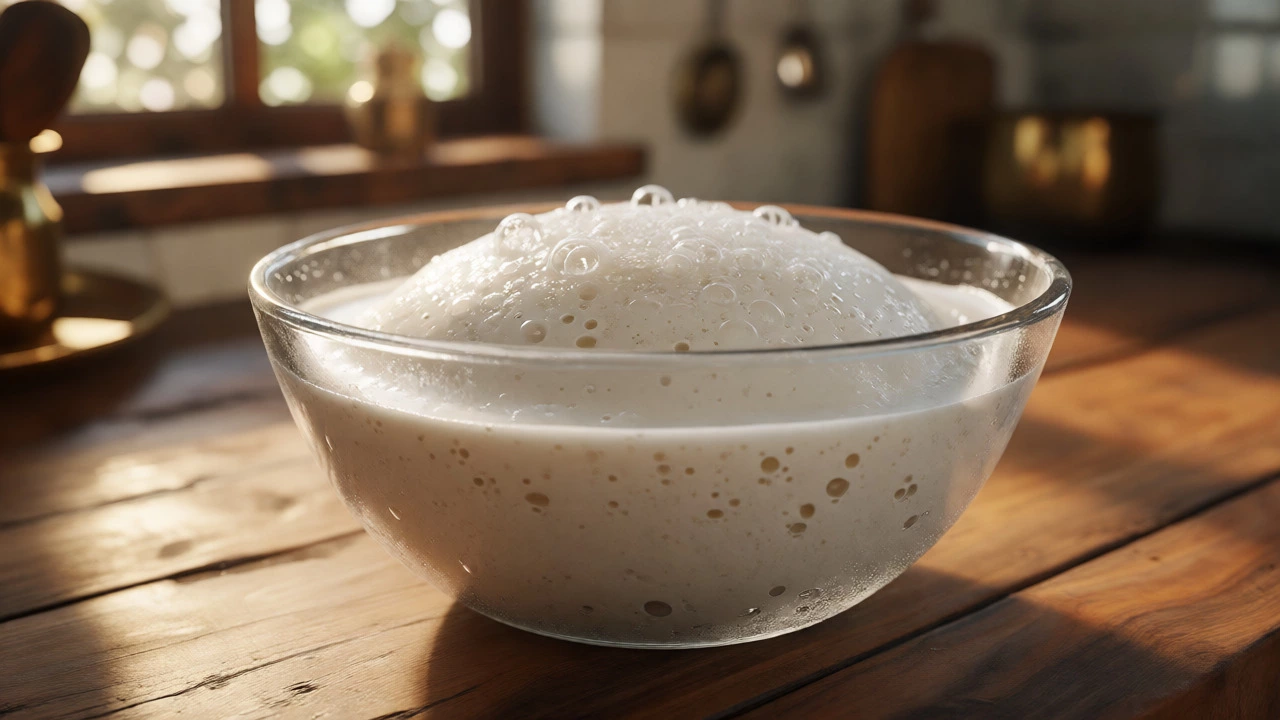
- Volume Increase: The batter should roughly double in size. If it hasn’t expanded, it’s not done.
- Bubbles: Look for small, uniform bubbles throughout the mixture, not just on the surface. A frothy top layer indicates active yeast.
- Aroma: It should smell slightly tangy but pleasant, similar to yogurt or buttermilk. If it smells like vinegar or acetone, it’s over-fermented.
- Texture: It should feel light and airy when stirred. If it feels heavy or slimy, something went wrong with the ratio or hygiene.
If you lift a spoonful and it falls back slowly, leaving a trail on the surface, that’s perfect consistency. If it runs off immediately like water, it’s likely over-fermented or had too much water added during grinding.

Troubleshooting: What If It’s Not Rising?
Sometimes, despite waiting 12 hours, the batter remains flat. This usually happens due to three reasons: cold environment, old ingredients, or insufficient salt.
First, check your ingredients. Urad dal provides the protein structure that traps gas. If your dal was stored for over a year, its viability decreases. Always use fresh pulses. Second, salt plays a crucial role. Adding salt before fermentation helps regulate bacterial growth. Without salt, bad bacteria can outcompete the good ones, preventing proper rise.
If your kitchen is cold, here are some proven hacks to boost fermentation:
- The Oven Method: Turn your oven light on (but keep the oven off). The bulb generates enough gentle heat to maintain ~25°C. Place the batter inside.
- Hot Water Bath: Place the container of batter inside a larger pot filled with warm (not boiling) water. Cover both pots with a lid to trap heat.
- Instant Pot/Yogurt Mode: If you have an Instant Pot, use the 'Yogurt' setting set to 'Normal'. It maintains a consistent 38°C-40°C, which is quite high, so reduce time to 4-5 hours.
- Add a Starter: Mix in a tablespoon of previously fermented batter or a pinch of methi (fenugreek) seeds while grinding. Fenugreek contains mucilage and natural bacteria that kickstart the process.
Can You Over-Ferment Dosa Batter?
Yes, absolutely. And it ruins the dish. Over-fermentation occurs when the bacteria consume all available sugars and produce excessive lactic acid. The batter becomes very sour, loses its structural integrity, and turns watery.
What happens if you cook over-fermented batter?
- Idlis: They turn hard, dense, and yellowish instead of white and soft.
- Dosas: They tear easily, stick to the pan, and lack the characteristic golden crispiness.
- Taste: The sharp acidity overwhelms the subtle flavor of the rice and dal.
If you suspect over-fermentation, you can try adding a little fresh, unfermented batter to dilute the acidity, but it rarely restores the original quality. Prevention is better than cure here. In hot months, move the batter to the refrigerator once it doubles in volume to halt further fermentation.
Storage and Re-use: Keeping Batter Fresh
Fermented batter doesn’t last forever. Once it reaches peak fermentation, it enters a decline phase. For best results, use it within 24 to 48 hours.
Here’s how to manage storage:
- Refrigeration: After the initial 8-12 hour fermentation, stir the batter gently to release excess gas, then cover tightly and refrigerate. Cold slows down bacterial activity significantly.
- Freezing: Yes, you can freeze dosa batter! Portion it into zip-lock bags, flatten them, and freeze. Thaw overnight in the fridge before using. Note that frozen batter may require a slight addition of water to adjust consistency.
- Room Temperature: If left out, use within 12-16 hours max in summer. In winter, maybe 24 hours, but the taste will degrade daily.
Pro tip: Never use a wet spoon to scoop batter from the main container. Introducing moisture encourages mold growth. Use a dry, clean ladle every time.
Common Myths About Fermentation
Let’s clear up some confusion. One big myth is that you must add yeast. Traditional South Indian dosa batter relies on wild fermentation-no commercial yeast needed. The bacteria live naturally on the husks of the urad dal and in the air. Adding yeast makes it behave more like bread dough, resulting in a different texture-softer but less authentic.
Another myth is that more water equals better fermentation. Actually, thicker batter ferments slower but yields crisper dosas. Thinner batter ferments faster but can become runny. Aim for a pouring consistency similar to pancake batter before fermentation starts.
Finally, some believe that stainless steel containers inhibit fermentation. This is false. Stainless steel is non-reactive and safe. Glass or ceramic are also excellent choices. Avoid aluminum, as acidic batter can react with the metal, altering taste and color.
How do I know if my dosa batter has spoiled?
If the batter has a foul, rotten smell, visible mold spots (green or black), or a slimy texture that doesn't improve after stirring, it has spoiled. Normal fermented batter should smell tangy and pleasant, like yogurt. Discard any batter that smells distinctly alcoholic or putrid.
Can I ferment dosa batter in the fridge?
Yes, but it takes much longer. Refrigerator temperatures (around 4°C) slow down bacterial activity significantly. It can take 24 to 36 hours to ferment properly in the fridge. This method is useful for controlling over-fermentation in hot weather, but ensure the container is large enough to allow expansion.
Does adding fenugreek seeds help fermentation?
Yes, fenugreek (methi) seeds are highly effective. They contain natural mucilage and beneficial bacteria that accelerate fermentation and improve the texture of the dosa. Add about 1-2 teaspoons of fenugreek seeds per cup of urad dal while soaking. This is especially helpful in colder climates where natural fermentation is slow.
Why is my dosa batter not rising?
Common reasons include low ambient temperature, old or stale urad dal, insufficient soaking time, or lack of salt. Ensure your dal is fresh, soak for at least 6-8 hours, grind with minimal water, and add salt before fermenting. If the room is cold, use an oven light or warm water bath to provide necessary heat.
Is fermented dosa batter healthy?
Yes, fermentation increases the bioavailability of nutrients like B vitamins and minerals. It also breaks down anti-nutrients such as phytic acid, making the proteins and carbohydrates easier to digest. The probiotics formed during fermentation support gut health, though cooking kills most live cultures, the nutritional benefits remain.