Closest Cheese to Paneer: Best Substitutes for Indian Cooking
 Oct, 2 2026
Paneer Substitute Finder
Select your cooking scenario to find the closest match to authentic paneer.
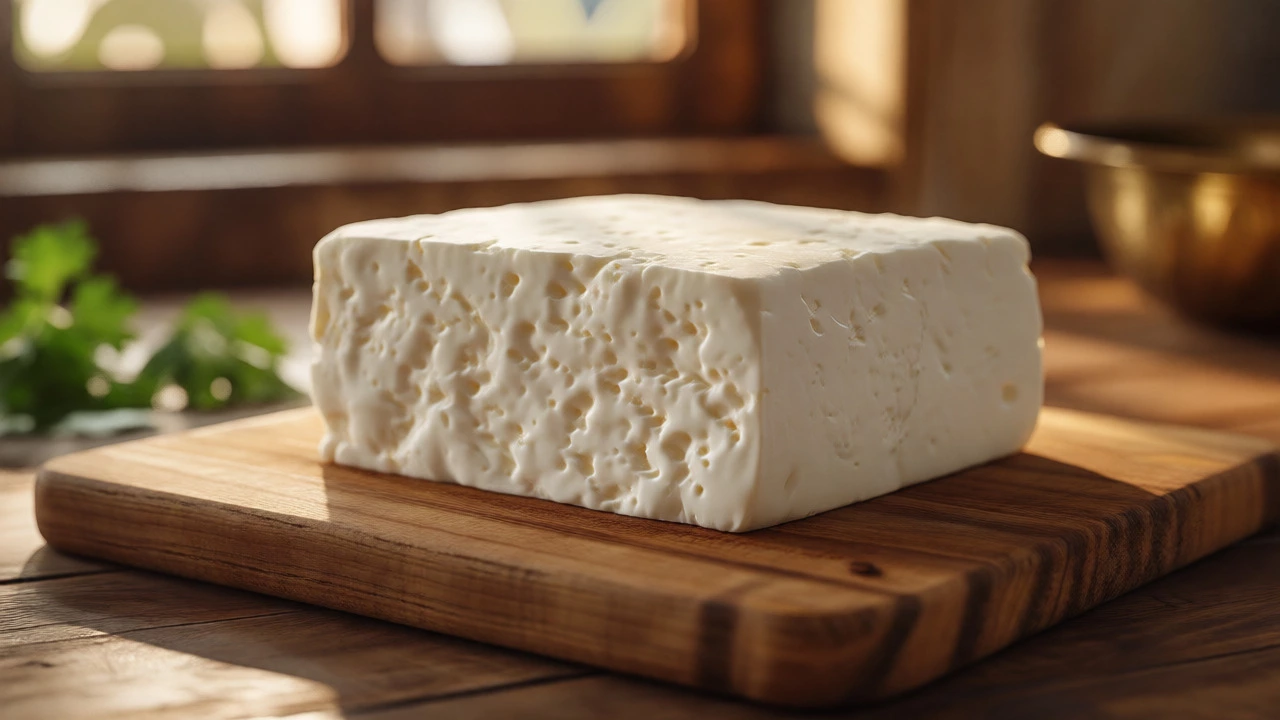
You’re standing in the grocery aisle, staring at a block of white cheese that looks nothing like the soft, spongy paneer you grew up eating. You need it for a curry, but you can’t find authentic Indian paneer. Or maybe you’re trying to make homemade paneer and failed because your milk curdled into rubbery chunks instead of soft cubes. The question isn't just about taste; it's about texture and behavior under heat. So, what is the actual closest match?
The short answer? There is no single perfect substitute that replicates paneer’s unique combination of mild flavor, high moisture retention, and non-melting structure. However, depending on your dish, three specific cheeses come dangerously close: Halloumi, a brined cheese from Cyprus that holds its shape when grilled, Firm Tofu, which mimics the protein structure without dairy, and Cottage Cheese, when pressed and drained correctly. Each has distinct pros and cons. Let’s break down which one fits your recipe best.
Why Paneer Is Hard to Replace
To find a substitute, you first need to understand what makes paneer special. It’s not just "white cheese." It’s an acid-set fresh cheese made by curdling hot milk with lemon juice or vinegar. This process creates a coagulated protein network that traps water but doesn’t melt when heated. Unlike cheddar or mozzarella, paneer doesn’t have rennet (usually) and isn’t aged. It’s meant to be eaten fresh, within days.
This lack of aging means paneer has a neutral, milky flavor that absorbs spices beautifully. It also means it has a crumbly yet cohesive texture. When you bite into good paneer, it should yield slightly, then give way cleanly. If you try to use a melting cheese like mozzarella in a palak paneer, you’ll end up with a stringy, oily mess. If you use a hard cheese like parmesan, you’ll get salty shards that don’t soak up gravy. The goal is to find something that stays cubed, tastes mild, and feels tender.
Halloumi: The Texture Twin
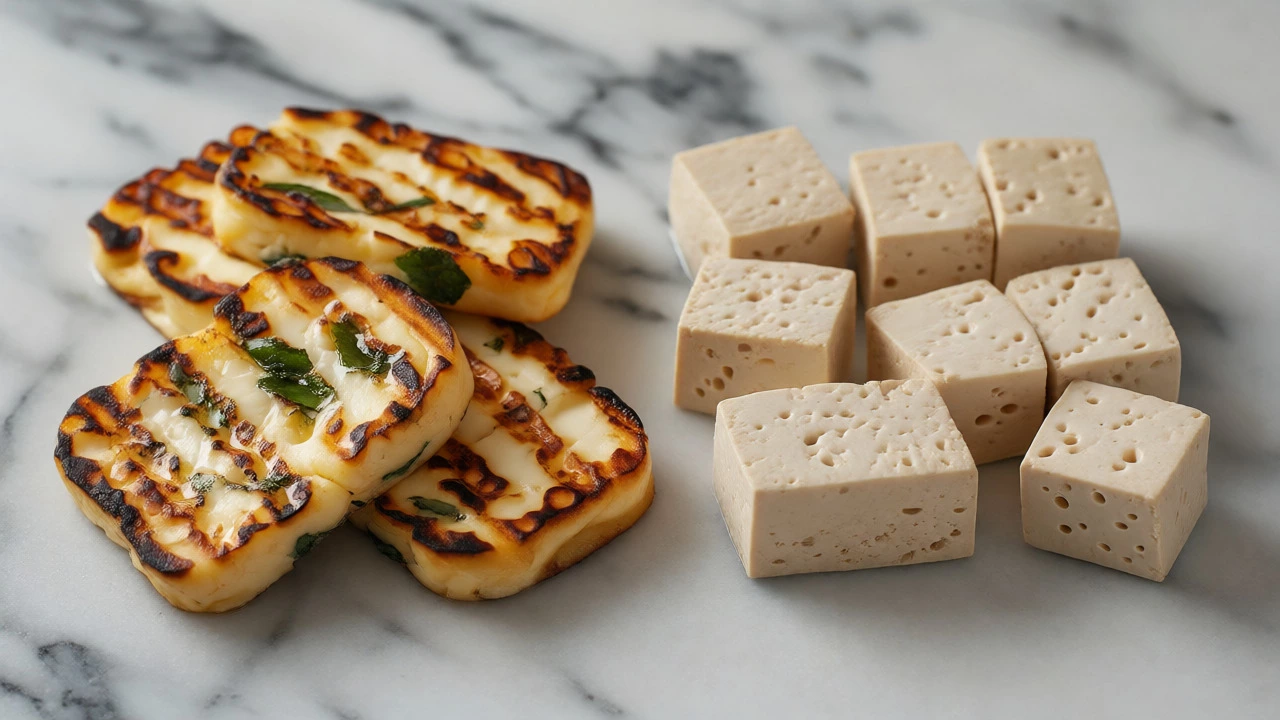
If you want the structural integrity of paneer, look no further than Halloumi. Originating from Cyprus, this cheese is technically a semi-hard, brined cheese made from sheep’s and goat’s milk (though cow’s milk versions exist). Why is it so similar? Because Halloumi has a high melting point. Like paneer, you can grill it, fry it, or simmer it in sauce without it turning into a puddle.
However, there’s a catch. Halloumi is significantly saltier than paneer. It’s cured in brine, which gives it a tangy, savory kick. In a delicate korma or a creamy malai kofta, this extra saltiness can throw off your seasoning balance. You’ll need to reduce added salt in your recipe by about 30% if you swap in Halloumi. Also, Halloumi often contains mint leaves embedded in it, which might clash with traditional Indian spice profiles unless you scrape them off or embrace the fusion vibe.
| Feature | Paneer | Halloumi | Pressed Cottage Cheese |
|---|---|---|---|
| Melting Point | Non-melting | High (Non-melting) | Low (Melts easily) |
| Salt Content | Very Low | High (Brined) | Medium (Varies) |
| Texture | Soft, Spongy | Firm, Chewy | Crumbly, Grainy |
| Best For | All Curries | Grilling, Tikka | Koftas, Fillings |
Firm Tofu: The Vegan Powerhouse
For many people, especially those avoiding dairy, firm tofu is actually closer to paneer in terms of culinary function than most dairy cheeses. High-protein firm tofu has a similar porous structure that absorbs marinades and sauces. When pressed properly-wrapping it in a towel and placing a heavy book on top for 30 minutes-it becomes dense enough to cube and pan-fry without crumbling.
The main difference is flavor. Tofu is more bean-forward than milk-forward. To fix this, many cooks soak tofu cubes in warm milk or a mixture of yogurt and cream before cooking. This trick infuses the tofu with a dairy-like richness that tricks the palate. If you’re making a vegan version of Shahi Paneer, marinating tofu in cashew paste and garam masala works wonders. Just remember: tofu never browns quite like paneer does when fried, so manage expectations on color.
Cottage Cheese: The DIY Hack
In Western countries, cottage cheese is everywhere. But straight out of the tub, it’s wet, lumpy, and acidic. It’s not paneer. Yet, with a little effort, it transforms. The key is draining. Place cottage cheese in a muslin cloth or cheesecloth, twist it tight, and hang it over a sink for a few hours. You want to remove as much whey as possible.
Once drained, mix the thickened mass with a tablespoon of cornstarch or gram flour (besan). Knead it until it forms a smooth dough. Now, press this dough into a flat disc and chill it in the fridge for an hour. Slice it into cubes. Boom-you have pseudo-paneer. This method works exceptionally well for dishes where the cheese is cooked in gravy, like Kadai Paneer, because the starch helps hold the shape. It won’t work for raw salads or grilling, as it lacks the firmness of real paneer.
Other Contenders: Queso Fresco and Ricotta
You might hear people suggest Queso Fresco. It’s a Mexican fresh cheese that shares paneer’s mildness and crumbly nature. It’s great for crumbling over tacos or salads. But it melts too quickly for curries. If you drop Queso Fresco into boiling gravy, it disintegrates. Use it only as a garnish, not a main ingredient.
Ricotta is another option, but it’s usually too wet and grainy. Unless you strain it aggressively and bind it with eggs or flour, it won’t hold together. It’s better suited for lasagna fillings than Indian curries. Avoid using Mozzarella, Cheddar, or Swiss. They are stretchy and oily, which ruins the mouthfeel of a proper paneer dish.
How to Make Homemade Paneer That Actually Works
Since substitutes are imperfect, learning to make real paneer is often easier than finding a replacement. Most failures happen because people let the milk boil over or add acid too slowly. Here’s the foolproof method:
- Boil Milk: Bring full-fat milk to a rolling boil. Stir constantly to prevent scorching.
- Add Acid: Turn off the heat. Add lemon juice or vinegar one spoon at a time, stirring gently. Stop as soon as the greenish whey separates clearly from the white curds.
- Strain: Pour the contents through a muslin cloth. Rinse the curds under cold water immediately to stop the cooking process. This keeps them soft.
- Press: Gather the corners of the cloth and hang it for 15-20 minutes. Don’t press too hard if you want soft paneer; press harder if you want firm cubes for frying.
- Shape: Flatten the ball into a square, place a plate on top, and refrigerate for 2 hours. Cut into cubes.
If your homemade paneer turns out rubbery, you likely boiled the milk after adding the acid, or you used low-fat milk. Full-fat milk is non-negotiable for soft paneer. The fat content provides the tenderness.
Troubleshooting Common Substitution Mistakes
Even with the right substitute, things go wrong. Here are quick fixes:
- Curry is too watery: If using cottage cheese or tofu, they release water. Simmer the gravy longer to reduce it, or add a teaspoon of cornflour slurry.
- Substitute tastes bland: Marinate Halloumi or Tofu in yogurt and spices for at least 30 minutes before cooking. Paneer absorbs flavor naturally; substitutes need help.
- Dish is too salty: This happens with Halloumi. Balance it by adding a splash of cream or coconut milk to the gravy.
- Cubes are breaking apart: Handle them gently. Do not stir vigorously once they are in the gravy. Let them sit for a minute before flipping.
Ultimately, the "closest" cheese depends on your priority. Want texture? Go Halloumi. Want health/dairy-free? Go Firm Tofu. Want budget availability? Pressed Cottage Cheese. None are identical, but all can save your dinner if used with awareness of their quirks.
Can I use feta cheese instead of paneer?
Generally, no. Feta is too salty, crumbly, and tangy for most Indian curries. It breaks down too easily in liquid and will make your dish overly salty. It works only in very small amounts as a garnish, not as the main protein source.
Is tofu healthier than paneer?
It depends on your goals. Tofu is lower in saturated fat and calories and is cholesterol-free, making it better for heart health. Paneer is higher in calcium and complete proteins. For weight loss, tofu wins; for bone health and muscle building, paneer is often preferred.
Why did my homemade paneer become hard?
Hard paneer is usually caused by continuing to boil the milk after adding the acid, or using low-fat milk. Always turn off the heat before adding lemon juice or vinegar. Also, ensure you rinse the curds in cold water immediately to stop the cooking process.
Can I freeze paneer substitutes?
Real paneer freezes poorly and becomes crumbly. Halloumi freezes reasonably well if vacuum-sealed. Firm tofu changes texture when frozen, becoming chewier and more porous, which some people actually prefer for absorbing sauces. Cottage cheese does not freeze well as it separates.
What is the best cheese for paneer tikka?
Halloumi is the best substitute for paneer tikka because it withstands high heat on a grill or skewer without falling apart. Its salty crust complements the spicy marinade well. Just be sure to rinse off excess surface salt before marinating.