Is Paneer Just Ricotta? The Real Difference Explained
 Oct, 9 2026
Paneer vs. Ricotta Substitution Checker
Paneer is a pressed curd cheese that holds its shape under heat. Ricotta is a loose, high-moisture whey cheese that melts or dissolves. Choosing the wrong one can ruin your dish's texture.
Analysis Result
Key Factors:
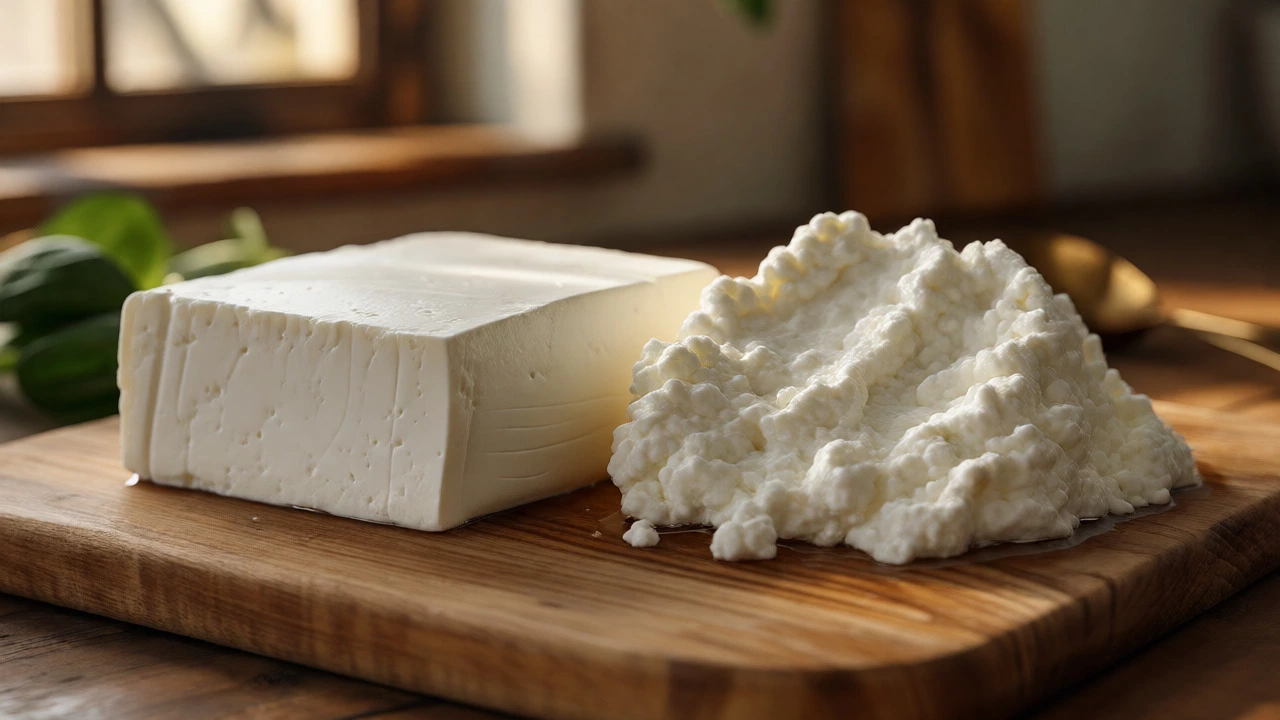
You’re standing in your kitchen, staring at two white blocks of curdled milk. One is labeled Paneer, the other Ricotta. They look identical. They taste somewhat similar-both are fresh, mild, and made from milk. So, why does one cost three times as much at the local Mumbai dairy shop, and why does swapping them ruin your butter chicken but save your lasagna?
The short answer: No, paneer is not just ricotta. While they share a common ancestor (milk + acid), their birth methods, textures, and culinary jobs are wildly different. Confusing them is like thinking a bagel is just a thick donut hole. Sure, both are bread rings, but you wouldn’t dip a bagel in chocolate glaze expecting it to work.
The Science of Curdling: How They Are Made
To understand why these cheeses behave differently on the stove, you have to look at how they’re born. Both start with milk, but that’s where the family tree splits.
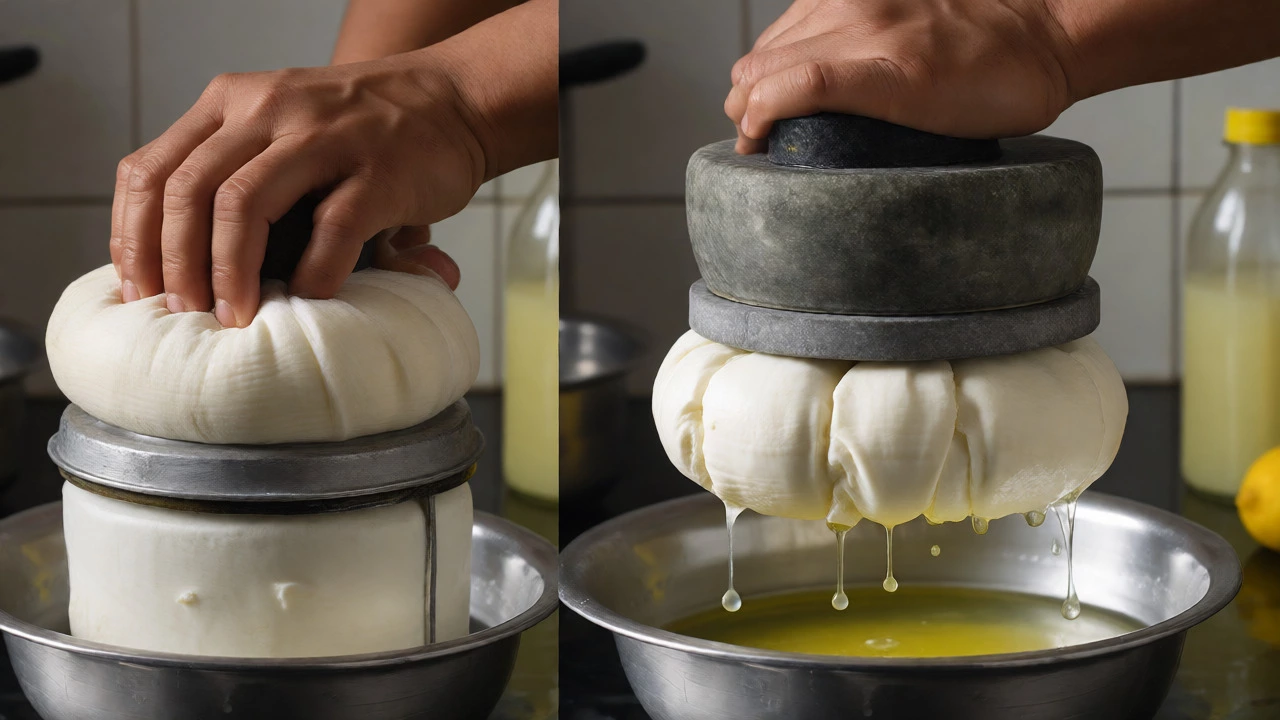
Paneer is an acid-set cheese made by coagulating milk with lemon juice or vinegar, then pressing the curds into a solid block. When you make homemade paneer, you boil full-fat milk, add acid until it separates into curds and whey, strain it through muslin cloth, and then apply heavy weight for hours. This pressing step is non-negotiable. It squeezes out moisture and binds the casein proteins into a dense, rubbery matrix that holds its shape under high heat.
Ricotta, on the other hand, is technically a "whey cheese" (though modern versions often use whole milk). The name literally means "re-cooked." Traditional Italian ricotta takes the leftover whey from making mozzarella or provolone, reheats it, and adds a bit more acid to catch the remaining proteins. Because it isn’t pressed, the curds remain loose, granular, and moist. You scoop it; you don’t slice it.
| Feature | Paneer | Ricotta |
|---|---|---|
| Primary Ingredient | Whole Milk (Casein) | Whey (Lactalbumin) or Whole Milk |
| Coagulation Agent | Acid (Lemon/Vinegar) | Acid + Heat (Reheating) |
| Texture | Firm, Dense, Sliceable | Soft, Grainy, Spreadable |
| Melting Point | Does not melt | Softens/Melts slightly |
| Best For | Curries, Grilling, Frying | Pasta fillings, Desserts, Spreads |
Why Texture Matters in Your Pan
If you’ve ever tried to grill paneer and ended up with a mushy mess, or if your palak paneer tasted gritty instead of creamy, you likely confused the two. Or worse, you used store-bought ricotta thinking it was a cheaper substitute.
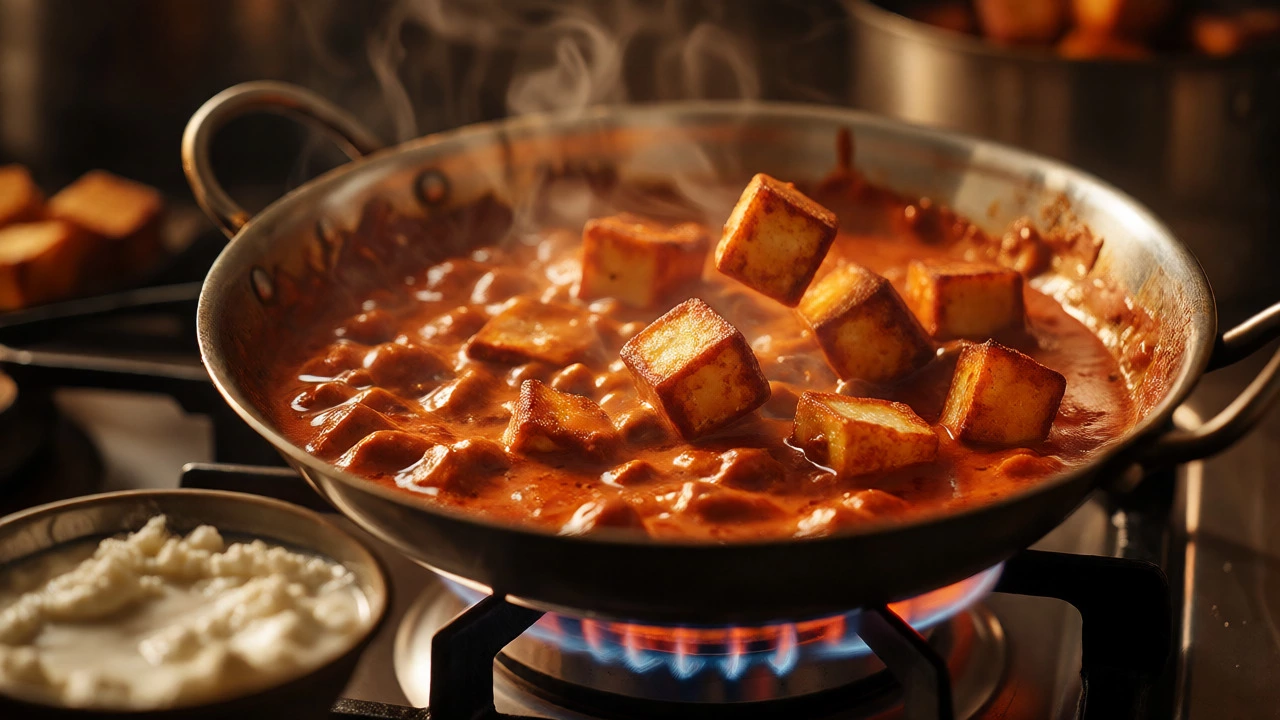
Here is the physical reality: Paneer has a low moisture content because of the pressing process. This density allows it to absorb marinades without falling apart. When you toss cubes of paneer into a bubbling kadhai (wok) with spinach puree, the cubes stay intact. They soak up the spices but retain their structural integrity. That “bite” you love in a good shahi paneer comes from this firmness.
Ricotta has high moisture and a delicate protein structure. If you throw ricotta into a hot curry, it dissolves. It turns into a sauce rather than a solid ingredient. In Italy, you’d never put ricotta in a stew. You’d fold it into ravioli dough or swirl it onto toast. If you try to fry ricotta, it collapses. There is no crust, no bounce, just a puddle of warm dairy.
Nutritional Showdown: Which Is Healthier?
People often ask me, "Kavya, I’m watching my calories. Should I swap paneer for ricotta?" It depends on what you’re tracking.
Traditional Indian paneer is calorie-dense. A 100-gram serving can pack around 300-400 calories, mostly from fat. Since it’s made from full-fat buffalo or cow milk, it’s rich in saturated fats and calcium. It’s excellent for satiety-you eat less because you feel fuller longer. But if you’re cutting calories aggressively, it’s a heavy hitter.
Store-bought ricotta varies wildly. Part-skim ricotta might have half the calories of paneer, but it often lacks flavor and texture. However, note that many commercial ricottas add stabilizers like guar gum or carrageenan to keep them smooth. Homemade paneer has only two ingredients: milk and acid. If clean eating is your goal, homemade paneer wins on purity, even if it’s higher in fat.
Can You Substitute One for the Other?
This is the million-dollar question for home cooks. The answer is "Yes, but..."
- Substituting Ricotta for Paneer: Only do this in dishes where the cheese melts or blends. Think stuffed parathas or mixed vegetable stir-fries where you want creaminess, not chunks. To make it work, drain the ricotta overnight in cheesecloth to remove excess water, then mix it with a little cornstarch or flour to help it bind. You won’t get the same chew, but you’ll get the milky flavor.
- Substituting Paneer for Ricotta: This works better. Crumble soft paneer and mix it with a splash of milk or cream to mimic the spreadability of ricotta. Use this in pasta bakes or lasagna. It won’t be as light, but it will be deliciously rich.
Avoid substituting in desserts unless you adjust sweetness and texture significantly. Ricotta cheesecake relies on airiness; paneer cheesecake (common in India) is denser and grainier. They are different beasts entirely.
How to Make Perfect Homemade Paneer
Since we live in Mumbai, fresh milk is abundant, and buying packaged paneer often means dealing with preservatives or weird textures. Making it yourself takes 20 minutes of active time plus resting time. Here is the foolproof method I use.
- Boil the Milk: Bring 2 liters of full-fat cow or buffalo milk to a rolling boil. Stir occasionally so it doesn’t stick to the bottom.
- Add Acid: Turn off the heat. Slowly stir in 4-5 tablespoons of lemon juice or white vinegar. Stop adding acid once the milk clearly separates into white curds and greenish-yellow whey. If it stays cloudy, add more acid.
- Strain: Pour the mixture through a muslin cloth placed over a bowl. Rinse the curds under cold running water immediately. This stops the cooking process and removes the sour taste of the vinegar/lemon.
- Press: Gather the edges of the cloth and tie it. Place the bundle on a plate, cover it with another plate, and put a heavy object (like a mortar or a water-filled pot) on top. Let it sit for 2-4 hours.
- Cut: Unwrap and cut into cubes. Store in water in the fridge for up to 3 days to keep it soft.
Pro Tip: Don’t skip the cold rinse. Warm paneer continues to tighten and becomes rubbery. Cold rinsing locks in the softness.
Cultural Context: Why the Confusion Exists
In the West, people see "fresh white cheese" and assume interchangeability. But in India, paneer is sacred to vegetarian cuisine. It’s the primary source of protein for millions who don’t eat meat. Its ability to stand up to strong spices like garam masala, turmeric, and chili without disintegrating makes it indispensable.
Ricotta, meanwhile, is tied to Italian traditions of utilizing every part of the milk-making process. It’s humble, economical, and designed for gentle flavors. Recognizing this distinction helps you respect the dish you’re cooking. If you’re making Palak Paneer, buy or make real paneer. If you’re making Cannelloni, buy ricotta. Don’t force a square peg into a round hole.
Storage and Shelf Life
Fresh paneer lasts about 3-5 days in the refrigerator if kept submerged in water. Change the water daily to prevent bacterial growth and slime. You can freeze paneer for up to 2 months, but the texture changes-it becomes porous and sponge-like. This actually makes it great for absorbing gravies in frozen-to-curry meals, but bad for grilling.
Ricotta spoils faster due to higher moisture. Check it after 3-5 days. If it smells sour or looks yellowish, toss it. Freezing ricotta ruins its texture completely, turning it into a watery mess upon thawing. Never freeze ricotta for baking.
Is paneer healthier than ricotta?
It depends on your goals. Paneer is higher in fat and calories but provides more protein per gram and keeps you fuller. Ricotta (especially part-skim) is lower in calories but often contains additives. For pure ingredients, homemade paneer is cleaner.
Can I use cottage cheese instead of paneer?
Cottage cheese is closer to paneer in texture but usually salted and looser. You can press cottage cheese to remove moisture and use it as a paneer substitute in a pinch, but it won't hold together as well when fried.
Why does my homemade paneer become hard?
This happens if you boil the milk too long after adding acid, or if you don't rinse the curds in cold water. Over-boiling tightens the proteins excessively, creating a rubbery texture.
Is paneer lactose-free?
No. Paneer still contains lactose, though less than liquid milk because some lactose drains away with the whey. People with severe lactose intolerance may still react to it.
Which tastes better in butter chicken?
Paneer, hands down. Ricotta would dissolve into the gravy, making it thin and lacking the distinct cheesy bites that define the dish.