Indian Condiments: Essential Flavors for Every Meal
When talking about Indian condiments, the side dishes that add punch, tang, and aroma to a plate. Also known as achar and sauces, they transform plain rice or roti into a vibrant experience. Indian condiments are a cornerstone of the cuisine, linking regional spices to everyday cooking.
One of the most beloved types is chutney, a fresh or cooked blend of herbs, fruits, and spices that can be sweet, sour, or spicy. It differs from relish, a coarser, often pickled mixture used as a topping or side in both texture and preparation method. While chutney typically stays in the fridge for a week or two, relish can endure longer thanks to its higher vinegar content.
Another star player is yogurt marinades, tangy bases that tenderize meat, add creaminess, and balance heat. They are a staple for dishes like tandoori chicken and kebabs, and the same yogurt blend can double as a dipping sauce or a light condiment for salads. Proper storage—covered and chilled—keeps the flavor bright for up to three days.
Why Condiments Matter in Indian Cooking
Every Indian meal is a conversation between main dishes and their companions. Pickles, or pickles, spiced, oil‑preserved fruits or vegetables that bring acidity and crunch, act as palate cleaners and flavor enhancers. They also provide a cultural link, with each region boasting its own signature blends (e.g., mango pickle in the South, lime pickle in the North). The shelf life of these condiments varies: fruit pickles can last months in a cool, dark spot, while fresh chutneys need quick consumption.
Understanding how these entities interact helps you avoid common pitfalls. For example, adding too much acid from a pickle to a yogurt‑based side can cause curdling, while over‑spicing a chutney may mask the natural sweetness of its fruit base. By balancing acidity, spice level, and texture, you ensure each condiment supports rather than overwhelms the main dish.
Our collection below covers practical topics you’ll encounter while mastering Indian condiments: from the science of rinse‑or‑not yogurt marinades, to shelf‑life guidelines for homemade chutney, to the subtle differences between chutney and relish. You’ll also find tips on timing garlic and ginger in curries, tricks for fluffy rotis that pair well with spicy relishes, and nutrition facts for favorites like naan and biryani that often share the table with these side dishes.
Ready to boost your meals with the right sauces, pickles, and marinades? Scroll down to explore detailed guides, quick tips, and flavor hacks that will make your kitchen feel like a street‑food stall and your dinner table a festival of taste.
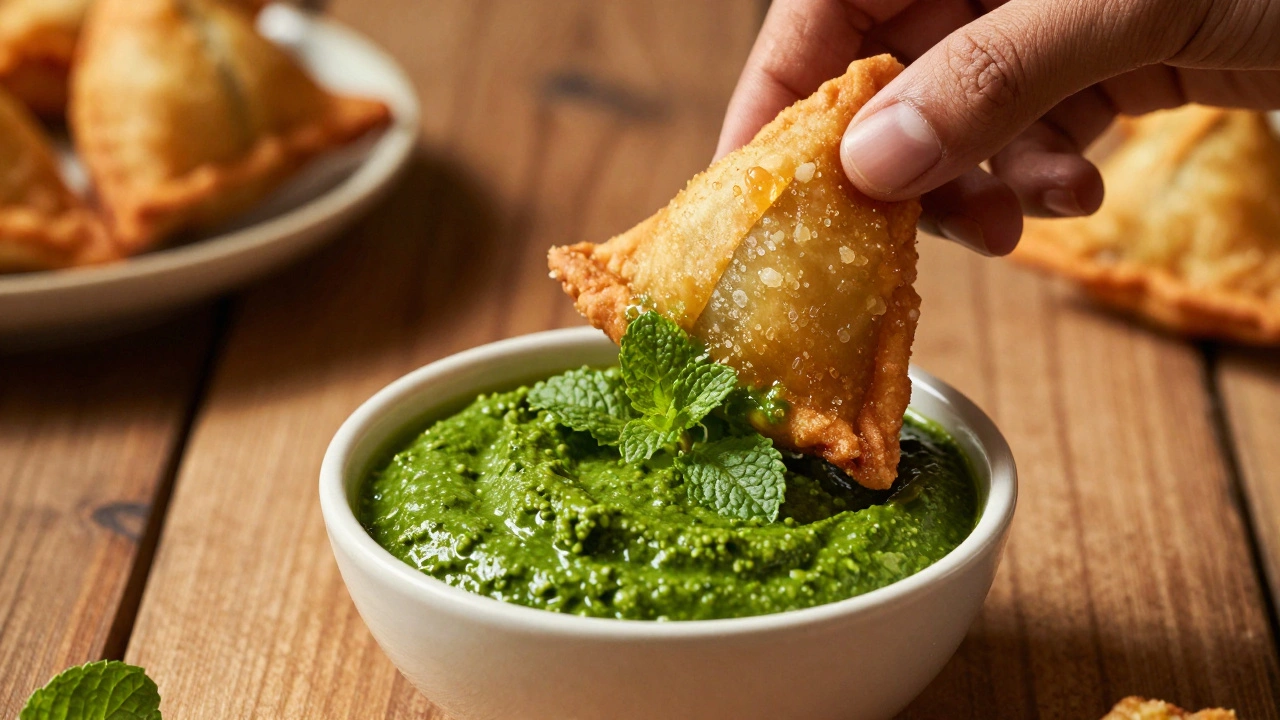
How to Eat Indian Chutney: A Complete Guide to Types, Pairings & Serving
Learn how to eat Indian chutney correctly. Discover the best pairings for green, tamarind, and coconut chutneys with popular Indian dishes like samosas, dosas, and curries.
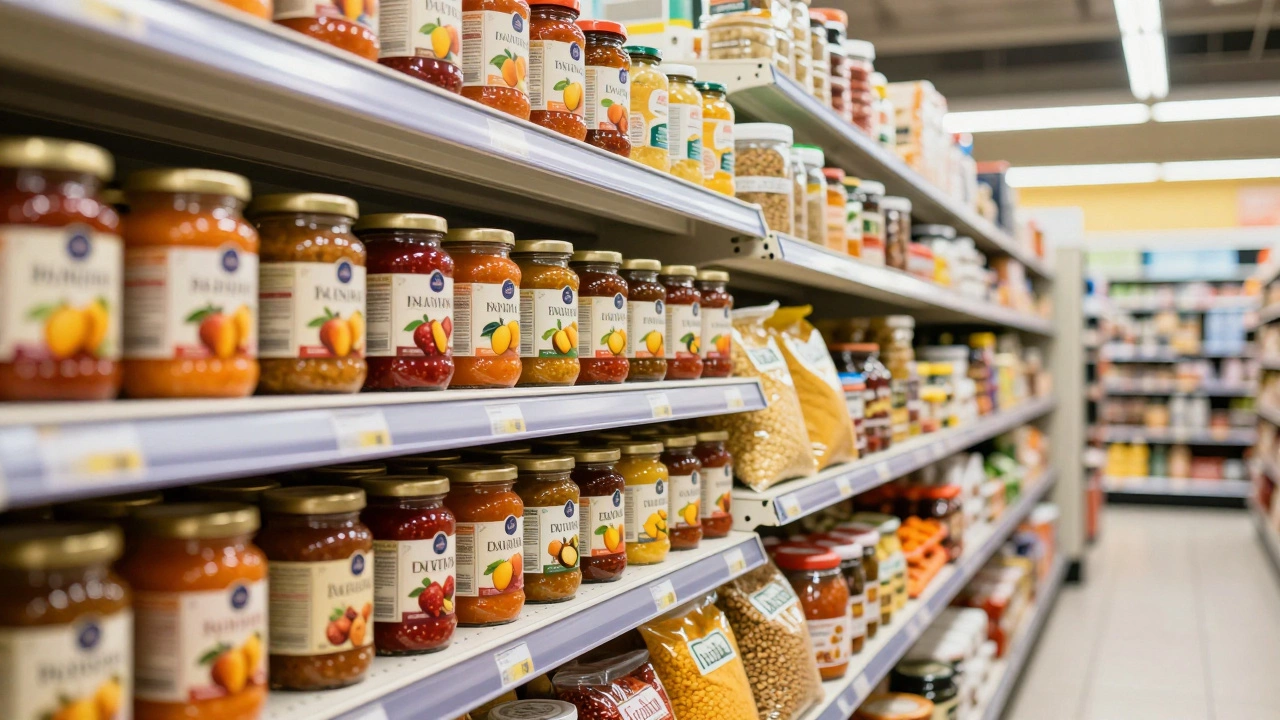
Where to Find Chutney in the Grocery Store: Aisle Guide & Fresh Tips
Find chutney quickly in any grocery store. Learn which aisles hold jarred, fresh, and homemade options, plus tips for making your own.
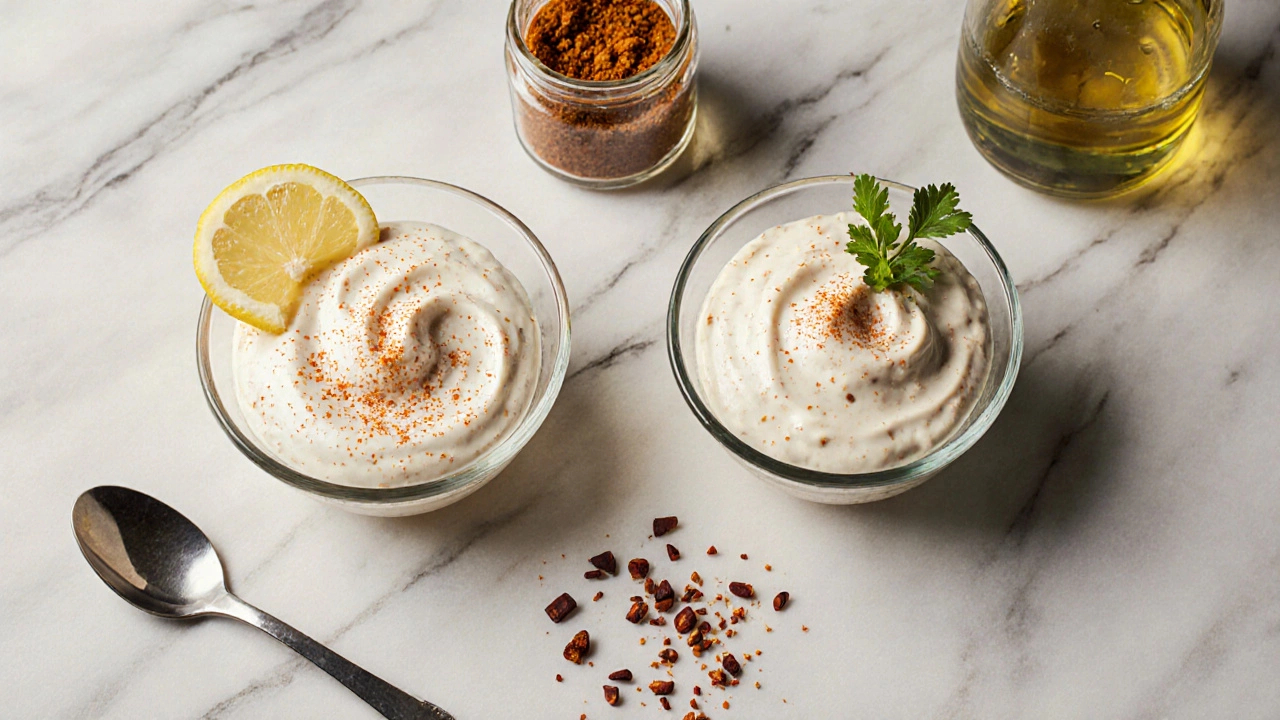
Tandoori Mayonnaise vs Tandoori Spread: Key Differences Explained
Learn the clear differences between tandoori mayonnaise and tandoori spread, from base ingredients and texture to ideal uses and storage tips.