Is It OK to Eat Paneer Every Day? Benefits, Risks, and How Much You Should Eat
 Jun, 9 2026
Daily Paneer Intake Calculator
You wake up in Chennai, the humidity is already rising, and you reach for your breakfast plate. There it sits: a thick slice of paneer, a fresh, unripened cheese popular in Indian cuisine known for its high protein and calcium content. It’s soft, mild, and incredibly versatile. You’ve eaten it last night in palak, the day before in a tikka wrap, and maybe even this morning in a quick stir-fry. It feels like the ultimate health hack-high protein, vegetarian-friendly, and delicious. But then the doubt creeps in. Is eating paneer every day actually good for you, or are you setting yourself up for digestive trouble or weight gain?
The short answer is yes, but with caveats. For most healthy adults, incorporating paneer into a daily diet can be a nutritional powerhouse. However, "every day" doesn’t mean "unlimited." Like any dense food, portion control and preparation method matter immensely. If you’re treating it like a snack bar rather than a protein source, you might find yourself gaining fat instead of muscle.
The Nutritional Profile: Why We Love Paneer
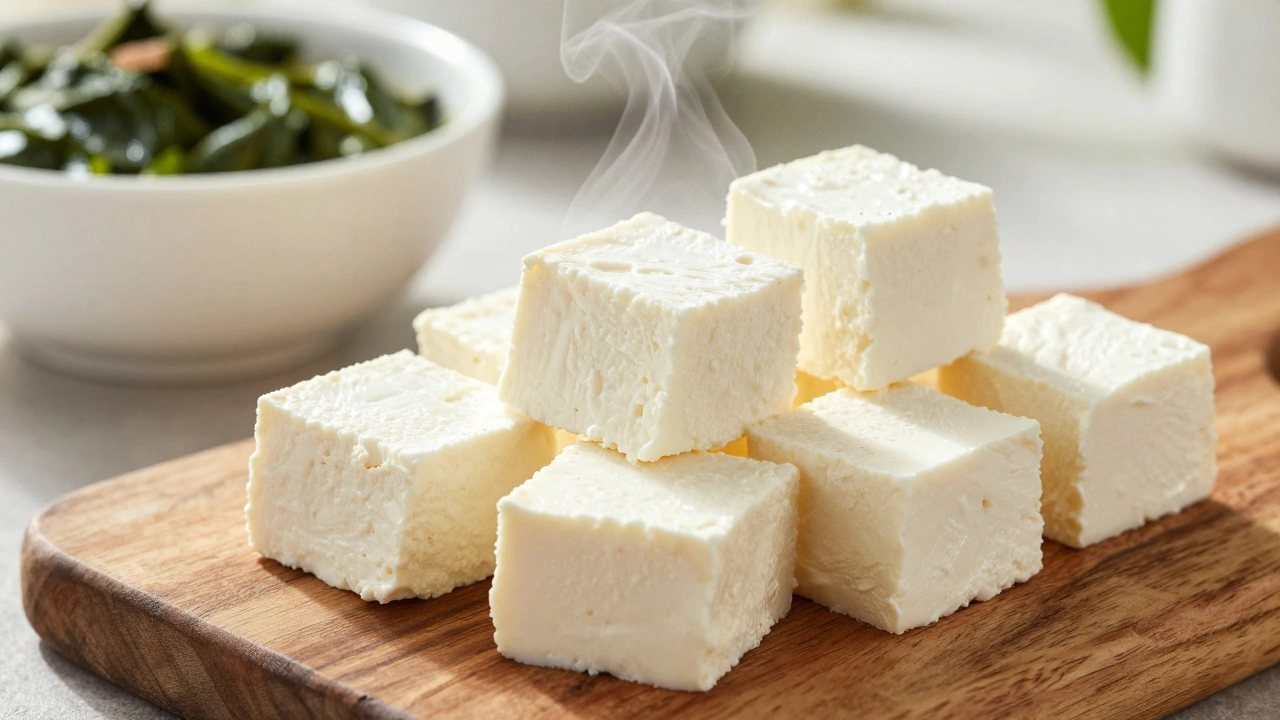
To understand if daily consumption is safe, we first need to look at what’s actually inside that white block. Paneer is essentially curdled milk. When you add lemon juice or vinegar to boiling milk, the casein proteins coagulate, separating from the whey. You press out the liquid, and you have paneer. Because it retains both the protein and the fat from the milk, its nutritional density is high.
| Nutrient | Amount | % Daily Value (Approx) |
|---|---|---|
| Calories | 265 kcal | 13% |
| Protein | 18.3 g | 37% |
| Fat | 20.8 g | 32% |
| Calcium | 208 mg | 21% |
| Sodium | 39 mg | 2% |
That protein count is impressive. For vegetarians in India, where meat isn't a daily staple, paneer serves as a critical complete protein source, meaning it contains all nine essential amino acids your body needs to build and repair tissue. The calcium content supports bone health, which is vital as we age. Additionally, paneer provides phosphorus, selenium, and vitamin B12, nutrients often lacking in strict plant-based diets unless fortified.
However, notice the fat content. Traditional paneer made from full-cream milk is nearly half fat by weight. That’s where the "daily" habit gets tricky. If you’re sedentary, those extra calories add up quickly. One hundred grams of paneer has more calories than a medium-sized apple or a bowl of plain rice. The key isn’t avoiding paneer; it’s balancing it.
The Case for Eating Paneer Daily
If you manage your portions, eating paneer every day offers distinct advantages over other protein sources like eggs or chicken, particularly for those who prefer plant-forward meals.
- Muscle Maintenance: Protein turnover happens constantly in your body. Having a steady supply of high-quality protein helps maintain lean muscle mass, especially important if you’re hitting the gym or just trying to prevent sarcopenia (age-related muscle loss).
- Bone Density: Calcium absorption peaks when paired with protein. The combination in paneer makes it efficient for keeping bones strong. In regions like South India, where dairy intake varies, this consistency can help prevent osteoporosis later in life.
- Satiety Control: High-protein foods keep you fuller longer. A small cube of paneer in your lunch salad can curb mid-afternoon cravings better than a carb-heavy snack. This can indirectly support weight management by reducing overall calorie intake from junk food.
- Lactose Tolerance: Unlike aged cheeses, paneer has very low lactose because most of the whey (which contains lactose) is drained away during preparation. Many people who are mildly lactose intolerant can eat paneer without the bloating associated with milk or yogurt.
The Risks: When Daily Paneer Goes Wrong
Let’s be real. Not everyone thrives on daily dairy. While paneer is healthy, it’s not magic. Here’s what can go wrong if you ignore balance.
Weight Gain: This is the biggest culprit. If you’re eating 200g of paneer daily and not burning those ~530 calories through activity, you will gain weight. Paneer is calorie-dense. Many people underestimate how much they eat because it looks light and fluffy. Pairing it with heavy creams, butter, or fried accompaniments turns a healthy protein source into a calorie bomb.
Digestive Issues: Even though paneer is low in lactose, it is still a dairy product. For those with severe milk allergies or significant lactose sensitivity, daily consumption can lead to chronic bloating, gas, or constipation. Dairy is also binding for many people; if you already struggle with regularity, adding more paneer without increasing fiber intake can make things worse.
Cholesterol Concerns: Full-fat paneer contains saturated fats. While recent science suggests dietary cholesterol isn’t the villain it was once thought to be, saturated fats can raise LDL (bad) cholesterol in some individuals, particularly those who are genetically predisposed to high cholesterol. If you have heart disease risks, swapping full-fat paneer for low-fat versions or limiting frequency is wise.
How Much Paneer Should You Eat?
So, what’s the sweet spot? Nutritionists generally recommend aiming for about 0.8 to 1 gram of protein per kilogram of body weight for sedentary adults, and up to 1.6g for active individuals. Let’s break down what that means in terms of paneer cubes.
A standard serving of paneer is roughly 30-40 grams (about 2-3 small cubes). This provides approximately 6-7 grams of protein and 80-100 calories. For most people, eating one serving of paneer daily is perfectly safe and beneficial. Two servings (60-80g) might be appropriate for athletes or those with higher protein needs. Going beyond 100g daily requires careful monitoring of your total fat and calorie intake for the rest of the day.
If you’re making homemade paneer, fresh cheese prepared at home using milk and an acidulant like lemon juice, allowing control over fat content and hygiene., you have an advantage. You can skim the cream off the top of the milk before curdling to create a lower-fat version. Store-bought paneer often uses full-cream milk and may contain preservatives if it’s packaged for long shelf life. Homemade ensures freshness and lets you tailor the fat content to your goals.
Smart Ways to Include Paneer Daily
Don’t just fry it in oil every time. Vary your preparation methods to keep the health benefits intact.
- Cold Salads: Skip the cooking entirely. Dice cold paneer and toss it with cucumbers, tomatoes, onions, and a squeeze of lemon. This adds protein without adding calories from oil or heat.
- Grilled Tikka: Marinate cubes in yogurt and spices, then grill or air-fry them. This uses minimal oil compared to shallow frying.
- Paneer Bhurji (Light Version): Crumble the paneer and sauté it with onions, tomatoes, and spinach. Use a non-stick pan and just a teaspoon of oil. Add turmeric and cumin for anti-inflammatory benefits.
- Breakfast Upma/Poha Mix-in: Stir small crumbles into your morning semolina or flattened rice dish. It boosts the protein profile of a typically carb-heavy breakfast.
Avoid deep-frying paneer cubes regularly. Frying absorbs oil, doubling the calorie count instantly. If you love crispy paneer, try baking it with a little cornstarch instead.
Who Should Avoid Daily Paneer?
While paneer is great for many, certain groups should exercise caution:
- People with Kidney Stones: Paneer is high in oxalates and calcium. For those prone to calcium-oxalate kidney stones, excessive dairy intake can be risky. Consult a doctor before making it a daily staple.
- Those with Acne: Some studies suggest a link between dairy consumption and acne severity due to hormonal fluctuations triggered by milk proteins. If you notice breakouts after eating paneer, consider cutting back to twice a week.
- Individuals with Gout: While paneer is lower in purines than red meat, it’s still a protein-rich animal product. Moderate consumption is usually fine, but daily large amounts could exacerbate symptoms in sensitive individuals.
FAQ
Can I eat paneer every day if I am trying to lose weight?
Yes, but you must strictly control portion sizes. Stick to 30-40 grams per day. Paneer is high in protein, which keeps you full, but it is also high in calories and fat. Replace heavier carbs or snacks with paneer, don’t just add it on top of your current diet. Opt for low-fat homemade paneer if possible.
Is homemade paneer healthier than store-bought?
Generally, yes. Homemade paneer allows you to control the type of milk used (full-fat vs. toned) and ensures no preservatives are added. Store-bought paneer may have higher sodium levels or stabilizers to extend shelf life. Freshness also impacts digestibility, so homemade is easier on the stomach.
Does eating paneer cause acidity or gas?
It can, especially if you are lactose intolerant or consume it late at night. Paneer is rich and heavy. To minimize discomfort, eat smaller portions, pair it with fiber-rich vegetables, and avoid heavy spices or fried preparations. Drinking warm water after meals can also aid digestion.
What is the best time of day to eat paneer?
Morning or lunch is ideal. Your metabolism is higher earlier in the day, helping you utilize the protein and calories effectively. Eating heavy dairy at night can slow down digestion and potentially disrupt sleep for some people. If you do eat it at dinner, keep the portion small and avoid frying.
Can children eat paneer every day?
Yes, paneer is excellent for growing children due to its calcium and protein content, which support bone growth and muscle development. Ensure the portions are age-appropriate (smaller cubes) and that the rest of their diet includes plenty of fruits and vegetables to balance the fat intake.
Is paneer good for skin health?
For many, yes. The vitamins A and E in paneer can promote skin elasticity and hydration. However, for individuals whose acne is triggered by dairy, it may have the opposite effect. Listen to your body; if your skin clears up when you reduce dairy, then limit paneer to occasional treats rather than a daily staple.