What Is India's National Dessert? The Truth Behind Gajar Ka Halwa, Gulab Jamun & More
 Aug, 7 2026
Indian Dessert Knowledge Quiz
How well do you know India's sweet treats?
Discover which desserts represent different regions and why they are culturally significant.
Question goes here
Quiz Complete!
Walk down any busy street in Mumbai during winter, and you will smell it before you see it. That rich, caramelized scent of carrots simmering in milk and ghee is unmistakable. It belongs to Gajar Ka Halwa, widely considered the unofficial king of Indian desserts. But if you ask someone in Kolkata, they might point you toward a plate of crispy Rosogolla. Ask a friend from Hyderabad, and they will likely defend their love for Double Ka Meetha. So, what is India's national dessert?
The short answer is: there isn't one. India does not have an officially declared national dessert by law or government decree. Unlike France with its macarons or Italy with its tiramisu, India’s culinary landscape is too vast, too diverse, and too deeply rooted in regional traditions to be pinned down to a single sweet. However, if we look at popularity, cultural resonance, and nationwide consumption, a few contenders rise above the rest. This article explores why Gajar Ka Halwa often takes the crown, who else is in the running, and how your location dictates your favorite treat.
Why Gajar Ka Halwa Claims the Title
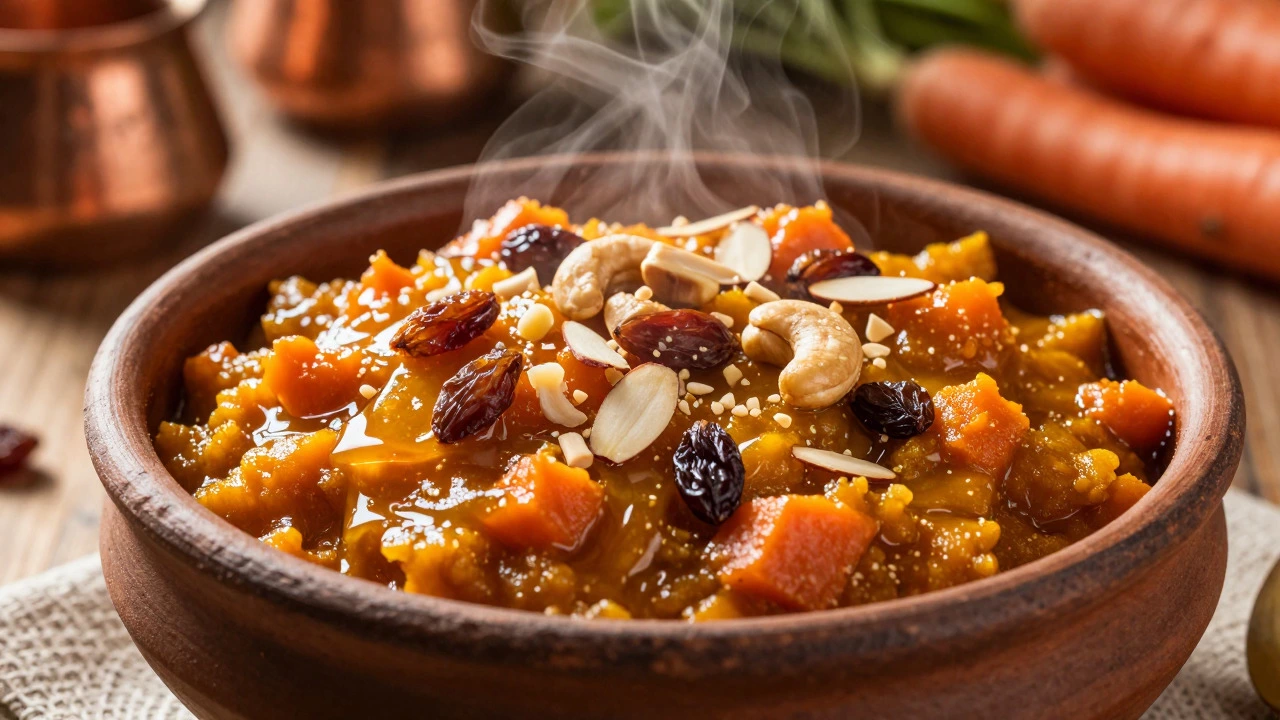
If you had to pick one dessert that bridges the gap between North and South, East and West, it is Gajar Ka Halwa. Made primarily from grated carrots, full-fat milk, sugar, ghee, and nuts like cashews and raisins, this dish is more than just a sweet; it is a seasonal ritual. In many parts of India, especially in the north and west, the arrival of winter means the start of halwa season. Farmers harvest fresh, crisp carrots, and households begin the slow process of cooking them down until they are tender and infused with aromatic spices.
What makes Gajar Ka Halwa stand out as a potential "national" candidate is its accessibility. You can find it in high-end restaurants in Delhi and humble roadside stalls in Rajasthan. It is served at weddings, religious festivals like Diwali, and casual family gatherings. The preparation method varies slightly by region-some add saffron for color and fragrance, while others use cardamom for warmth-but the core identity remains consistent. Its ability to adapt to local tastes while maintaining a recognizable flavor profile gives it a unique status in the Indian culinary hierarchy.
Furthermore, the ingredients are universally available. Carrots grow across most states in India, and dairy products like milk and ghee are staples in almost every Indian kitchen. This widespread availability ensures that Gajar Ka Halwa is not just a luxury item but a comfort food enjoyed by people from all economic backgrounds. When millions of Indians reach for the same dessert during the same season, it naturally accumulates a form of unofficial national recognition.
The Strong Contenders: Regional Powerhouses
While Gajar Ka Halwa has strong claims, other desserts fiercely compete for attention based on geography and tradition. To understand the complexity of choosing a "national" dessert, we must look at these regional giants.
| Dessert Name | Primary Region | Key Ingredients | Cultural Significance |
|---|---|---|---|
| Gulab Jamun | Pan-India (Popular everywhere) | Milk solids (khoya), flour, sugar syrup | Served at celebrations, widely exported globally |
| Rosogolla | West Bengal, Odisha | Chenna (cottage cheese), sugar syrup | Iconic symbol of Bengali culture, often associated with Lord Krishna |
| Jalebi | Pan-India (Street food staple) | Batter, sugar syrup, turmeric/saffron | Common breakfast accompaniment, festive snack |
| Kheer | Pan-India (Variations exist) | Rice, milk, sugar, nuts | Prasad in temples, served at religious ceremonies |
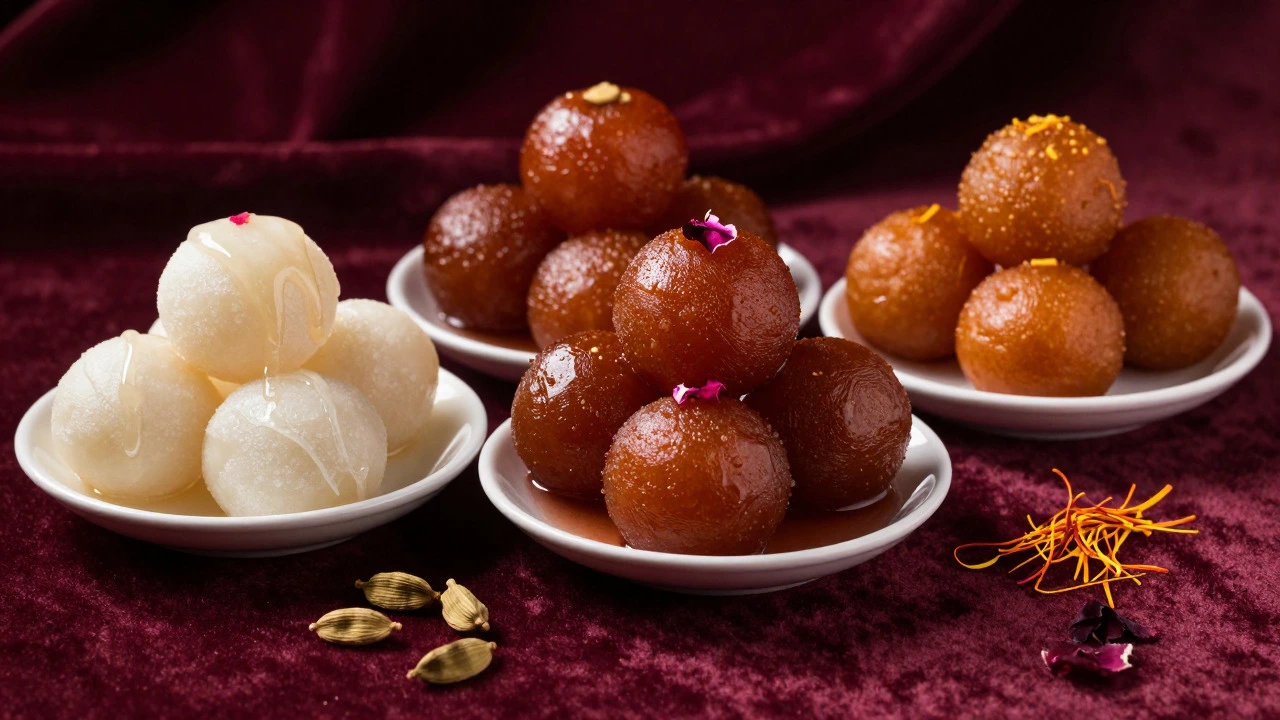
Gulab Jamun is perhaps the most recognizable Indian sweet outside of India. These deep-fried balls made from khoya or milk powder, soaked in rose-flavored sugar syrup, are a global phenomenon. They appear on menus in London, New York, and Dubai. Their universal appeal within India is undeniable; no wedding feast is complete without them. However, critics argue that Gulab Jamun is too generic. It lacks the specific regional soul that defines dishes like Rosogolla or Double Ka Meetha. It is a crowd-pleaser, but does it represent the depth of Indian cuisine?
Then there is Rosogolla, which holds a special place in the hearts of people in Eastern India. Soft, spongy, and dripping with syrup, Rosogolla is often cited in debates about national identity because of its intense regional pride. For Bengalis, it is not just a dessert; it is an emotion. Yet, its popularity diminishes as you move westward, making it less suitable as a pan-Indian representative compared to something like Jalebi.
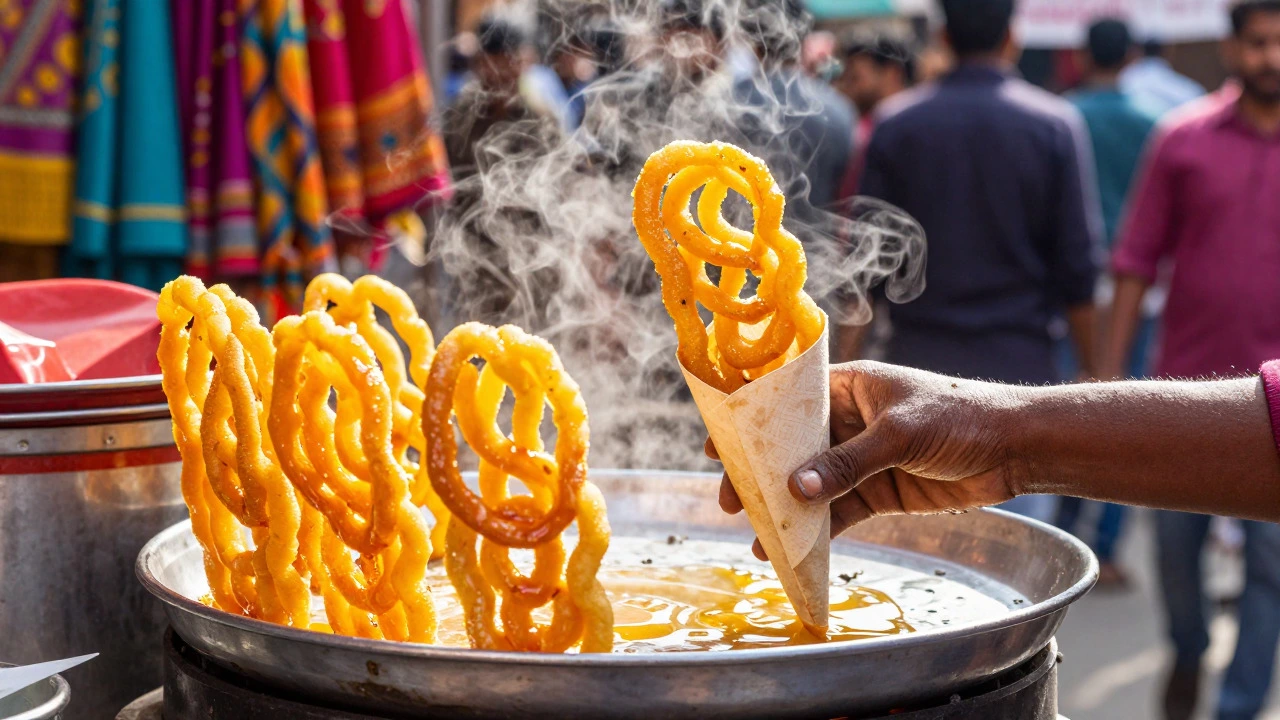
Jalebi offers another perspective. As a street food icon, Jalebi represents the everyday indulgence of millions. Crispy on the outside, soft on the inside, and intensely sweet, it is often paired with savory foods like idli or dosa. Its presence in morning markets across Tamil Nadu, Punjab, and Gujarat makes it a truly national street food. However, Jalebi is often seen as a snack rather than a formal dessert course, which might disqualify it from the title of "national dessert" in some eyes.
The Role of Street Food in Shaping Sweet Preferences
In India, the line between "dessert" and "street food" is blurry. Many of the sweets that define our national palate are born on the streets, not in fine dining kitchens. This connection to street food culture is crucial when discussing what constitutes a national dessert. Street vendors innovate constantly, adapting recipes to local tastes and budgets. A vendor in Mumbai might add coconut to his Kheer, while one in Lucknow focuses on the richness of the milk reduction.
This grassroots origin story adds authenticity to desserts like Jalebi, Rasgulla, and even Gajar Ka Halwa sold in clay pots on winter evenings. These treats are accessible, affordable, and deeply embedded in daily life. They are not reserved for special occasions alone; they are part of the routine joy of urban and rural living. When we talk about India's national dessert, we are also talking about the democratization of sweetness through street food culture.
Seasonal Variations and Festival Connections
Another reason India cannot settle on one national dessert is the strong link between sweets and seasons or festivals. In North India, winter brings Gajar Ka Halwa and Kaju Katli (cashew fudge). Summer sees a rise in lighter, refreshing options like Phirni (ground rice pudding) served chilled. During Diwali, the festival of lights, every household prepares a variety of sweets, including Ladoo, Barfi, and Gulab Jamun, to share with neighbors and relatives.
In South India, festivals like Pongal feature Payasam, a rich pudding made with vermicelli, lentils, or rice, cooked in milk and jaggery. In Maharashtra, Modak, a steamed dumpling filled with coconut and jaggery, is essential during Ganesh Chaturthi. These regional specialties are tied to specific deities and agricultural cycles, making them irreplaceable in their respective contexts. Asking India to choose one national dessert would mean ignoring these profound cultural connections.
Modern Trends and Health-Conscious Shifts
As dietary preferences evolve, so do India's dessert habits. There is a growing demand for healthier alternatives to traditional sweets loaded with refined sugar and ghee. Chefs and home cooks are experimenting with jaggery, dates, and honey as sweeteners. Millet-based desserts are gaining traction due to their nutritional benefits. Even Gajar Ka Halwa is being reimagined with less sugar and more natural sweetness from the carrots themselves.
This shift does not diminish the status of traditional desserts but adds layers to the conversation. The "national dessert" of the future might be a fusion of tradition and health consciousness. However, for now, the classics remain dominant. People still crave the richness of Khoya and the crunch of Nuts in their sweets. The emotional satisfaction derived from these traditional flavors continues to outweigh the pursuit of low-calorie options for most celebratory moments.
Conclusion: A Tapestry of Flavors
So, what is India's national dessert? If forced to choose based on widespread acceptance, seasonal relevance, and cultural ubiquity, Gajar Ka Halwa emerges as the strongest contender. It transcends regional boundaries, adapts to local variations, and brings families together during the winter months. Yet, calling it the sole national dessert feels incomplete. India is a land where diversity is celebrated, and its sweets reflect that spirit. From the syrupy Rosogolla of Bengal to the crispy Jalebi of the streets and the rich Gulab Jamun of every celebration, each dessert tells a story of its region.
Rather than seeking a single answer, perhaps we should embrace the plurality. India's national dessert is not one dish but a collection of favorites that vary by state, season, and occasion. This diversity is what makes Indian cuisine so vibrant and engaging. Whether you prefer the earthy sweetness of carrots or the milky richness of Khoya, there is a place for your favorite sweet in the grand narrative of Indian food culture.
Is there an official national dessert of India?
No, India does not have an officially declared national dessert by the government. While Gajar Ka Halwa is widely popular and often considered the unofficial favorite, there is no legal designation for any sweet.
Why is Gajar Ka Halwa so popular in India?
Gajar Ka Halwa is popular because it is made from easily available ingredients like carrots and milk. It is a seasonal delicacy enjoyed during winter, and its recipe allows for regional variations, making it adaptable to different tastes across the country.
What is the difference between Gulab Jamun and Rosogolla?
Gulab Jamun is made from khoya or milk powder, fried until dark brown, and soaked in sugar syrup. Rosogolla, primarily from Eastern India, is made from chenna (cottage cheese), boiled in sugar syrup, and has a soft, spongy texture without frying.
Are Indian street foods considered desserts?
Yes, many Indian street foods like Jalebi, Kachori, and various laddoos are consumed as desserts or snacks. The distinction between a formal dessert course and a street-side sweet is often blurred in Indian culture.
Which dessert is best for Diwali?
Diwali features a variety of sweets, but Kaju Katli, Ladoo, and Gulab Jamun are among the most common choices. These sweets are exchanged as gifts and shared with family and friends to celebrate the festival of lights.