Gulab Jamun: The Sweet Icon of India with Secrets Behind Its Texture and Tradition
When you think of Indian sweets, one name always rises to the top: gulab jamun, a deep-fried dough ball soaked in sugar syrup, often served at weddings, festivals, and family gatherings. Also known as gulab jamun, it’s not just a dessert—it’s a cultural moment. Made from khoya (reduced milk solids) or milk powder, shaped into small balls, fried until golden, then drowned in cardamom-scented syrup, it’s soft, sticky, and impossible to resist. You’ll find it in every Indian household during Diwali, Eid, or even just because someone had a good day.
What makes gulab jamun different from other fried sweets? It’s not just the syrup. The texture comes from how the dough is mixed and rested. Too much flour and it turns rubbery. Too little khoya and it falls apart. The frying temperature? If it’s too hot, the outside burns before the inside cooks. Too low, and it soaks up oil like a sponge. The syrup needs to be warm, not boiling, when the balls go in—otherwise, they crack. These aren’t just tips; they’re the unspoken rules passed down through generations. And while modern cooks use milk powder for speed, traditional versions still rely on slow-reduced milk, giving it a richer, creamier bite.
Related to gulab jamun are other syrup-soaked treats like jalebi, a fermented batter fried in spirals and soaked in syrup, popular across North India, and rasgulla, a spongy cheese ball from Bengal soaked in light syrup, often served chilled. But gulab jamun stands apart—it’s dense, warm, and deeply sweet, meant to be eaten fresh, right after frying. You won’t find it in a jar unless it’s been sitting for days, and even then, it’s not the same. The best gulab jamun is made in small batches, served warm, and eaten with your fingers.
It’s not just about taste—it’s about memory. For many, the smell of cardamom and fried dough brings back childhood birthdays, weddings where the whole family gathered, or late-night snacks after a long day. That’s why you’ll see recipes for gulab jamun in homes across India, from Delhi to Chennai, even if the spice level or syrup thickness changes. Some add rose water, others use saffron. Some fry them in ghee, others in oil. But the goal is always the same: a soft center, a hint of spice, and syrup that clings just right.
Below, you’ll find real recipes, common mistakes, and how to fix them—no fluff, no theory, just what works. Whether you’re making it for the first time or trying to nail that perfect bite, these posts have been tested, failed, and perfected by home cooks just like you.
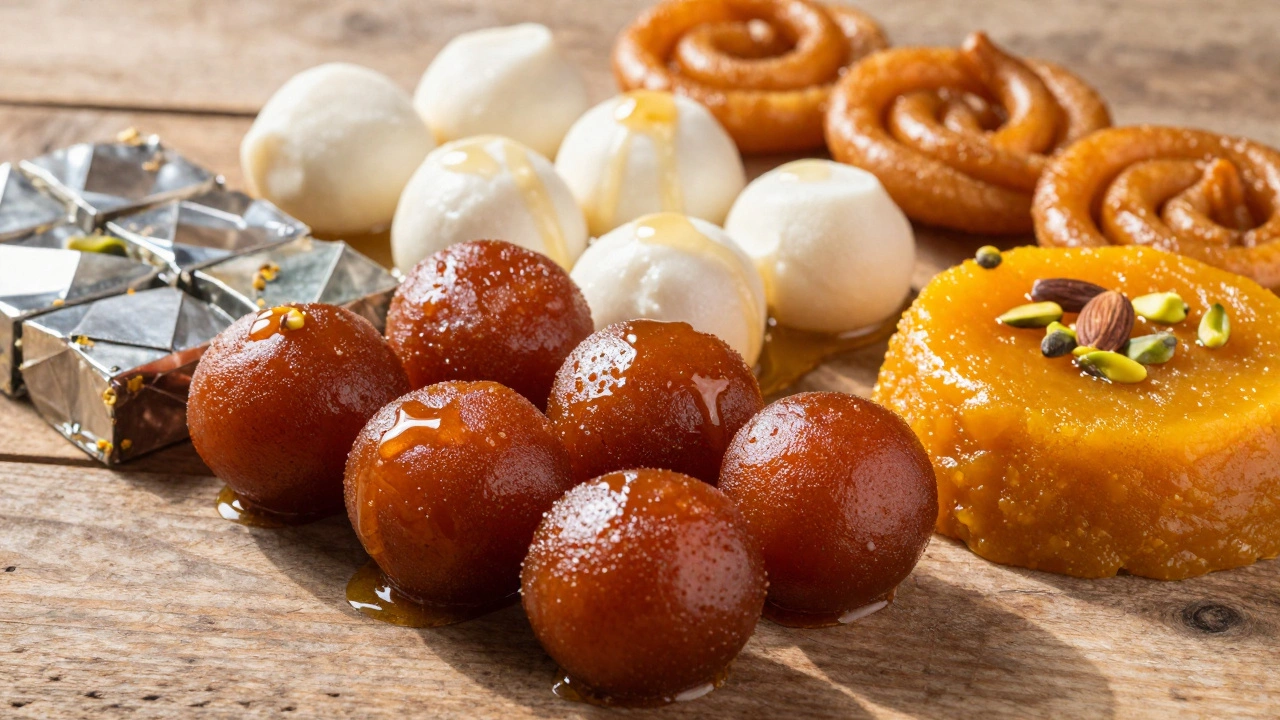
What is the Official Sweet of India? A Guide to Gajar Ka Halwa, Gulab Jamun & More
India has no single official sweet, but Gulab Jamun and Gajar Ka Halwa are top contenders. Explore regional favorites, history, and easy recipes.
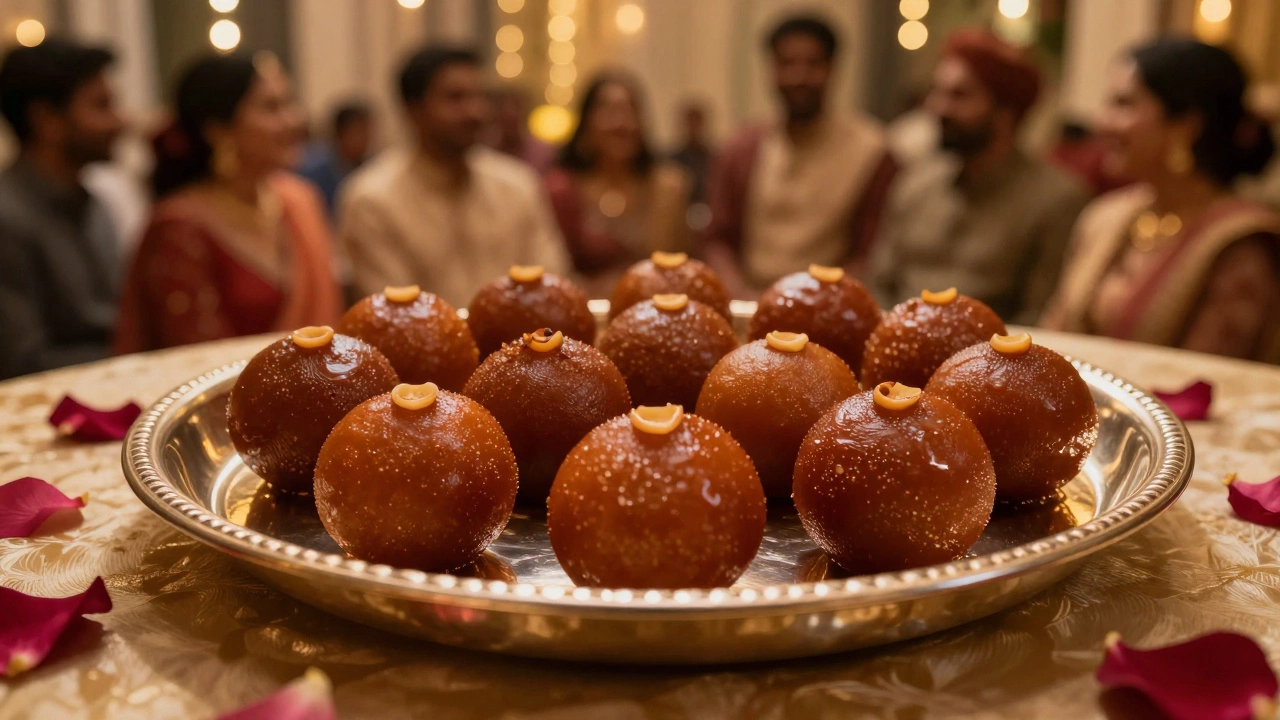
Which Is the Dessert Queen of India? The Sweet That Rules Every Celebration
Gulab jamun is India's dessert queen-soft, fragrant, and central to every celebration. Learn why this sweet beats rasgulla, jalebi, and kheer in tradition, taste, and emotional value.
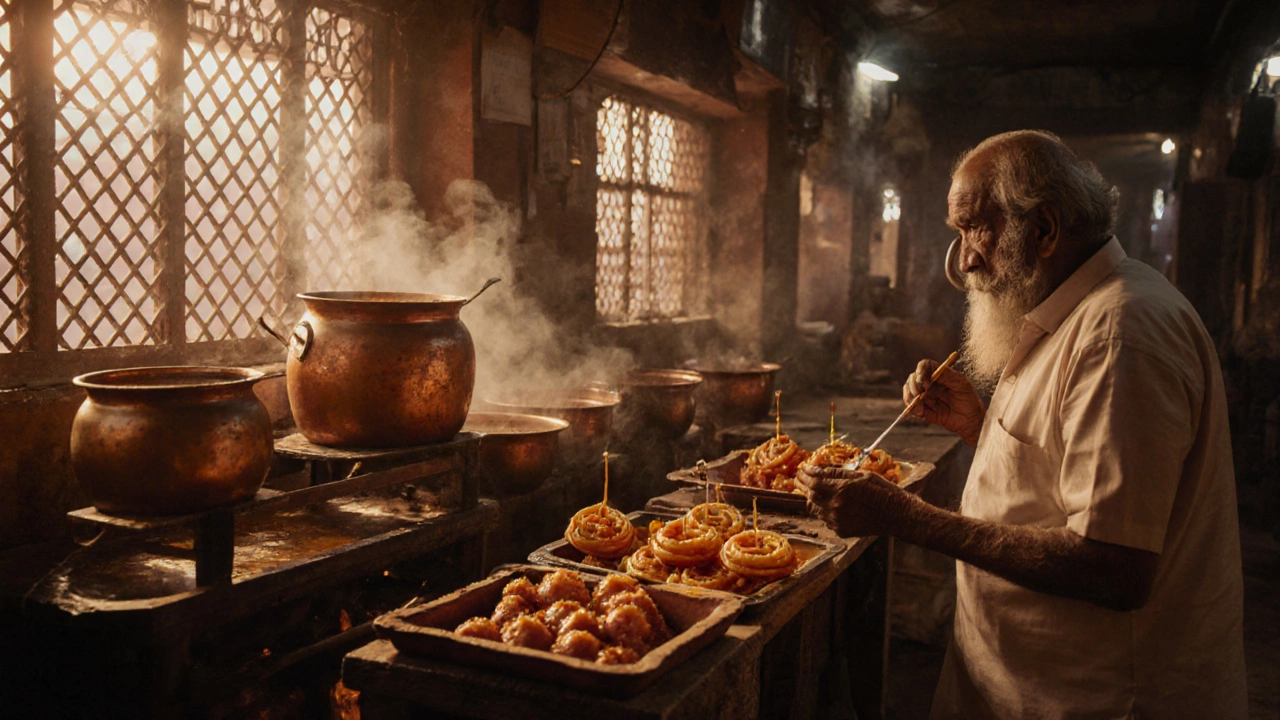
What Is India's Traditional Sweet? A Guide to the Most Beloved Indian Sweets
Discover India's most beloved traditional sweets like gulab jamun, rasgulla, and jalebi-how they're made, why they matter, and where to find the real ones.