What to Eat in India to Avoid Getting Sick: A Local’s Guide
 Dec, 9 2025
If you’ve ever eaten in India and ended up with a stomachache, you’re not alone. Millions of travelers enjoy the country’s food without issue-but a few bad experiences stick in memory because they’re so unexpected. The truth? You don’t need to avoid Indian food to stay healthy. You just need to know what to choose, where to eat, and how to order smartly. I’ve lived in Mumbai for over 30 years, cooked for tourists, and watched friends get sick from the wrong choices. Here’s what actually works.
Stick to Hot, Fresh, and Well-Cooked Food
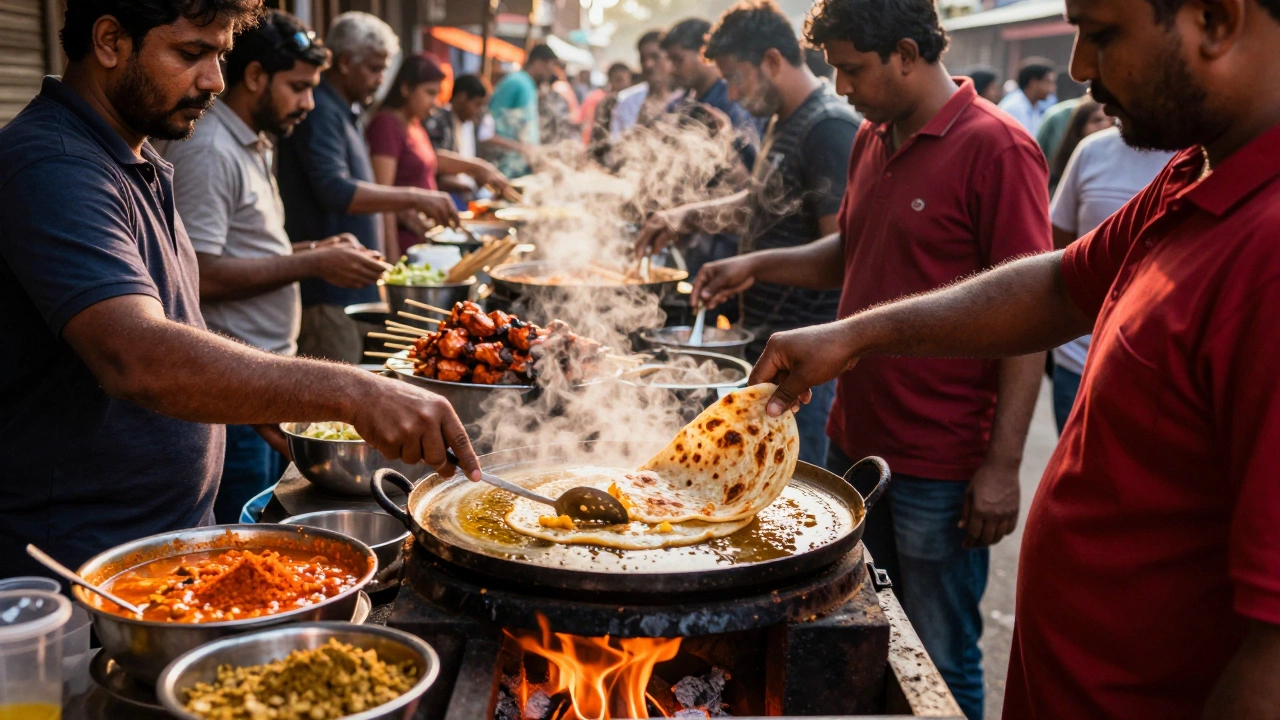
The biggest rule? If it’s not hot, don’t eat it. Heat kills bacteria. That’s why a sizzling chicken tikka from a busy street stall is safer than a room-temperature salad. Indian cooking relies on high-heat methods: tandoor ovens, deep frying, slow simmering. These aren’t just traditions-they’re natural food safety systems.
Look for stalls where the food is cooked in front of you. Watch the oil. Is it clean and smoking hot? Is the meat turning golden brown, not gray? Is the roti being made fresh and slapped onto a hot griddle? These are your clues. A vendor who’s flipping 20 rotis an hour isn’t just busy-they’re serving food that hasn’t sat around long enough to grow bacteria.
Choose These 7 Safe Dishes
Some Indian dishes are naturally low-risk. They’re cooked at high temperatures, served piping hot, and rarely contain raw ingredients. These are your go-to meals:
- Chana masala - Spiced chickpeas stewed for hours in tomato and spices. The long cooking time makes it safe, even if the water wasn’t bottled.
- Dal tadka - Lentils boiled until soft, then finished with hot oil and cumin. The tempering (tadka) at the end kills any lingering microbes.
- Plain rice - Steamed white rice, especially if served fresh from a large pot. Avoid rice that’s been sitting under a heat lamp for hours.
- Tandoori chicken or fish - Cooked in a 480°C clay oven. The intense heat sterilizes the meat. No one gets sick from properly grilled tandoori.
- Paratha with ghee - Fried flatbread with clarified butter. Ghee has a high smoke point and is shelf-stable. Avoid parathas with raw fillings like raw potato or paneer unless you see them being cooked fresh.
- Upma - Semolina cooked with vegetables and mustard seeds in oil. It’s dry, hot, and rarely contains water-based ingredients that can spoil.
- Buttermilk (chaas) - Fermented and naturally probiotic. It’s often served chilled but is safe because fermentation kills bad bacteria. Avoid it if it’s been sitting out for hours in a warm place.
Avoid These 5 Risky Foods
These are the usual suspects behind traveler’s stomach issues. Even if they’re delicious, skip them unless you’re certain of the source:
- Raw salads - Lettuce, cucumber, tomatoes washed in tap water. Even if they look clean, the water might carry E. coli or giardia.
- Ice in drinks - Unless you’re at a high-end hotel or restaurant that uses filtered water, skip the ice. Bottled drinks with sealed lids are fine. Avoid juice from roadside stalls unless it’s freshly squeezed in front of you and served immediately.
- Street-side fruit slices - Mango, watermelon, pineapple cut and left out for hours. You can eat whole fruit if you peel it yourself. Avoid pre-cut fruit unless it’s refrigerated and covered.
- Raw paneer or dairy desserts - Especially from unmarked carts. Paneer is made from milk that’s not always pasteurized. Stick to packaged brands like Amul for snacks.
- Unpasteurized yogurt - While fermented yogurt is safe, some homemade versions from small vendors aren’t properly cultured. Look for yogurt served in sealed containers or from known brands.
Drink Smart: Water, Tea, and Bottled Beverages
Most stomach issues in India come from water, not food. You don’t need to avoid drinking entirely-you just need to be picky.
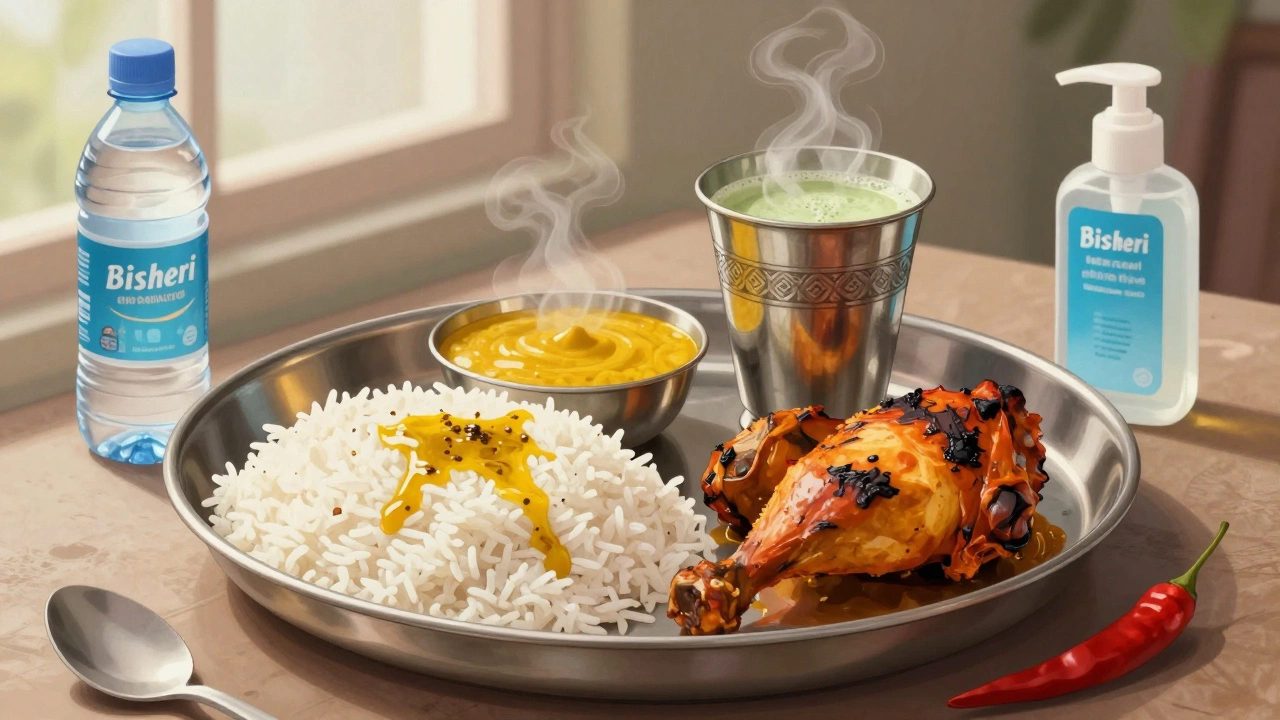
Always choose sealed bottled water from trusted brands like Aquafina, Kinley, or Bisleri. Check the cap seal. If it’s broken, don’t drink it. Even in luxury hotels, some staff refill bottles with tap water. Ask for a new, sealed one.
Tea is your best friend. Chai is boiled for minutes with milk and sugar. The boiling process makes it safe. Order it hot, not lukewarm. Same with coffee-brewed fresh, not left to sit.
Carbonated drinks like cola or soda are safe because they’re sealed and acidic. Avoid fruit-based soft drinks unless you see them opened from a new bottle.
Where to Eat: Street Stalls vs. Restaurants
Street food isn’t the enemy. In fact, some of the safest meals I’ve had were from a cart with 20 people waiting. Here’s how to pick:
- Look for crowds - If locals are lining up, it’s a good sign. High turnover means fresh food, not leftovers.
- Watch the vendor’s hands - Do they use tongs? Gloves? Or just their fingers? You don’t need gloves, but they should avoid touching money and food with the same hands.
- Choose busy restaurants - A place that fills up at lunchtime is more likely to use fresh ingredients daily. A quiet place with a single table might be using old stock.
- Avoid tourist traps - Restaurants that hand out flyers, have menus in 10 languages, or advertise "Western food" often compromise on hygiene to serve fast, cheap meals.
Pro Tips from a Local
Here’s what I do every day:
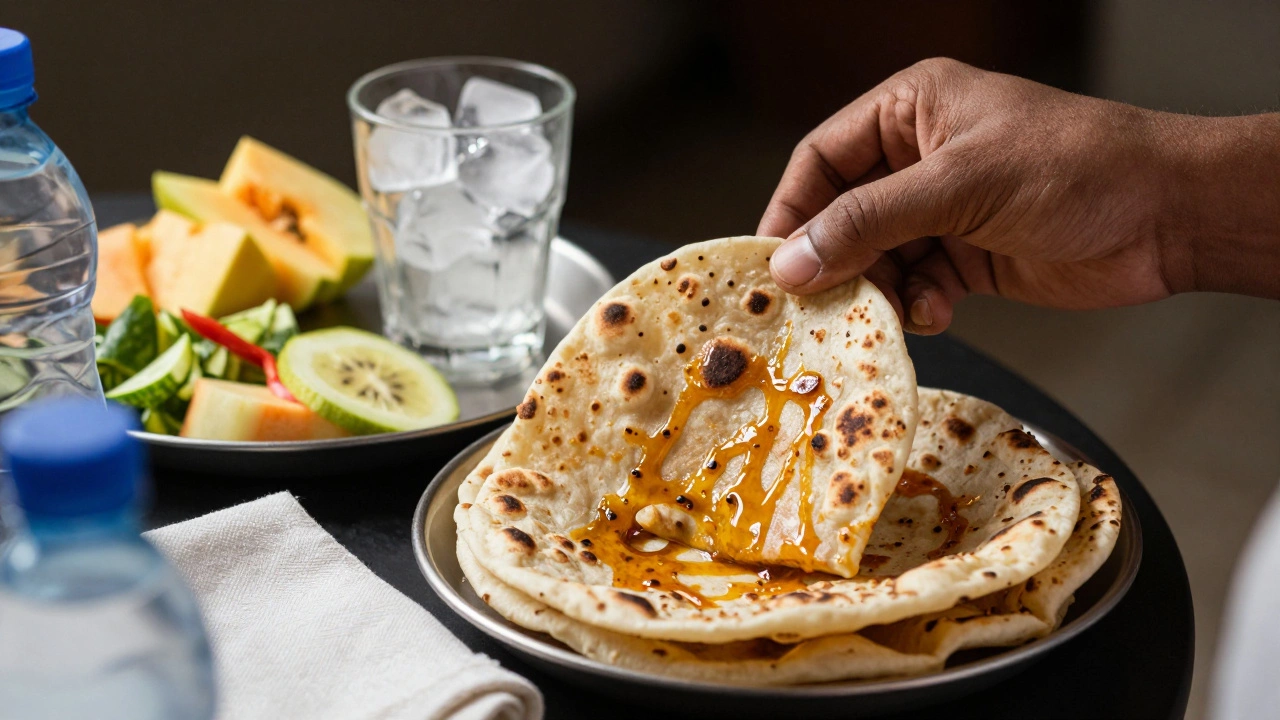
- I carry a small bottle of hand sanitizer. Use it before eating, even if you’re using utensils.
- I never eat from a plate that’s been wiped with a damp cloth. If the cloth looks dirty, ask for a new one-or eat with your hands (it’s normal in India).
- I avoid eating at dawn or late night. Most vendors don’t prep food before 7 a.m. or after 9 p.m. That’s when leftovers get reused.
- I drink only boiled or bottled water-even when brushing my teeth.
- I keep oral rehydration salts (ORS) in my bag. If you feel even a hint of nausea, mix one packet in a bottle of water. It stops dehydration before it starts.
What to Do If You Get Sick
Even with all the precautions, your body might react. India’s microbes are different. It’s not always about dirt-it’s about your gut adjusting.
If you get mild diarrhea:
- Drink ORS or coconut water.
- Stick to plain rice, toast, or bananas.
- Don’t take antibiotics unless a doctor prescribes them. Most cases resolve in 24-48 hours.
If you have fever, blood in stool, or vomiting for more than 24 hours, go to a clinic. Hospitals in major cities like Mumbai, Delhi, or Bangalore have English-speaking staff and reliable labs.
Don’t panic. Most travelers recover quickly. The key is hydration and rest.
Final Thought: India’s Food Is Safe-If You Know How to Eat It
You don’t need to live like a hermit to enjoy Indian food. The country’s cuisine is one of the most flavorful and diverse on Earth-and millions of locals eat it every day without issue. The difference? They know the rules. You can too.
Hot food. Clean hands. Sealed water. Crowded stalls. Skip the ice. Eat the chai. Trust your nose-if it smells off, walk away.
India’s food isn’t dangerous. It’s just different. And once you learn how to navigate it, you’ll eat better, taste more, and feel more connected to the culture than you ever thought possible.
Can I eat street food in India without getting sick?
Yes, if you follow a few simple rules. Choose stalls where food is cooked fresh and served hot. Look for high turnover-crowds are a good sign. Avoid raw salads, ice, and pre-cut fruit. Stick to items like tandoori chicken, dal tadka, and chana masala. Most street vendors in busy areas follow hygiene practices out of necessity, not just tradition.
Is bottled water really necessary in India?
Yes. Even in luxury hotels, tap water isn’t safe to drink. Always choose sealed bottles from trusted brands like Bisleri, Aquafina, or Kinley. Check the cap seal before opening. Use bottled water for brushing your teeth too. Boiled water is safe if you boil it for at least five minutes, but bottled is more reliable.
What Indian dishes are safest for travelers?
The safest dishes are those cooked at high heat and served hot: tandoori chicken, dal tadka, chana masala, plain rice, upma, and paratha with ghee. These are rarely served raw or left sitting. Avoid anything with raw vegetables, uncooked dairy, or cold sauces.
Can I drink chai in India?
Absolutely. Chai is boiled for several minutes with milk and sugar, which kills harmful bacteria. Order it hot and fresh. Avoid chai that’s been sitting on a counter for hours. The hotter and fresher, the safer.
Should I avoid dairy in India?
Not all dairy. Packaged products like Amul cheese, yogurt, and butter are pasteurized and safe. Avoid homemade paneer or yogurt from unmarked carts. If it’s sold in a sealed container and refrigerated, it’s fine. If it’s sitting out on a counter, skip it.
What should I do if I get sick after eating in India?
Stay hydrated. Drink oral rehydration salts (ORS) or coconut water. Eat bland foods like rice and toast. Don’t take antibiotics unless prescribed. Most cases clear up in 1-2 days. If you have fever, blood in stool, or vomiting longer than 24 hours, see a doctor. Major cities have clinics with English-speaking staff and reliable care.