Safe Food in India: How to Eat Well and Avoid Risk
When it comes to safe food in India, food that’s prepared cleanly, stored properly, and cooked at the right temperature to prevent illness. Also known as hygienic Indian eating, it’s not about avoiding street food—it’s about knowing what to look for. Many people assume Indian food is risky, but that’s not true. The real issue isn’t the spices or the cooking style—it’s how food is handled before it reaches your plate.
Food hygiene in India, the practices that keep meals free from bacteria, dirt, and contamination, starts with simple things: rinsing lentils before cooking, using fresh oil, and making sure rotis are cooked all the way through. Skipping rinsing lentils doesn’t just make your dal gritty—it can bring in sand, insect parts, or mold. Same with chicken: putting raw chicken straight into curry is fine, but only if you cook it until it’s no longer pink inside. Heat kills bacteria, not time or luck.
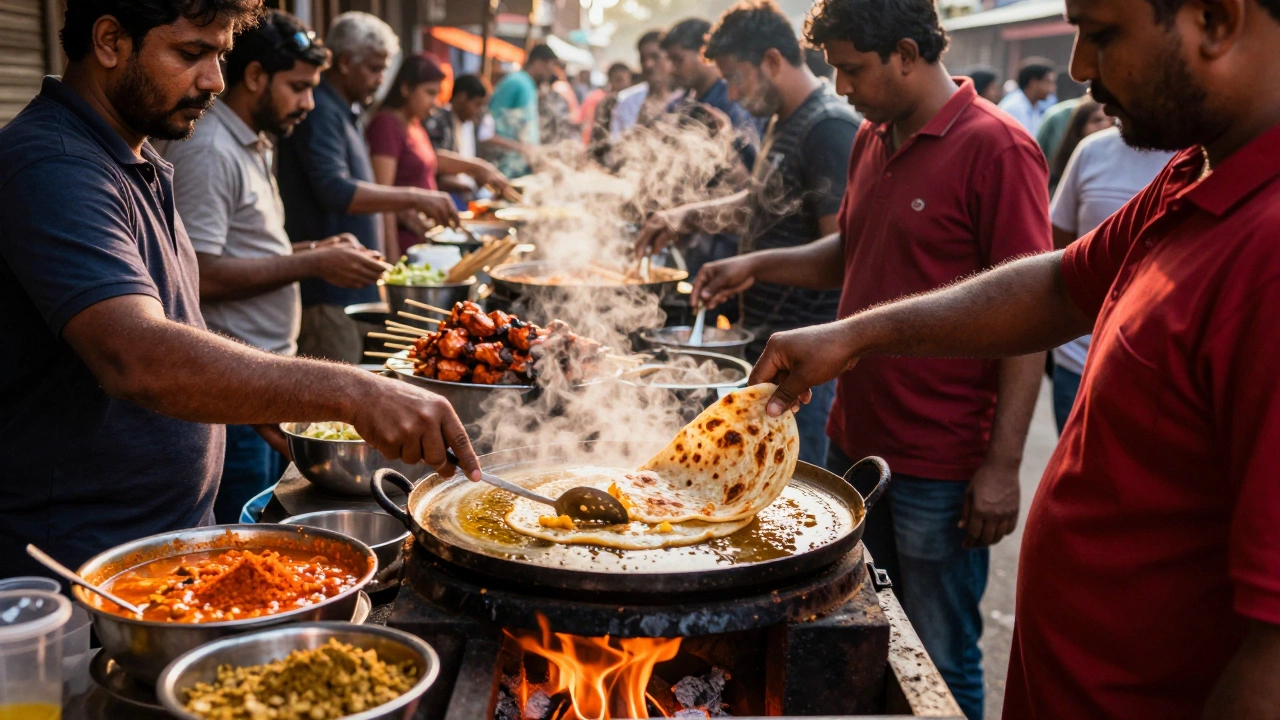
Clean street food, meals sold by vendors who follow basic safety rules is everywhere in India—and it’s often the tastiest. Look for stalls with high turnover, where food is cooked fresh in front of you. If the oil looks dark and reused, walk away. If the chutney sits out uncovered for hours, skip it. But if the vendor uses fresh cilantro, boils milk for paneer, and washes their hands between orders? That’s safe food in India at its best.
Even the healthiest Indian meals can go wrong. Naan made with refined flour and butter isn’t bad because it’s Indian—it’s bad because it’s fried in old oil and eaten every day. The same goes for fried snacks like samosas or jalebi. They’re not dangerous by nature, but when they’re made with low-quality oil or left sitting out, they become a problem. The fix? Eat them occasionally, and pair them with fiber-rich dals or yogurt-based chutneys that help your gut.
And don’t forget the little things. Did you know that homemade fermented chutney is full of good bacteria for your gut? Store-bought versions? Usually just vinegar and sugar. Same with milk: if you’re making paneer at home, only full-fat cow or buffalo milk works. Skim milk won’t curdle right—and if it’s ultrapasteurized, it might not even be safe for traditional recipes. These aren’t just cooking tips—they’re food safety steps.
Safe food in India isn’t about avoiding the culture—it’s about respecting the rules that keep it alive. It’s knowing that roti cooked on low heat stays soft and safe, while burning it creates harmful compounds. It’s understanding that not all dals are equal at night—some are easy to digest, others can cause bloating. It’s realizing that Virat Kohli’s breakfast isn’t just for athletes—it’s built on protein, fiber, and clean ingredients that keep energy steady.
Below, you’ll find real, practical advice from people who cook this food every day. No theory. No fluff. Just what works—whether you’re making dal in a village kitchen, ordering biryani on a delivery app, or trying your first street-side chaat. You’ll learn how to spot danger before it hits your plate, and how to enjoy every bite without worry.
What to Eat in India to Avoid Getting Sick: A Local’s Guide
Learn which Indian foods are safe to eat and which to avoid to prevent stomach issues. A local’s guide to street food, drinks, and dishes that won’t make you sick.