Avoid Food Poisoning in India: Safe Eating Tips and Common Risks
When you're eating in India, food poisoning, a preventable illness caused by eating contaminated food or water. It's not about fear—it's about knowing what to watch for. Thousands of travelers get sick every year, not because Indian food is dangerous, but because they don’t know the simple rules locals follow every day. The truth? Most cases come from water, raw veggies, or food left out too long—not from spices or curry.
One big risk is street food, popular, affordable meals sold by vendors in open-air markets. chaat and pani puri are delicious, but if the water used to wash ingredients or make sauces isn’t clean, it’s a problem. Locals often drink bottled or boiled water, avoid ice unless it’s from a trusted source, and skip raw salads unless they’re washed in vinegar or boiled water. You don’t need to avoid street food—just pick busy stalls where food is cooked fresh in front of you and eaten right away.
Another hidden risk is lentils, a staple in Indian meals like dal. moong dal and urad dal are healthy, but if they’re not rinsed properly, dirt, dust, and even insect parts can stay behind. That’s not just gritty—it can upset your stomach. Same goes for rice: if it’s not washed before cooking, it can carry bacteria that survive cooking if the water isn’t clean. And don’t forget dairy: paneer made from unpasteurized milk or left unrefrigerated can turn dangerous fast. Always check if it’s fresh, firm, and smells clean.
People think spicy food kills germs, but that’s a myth. Chilies don’t sterilize food. What actually helps? Heat. Food served piping hot—steaming, not just warm—is safer. If your curry is lukewarm or sitting out for hours, it’s not worth the risk. Also, avoid reheated food unless you’re sure it was stored properly. Most home kitchens in India cook fresh daily, and that’s why their food is safer than restaurant leftovers.
Drinking tap water is a no-go, even for locals who’ve lived there years. Bottled water is cheap and widely available. But even bottled water can be fake—look for sealed caps and trusted brands. When brushing your teeth, use bottled water. Same with washing fruits: rinse them with bottled or boiled water, even if they’re peeled. Mangoes, papayas, and bananas are fine if you peel them yourself, but pre-cut fruit from roadside stands? Skip it.
There’s no magic trick to staying healthy in India. It’s about small, smart choices: eat where it’s busy, drink what’s sealed, skip the ice, and trust your gut—if something looks or smells off, walk away. You don’t need to avoid Indian food to stay safe—you just need to eat it the way locals do. The recipes below show you how to make everything from dal to naan safely at home, so you can enjoy the flavors without the risk.
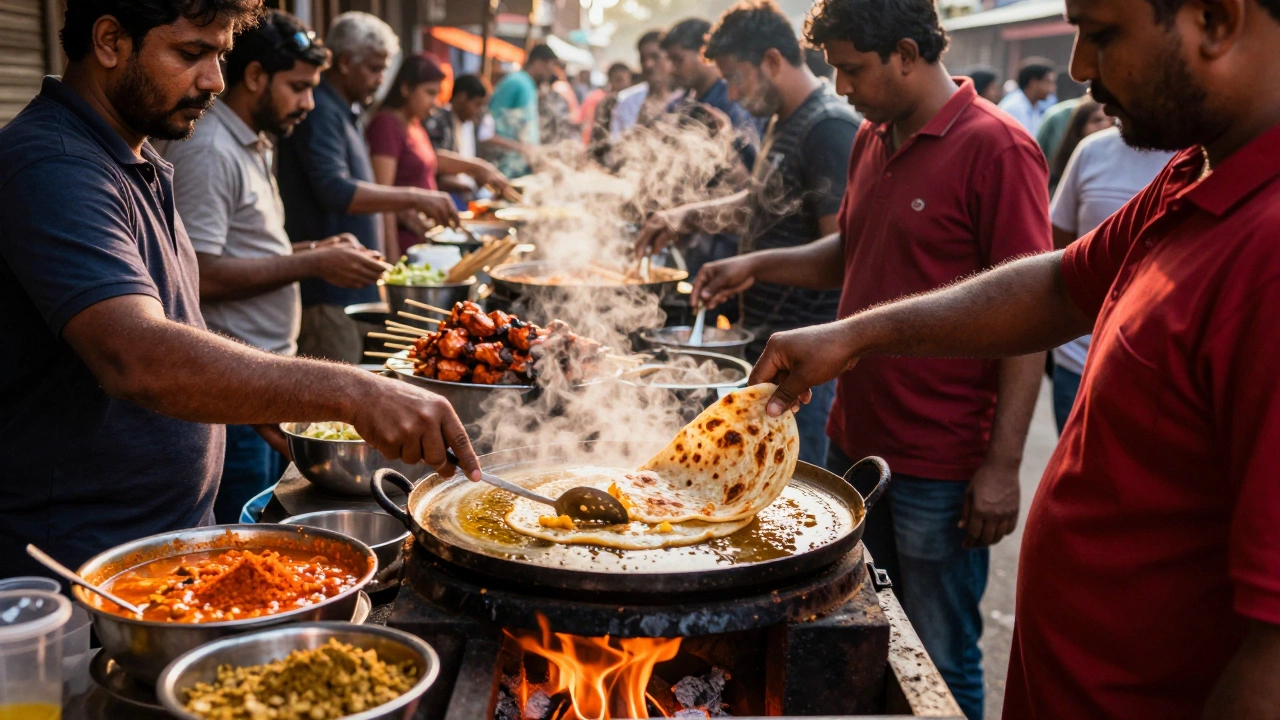
What to Eat in India to Avoid Getting Sick: A Local’s Guide
Learn which Indian foods are safe to eat and which to avoid to prevent stomach issues. A local’s guide to street food, drinks, and dishes that won’t make you sick.