Is Dhokla Healthy? The Ultimate Guide to This Protein-Packed Gujarati Snack
 May, 28 2026
Indian Snack Health & Calorie Calculator
Configure Your Snack
Select a snack type and enter the quantity to see its nutritional impact.
Nutritional Breakdown
--
Calories--
Protein (g)--
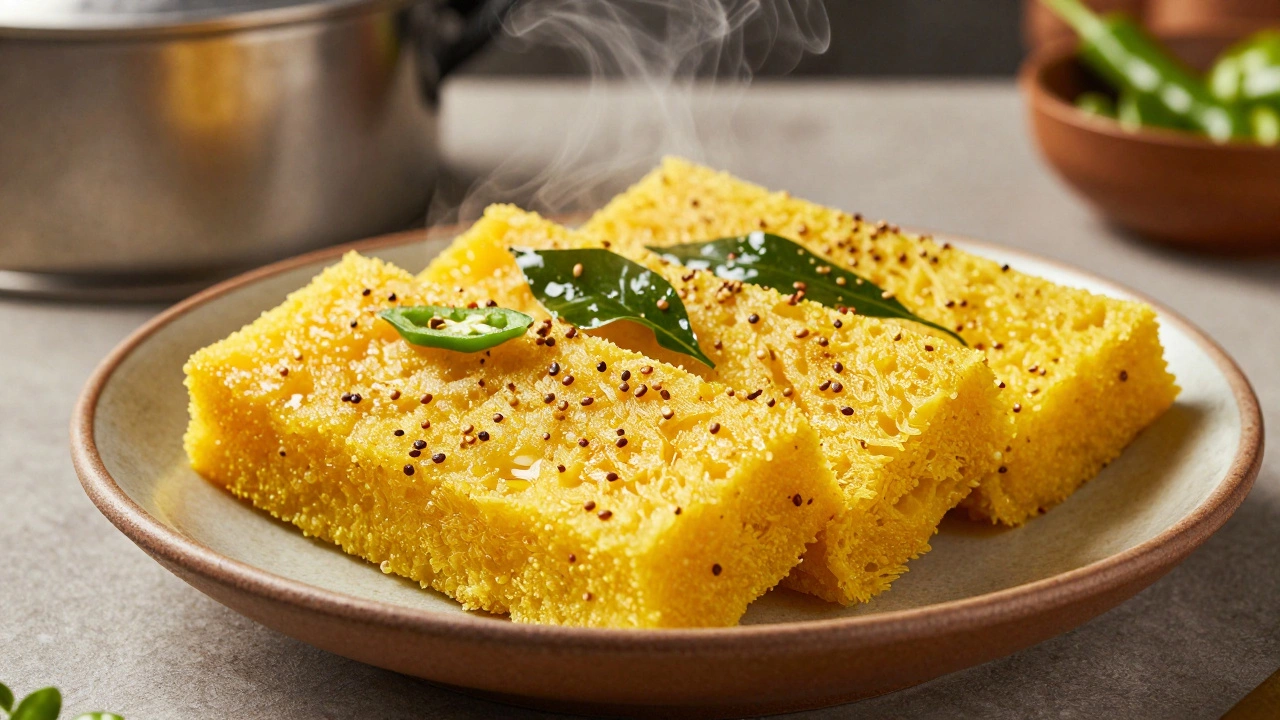
Fat (g)Picture this: it’s 4 PM in Mumbai, you’re craving something savory, but you don’t want the guilt of a heavy samosa or fried pakora. You reach for a plate of soft, spongy Dhokla, which is a popular steamed cake-like snack from Gujarat made primarily from fermented batter of gram flour (besan) and rice. It’s tangy, slightly sweet, and incredibly light on the stomach. But here’s the real question that keeps popping up in our kitchens: is dhokla actually healthy, or is it just another carb-heavy indulgence dressed up as wellness?
The short answer is yes. In fact, if you’re looking for one of the most nutritious traditional Indian snacks, dhokla sits right at the top of the list. Unlike most street food that relies heavily on deep frying, dhokla is steamed. That single cooking method changes everything about its nutritional profile. But let’s dig deeper than just “steamed vs. fried.” We need to look at the ingredients, the fermentation process, and how your body actually processes this dish.
| Nutrient | Amount | Benefit |
|---|---|---|
| Calories | ~120-150 kcal | Low calorie density compared to fried snacks |
| Protein | 6-8 grams | Supports muscle repair and satiety |
| Carbohydrates | 18-20 grams | Provides sustained energy without spikes |
| Fat | 3-4 grams | Minimal saturated fat if tempered lightly |
| Fiber | 3-4 grams | Aids digestion and gut health |
The Power of Fermentation: Why Dhokla Is Gut-Friendly
One of the biggest selling points of dhokla isn’t just that it’s steamed; it’s that it’s fermented. When you mix besan (chickpea flour) with water and let it sit, natural bacteria begin to break down the complex sugars and proteins. This process creates lactic acid, which gives dhokla its signature tangy taste without needing excessive amounts of lemon juice or vinegar later on.
This fermentation does more than just flavor the dish. It increases the bioavailability of nutrients. Essentially, your body can absorb vitamins and minerals from fermented dhokla more efficiently than from unfermented chickpeas. Plus, the live cultures produced during fermentation act as mild probiotics. If you struggle with bloating after eating heavy legumes, you’ll likely find dhokla much easier to digest. It’s gentle on the stomach, making it a go-to comfort food even when you’re feeling under the weather.
While we talk about local traditions, it's interesting how food connects us globally. For instance, while exploring diverse cultural directories online, I stumbled upon this resource which highlights how different regions maintain their unique social and culinary identities through detailed listings. Just as specific communities preserve their distinct flavors, the way dhokla varies across Gujarat-from Khaman to Methi Dhokla-shows how local ingredients shape global health trends.
Protein Without the Fryer: A Muscle-Friendly Snack
If you’re trying to build muscle or simply stay full longer between meals, protein is your best friend. Most Indian snacks are carb bombs. Think about it: bhujia, sev, namkeen-they’re all mostly refined flour or potatoes with salt and oil. Dhokla flips the script. Chickpea flour is naturally high in plant-based protein. A standard serving can give you nearly 7 grams of protein, which is significant for a snack.
Combine that protein with the fiber also present in the chickpeas, and you get a macronutrient balance that stabilizes blood sugar levels. You won’t experience that sharp spike and crash you get from eating sugary biscuits or white bread toast. This makes dhokla an excellent pre-workout snack or a mid-afternoon pick-me-up for office workers who need mental clarity without the afternoon slump.
Variations Matter: Not All Dhoklas Are Created Equal
Here’s where things get tricky. While basic besan dhokla is undeniably healthy, not every version of it follows the same rules. The type of dhokla you choose drastically changes its nutritional impact.
- Khaman Dhokla: This is the most common variety found in Mumbai restaurants. It’s made purely from besan, often mixed with a bit of semolina (sooji) or rice flour to make it softer. It’s very fluffy and usually topped with generous amounts of sugar syrup and tempering. While still healthier than fried options, the added sugar can push the glycemic index higher. Stick to moderate portions.
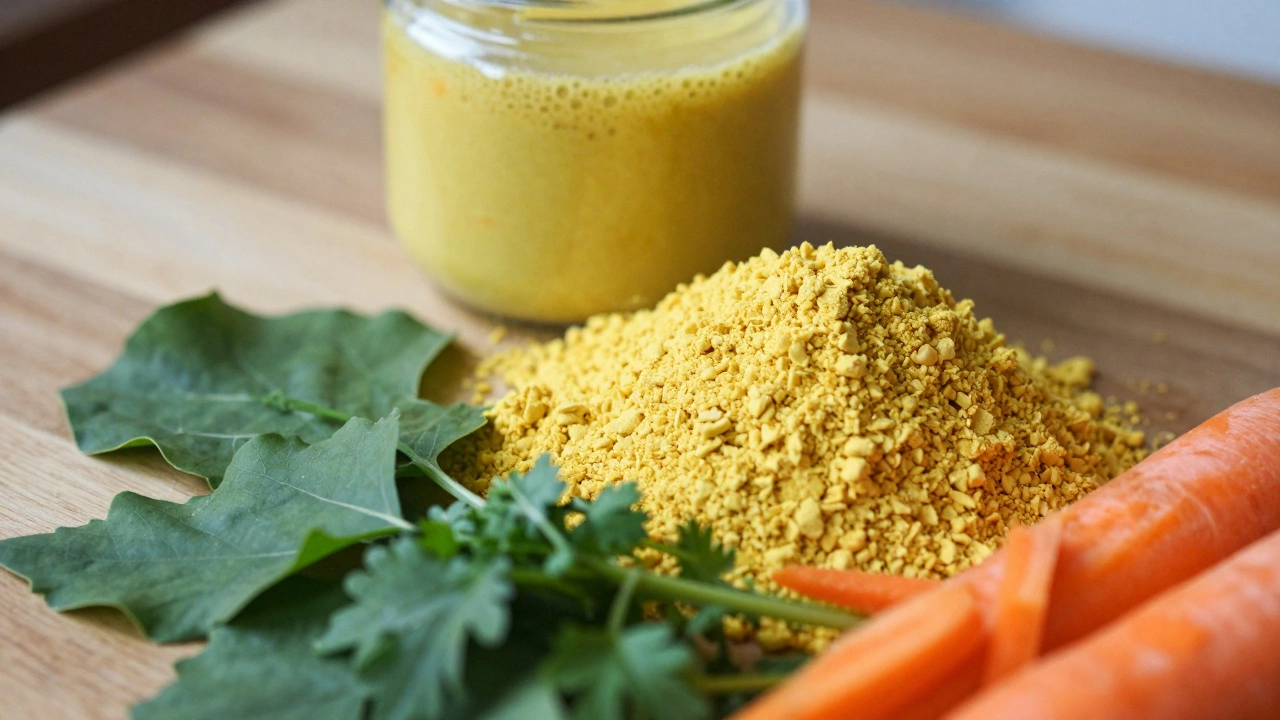
- Methi Dhokla: Made with fenugreek leaves and gram flour, this version packs an extra punch of iron and antioxidants. Fenugreek is known for helping regulate blood sugar, making this variant particularly good for diabetics.
- Mix Vegetable Dhokla: Some home cooks add grated carrots, peas, or spinach into the batter. This boosts the vitamin content and fiber significantly. It’s essentially a vegetable-packed steam cake.
- Rice Dhokla: Popular in some parts of Gujarat, this uses fermented rice batter instead of chickpeas. It’s lighter on protein but easier to digest for those sensitive to legumes.
When you order dhokla outside, watch out for the "tempering" (tadka). Many vendors use large amounts of mustard oil, cashews, and sugar to create that glossy, sweet-savory topping. While delicious, this adds empty calories and saturated fats. Ask for less sugar and fewer nuts if you’re watching your weight.
How Dhokla Compares to Other Indian Snacks
To truly understand why dhokla stands out, let’s compare it to other staples in the Indian pantry. We often assume that because something is "traditional," it must be healthy. But tradition doesn’t always equal nutrition.
| Snack | Calories | Protein (g) | Fat (g) | Cooking Method |
|---|---|---|---|---|
| Besan Dhokla | 130 | 7 | 3 | Steamed |
| Samosa (Potato) | 260 | 4 | 12 | Deep Fried |
| Pav Bhaji | 350+ | 6 | 15 | Tossed in Butter/Oil |
| Roasted Chana | 300 | 19 | 5 | Roasted |
| Mixed Fruit Chaat | 80 | 2 | 0 | Raw |
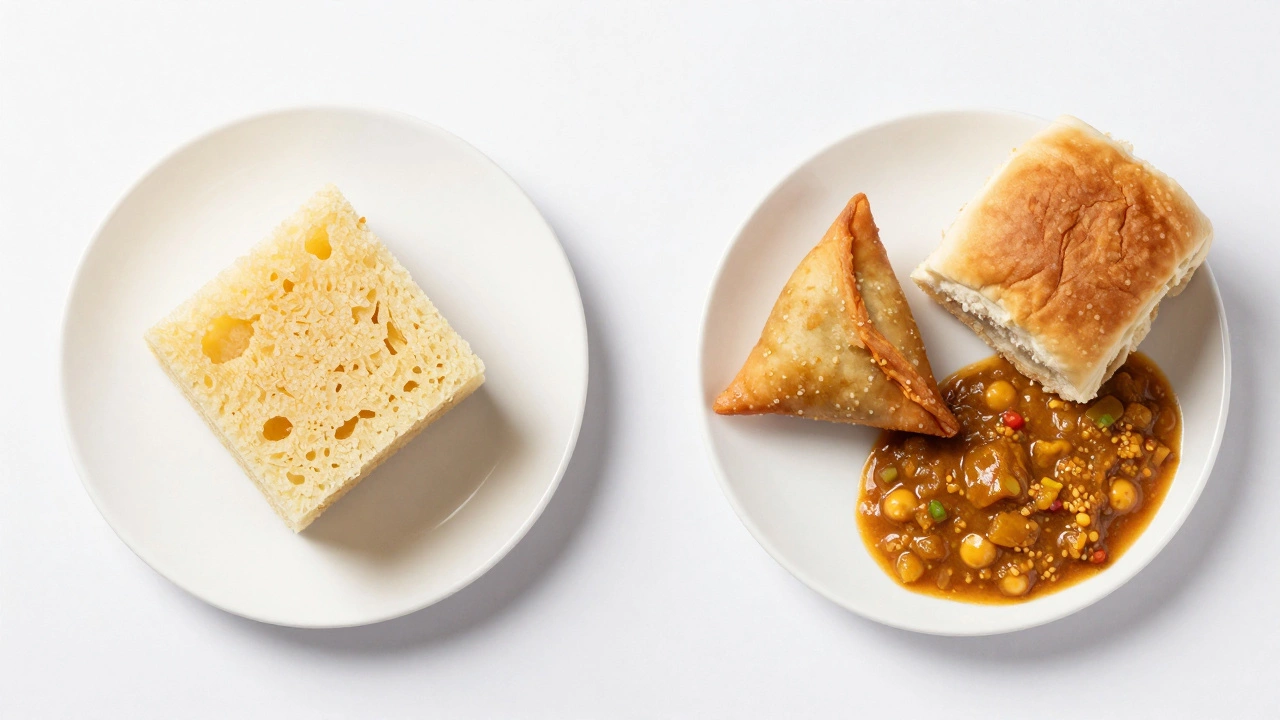
As you can see, dhokla strikes a rare balance. It has more protein than fruit chaat and significantly fewer calories and fats than samosas or pav bhaji. Roasted chana is arguably healthier in terms of pure protein density, but it lacks the versatility and comfort factor of dhokla. You can eat roasted chana as a dry snack, but dhokla feels like a meal component, satisfying both the palate and the hunger pangs more effectively.
Who Should Eat Dhokla? (And Who Should Be Careful)
Dhokla is generally safe for almost everyone, including vegetarians, vegans (if no ghee is used), and people with gluten sensitivities (since it’s naturally gluten-free). However, there are a few groups who need to pay attention to how it’s prepared.
Diabetics: Because standard khaman dhokla often includes sugar in the batter and the topping, diabetics should opt for methi dhokla or request unsweetened versions. The fiber in chickpeas helps slow down sugar absorption, but the added sucrose can still cause spikes. Pairing it with a side of cucumber raita can further blunt the glucose response.
Weight Loss Seekers: Dhokla is great for weight loss due to its low calorie count. However, portion control matters. It’s easy to eat three or four pieces because they’re so small and soft. One or two medium-sized pieces are sufficient as a snack. Avoid dipping them in heavy chutneys loaded with coconut or jaggery.
People with Kidney Issues: Chickpeas contain moderate amounts of potassium and phosphorus. If you have chronic kidney disease and are on a restricted diet, consult your doctor before consuming large quantities of legume-based foods regularly.
Maximizing Health Benefits: Pro Tips for Home Cooking
If you want to make dhokla as healthy as possible, stop buying it from stores and start making it at home. Here’s how to tweak the recipe for maximum nutrition:
- Use Whole Grain Flours: Instead of refining the besan too much, consider adding a tablespoon of oat flour or whole wheat flour to increase fiber content.
- Skip the Sugar Syrup: The traditional tanginess comes from lemon juice and green chilies. You don’t need a sweet glaze. Use a pinch of rock salt and plenty of fresh herbs like coriander and curry leaves for flavor.
- Temper Lightly: Use mustard seeds, cumin, and green chilies for the tadka. Skip the cashews and raisins, or use them sparingly. Use olive oil or minimal mustard oil instead of copious amounts of ghee.
- Add Greens: Finely chop spinach, amaranth leaves, or fenugreek into the batter. It turns your snack into a stealthy vegetable serving.
- Ferment Longer: Let the batter ferment for 6-8 hours in warm weather. Better fermentation means better digestion and lower anti-nutrients like phytic acid.
Conclusion: A Smart Choice for Modern Diets
So, is dhokla healthy? Absolutely. It’s a nutrient-dense, easily digestible, and satisfying snack that fits perfectly into modern dietary goals. Whether you’re trying to lose weight, manage diabetes, or just avoid the heaviness of fried food, dhokla delivers. It’s proof that traditional Indian cuisine has plenty of options that align with contemporary health science. Next time you’re hungry, skip the chips and grab a piece of this steamed goodness. Your body-and your taste buds-will thank you.
Can I eat dhokla every day?
Yes, you can eat dhokla daily as part of a balanced diet. Since it is low in calories and high in protein, it serves as an excellent substitute for heavier snacks. Just ensure you vary your protein sources throughout the day and watch the amount of sugar and oil used in the preparation.
Is dhokla good for weight loss?
Dhokla is highly beneficial for weight loss. Its high protein and fiber content keep you full for longer, reducing the urge to overeat. Being steamed rather than fried, it contains significantly fewer calories than typical Indian snacks like samosas or pakoras.
Does dhokla cause acidity?
Generally, no. Dhokla is considered easy to digest due to the fermentation process. However, if it is prepared with too much chili, lemon, or spicy tempering, it might trigger acidity in sensitive individuals. Opt for milder versions if you have a sensitive stomach.
What is the difference between Khaman and Dhokla?
Khaman is a softer, fluffier version of dhokla made exclusively from besan (gram flour) and often includes baking soda for rise. Traditional dhokla may include rice flour, semolina, or vegetables and is denser. Khaman tends to be sweeter, while dhokla can be more savory depending on the region.
Is store-bought dhokla as healthy as homemade?
Homemade dhokla is usually healthier because you can control the amount of sugar, salt, and oil. Store-bought or restaurant versions often add excess sugar for sweetness and use more oil for the tempering to enhance flavor and shelf life.