What is a Thickening Agent for Chutney? Best Natural Options & Techniques
 Aug, 14 2026
Chutney Thickening Agent Selector
Select your chutney type below to get personalized thickening recommendations with step-by-step instructions.
🌿 Green Herb Chutney
Mint, cilantro, or coriander-based chutneys for chaat and pakoras
🥥 Coconut Chutney
South Indian style with coconut, onion, or tomato base
🍯 Sweet & Sour Chutney
Tamarind, date, and jaggery-based condiments
🍅 Tomato/Onion Chutney
Stove-cooked vegetable-based chutneys
🥛 Yogurt Chutney
Curd-based chutneys with herbs and spices
💧 Watery Rescue
Already made chutney that turned out too thin
Recommended Thickener
Step-by-Step Instructions
Important Warnings
Quick Facts
Alternatives
If you don't have the primary recommendation:
Have you ever stirred a pot of homemade chutney only to find it looking more like watery soup than the vibrant condiment you imagined? It’s a frustrating moment in any kitchen. You’ve spent time chopping fresh cilantro, roasting garlic, or grinding spices, but the texture just isn’t right. The good news is that fixing this doesn’t require complicated chemistry or expensive gadgets. You likely already have the solution sitting in your pantry.
Understanding thickening agents for chutney is about knowing which ingredient complements your specific recipe. Are you making a quick green chutney for sandwiches? Or perhaps a slow-cooked tamarind date chutney for samosas? Each type calls for a different approach. Let’s break down the most effective methods to get that perfect, spoonable consistency every time.
The Power of Roasted Gram Flour (Besan)
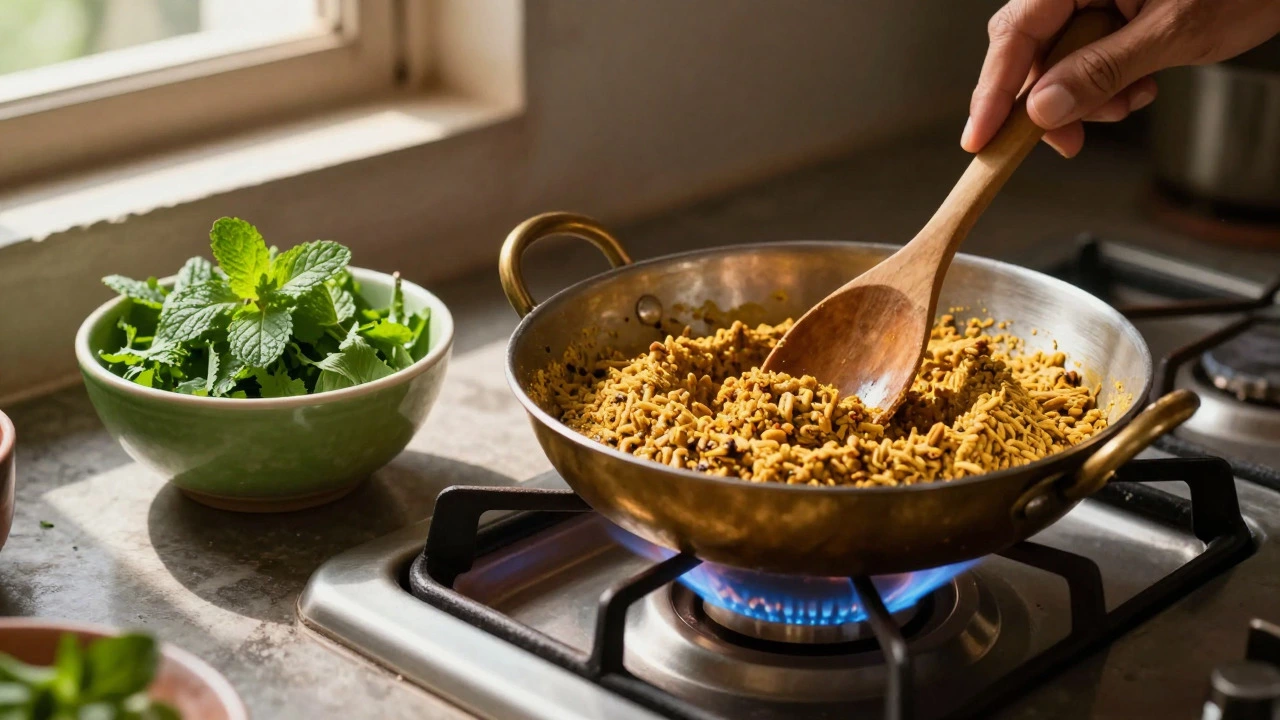
If you are making a raw, uncooked chutney-like the classic mint-cilantro blend served with chaat or pakoras-the secret weapon is roasted gram flour, known as besan. This chickpea flour acts as an instant thickener without needing heat. Unlike cornstarch, which can turn translucent and gelatinous, besan adds a subtle nutty flavor that pairs beautifully with Indian spices.
Here is how to use it effectively:
- Dry roast first: Never add raw besan to your chutney. Heat a small pan, add two tablespoons of besan, and roast it on low flame until it turns golden brown and fragrant. This removes the raw bean taste.
- Cool completely: Wait for the flour to cool down before adding it to your ground chutney. If you add it while hot, it might cook the herbs and change their color.
- Mix gradually: Sprinkle the roasted flour into the chutney and mix well. Start with one teaspoon and work your way up. It absorbs moisture quickly, so you don’t need much.
This method preserves the bright green color of fresh herbs and keeps the texture smooth rather than chunky. It is the standard technique used in street food stalls across Mumbai because it works instantly and holds up well against humidity.
Coconut: The Creamy Thickener
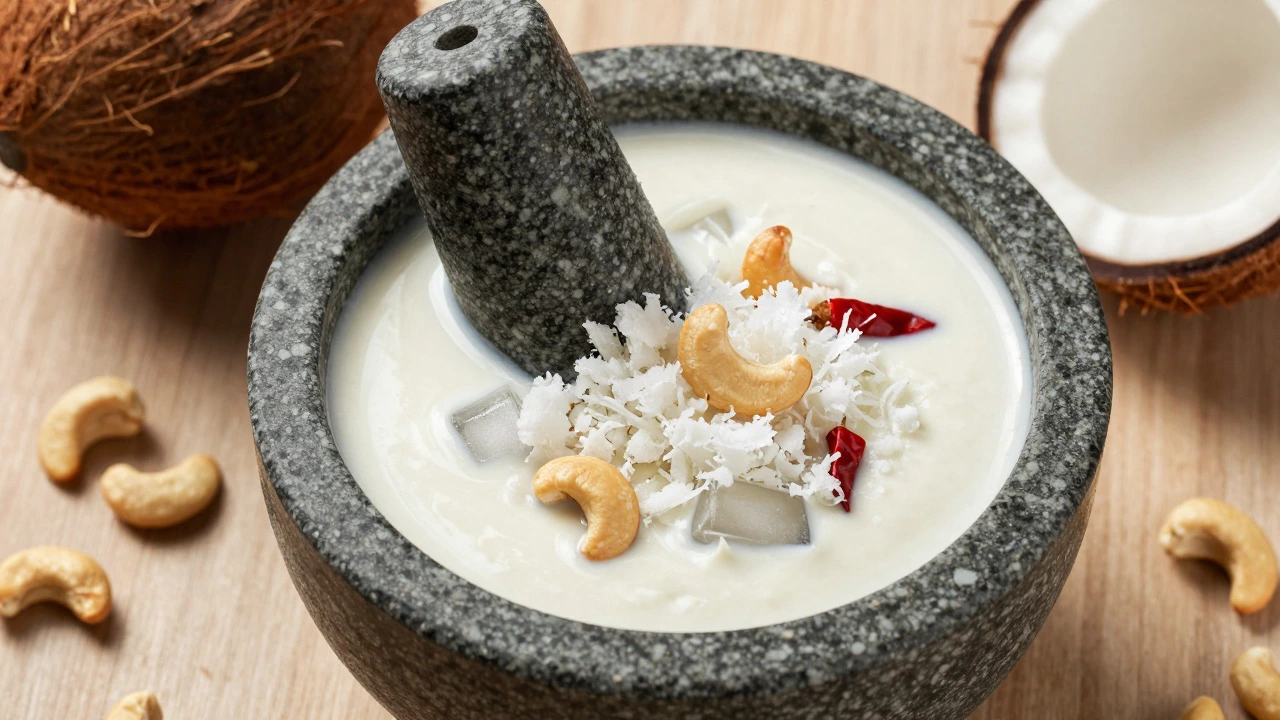
When you are dealing with South Indian style chutneys, such as coconut-tomato or onion-chili blends, the thickening agent is often built into the recipe itself. Fresh grated coconut contains high fiber and fat content, which naturally creates a thick, creamy paste when ground with water.
However, if your coconut chutney comes out too thin, do not reach for flour. Instead, try these adjustments:
- Use less water: When grinding, add ice-cold water sparingly. Coconut releases its own moisture during grinding.
- Add cashews: Soaked cashew nuts act as a binder. Adding five or six soaked cashews to the grinder will increase the viscosity and add a luxurious mouthfeel.
- Frozen coconut: Using frozen grated coconut instead of fresh can sometimes yield a thicker result because the cell walls break down differently during grinding, releasing more starch-like compounds.
This approach maintains the authentic flavor profile while ensuring the chutney coats your dosa or idli properly. It relies on the natural properties of coconut and cashews rather than external additives.
Tamarind and Dates: Natural Gums
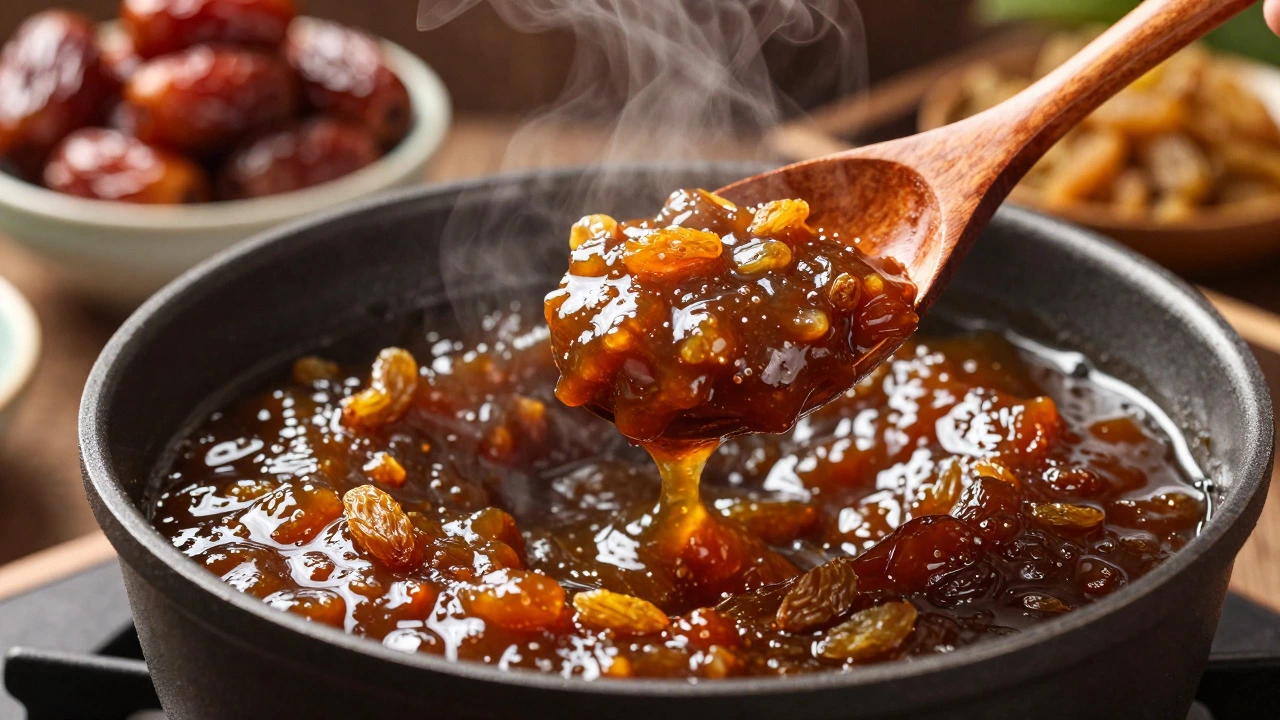
Sweet-sour chutneys, often made with tamarind pulp, jaggery, and dates, rely on pectin and natural sugars for thickness. As these ingredients simmer, they release fibers that create a jam-like consistency. If your tamarind chutney remains runny even after boiling, it usually means there wasn’t enough solid matter in the base.
To fix this, consider adding:
- Pitted dates: Dates are rich in soluble fiber. Grinding them into a fine paste before adding to the tamarind mixture will significantly boost thickness.
- Raisins: Soaked raisins ground into a powder work similarly to dates. They add sweetness and body without altering the sour balance too drastically.
- Reduce further: Sometimes, patience is the best thickener. Simmer the chutney uncovered on low heat. Evaporation concentrates the flavors and thickens the liquid naturally.
Avoid adding cornflour to sweet chutneys unless necessary, as it can create a strange, pasty texture that clashes with the smoothness expected from fruit-based sauces.
Cornstarch and Arrowroot: The Quick Fixes
While traditionalists prefer besan or coconut, modern kitchens often turn to cornstarch or arrowroot powder for speed. These are pure starches that gelatinize rapidly when heated. They are excellent for cooked chutneys where you want a glossy finish and a stable texture that won’t separate over time.
Using starch requires a specific technique to avoid lumps:
- Make a slurry: Mix one teaspoon of cornstarch with two teaspoons of cold water. Stir until the powder dissolves completely.
- Temper the chutney: Ensure your chutney is simmering gently. Do not boil vigorously, or the starch may break down and thin out again.
- Pour slowly: Drizzle the slurry into the chutney while stirring constantly. Within seconds, you will see the mixture thicken.
Be cautious with quantities. Cornstarch has a strong thickening power; too much will make your chutney resemble glue. This method is best for tomato-based or onion-based chutneys that are cooked on the stove.
Comparison of Common Thickeners
| Thickener | Best For | Flavor Impact | Heat Required? |
|---|---|---|---|
| Roasted Besan | Green herb chutneys | Nutty, earthy | No (after roasting) |
| Fresh Coconut | South Indian chutneys | Creamy, sweet | No |
| Dates/Cashews | Sweet/Sour chutneys | Sweet, rich | Optional |
| Cornstarch Slurry | Cooked tomato/onion chutneys | Neutral | Yes |
| Yogurt | Curd chutneys | Tangy, creamy | No (add off heat) |
Common Mistakes to Avoid
Even with the right ingredients, technique matters. One common error is adding too much water during the initial grinding process. Once water is added, it is hard to remove without cooking the chutney, which alters the flavor. Always start with minimal liquid and add more only if the blender struggles to turn.
Another pitfall is using raw spices as thickeners. While ground cumin or coriander seeds add flavor, they do not provide significant bulk. Relying solely on spice powders will result in a thin, heavily spiced liquid rather than a balanced condiment.
Also, be mindful of salt. Salt draws out moisture from vegetables and herbs through osmosis. If you salt your chutney and let it sit, it may become watery later. Add salt just before serving, especially for raw chutneys stored in the refrigerator.
Storage and Texture Changes
Chutney texture changes over time. Refrigeration causes oils to solidify and liquids to separate. If your chutney looks separated after a day in the fridge, give it a good stir. If it seems too thick, add a splash of warm water or lemon juice to loosen it. If it’s too thin, a sprinkle of roasted besan will rescue it.
For long-term storage, cooked chutneys last longer than raw ones. The cooking process kills bacteria and reduces water activity, making the product more stable. However, the freshness of raw herb chutneys is unmatched, so aim to consume them within two to three days for the best taste and texture.
Can I use bread to thicken chutney?
Yes, removing the crusts from white bread and blending it into the chutney is an old-school trick. The starch in the bread absorbs excess liquid and thickens the mixture. However, it can make the chutney slightly doughy if overused. Use only one slice per cup of chutney.
Why did my chutney become watery after adding salt?
Salt pulls water out of plant cells through osmosis. If you add salt early and let the chutney sit, the herbs and vegetables will release their internal juices. To prevent this, add salt immediately before serving or use roasted besan to bind the released moisture.
Is yogurt a good thickening agent for chutney?
Yogurt works well for curd-based chutneys but can curdle if added to hot mixtures. For raw chutneys, whisk the yogurt until smooth before mixing it in. It adds creaminess and thickness but changes the flavor profile to tangy. Use full-fat yogurt for better results.
How do I thicken chutney without changing its color?
Roasted besan is the best option for maintaining vibrant colors in green chutneys. Cornstarch can make chutneys look cloudy or translucent. Coconut also helps maintain color in white or beige chutneys. Avoid dark spices like excessive black pepper or burnt onions if color preservation is key.
Can I freeze thickened chutney?
Freezing affects texture, especially for chutneys thickened with fresh herbs or yogurt. Starch-thickened chutneys hold up better. Freeze in ice cube trays for portion control. Thaw in the refrigerator and stir well before use. Note that some separation is normal after thawing.