Fermented Foods in Indian Cooking: Traditional Techniques and Health Benefits
When you eat a fluffy idli, a steamed rice and lentil cake that’s naturally fermented overnight, you’re tasting one of India’s oldest food technologies. Fermented foods aren’t just trendy health fads—they’ve been part of Indian kitchens for centuries. From dosa batter, a mix of rice and urad dal left to ferment for 8–12 hours to yogurt marinades, used to tenderize chicken and add tang to curries, fermentation is built into the rhythm of Indian cooking. These aren’t lab-made probiotics; they’re slow, natural processes that transform simple ingredients into something more digestible, flavorful, and alive.
Why does it matter? Fermentation breaks down starches and proteins, making nutrients easier for your body to absorb. It also creates good bacteria that support gut health—something modern science is only now catching up to. In India, this isn’t a supplement you buy at a store. It’s how you make breakfast: idli, dosa, or even the batter for fermented rice pancakes in Kerala. Even yogurt, used in everything from raita to marinades, is a fermented dairy product that’s been made at home for generations. You don’t need special equipment. Just warm water, time, and patience. The same batter that makes crispy dosas also helps your digestion. The same yogurt that tenderizes chicken also balances spices and cools your system.
What you’ll find in these posts isn’t just recipes—it’s the science behind everyday Indian meals. You’ll learn how long to soak urad dal for perfect fermentation, why some dals don’t need soaking at all, and how to tell if your homemade paneer has gone bad. You’ll see how fermentation ties into weight loss, digestion, and even sleep. There’s no magic here. Just time, tradition, and a few simple ingredients turning ordinary food into something powerful.
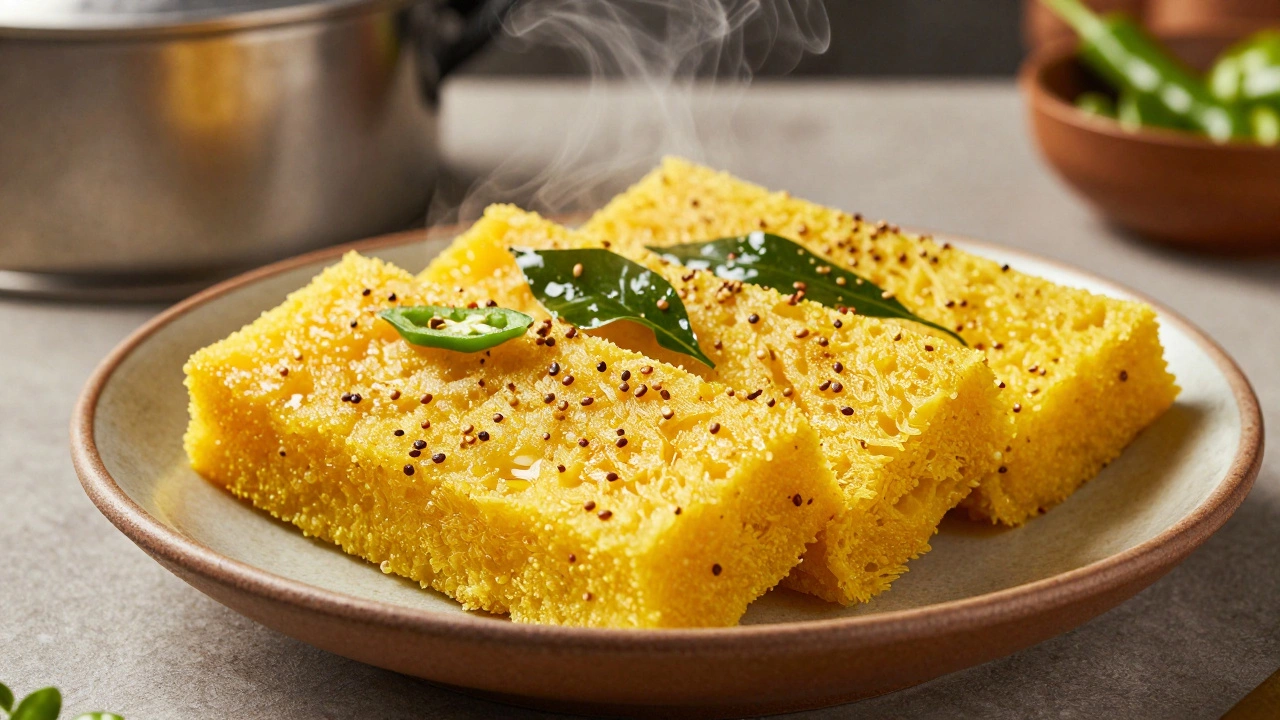
Is Dhokla Healthy? The Ultimate Guide to This Protein-Packed Gujarati Snack
Discover if dhokla is truly a healthy snack. Learn about its protein benefits, fermentation perks, and how it compares to other Indian foods for weight loss and gut health.
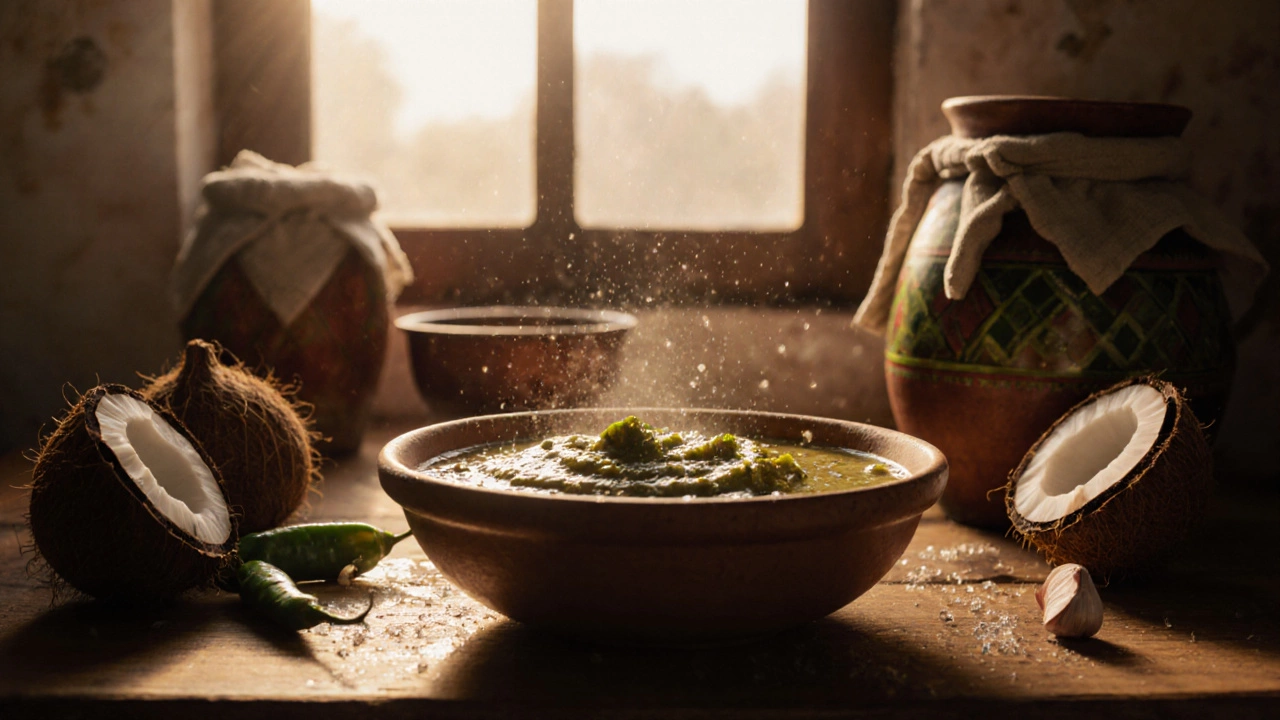
Is Chutney Good for Your Gut? The Real Science Behind This Indian Condiment
Homemade chutney, when fermented, is rich in probiotics that support gut health. Learn which types help digestion, how to make them, and why store-bought versions don’t work the same.