Is Chutney Good for Your Gut? The Real Science Behind This Indian Condiment
 Nov, 21 2025
Chutney Gut-Friendly Checker
Is Your Chutney Gut-Friendly?
Check the key factors that determine if your chutney contains live probiotics. Based on the article: "Most store-bought chutneys are pasteurized. That means heat kills bacteria, including the good ones."
Your chutney contains probiotics. The live cultures help your gut by crowding out bad bacteria, breaking down fiber, and calming your immune system.
Every Indian meal ends with a spoonful of chutney - green mango, coconut, tamarind, or mint. It’s tangy, spicy, and bright. But have you ever wondered if that little side dish is doing more than just adding flavor? Could it actually be helping your gut?
Chutney isn’t just flavor - it’s live culture
Most store-bought chutneys are pasteurized. That means heat kills bacteria, including the good ones. But if you make chutney at home using raw ingredients and let it sit for even a day or two, something powerful happens: fermentation begins.
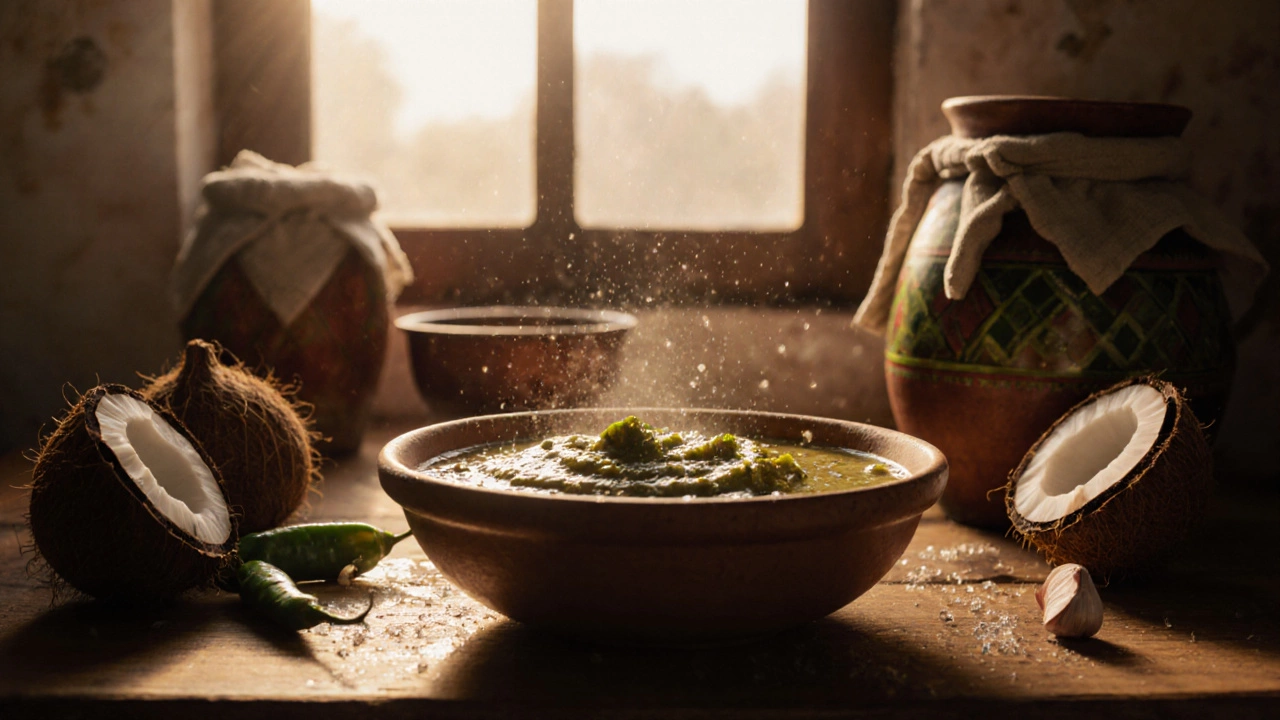
Take a simple coconut chutney made with fresh coconut, green chilies, garlic, and a pinch of salt. Leave it uncovered on the counter for 12-24 hours in a warm kitchen (like in Bangalore in October). Natural lactic acid bacteria from the coconut and air start breaking down sugars. They produce lactic acid - which gives it that extra tang - and create probiotics, the same live microbes found in yogurt, kimchi, and kefir.
A 2023 study from the Indian Institute of Science looked at 12 traditional Indian condiments. They found that homemade chutneys made without vinegar or heat treatment contained up to 8 million CFUs (colony-forming units) of lactic acid bacteria per gram. That’s comparable to a small serving of yogurt. These microbes aren’t just harmless - they’re active residents in your gut.
How probiotics in chutney help your digestion
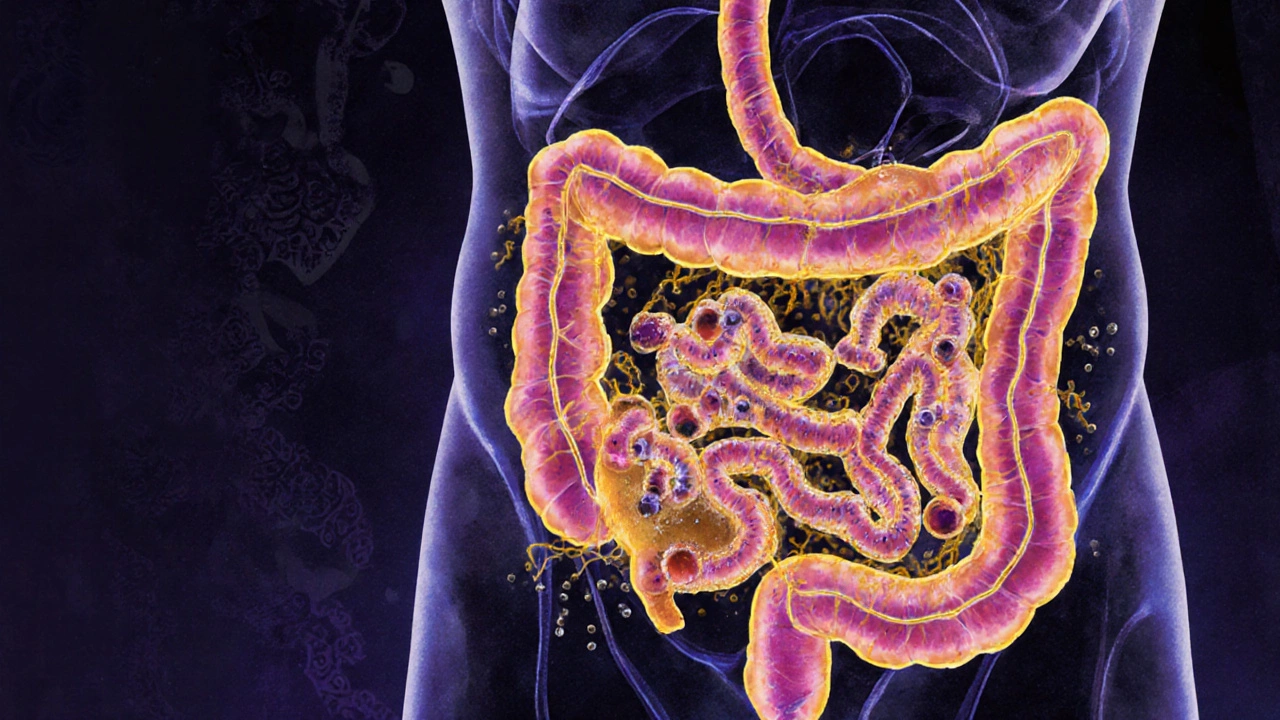
Your gut is home to trillions of bacteria. When they’re balanced, you digest food better, absorb nutrients more efficiently, and even feel less bloated. When they’re out of whack - thanks to processed food, stress, or antibiotics - you get gas, constipation, or indigestion.
Probiotics in fermented chutney don’t stay in your gut forever. But while they’re passing through, they do three important things:
- They crowd out bad bacteria that cause inflammation and gas.
- They help break down fiber that your body can’t digest on its own, turning it into short-chain fatty acids that feed your intestinal lining.
- They signal your immune system to calm down. Chronic gut inflammation is linked to everything from acne to fatigue.
One woman in Mysore, 58, started eating 2 teaspoons of homemade tamarind chutney daily after years of bloating. Within three weeks, her stomach felt lighter. She didn’t change anything else. Her doctor checked her stool sample - her microbiome diversity had improved noticeably.
Not all chutneys are created equal
Here’s the catch: store-bought chutneys in plastic jars? Most won’t help your gut. They’re preserved with vinegar, sugar, and preservatives like sodium benzoate. Vinegar kills live cultures. Sugar feeds the bad bacteria. Preservatives silence the good ones.
Look at the label. If it says “pasteurized” or “no preservatives added” but has a long shelf life (over 3 months), it’s not alive. Real fermented chutney lasts only 5-7 days in the fridge. It might bubble slightly when you open it. That’s not spoilage - that’s active microbes doing their job.
Even the ingredients matter. A chutney made with raw garlic, ginger, and curry leaves has extra benefits. Garlic contains prebiotics - food for good bacteria. Ginger reduces gut inflammation. Curry leaves have antioxidants that protect your intestinal lining.
What about vinegar-based chutneys?
Many recipes - especially mango or lime chutneys - use vinegar for sourness and preservation. These are delicious, yes. But they’re not probiotic. Vinegar is acetic acid, which sterilizes. No live cultures survive.
Still, vinegar isn’t bad for your gut. In fact, studies show it can slow the rise of blood sugar after meals. That’s helpful if you’re prediabetic. But if you’re looking for gut repair or microbiome support, skip the vinegar. Use salt brine instead.
Try this: make a mango chutney with chopped raw mango, salt, and a little jaggery. Let it sit for 2 days. The salt pulls out moisture, creating a natural brine. Wild bacteria do the rest. No vinegar needed. It’ll taste sour, not sharp. And it’ll be alive.
How much chutney should you eat for gut health?
You don’t need to eat a bowl. A tablespoon, two or three times a week, is enough. Too much too fast can cause bloating - especially if your gut isn’t used to live cultures.
Start slow. Add a teaspoon to your dal-rice or dosa. Watch how your body reacts. If you feel lighter, not gassy, keep going. If you get bloated, wait a week and try again. Your gut is adjusting.
Some people think fermented foods are for “health nuts.” But in rural India, families have eaten homemade chutney daily for generations. No one counted probiotics. They just knew: if the meal ends with chutney, the stomach feels calm.

Best chutneys for your gut (and how to make them)
Here are three simple, gut-friendly chutneys you can make in under 10 minutes - and let ferment for a day:
- Coconut Chutney: Grind 1 cup fresh coconut, 2 green chilies, 1 clove garlic, 1 tsp roasted chana dal, salt. Add water to make a paste. Cover with a cloth. Leave at room temp for 12-24 hours. Refrigerate after.
- Tamarind Chutney: Soak 1 tbsp tamarind pulp in warm water. Strain. Mix with 1 tsp jaggery, 1/2 tsp mustard seeds, 1/4 tsp asafoetida, salt. Let sit for 24 hours. No sugar, no vinegar.
- Mint-Coriander Chutney: Blend a handful each of fresh mint and coriander, 1 green chili, 1 tsp ginger, salt. Add a splash of water. Let sit for 12 hours. The enzymes in herbs help digestion even before fermentation kicks in.
Use these within a week. Freeze small portions if you make a big batch. Thaw and eat cold - never heat.
When chutney might hurt your gut
Chutney isn’t magic. It won’t fix everything. If you have IBS, SIBO, or a diagnosed gut disorder, start with tiny amounts. Some people react to FODMAPs - the sugars in garlic, onion, and certain fruits.
Try a coconut chutney without garlic first. If it’s fine, add garlic next time. Track what you eat and how you feel. Everyone’s gut is different.
Also, avoid chutney if it smells off - not tangy, but rotten. Or if it has mold. Fermentation is safe when done right, but bad bacteria can sneak in if you use dirty utensils or leave it too long in heat.
Always use clean, dry spoons. Never dip a wet spoon into your chutney jar. That introduces water - and mold spores.
Why this matters more than you think
India has one of the lowest rates of inflammatory bowel disease in the world. And yet, urban diets are shifting. More packaged snacks. Less homemade food. More sugar. Less fiber.
Chutney is one of the last everyday foods that still carries ancient wisdom. It’s not a supplement. It’s not a trend. It’s a tradition that quietly supports your digestion, your immunity, and your overall well-being.
When you make chutney at home, you’re not just cooking. You’re growing good bacteria. You’re feeding your gut. And you’re keeping a practice alive that’s been passed down for centuries - not because it’s trendy, but because it works.
Is store-bought chutney good for gut health?
Most store-bought chutneys are pasteurized and contain vinegar or preservatives, which kill live probiotics. Unless the label says "raw," "unpasteurized," or "naturally fermented," it won’t help your gut. Look for refrigerated brands with short ingredient lists - just fruits, salt, spices. If it lasts 6 months, it’s not alive.
Can chutney help with bloating and gas?
Yes - if it’s fermented. The probiotics in homemade chutney help balance gut bacteria that cause gas. Ginger, garlic, and mint in chutney also reduce inflammation and relax the digestive tract. But if you’re not used to fermented foods, start with a teaspoon. Too much too soon can make bloating worse before it gets better.
How long does homemade chutney last?
Fermented chutney lasts 5-7 days in the fridge. After that, the probiotics start to die off, and the flavor becomes too sour. If you see mold, smell rot, or notice bubbles after refrigeration, throw it out. Always use a clean, dry spoon. Never mix in leftover food.
Can I heat chutney before eating it?
No. Heating chutney above 115°F (46°C) kills the live probiotics. Eat it cold or at room temperature. You can add it to warm dal or rice - the heat from the food won’t destroy all the bacteria, but don’t cook the chutney itself.
Is coconut chutney better than tomato chutney for gut health?
Coconut chutney is generally better because fresh coconut has natural enzymes and fats that support probiotic growth. Tomato chutney often contains vinegar and sugar, which inhibit fermentation. If you make tomato chutney with salt and no vinegar, and let it ferment, it can be good too - but coconut is more reliable for live cultures.