Probiotics in Indian Food: What They Are and Which Dishes Contain Them
When you eat probiotics, live microorganisms that support gut health when consumed in adequate amounts. Also known as good bacteria, they help your digestion, boost immunity, and keep your gut lining strong. You don’t need fancy supplements—Indian kitchens have been making probiotics for centuries.
Think of curd, fermented milk packed with lactic acid bacteria. Also known as yogurt, it’s a daily staple from Punjab to Tamil Nadu. Every bowl of homemade curd is a natural probiotic dose. Then there’s buttermilk, the tangy drink left after churning butter. Also known as chaas, it’s cooling, hydrating, and full of active cultures. Fermented foods like idli and dosa batter rely on natural fermentation too—lactic acid bacteria and yeast work together overnight to make them light and digestible. Even traditional pickles, made with salt and sun, host probiotics if they’re not pasteurized.
These aren’t just flavors—they’re functional foods. Studies show people who eat daily curd have better gut diversity than those who don’t. And unlike store-bought yogurts with added sugar, Indian curd is pure, unprocessed, and rich in live cultures. The key? It has to be homemade or from a local dairy that doesn’t heat-treat it. Pasteurization kills the good bugs.
You’ll find probiotics hiding in plain sight across India’s regional diets: fermented rice water in Kerala, fermented bamboo shoots in the Northeast, and even fermented soy in Manipur. These aren’t trendy superfoods—they’re everyday meals passed down through generations. And they work because they’re real, not engineered.
What you’ll find below are posts that show you exactly which Indian dishes deliver probiotics, how to make them at home, and how to tell if what you’re eating is actually helping your gut. No guesswork. Just clear, practical info from kitchens that know this stuff inside out.
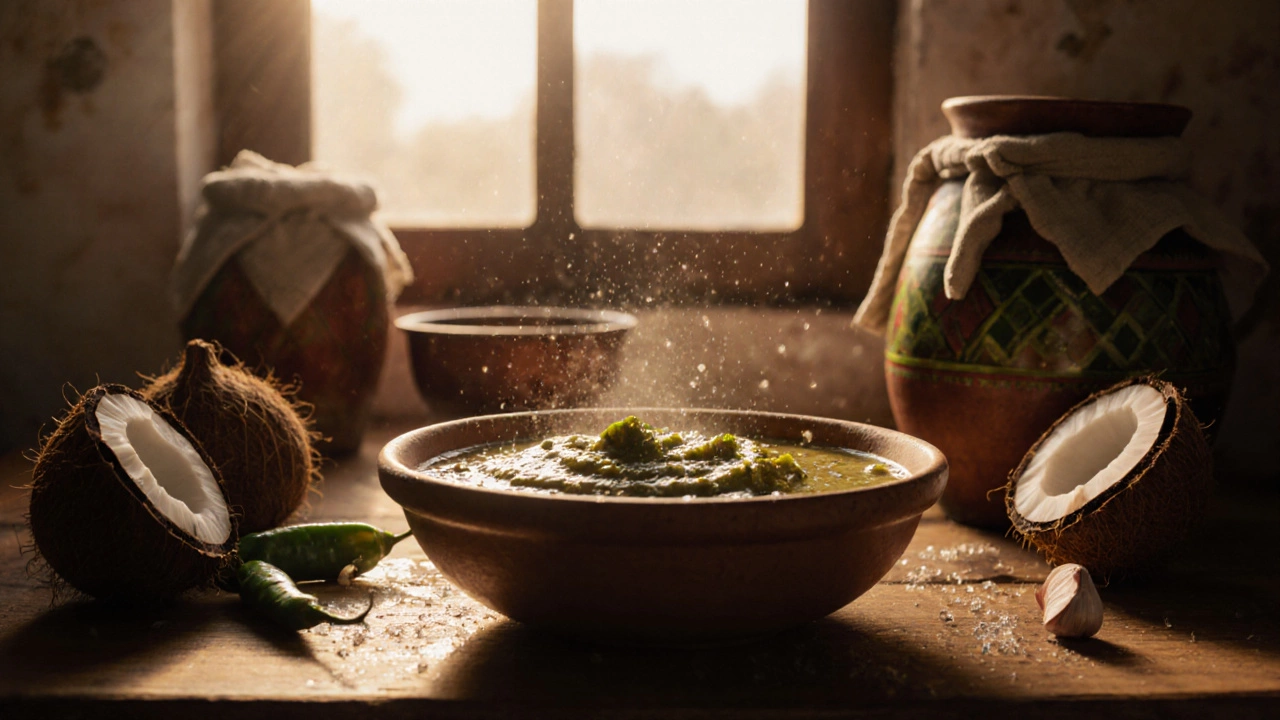
Is Chutney Good for Your Gut? The Real Science Behind This Indian Condiment
Homemade chutney, when fermented, is rich in probiotics that support gut health. Learn which types help digestion, how to make them, and why store-bought versions don’t work the same.