Gut Health: Indian Foods That Boost Digestion and Daily Wellness
When we talk about gut health, the balance of good bacteria in your digestive system that affects everything from energy to immunity. It’s not about fancy supplements—it’s about what you eat every day. And in India, the kitchen has been solving gut problems for centuries with simple, powerful ingredients. Your gut isn’t just a digestion machine; it’s your second brain, your immune hub, and your mood regulator. If you’re feeling bloated, tired, or just off, your gut might be asking for help—and Indian food has the answers.
Fiber-rich Indian snacks, like roasted chana, sprouted moong, and makhana aren’t just tasty—they’re your gut’s favorite fuel. These aren’t modern health fads; they’re grandmother-approved staples. A 2024 study from the Indian Journal of Medical Research found that people who ate one daily serving of soaked lentils or roasted legumes had significantly better bowel regularity than those who didn’t. And you don’t need to buy anything special—just open your pantry. Digestive lentils, like yellow moong dal, which needs no soaking and cooks fast, are gentle on the stomach and packed with soluble fiber that feeds good bacteria. Even better? They’re naturally low in fat and don’t cause gas like some other dals.
Then there’s probiotics India, the traditional fermented foods that bring live cultures into your gut. Think yogurt in lassi, fermented dosa batter, or kanji—these aren’t just flavors, they’re live cultures working inside you. Unlike store-bought yogurts with added sugar, homemade versions from full-fat milk (as covered in our paneer guide) are rich in active cultures that survive digestion and actually reach your intestines. And when you pair them with fiber from lentils or vegetables, you get a prebiotic-probiotic combo that science says works better than any pill.
What you avoid matters too. Skip sugary snacks, fried snacks, and heavy dairy if you’re sensitive. Instead, choose what Indians have eaten for generations: simple, whole, unprocessed foods. The 30/30/30 rule for weight loss? It’s also a gut rule—30g of protein, fiber, and healthy fats at breakfast keeps your gut lining calm and your hunger in check. Paneer and tofu? Both can fit, but paneer’s higher protein helps you feel full longer, reducing the urge to snack on junk that hurts your gut. And if you’re wondering what to eat at night, some dals are better than others—yellow moong and masoor dal are easier to digest than chana or rajma.
Indian food doesn’t need to be complicated to be healing. It’s about consistency, not perfection. Eat your dal. Drink your lassi. Snack on roasted chana. Let your gut get used to the rhythm of real food. The posts below show you exactly how to do that—with practical tips, real recipes, and no fluff. Whether you’re new to gut-friendly eating or just want to make your current meals work better for you, you’ll find simple ways to turn your kitchen into a digestive wellness center.
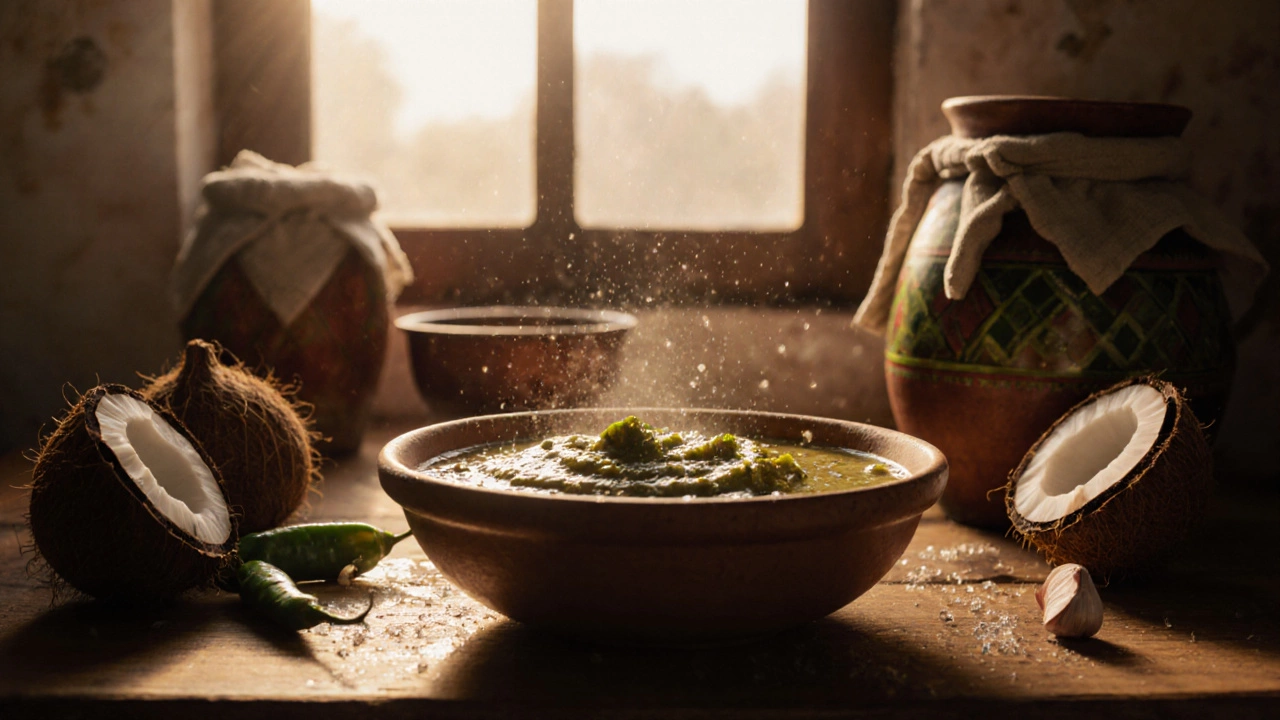
Is Chutney Good for Your Gut? The Real Science Behind This Indian Condiment
Homemade chutney, when fermented, is rich in probiotics that support gut health. Learn which types help digestion, how to make them, and why store-bought versions don’t work the same.