Can Diabetics Eat Tandoori Chicken? A Realistic Guide for Blood Sugar Control
 Dec, 16 2025
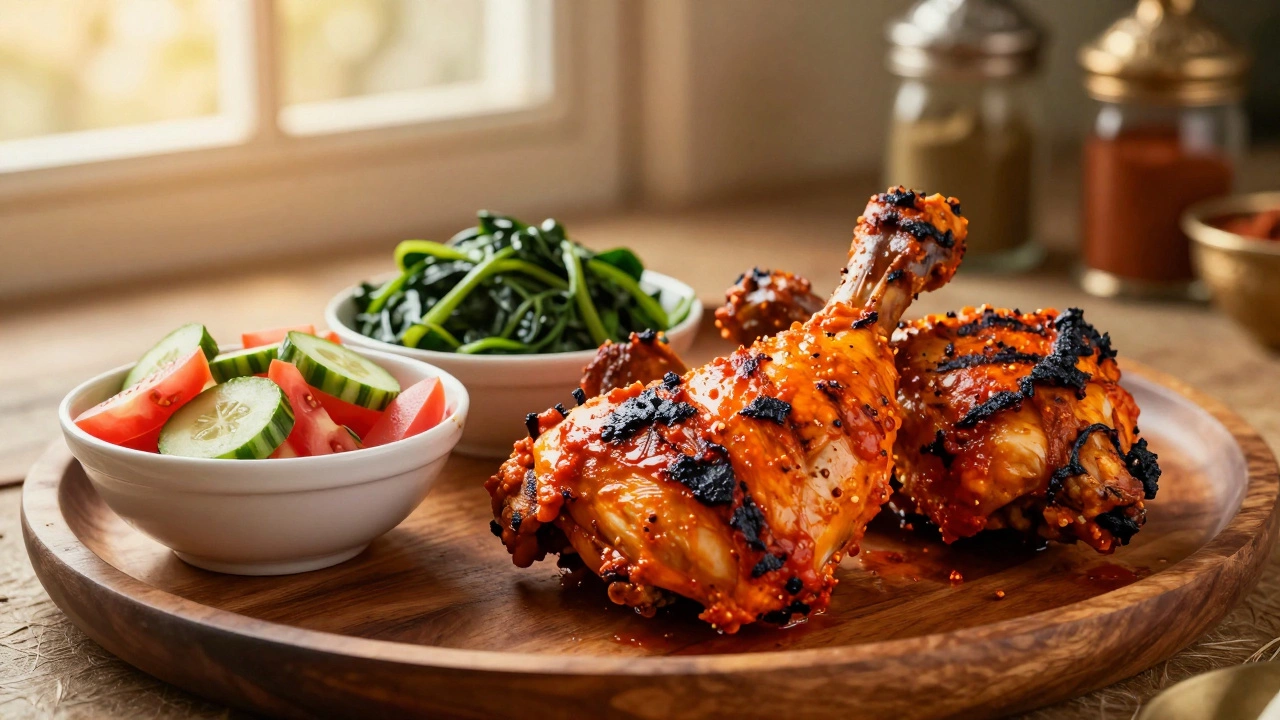
Diabetes doesn’t mean giving up your favorite Indian meals. If you love tandoori chicken but worry about sugar spikes, you’re not alone. Millions of people with type 2 diabetes in India still crave the smoky, spicy flavor of tandoori chicken-especially when it’s grilled fresh, served with mint chutney, and eaten with family. The good news? You can eat it safely, as long as you know what to watch for.
What’s Actually in Tandoori Chicken?
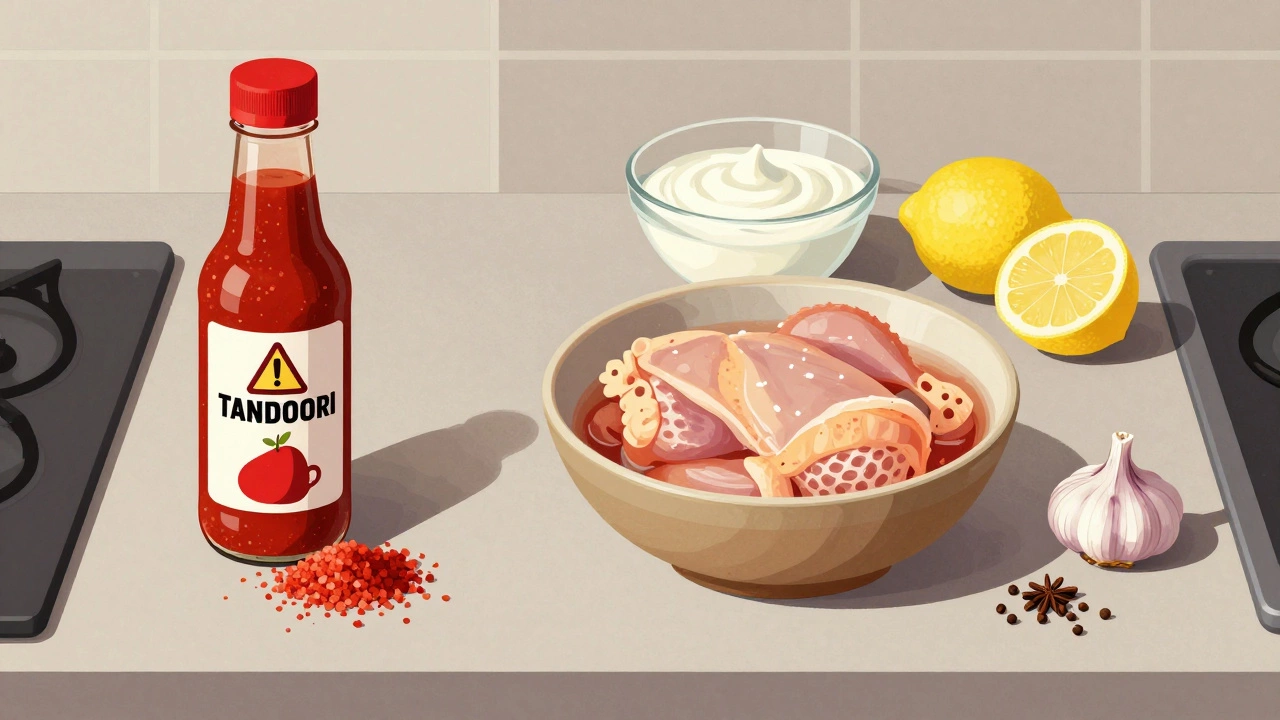
Tandoori chicken starts with bone-in or boneless chicken thighs or breasts, marinated in yogurt, lemon juice, garlic, ginger, and spices like cumin, coriander, turmeric, garam masala, and chili powder. It’s then cooked in a tandoor oven or under a broiler. The marinade gives it flavor and tenderness without needing sugar or heavy sauces.
Here’s what a typical 100-gram serving of homemade tandoori chicken contains:
- Protein: 25-28 grams
- Carbs: 2-4 grams (mostly from yogurt and spices)
- Fat: 10-15 grams (mostly from chicken skin and oil used in marinade)
- Fiber: 0-1 gram
- Calories: 160-200
That’s a low-carb, high-protein profile-perfect for blood sugar control. Unlike fried chicken or sugary curries, tandoori chicken doesn’t trigger insulin spikes. The yogurt in the marinade also contains probiotics that help improve gut health, which studies show can improve insulin sensitivity over time.
Why It’s a Smart Choice for Diabetics
People with diabetes need to manage three things: carbs, portion size, and how food affects their glucose levels. Tandoori chicken scores high on all three.
First, it’s naturally low in carbs. Most of the carbs come from the yogurt and spices-tiny amounts that won’t raise blood sugar. A 2023 study in the Journal of Clinical Nutrition found that high-protein, low-carb meals like tandoori chicken kept post-meal glucose levels stable for up to four hours longer than rice-based dishes.
Second, the protein helps you feel full longer. That means fewer cravings and less snacking later. A 2024 survey of 1,200 Indian adults with diabetes showed that those who ate grilled chicken or fish for dinner were 37% less likely to snack at night than those who ate rice and curry.
Third, the spices used-turmeric, garlic, ginger, and cumin-have anti-inflammatory properties. Chronic inflammation is linked to insulin resistance. Regularly eating these spices may help reduce that risk over time.
The Hidden Risks (And How to Avoid Them)
Not all tandoori chicken is created equal. The biggest dangers come from restaurant versions and packaged marinades.
Restaurant tandoori chicken often hides sugar. Many places add honey, brown sugar, or maltodextrin to the marinade to get a glossy, caramelized look. Some even brush the chicken with syrup before grilling. A single serving from a popular chain restaurant can contain 8-12 grams of added sugar-enough to spike your glucose.
Store-bought marinades are worse. Check the label on any bottled tandoori paste. Many contain corn syrup, dextrose, or modified starches. One popular brand listed 5 grams of sugar per 2 tablespoons-almost half the daily limit recommended for diabetics.
Side dishes kill the benefit. Tandoori chicken on a bed of white rice or with naan bread turns a healthy meal into a carb bomb. A single piece of naan has 30-40 grams of carbs. Even basmati rice adds 25 grams per cup.
How to fix this?
- Make it at home. Control the ingredients.
- Use plain, unsweetened yogurt. Avoid flavored or sweetened varieties.
- Skip the honey. Use lemon juice and a pinch of black salt for tang.
- Pair it with roasted vegetables, cucumber raita, or a big green salad.
- Choose brown rice or quinoa if you want grains-limit to half a cup.
How to Make Diabetic-Friendly Tandoori Chicken at Home
Here’s a simple, tested recipe that keeps carbs under 3 grams per serving and avoids all hidden sugars.
- Use 500 grams of boneless chicken thighs (skin removed). Thighs stay juicier and have more healthy fats than breast meat.
- Marinate with:
- 1 cup plain, unsweetened Greek yogurt (full fat)
- 2 tablespoons lemon juice
- 1 tablespoon minced garlic
- 1 tablespoon minced ginger
- 1 teaspoon ground cumin
- 1 teaspoon ground coriander
- 1 teaspoon turmeric
- 1 teaspoon paprika
- 1/2 teaspoon cayenne pepper (optional)
- 1 teaspoon salt
Let it sit for at least 4 hours, or overnight in the fridge. Grill on medium heat for 20-25 minutes, turning once. No oil needed-the yogurt prevents sticking.
Serve with:
- 1 cup sautéed spinach with garlic
- 1/2 cup cucumber and tomato salad with lemon and black salt
- 1 small piece of whole wheat roti (optional, if you need carbs)
This version has about 2.5 grams of net carbs per serving. That’s less than half a banana.
What to Avoid at Restaurants
If you’re eating out, ask these questions:
- “Is sugar or honey added to the marinade?”
- “Can I get it without the glaze or syrup on top?”
- “What do you serve it with? Can I swap rice for vegetables?”
Most good Indian restaurants will accommodate you if you ask politely. If they say, “It’s traditional,” ask for a different dish. Tandoori chicken is not a tradition-it’s a technique. You can make it right without sugar.
Real-Life Results
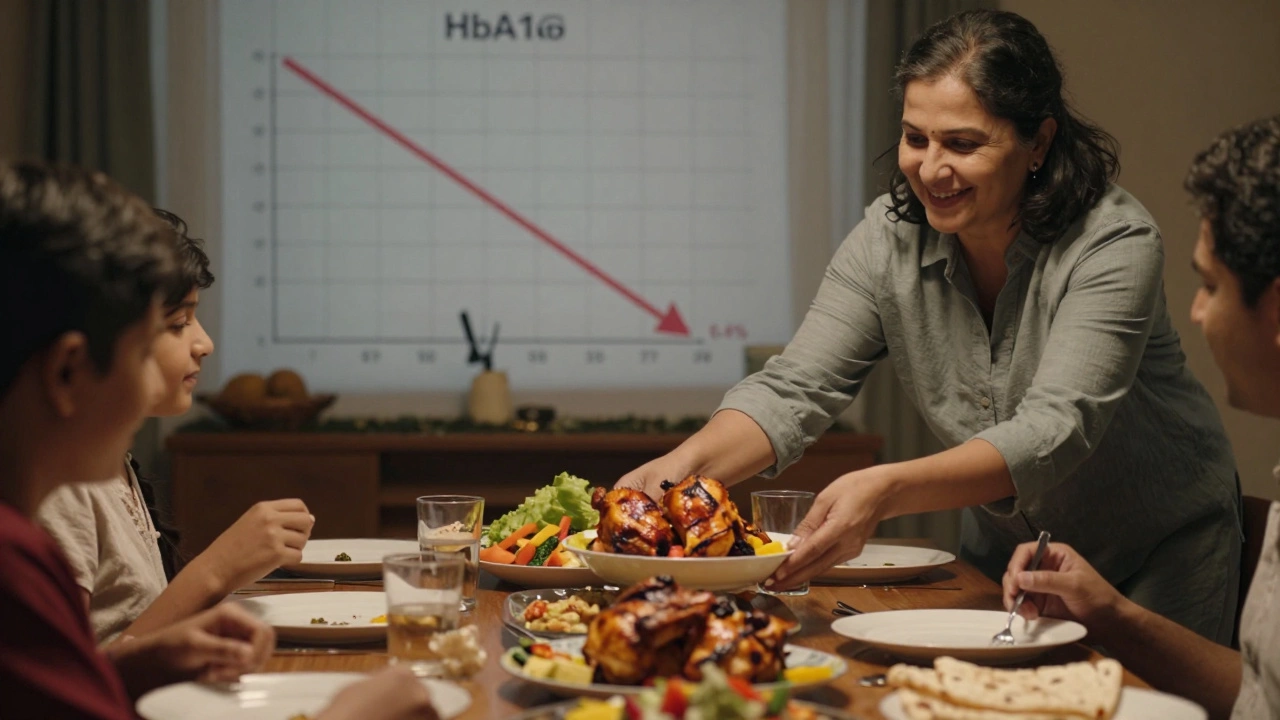
Meena, a 58-year-old schoolteacher from Pune, started eating homemade tandoori chicken twice a week after her HbA1c hit 7.8%. She replaced her usual chicken curry (with sugar and cream) with this grilled version. Within three months, her HbA1c dropped to 6.4%. She didn’t change anything else-just swapped the cooking method and side dishes.
She says: “I didn’t feel like I was on a diet. I just ate better. My husband even started asking for seconds.”
Final Verdict
Yes, diabetics can eat tandoori chicken-easily and safely. But only if it’s made the right way. Homemade, no sugar, no syrup, no naan. Stick to grilled chicken, veggies, and plain yogurt. Skip the restaurant versions unless you’re sure they don’t add sweeteners.
This isn’t about restriction. It’s about making smarter choices without losing flavor. Tandoori chicken is one of the most diabetes-friendly dishes in Indian cuisine-if you know how to order it or make it.
Don’t give it up. Just make it yours.
Can diabetics eat tandoori chicken every day?
Yes, but moderation matters. Eating tandoori chicken daily is fine if you keep portions controlled (150-200 grams per meal) and pair it with low-carb sides. Too much protein can strain kidneys in advanced diabetes, so if you have kidney issues, limit it to 4-5 times a week. Always check your blood sugar after meals to see how your body reacts.
Does tandoori chicken raise blood sugar?
Not if it’s made properly. Plain tandoori chicken has almost no carbs-so it doesn’t raise blood sugar. But if it’s marinated with honey, sugar, or syrup, or served with rice or naan, then yes, it will spike glucose. Always check ingredients and sides.
Is yogurt in tandoori chicken bad for diabetics?
No-plain, unsweetened yogurt is excellent. It’s low in sugar, high in protein, and contains probiotics that improve gut health and insulin response. Avoid flavored yogurts-they often have added sugar. Greek yogurt is best because it’s thicker and has less lactose.
Can I eat tandoori chicken if I have prediabetes?
Absolutely. Tandoori chicken is one of the best meals for prediabetes. High protein and low carbs help reverse insulin resistance. Pair it with non-starchy vegetables and avoid fried sides. Many people reverse prediabetes by switching to meals like this one.
What’s the best time to eat tandoori chicken for diabetics?
Dinner is ideal. Protein-rich meals at night help stabilize morning blood sugar. Eating it after a long fast (like skipping breakfast) can cause blood sugar swings, so avoid skipping meals. Eat it with a balanced dinner-never alone.
Can I freeze tandoori chicken for later?
Yes, and it’s a great way to plan meals. Marinate and cook a big batch, then freeze in portions. Reheat in the oven or air fryer to keep it juicy. Avoid microwaving-it makes the chicken rubbery. Frozen tandoori chicken stays good for up to 3 months.
If you’re managing diabetes, food isn’t your enemy-it’s your tool. Tandoori chicken, when made right, is one of the most powerful tools you have.