The Secret to Perfect Chicken Curry: Mastering Spice, Heat, and Texture
 Aug, 4 2026
Chicken Curry Master Calculator
Your Custom Plan
Have you ever tasted a restaurant-style chicken curry that made your mouth water, only to go home and make something that tasted flat or watery? You aren't alone. The gap between a good homemade dish and a truly great one often comes down to a few specific techniques rather than expensive ingredients. Many home cooks think the secret is a special masala blend, but the real magic lies in how you handle heat, time, and texture.
Making perfect chicken curry isn't about following a rigid script. It's about understanding the chemistry of spices and the behavior of proteins. When you know why certain steps matter, you stop guessing and start cooking with confidence. This guide breaks down the essential methods used by professional chefs in India to create curries that are rich, aromatic, and deeply flavorful.
The Foundation: Choosing the Right Chicken Cut
The first mistake people make is picking the wrong cut of meat. Not all chicken behaves the same way in a slow-cooked gravy. If you want tender, falling-off-the-bone pieces, you need bone-in, skin-on thighs or drumsticks. The connective tissue in these cuts breaks down during simmering, releasing collagen that thickens the sauce naturally and adds body to the flavor.
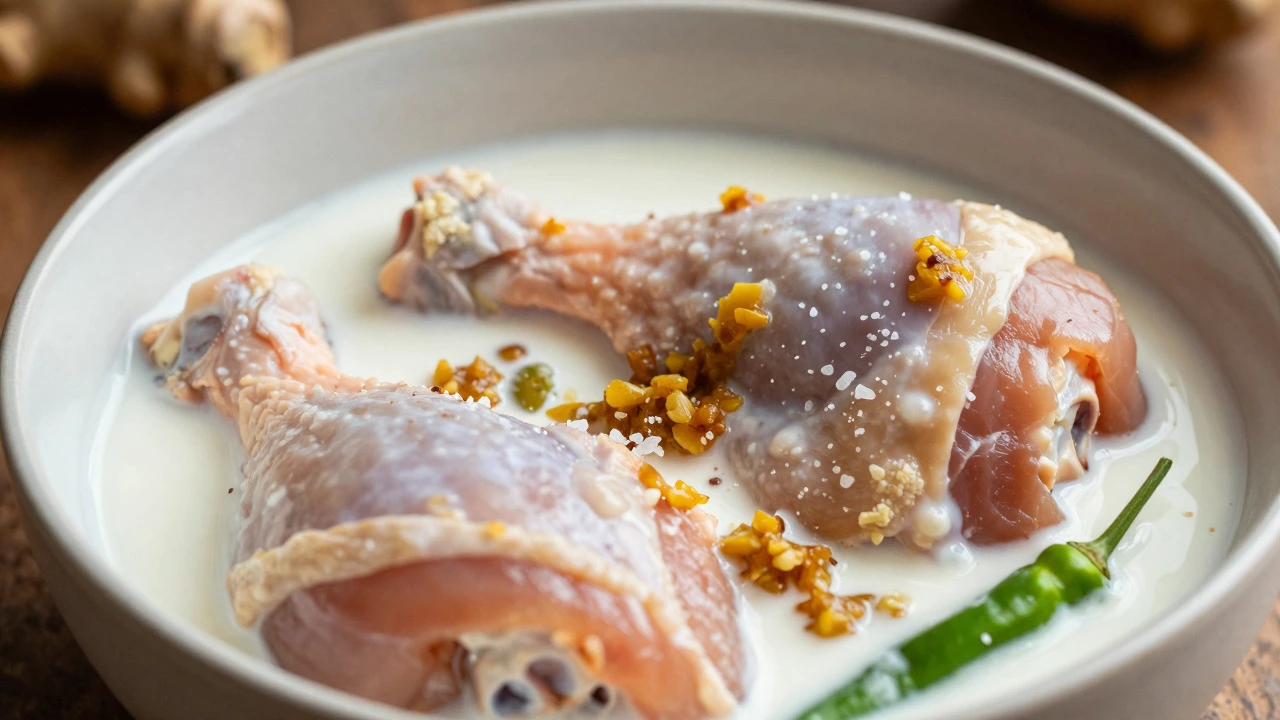
Breast meat is leaner and dries out quickly if overcooked. While it works for quick stir-fry style dishes (like Butter Chicken), it lacks the robust texture needed for a traditional, heavy gravy. For a classic North Indian style curry, stick to dark meat. If you prefer white meat, cut it into large chunks and cook it gently to avoid toughness. Marinating the chicken before cooking also helps retain moisture. A simple mix of yogurt, salt, and ginger-garlic paste acts as a tenderizer, breaking down fibers so the meat stays juicy even after long simmering.
Blooming Spices: Unlocking Aromatic Potential
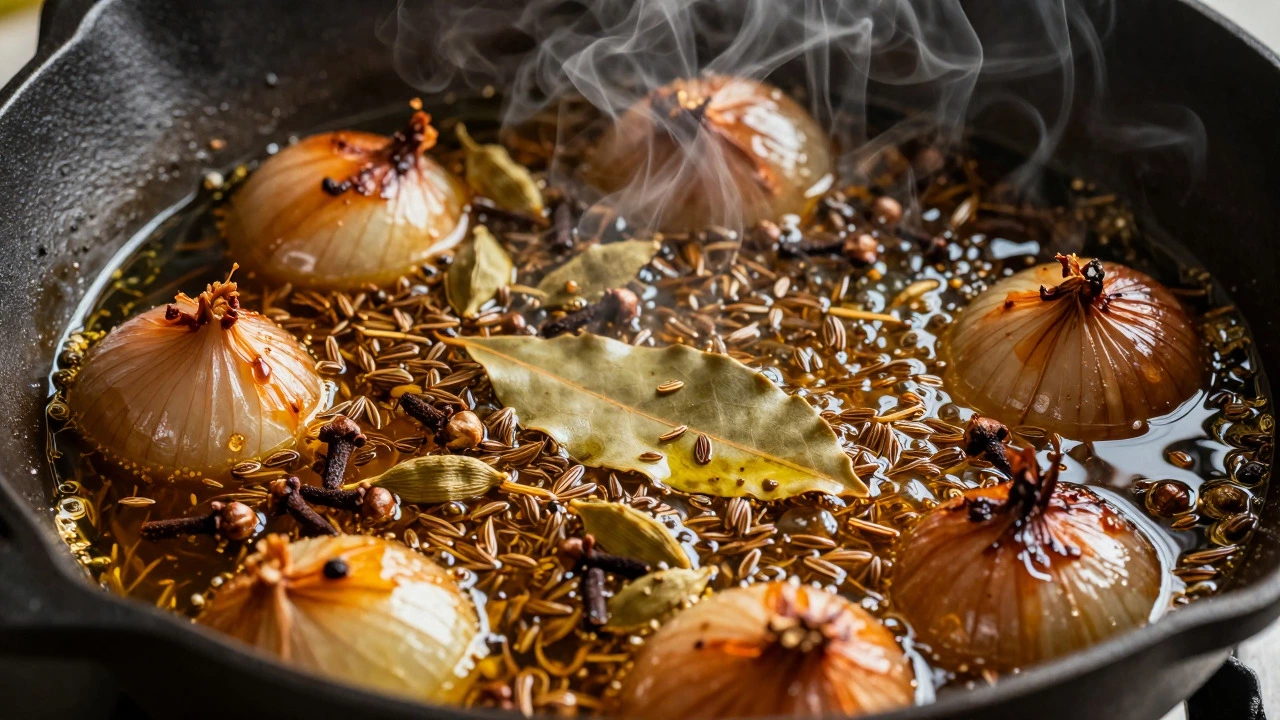
This is arguably the most critical step in Indian cooking. Adding raw powdered spices directly to liquid results in a bitter, dusty taste. Instead, you must "bloom" them. Blooming means frying whole or ground spices in hot oil until they release their essential oils. These oils are fat-soluble, meaning they dissolve in ghee or oil, not water.
Start by heating oil or ghee in a heavy-bottomed pan. Add whole spices like cumin seeds, bay leaves, cardamom pods, and cloves. Listen for the sizzle; this indicates the moisture is evaporating and the aromatics are activating. Once they pop and smell fragrant, add your onions. Cook the onions slowly until they turn deep golden brown. This caramelization provides the base color and sweetness that balances the heat of chilies. Only then should you add ginger-garlic paste and powdered spices like turmeric, coriander, and red chili powder. Fry this mixture for another minute until the raw smell disappears. This process creates a complex flavor foundation that no amount of stirring at the end can replicate.
The Tomato-Onion Base: Building Depth
A common pitfall is rushing the tomato stage. After blooming the spices, add finely chopped or pureed tomatoes. Cook them down until the oil begins to separate from the mixture. You will see small droplets of oil rising to the surface and pooling around the edges. This visual cue confirms that the tomatoes have cooked completely and their acidity has mellowed.
If you skip this step, your curry will taste sour and raw. The separation of oil is vital because it signals that the base is ready to accept water or stock without becoming watery. At this point, you can add your marinated chicken. Sear the chicken pieces on high heat for a few minutes. This searing locks in juices and adds a slight charred flavor, known as 'bhuno' in Hindi, which enhances the overall depth of the dish.
Simmering Low and Slow
Once the chicken is seared, pour in hot water or chicken stock. Avoid using cold water, as it shocks the meat and stops the cooking process abruptly. Bring the liquid to a boil, then immediately reduce the heat to low. Cover the pot and let it simmer gently. High boiling temperatures cause the chicken to become tough and stringy. Low, steady heat allows the flavors to meld together and the meat to become tender.
Cooking time depends on the cut. Thighs and drumsticks usually take 20-30 minutes to become fork-tender. During this time, the starches from the onions and tomatoes thicken the gravy naturally. Stir occasionally to prevent sticking, but don't disturb the meat too much. Let the sauce do its work. Patience here pays off with a richer, more cohesive flavor profile.
Finishing Touches: Freshness and Fat
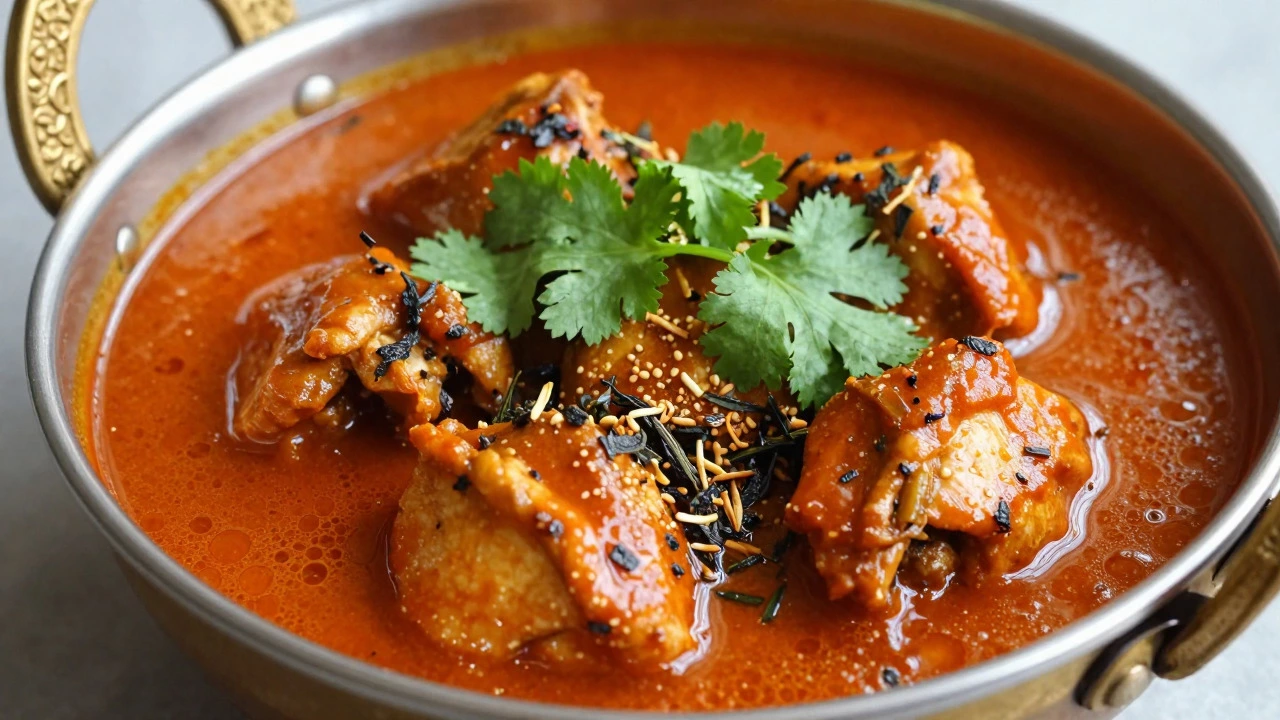
The final stage is where you adjust seasoning and add freshness. Turn off the heat before adding delicate herbs. Sprinkle fresh cilantro (coriander leaves) and chopped green chilies. Add a splash of lemon juice or amchur (dry mango powder) to brighten the heavy flavors. Acid cuts through the richness of the oil and spices, making each bite feel lighter and more balanced.
For an extra layer of aroma, perform a 'tadka' or tempering. Heat a teaspoon of ghee in a small pan and fry crushed kasuri methi (dried fenugreek leaves). Rub the leaves between your palms to release their scent, then stir them into the curry. Kasuri methi is a game-changer; it adds a subtle bitterness and nutty aroma that defines many restaurant-style gravies. Finish with a drizzle of cream or a knob of butter if you want a richer, velvety texture.
| Step | Common Mistake | Pro Technique |
|---|---|---|
| Spice Addition | Adding powders to cold liquid | Fry spices in hot oil (blooming) |
| Onion Cooking | Pale yellow onions | Cook until deep golden brown |
| Tomato Stage | Removing from heat early | Cook until oil separates |
| Simmering | High boiling heat | Low, covered simmer |
| Finishing | Boiling fresh herbs | Add herbs off-heat |
Troubleshooting Common Issues
Even experienced cooks face challenges. Here’s how to fix typical problems:
- Too Watery: Uncover the pot and simmer on medium-high heat to evaporate excess liquid. Alternatively, mash some potatoes into the gravy to thicken it naturally.
- Too Bitter: This usually happens from burning spices or onions. Balance bitterness with a pinch of sugar or jaggery.
- Lacking Flavor: Taste and adjust salt. Salt enhances other flavors. If it still tastes flat, add more acid (lemon) or umami (tomato paste).
- Dry Meat: Overcooking is the culprit. Next time, check tenderness earlier. For immediate relief, add a ladle of warm stock and simmer gently.
Variations to Explore
Once you master the basic technique, you can experiment with regional variations. South Indian curries often use coconut milk and roasted coconut powder for thickness and sweetness. They rely heavily on mustard seeds, curry leaves, and tamarind for tanginess. In contrast, Punjabi styles focus on onion-tomato bases with dairy products like cream and yogurt. Bengali curries might include poppy seeds (khus khus) for a creamy, nutty texture without using dairy.
Understanding these differences allows you to adapt the core principles to your preference. Whether you crave a fiery Vindaloo or a mild Korma, the fundamentals of blooming spices, proper searing, and controlled simmering remain constant.
Why does my chicken curry taste bland?
Blandness usually stems from insufficient salt or under-seasoned spices. Ensure you salt each layer-onions, tomatoes, and the final gravy. Also, make sure you bloom your spices properly; raw spices don't release their full flavor potential.
Can I make chicken curry ahead of time?
Yes, curries often taste better the next day as the flavors meld. Store it in an airtight container in the fridge for up to three days. Reheat gently on the stove, adding a splash of water if it thickens too much.
What is the best oil for frying spices?
Mustard oil is traditional in Eastern India for its pungent flavor. Ghee (clarified butter) is preferred in North India for its rich aroma. Neutral oils like sunflower or vegetable oil work well if you want the spices to shine without competing flavors.
How do I thicken a runny curry without flour?
Mash some cooked potatoes into the gravy, blend a portion of the onion-tomato base, or simmer uncovered to reduce liquid. Ground nuts like cashews or almonds also add natural thickness and creaminess.
Is yogurt necessary in chicken marinade?
Yogurt is highly recommended because its lactic acid tenderizes the meat and prevents curdling when added to hot oil. It also adds a subtle tang that complements the spices. If avoiding dairy, use buttermilk or a little vinegar.