How to Remove Bitterness from Lentils: A Complete Guide for Perfect Dal
 Aug, 11 2026
Dal Bitterness Prevention Planner
Select your lentil type below to see the recommended bitterness level and specific preparation steps.
Red Masoor Dal
Very Low BitternessQuick cooking (15-20 mins). Skin removed during processing.
Yellow Moong Dal
Low BitternessMild flavor (20-25 mins). Great for comfort food.
Chana Dal
Medium BitternessSplit chickpeas (40-50 mins). Requires longer cooking.
Whole Green/Brown
High BitternessThick skins (45-60 mins). High tannin levels.
Black Beluga
High BitternessGourmet look (30-40 mins). Holds shape well.
Urad Dal
Strong EarthyBlack gram. Strong flavor profile needs balancing.
Preparation Guide for ...
Step 1: Preparation & Soaking
Step 2: Cooking Technique
Step 3: Flavor Balancing (Tadka)
There is nothing worse than spending an hour simmering a pot of dals, which are the backbone of many traditional Indian lentil dishes that provide protein and comfort food value, only to take a bite and hit a wall of unexpected bitterness. It ruins the meal instantly. You might wonder if you bought bad quality lentils or if you made a mistake in the process. Usually, it’s neither. The bitterness often comes from natural compounds in the skin or improper preparation techniques.
If you have ever asked yourself how to take the bitterness out of lentils, you are not alone. This is a common issue for home cooks trying to master authentic flavors. The good news is that removing this off-flavor is entirely possible with a few specific adjustments to your routine. Let’s look at exactly why lentils taste bitter and how to fix it so your next batch is creamy, nutty, and delicious.
Why Do Lentils Taste Bitter?
Before fixing the problem, it helps to understand the source. Lentils contain natural plant compounds called tannins and saponins. These substances protect the plant in nature but can leave a dry, astringent, or bitter aftertaste in your mouth. The amount of bitterness depends heavily on the type of lentil you are using and how much of the outer seed coat remains intact.
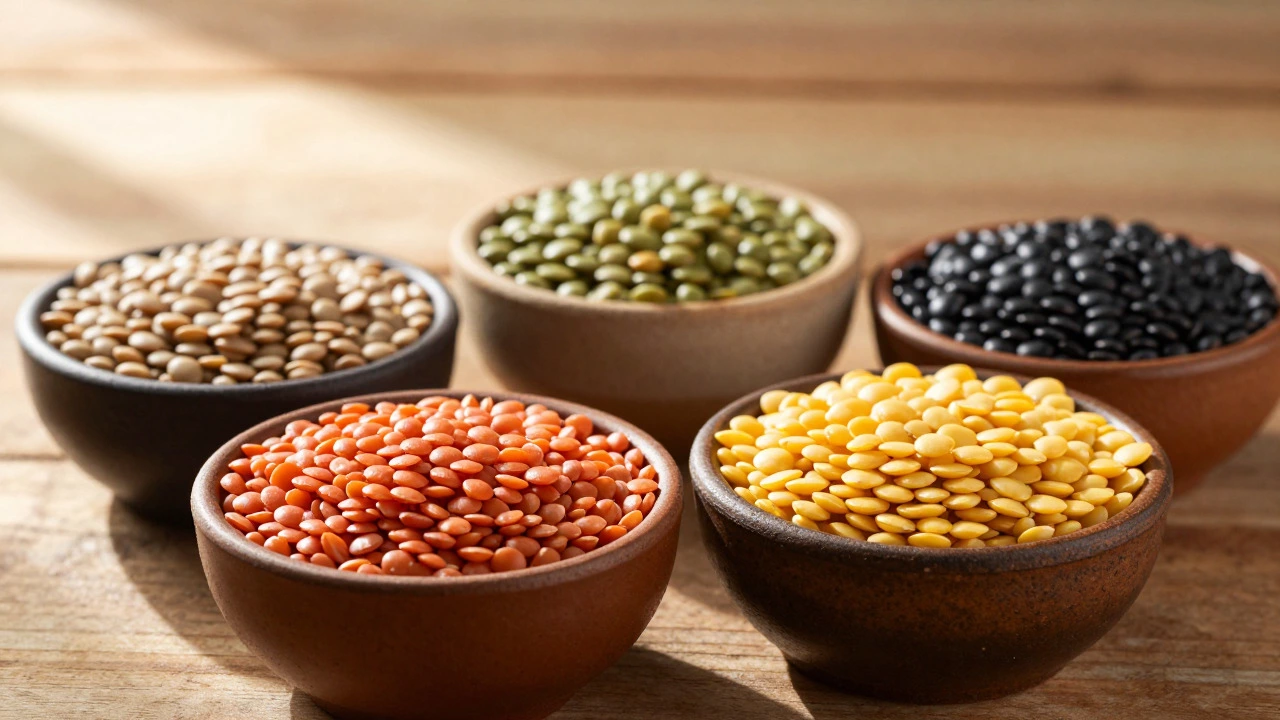
Darker lentils, such as black beluga lentils, which are small, dark green to black legumes known for holding their shape during cooking, have thicker skins and higher tannin levels. They are naturally more prone to bitterness than lighter varieties like masoor dal, which refers to red split lentils that cook quickly and have a mild, slightly sweet flavor profile. Red lentils lose their skin during processing, which removes most of the bitter compounds automatically. If you are cooking whole green or brown lentils, you are dealing with the full force of those protective skins.
Another culprit is age. Old lentils that have been sitting in storage for years develop a stale, sometimes bitter flavor due to oxidation of their natural oils. Always check the date on the package. Freshly harvested lentils will always taste cleaner and sweeter.
The Soaking Method: Your First Line of Defense
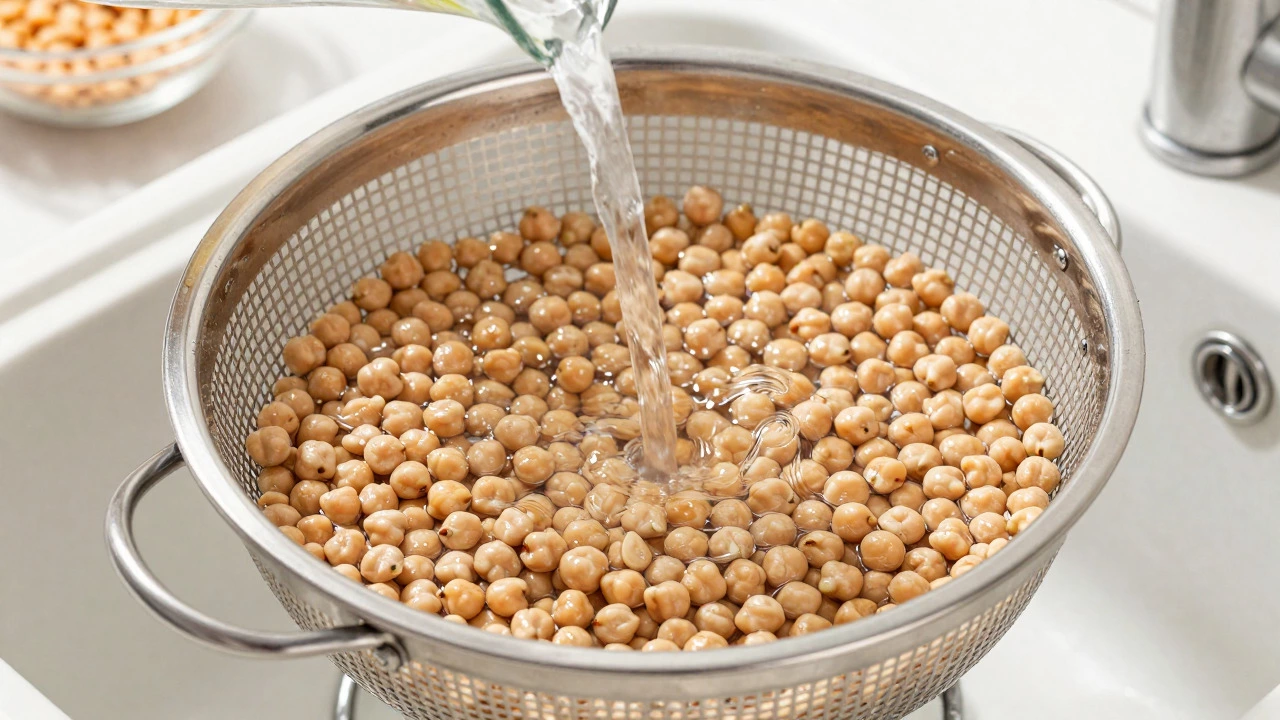
The most effective way to reduce bitterness is soaking. While red lentils do not require soaking because they cook in minutes, whole lentils benefit greatly from a soak. Water penetrates the seed coat and leaches out some of the water-soluble tannins.
Here is how to do it properly:
- Rinse the lentils thoroughly under cold running water until the water runs clear. This removes surface dust and loose starches.
- Place the lentils in a large bowl and cover them with plenty of cold water. Use about three cups of water for every cup of lentils.
- Let them soak for at least 30 minutes, though overnight soaking works even better for tough varieties like chana dal, which are split chickpeas that require longer cooking times to become tender.
- Drain the soaking water completely. Do not use this water for cooking, as it contains the dissolved bitter compounds.
This step alone can cut the bitterness by half. It also reduces the cooking time, ensuring the lentils cook evenly without turning mushy on the outside while remaining hard on the inside.
The Power of Rinsing During Cooking
If you skipped the soaking step or if the lentils still taste slightly off after draining, try rinsing them again before adding spices. Some traditional methods involve boiling the lentils in plain water first, then draining and rinsing them before starting the actual flavor-building phase. This technique is particularly useful for urad dal, which are black gram lentils often used in South Indian curries and dosas, known for their strong earthy flavor.
Boiling the lentils in fresh water for five to ten minutes allows the heat to open up the cell walls, releasing more tannins into the water. When you drain this water, you are physically removing the bitterness. Then, you start fresh with new water or broth to build your dish. It adds a step, but the difference in taste is noticeable.
Balancing Flavors with Acid and Fat
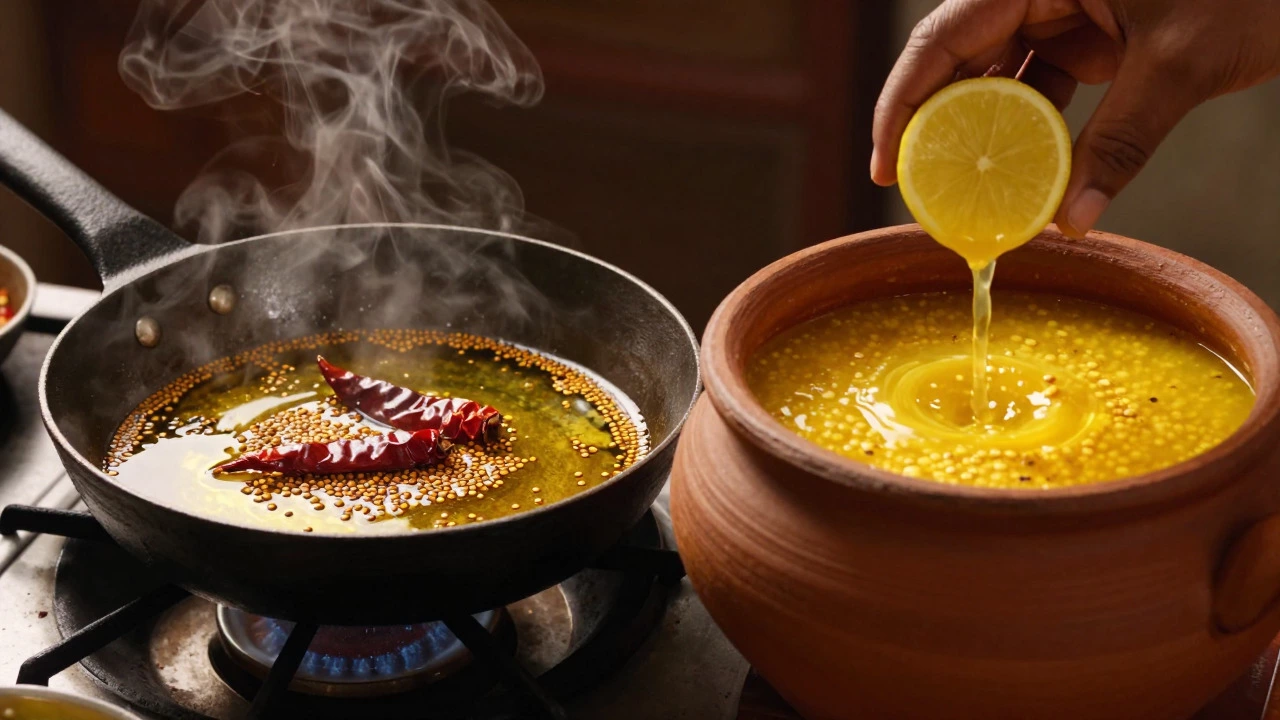
Sometimes, the bitterness isn’t gone, but it is masked. This is where culinary chemistry comes in. Bitterness pairs poorly with sweetness but balances well with acid and fat. In Indian cooking, we rely on tadka, which is a tempering technique involving frying spices in hot oil or ghee to release their aromas to achieve this balance.
Add a splash of lemon juice or vinegar at the very end of cooking. The acidity brightens the flavor and cuts through the heavy, earthy notes that can be perceived as bitter. Similarly, finishing the dish with a spoonful of ghee, which is clarified butter widely used in Indian cuisine for its rich, nutty flavor and high smoke point coats the tongue and softens the astringency of the tannins.
Spices play a role too. Cumin seeds, mustard seeds, and asafoetida (hing) have pungent, sulfurous notes that distract the palate from bitterness. A pinch of sugar or jaggery can also neutralize bitter receptors on your tongue. It’s not about making the dal sweet; it’s about creating a flavor profile where bitterness has no room to dominate.
Choosing the Right Lentil Variety
If you find that certain lentils always taste bitter despite your best efforts, consider switching varieties. Different dals have different flavor profiles suited for different dishes.
| Lentil Type | Bitterness Level | Cooking Time | Best For |
|---|---|---|---|
| Red Masoor Dal | Very Low | 15-20 mins | Quick soups, creamy dals |
| Yellow Moong Dal | Low | 20-25 mins | Comfort foods, sick diet meals |
| Chana Dal | Medium | 40-50 mins | Hearty stews, khichdi |
| Whole Green/Brown | High | 45-60 mins | Salads, side dishes |
| Black Beluga | High | 30-40 mins | Gourmet presentations, salads |
For a beginner-friendly dal recipe simple, which focuses on easy-to-follow instructions for preparing basic lentil dishes suitable for novice cooks, stick to red masoor or yellow moong. They are forgiving, cook fast, and rarely exhibit bitter notes unless spoiled.
Avoiding Common Mistakes
Even with perfect ingredients, technique matters. Overcooking lentils can break down their structure too much, leading to a slimy texture that amplifies negative flavor perceptions. Undercooking leaves them hard and chalky, which can also taste unpleasantly bitter.
Using the wrong pot material can sometimes affect taste. Reactive metals like aluminum can interact with the acids in tomatoes or lemon juice added to the dal, creating a metallic tang that mimics bitterness. Stick to stainless steel, cast iron, or enameled pots.
Also, ensure you are using enough liquid. Lentils need to swim, not drown, but if they are too thick, the concentrated flavors can become overpowering. Adjust consistency with hot water as needed during the final stages of cooking.
Storage Tips to Prevent Staleness
To avoid buying old, bitter-tasting lentils, store them correctly once opened. Transfer lentils from their packaging to airtight containers. Keep them in a cool, dark place away from direct sunlight and heat sources. Heat and light accelerate the degradation of fats within the lentils, leading to rancidity and bitterness.
Consider buying smaller quantities more frequently rather than stocking up on bulk bags that sit in the pantry for months. Freshness is key to flavor.
Why do my lentils taste bitter even after cooking?
Bitterness usually comes from tannins in the lentil skin, especially in darker varieties like black or green lentils. It can also result from old, oxidized lentils or insufficient rinsing. Soaking, thorough rinsing, and balancing with acid or fat can help mask or remove these flavors.
Do I need to soak red lentils to remove bitterness?
No, red lentils (masoor dal) are hulled, meaning the bitter outer skin has already been removed during processing. They cook quickly and generally do not require soaking. Just rinse them well before cooking.
Can adding salt make lentils more bitter?
Salt itself does not cause bitterness, but undersalting can make other flavors, including bitterness, more prominent. Season your lentils adequately towards the end of cooking to enhance overall flavor balance.
What is the best way to store lentils to keep them fresh?
Store lentils in airtight containers in a cool, dark, and dry place. Avoid exposure to heat, light, and moisture, which can cause them to go rancid or develop off-flavors over time.
Does boiling lentils in baking soda help remove bitterness?
While baking soda can speed up cooking by breaking down pectin, it can also give lentils a soapy taste and destroy nutrients. It is not recommended for removing bitterness; soaking and rinsing are safer and more effective methods.