The Tastiest Vegetarian Food in the World: Top Indian Dishes
 Apr, 7 2026
The Gold Standard of Vegetarian Comfort
If we are talking about raw flavor impact, we have to start with the heavy hitters. For many, the peak of vegetarian dining is found in the creamy, slow-cooked depths of a North Indian kitchen. Imagine a dish that simmers for twelve hours over a low flame; that's where the magic happens.
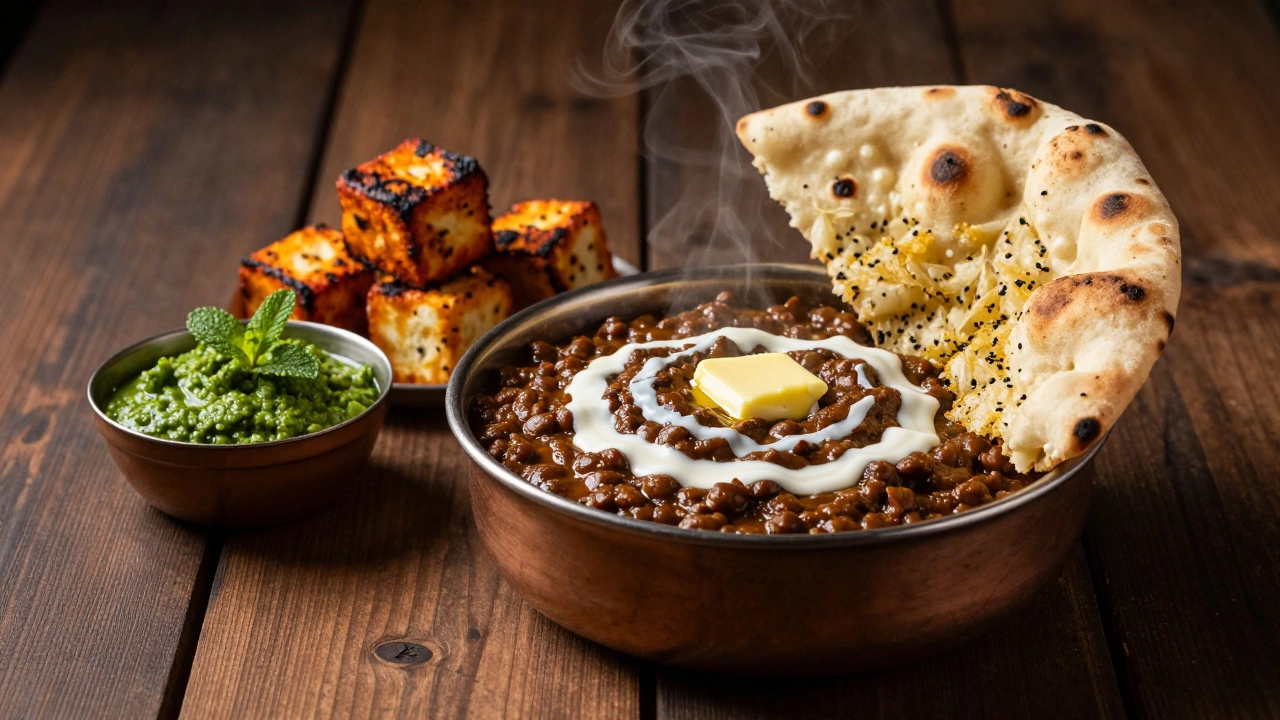
Dal Makhani is a rich, creamy lentil dish made from whole black lentils and kidney beans, simmered with butter and cream. It isn't just a soup; it's an experience. The smokiness comes from the traditional charcoal tempering (dhungar), which gives it a depth that is almost impossible to replicate in a standard home kitchen.
Then there is the undisputed king of the party menu: Paneer Tikka is cubes of cottage cheese marinated in yogurt and spices, then grilled in a tandoor oven. The contrast between the charred, smoky exterior and the soft, milky interior makes it a global favorite. When you pair this with a mint chutney, the acidity cuts through the richness of the dairy, creating a perfect balance on the palate.
| Dish | Primary Base | Flavor Profile | Texture |
|---|---|---|---|
| Dal Makhani | Black Lentils | Creamy, Smoky | Velvety |
| Paneer Tikka | Cottage Cheese | Spicy, Charred | Firm yet Soft |
| Chole Bhature | Chickpeas | Tangy, Robust | Hearty/Fluffy |
| Palak Paneer | Spinach | Earthy, Nutty | Creamy |
The Art of the Street Food Explosion
You can't talk about the tastiest food without mentioning the streets of Mumbai or Delhi. Street food is where innovation happens because vendors have to grab your attention with smell and sight within seconds. Have you ever tried a plate of Chole Bhature on a rainy morning? It's a meal that defines indulgence.
Chole Bhature consists of spicy chickpeas (Chole) served with deep-fried leavened bread (Bhature). The chickpeas are often cooked with a blend of tea leaves or amla (Indian gooseberry) to get that signature dark color and tangy kick. When you tear into a hot, fluffy bhatura and scoop up the thick gravy, you get a hit of salt, spice, and acidity all at once.
For those who prefer something a bit more refreshing, the Pani Puri (or Golgappa) is a marvel of engineering. It's a tiny, crispy shell filled with a mixture of mashed potatoes and sprouts, then dunked in spicy, tangy mint water. The explosion of flavor happens the moment the shell breaks in your mouth. It's a sensory overload in the best way possible.
Regional Secrets: Beyond the Cream and Butter
While the North is famous for dairy, South India offers a different kind of 'tastiest' experience-one based on fermentation and coconut. If you've never had a Masala Dosa, you're missing out on one of the most sophisticated vegetarian textures in the world.
Masala Dosa is a thin, crispy crepe made from fermented rice and lentil batter, stuffed with a spiced potato filling. The fermentation process creates a slight tang that pairs beautifully with coconut chutney and sambar. The crispiness of the dosa combined with the soft, turmeric-stained potatoes inside is a masterclass in textural contrast.
Moving toward the West Coast, you'll find dishes like Undhiyu. This is a seasonal Gujarati delicacy made from winter vegetables, peanuts, and coconut. It's a slow-cooked stew that embodies the warmth of a home-cooked meal. The use of coconut oil and fresh ginger makes it feel lighter than the heavy creams of the North, yet just as flavorful.
Why Indian Veg Food Hits Different
What makes these dishes stand out globally? It's all about the layering of flavors. Most cuisines use salt and pepper; Indian cooking uses a sequence of tempering. This process, known as Tadka, involves heating oil and adding whole spices like cumin, mustard seeds, or dried chilies at the very end. This preserves the volatile oils of the spices, ensuring the aroma hits you before the food even reaches the table.
Consider the role of Garam Masala, which is a blend of ground spices including cinnamon, mace, peppercorns, coriander seeds, and cardamom. It doesn't just add 'heat'; it adds warmth and depth. When you combine this with the creaminess of cashew paste or the tang of tamarind, you create a flavor profile that satisfies every part of the tongue-sweet, sour, salty, bitter, and umami.
How to Find the Most Authentic Taste
If you are searching for these flavors in a restaurant, don't just look at the menu. Look for the 'Special of the Day' or dishes that require long cooking times. A truly great Dal Makhani cannot be made in 30 minutes; it needs time for the fats to emulsify and the lentils to break down. If the menu mentions 'slow-cooked' or 'tandoor-fired,' you're on the right track.
Also, pay attention to the bread. The dish is only as good as what you use to eat it. A garlic naan provides a pungent, buttery base that complements the richness of Paneer, while a thin phulka is better for the lighter, home-style vegetable curries. The pairing is what elevates the meal from 'good' to 'the tastiest in the world.'
Is Indian vegetarian food healthy?
It depends on the dish. Lentil-based dishes like Dal are packed with protein and fiber. However, restaurant versions of Paneer and Dal Makhani often use heavy cream and butter, making them high-calorie treats. To keep it healthy, focus on home-style 'Sabzi' (vegetable stir-fries) and avoid deep-fried breads.
What is the best dish for someone who doesn't like spicy food?
Try Malai Kofta. It consists of fried potato and paneer dumplings served in a creamy, mildly sweet cashew-based gravy. It provides the rich, satisfying flavor of Indian cuisine without the aggressive heat of green or red chilies.
Can I make these dishes vegan?
Absolutely. You can replace paneer with extra-firm tofu and swap ghee or butter for coconut oil or vegan butter. Many South Indian dishes, like the Dosa, are naturally vegan as they rely on rice and lentils rather than dairy.
What is the difference between Paneer and Tofu?
Paneer is a fresh cheese made by curdling milk with lemon or vinegar, resulting in a creamy, milky taste. Tofu is made from soy milk and has a more neutral, bean-like flavor. While tofu absorbs spices well, paneer has a natural richness that is harder to replicate.
Which Indian state has the best vegetarian food?
It is a tough choice. Punjab is the heart of rich, dairy-heavy comfort food. Gujarat is famous for its sweet-and-savory balance (like Dhokla). Tamil Nadu and Karnataka offer the best fermented rice and lentil dishes. Your choice depends on whether you crave cream, tang, or crunch.
Next Steps for Your Taste Journey
If you've only had a few Indian dishes, start by exploring the 'Tandoori' section of a menu to experience the smokiness of the oven. From there, move to the 'Curries' to explore the different regional bases-coconut for the south, onion-tomato for the north. If you're feeling adventurous, visit a local street-food market and try Pani Puri; it's the fastest way to understand why Indian vegetarian food is loved globally. Just remember to drink a glass of salted Lassi afterward to cool down your palate!