Indian Street Food Safety: What You Need to Know Before You Eat
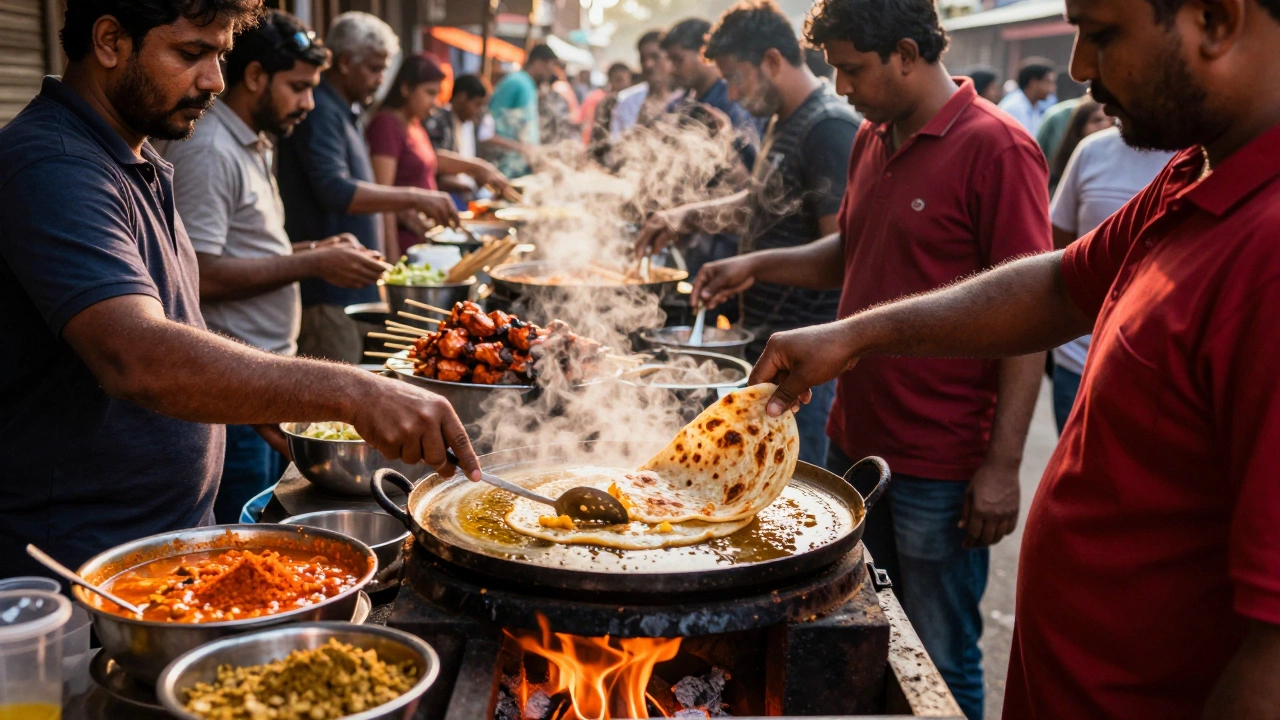
When you bite into a crispy Indian street food, a wide range of quick, flavorful snacks sold by vendors on sidewalks and busy corners across India. Also known as roadside eats, it's more than just a meal—it's a cultural experience. But Indian street food safety isn't just about taste. It’s about knowing who made it, how it was stored, and whether the water used was clean. Every year, travelers and locals alike get sick from food that looked delicious but wasn’t handled right. It’s not about fear—it’s about awareness.
Street food hygiene, the practices that prevent contamination during preparation and serving. Also known as food safety standards, it’s often overlooked because vendors work fast and don’t have fancy kitchens. But you can spot the good ones: look for high turnover (food moves quickly off the grill), clean utensils, and vendors who handle money and food with separate hands. Avoid anything sitting uncovered in the sun, especially dairy-based items like paneer snacks or sweet lassi. If the oil looks dark and reused too many times, walk away. That’s not flavor—that’s risk. And don’t assume "fresh" means safe. A freshly made samosa can still be fried in contaminated oil or washed with unclean water. Food poisoning India, a common illness caused by bacteria like E. coli or Salmonella from unsafe food or water. Also known as traveler’s stomach, it’s not always from spicy food—it’s from poor handling. The same vendor who makes perfect chaat might use the same cloth to wipe counters and then handle your drink.
Some of the safest options? Things that are cooked hot and served immediately—like tikki, pani puri with fresh water, or grilled corn. Avoid raw chutneys unless you’re sure they’re made with boiled water and vinegar. Stick to bottled water for drinks, even if the vendor claims it’s filtered. And if you’re unsure, watch what locals are eating. If five people are lining up for one cart, there’s a reason.
You don’t need to avoid Indian street food to stay safe. You just need to know what to look for. The next time you’re tempted by that sizzling pav bhaji or the sweet jalebi glistening under the lights, pause for a second. Check the hands, the oil, the water. It’s not about being paranoid—it’s about enjoying the food without paying for it later. Below, you’ll find real stories, expert tips, and simple rules that help you eat boldly—and safely—across India’s bustling streets.
What to Eat in India to Avoid Getting Sick: A Local’s Guide
Learn which Indian foods are safe to eat and which to avoid to prevent stomach issues. A local’s guide to street food, drinks, and dishes that won’t make you sick.