Ideal Soaking Time for Urad Dal in Dosa Batter
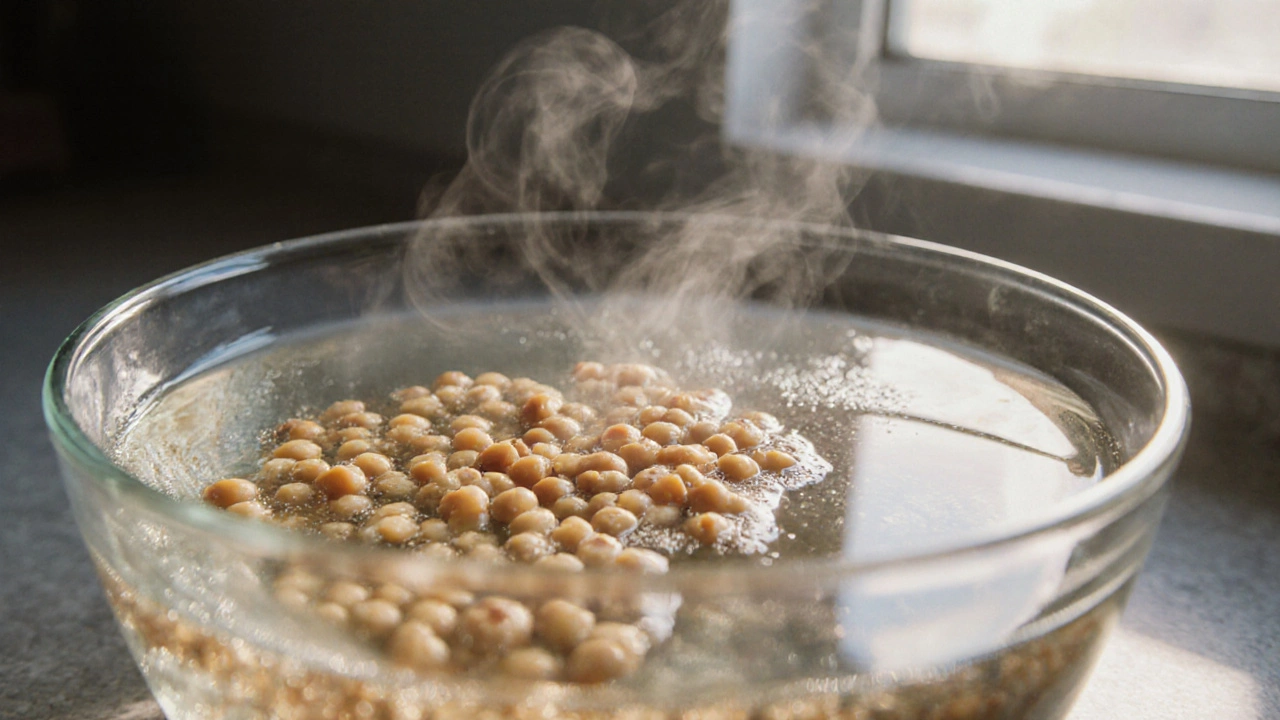 Oct, 21 2025
Urad Dal Soaking Time Calculator
Temperature tip: Adjust soaking time by ±1 hour based on your kitchen's humidity and water quality.
Wondering how long you should soak urad dal to get that perfect dosa crisp? The answer isn’t a one‑size‑fits‑all number - it depends on temperature, water quality, and the type of dal you’re using. Below you’ll find a step‑by‑step guide, the science behind soaking, and a quick reference table so you can dial in the right time every time you make batter.
Why Soaking Matters
When you Urad Dal a black gram lentil that provides protein and structure to dosa batter it absorbs water, softening its outer seed coat and activating enzymes. Those enzymes start breaking down complex sugars into simpler ones, which later produce the natural carbonation during Fermentation the process where wild lactobacilli and yeasts convert sugars into acids and gases. The result is a batter that rises, smells slightly sour, and gives you those airy holes on a cooked dosa.
If the dal is under‑soaked, the grind will be gritty and the fermentation weak, leading to dense, flat crepes. Over‑soaking, on the other hand, can make the dal mushy, dilute the batter, and encourage unwanted bacterial growth. The sweet spot balances texture and microbial activity.
Temperature‑Based Soaking Guide
Temperature is the biggest variable because it directly influences enzyme speed. Use the table below as a starting point; adjust by a few minutes if your kitchen is unusually hot or cool.
| Ambient Temp (°C) | Recommended Soak | Resulting Batter Texture |
|---|---|---|
| 15‑18 | 8‑10 hours | Firm, needs extra fermentation time |
| 20‑22 | 6‑8 hours | Balanced softness, good fermentation |
| 25‑27 | 4‑6 hours | Very soft, quick ferment (2‑4 hrs) |
| 30+ | 2‑4 hours | Extremely soft, watch for sourness |
Step‑by‑Step Soaking Procedure
- Rinse Urad Dal under running water until the water runs clear to remove dust and loose husk.
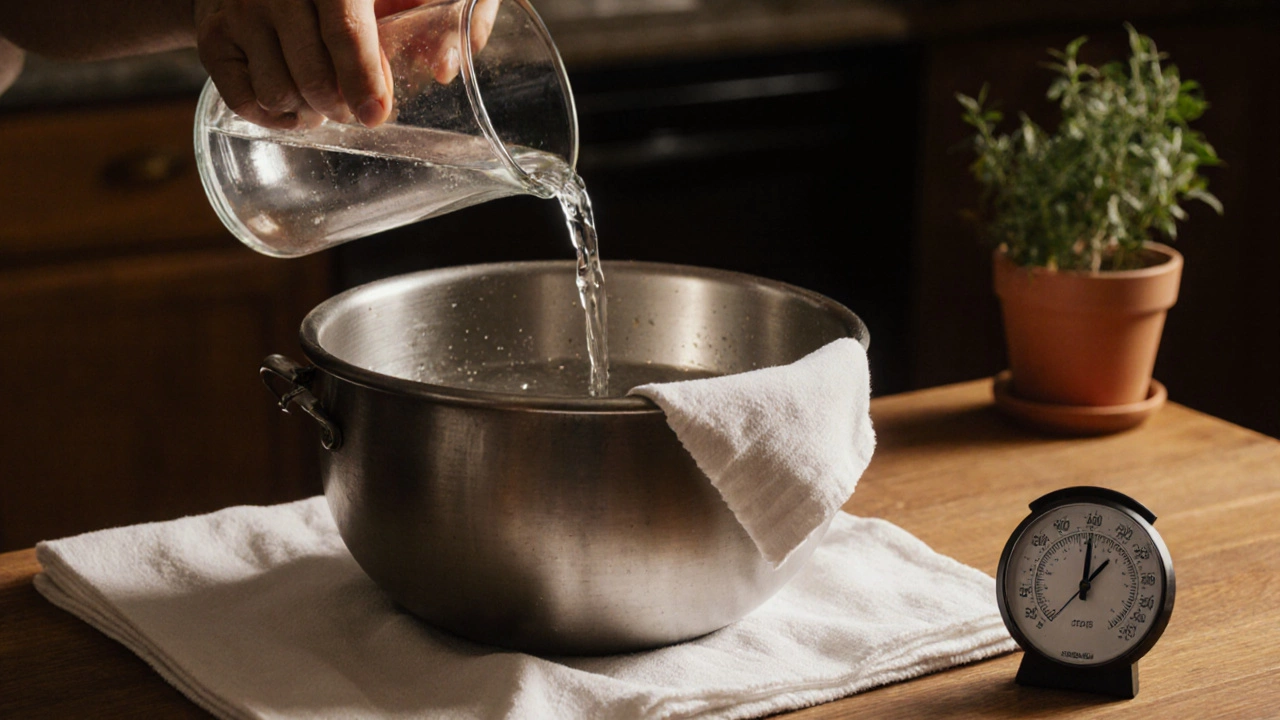
- Place the dal in a Soaking Vessel a non‑reactive bowl or jar, preferably glass or stainless steel. Avoid plastic containers that can leach chemicals at higher temperatures.
- Add fresh Water filtered or boiled and cooled water, free of chlorine. Use a 1:2 ratio (1 part dal to 2 parts water) for easy stirring later.
- Cover the vessel loosely with a cloth to keep dust out while allowing some airflow for natural Starter Culture the wild microbes that kick‑start fermentation to settle.
- Check the ambient Temperature the room temperature where the vessel sits. Set a timer based on the table above.
- After the timer goes off, give the dal a quick stir. The kernels should look swollen and slightly split, not mushy.
- If you plan to grind immediately, proceed to the grinding step. If you need extra fermentation, keep the soaked dal at room temperature for another 1‑2 hours before blending.
Grinding & Fermentation Tips
After soaking, drain most of the water but reserve a cup for grinding. The retained moisture helps achieve a smooth Dosa Batter a mixture of soaked dal, rice, and water that will ferment.
- Add an equal part of Rice typically parboiled rice for crispiness to the soaked dal.
- Blend on high speed, sprinkling the reserved water gradually until you reach a pouring consistency - thick enough to coat the back of a spoon but thin enough to spread easily.
- Transfer the batter to a clean container, cover loosely, and let it ferment. In a 22 °C kitchen, 6‑8 hours yields a mildly sour batter; at 27 °C, 4‑5 hours is enough.
- Check for tiny bubbles on the surface and a pleasant tangy aroma - signs of successful fermentation.
Common Mistakes & Quick Fixes
Even seasoned cooks hit snags. Here are the most frequent problems and how to solve them.
- Dal still hard after soaking: Extend soaking by 1‑2 hours or increase temperature slightly. A quick 10‑minute boil can also soften stubborn seeds.
- Batter too watery: Drain excess water before grinding, or add a handful of dry rice flour after blending.
- No bubbles after fermentation: The kitchen might be too cool. Move the container to a warmer spot (near a stove or inside a turned‑off oven).
- Off‑flavors or sourness: Over‑fermentation can happen if you leave the batter beyond 12 hours at high heat. Use fresh water for the next batch and keep the storage container refrigerated.
Quick Pre‑Grind Checklist
- Dal soaked for the recommended time based on temperature.
- Water quality is good - no chlorine or strong mineral taste.
- Soaking vessel is clean and non‑reactive.
- Reserve enough water for grinding (about 1 cup per cup of dal).
- Rice is pre‑soaked (optional) for an extra hour to improve texture.
Frequently Asked Questions
Can I use split urad dal instead of whole?
Yes. Split dal absorbs water faster, so reduce soaking time by about 30 %. The texture of the batter stays smooth, but you may lose a tiny amount of the natural coating that aids fermentation.
Is it okay to add a pinch of fenugreek seeds?
Absolutely. Fenugreek boosts fermentation and adds a subtle aroma. Soak the seeds with the dal; ½ - 1 tsp is enough for a typical batch.
What if my kitchen is colder than 15 °C?
Extend soaking to 12‑14 hours and ferment the batter in a warm spot - a turned‑off oven with the light on works well. You can also add a small piece of cooked potato to the batter; its starch helps feed the microbes.
Can I reuse the soaking water?
Reuse is not recommended because the water contains leached starches and microbes that can turn sour quickly. Discard and use fresh water for each batch.
How long can I store soaked dal before grinding?
It’s safe for up to 24 hours if kept refrigerated. Beyond that, the risk of unwanted bacterial growth rises sharply.
With the right soaking window, your dosa batter will be airy, crisp, and consistently delicious. Adjust the times to match your kitchen’s climate, and you’ll never wonder again how long to soak urad dal.