Hygienic Indian Meals: Safe, Clean, and Healthy Ways to Cook Traditional Food
When we talk about hygienic Indian meals, meals prepared with clean practices to prevent illness and maximize nutrition. Also known as safe Indian cooking, it's not just about washing hands—it’s about how you handle every ingredient, from lentils to spices, from storage to serving. Many assume Indian food is inherently healthy because it’s plant-based and spiced, but that’s only true if hygiene isn’t skipped. A single dirty spoon, un-rinsed dal, or old turmeric jar can turn a nutritious meal into a source of stomach trouble.
Lentils, a staple protein in Indian kitchens, must be rinsed until the water runs clear. Skipping this step doesn’t just make your dal gritty—it introduces dust, insects, and even mold spores. Spice storage, how you keep your cumin, coriander, and chili powder, matters just as much. Moisture, heat, or old containers turn spices into breeding grounds for bacteria. And fermented foods, like chutneys and dosa batter, need clean jars and fresh starters. Store-bought versions often lack live cultures, but homemade ones, made right, can actually help your gut.
Hygienic Indian meals aren’t about perfection—they’re about awareness. It’s knowing not to use the same knife for raw chicken and roti. It’s understanding that cooking roti on high heat won’t kill germs if your dough sat out overnight. It’s choosing whole wheat over refined flour not just for fiber, but because it’s less likely to harbor contaminants during milling. Even something as simple as how you store milk for paneer affects safety—ultrapasteurized milk might last longer, but it won’t curdle properly and can carry hidden risks if not stored cold.
You don’t need fancy gadgets to cook hygienic Indian meals. Just clean surfaces, fresh ingredients, and a few smart habits. Rinse your lentils. Wash your herbs. Keep spices dry. Chill leftovers fast. These aren’t gourmet tricks—they’re basics that keep your family healthy. And when you do this right, your food doesn’t just taste better—it protects you.
The posts below show you exactly how to do this. From why you should never skip rinsing dal, to how to make naan that’s actually safe to eat, to which Indian snacks keep you full without the dirt—every tip here is grounded in real kitchen science. No fluff. No myths. Just clear, practical steps to make every meal in your kitchen cleaner, safer, and more nutritious.
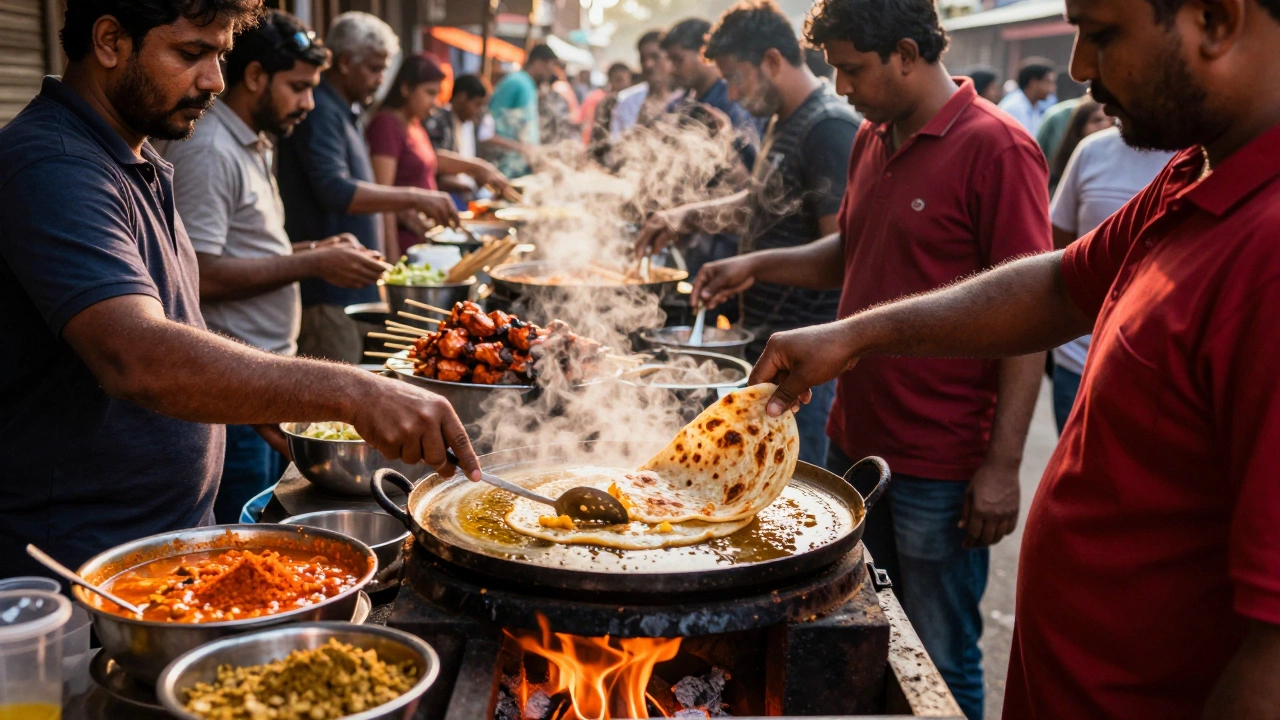
What to Eat in India to Avoid Getting Sick: A Local’s Guide
Learn which Indian foods are safe to eat and which to avoid to prevent stomach issues. A local’s guide to street food, drinks, and dishes that won’t make you sick.