Is It Safe to Eat Fruit in India? A Traveler's Guide
 Sep, 25 2026
India Fruit Safety Checker
Select a fruit below to see its safety rating and essential preparation tips for avoiding "Delhi Belly."
Fruit Name
Safety LevelWhy this rating?
Golden Rule Reminder
- Peel it yourself if possible.
- Use bottled water for washing.
- Avoid pre-cut fruit from open displays.
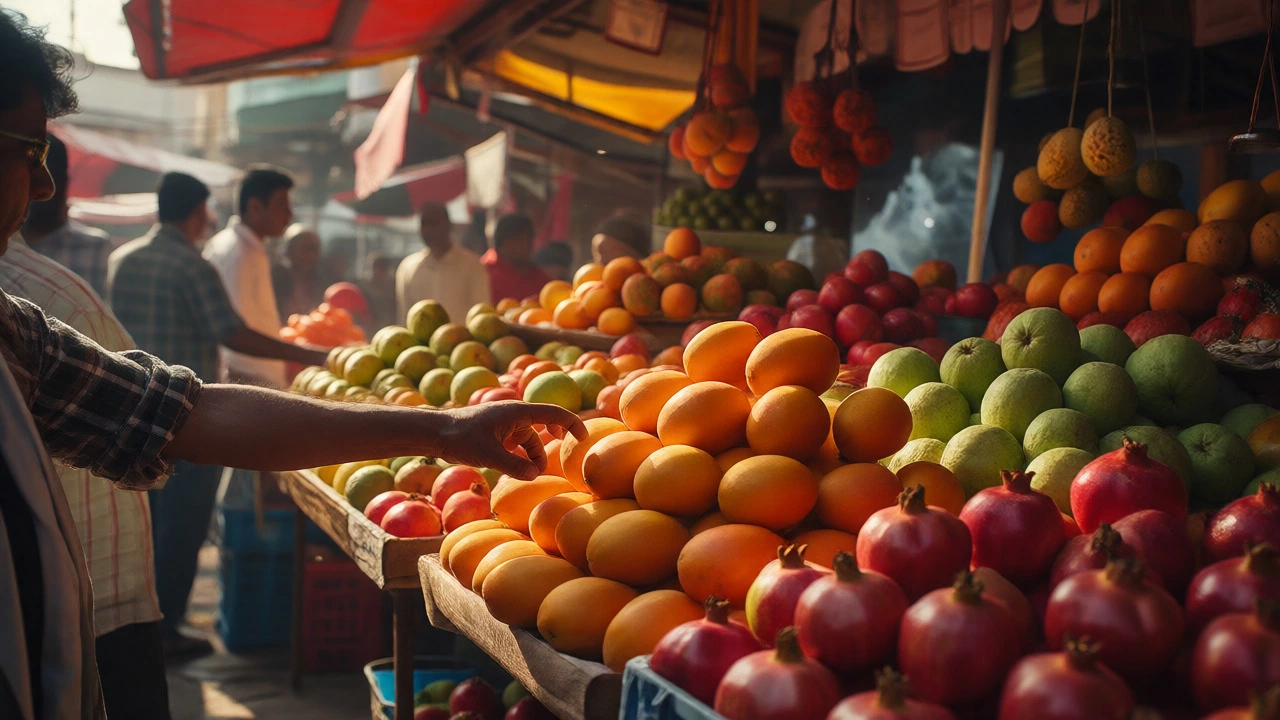
You’re standing in a bustling market in Old Delhi. The air smells of spices and exhaust. Before you, pyramids of mangoes, guavas, and pomegranates glow under the sun. Your mouth waters. But then, that familiar hesitation hits: is it safe to eat fruit in India? You’ve heard the horror stories about "Delhi Belly" and questionable washing water. So, do you walk away hungry, or do you take the risk?
The short answer is yes, but with rules. Indian fruits are incredibly fresh, often cheaper than anywhere else in the world, and bursting with flavor. The danger isn’t usually the fruit itself-it’s how it’s handled. As someone who has traveled extensively through South Asia, I can tell you that avoiding all raw produce means missing out on some of the best culinary experiences of your life. Here is exactly how to navigate the fruit landscape without ending up in a hospital bed.
Why Fruit Safety Is a Concern in India
To understand the risk, you have to look at the supply chain. In many Western countries, strict regulations govern pesticide use and washing standards. In India, while regulations exist, enforcement varies wildly by region. The primary culprit for traveler’s diarrhea isn’t the apple or the banana; it’s the water used to wash them. If a vendor uses untreated tap water to rinse cut fruit, bacteria like E. coli or Salmonella can transfer from the water to the fruit’s surface.
Pesticide residue is another factor. Mangoes, grapes, and strawberries often carry higher loads of chemical residues if not washed thoroughly. However, the acute illness travelers fear-sudden cramps and bathroom emergencies-is almost always bacterial, stemming from contaminated water or unwashed hands handling the produce. Knowing this distinction helps you focus on what actually matters: hygiene, not just organic status.
The Golden Rule: Peel It or Cook It
If there is one mantra for eating safely in tropical regions, it is this: peel it yourself, or don’t eat it. This rule eliminates 90% of the risk associated with raw fruit. When you peel a banana, an orange, or a pineapple with clean hands (or gloves), you bypass the contaminated outer skin entirely. The inner flesh remains sterile unless touched by dirty fingers afterward.
Conversely, avoid any fruit where you cannot remove the skin. Strawberries, cherries, and grapes are high-risk items because they are porous, hard to scrub effectively, and often sold pre-washed in buckets of dubious water. If you crave berries, buy them sealed in packaged containers from reputable supermarkets rather than loose from street carts. For stone fruits like peaches or plums, ensure you wash them thoroughly with bottled water before biting into them, though peeling is still safer.
Street-Cut Fruit vs. Whole Fruit
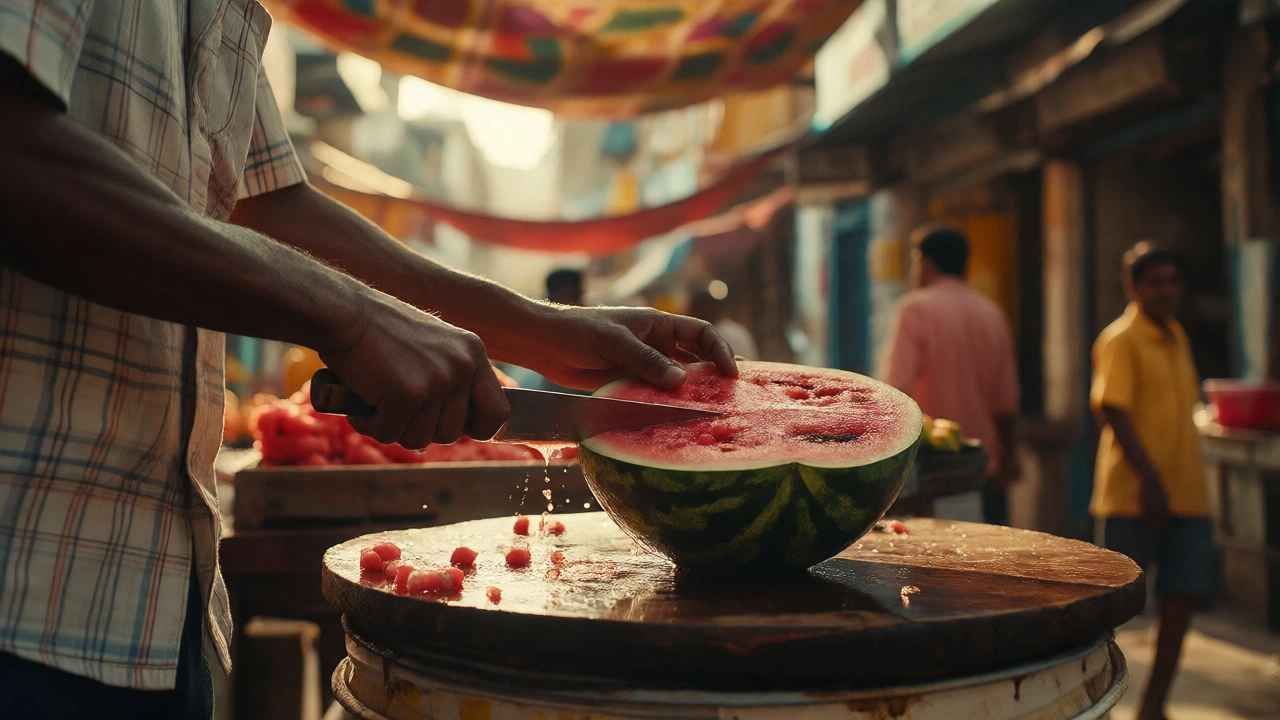
Nothing looks more inviting than a bowl of colorful, chopped fruit served with chili salt on a hot day. But this is where most tourists make mistakes. Street-cut fruit is convenient, but it introduces multiple points of contamination. Who cut it? Was the knife clean? Was the cutting board sanitized since the last batch? How long has the fruit been sitting in the heat?
Bacteria multiply rapidly in warm temperatures. Cut fruit left out for hours becomes a breeding ground. If you must buy cut fruit, choose vendors who slice it to order right in front of you. Watch the process. If the fruit was already sitting in a bucket of ice water, ask yourself how often that water is changed. Often, it isn’t. The ice might be made from purified water, but the bath it sits in might not be. Stick to whole fruits whenever possible, and only opt for cut fruit if the vendor’s hygiene practices are visibly impeccable.

Top Safe Fruits to Enjoy
Some fruits are naturally easier to manage due to their thick skins or local abundance. Here is a breakdown of common Indian fruits and their safety profiles:
| Fruit | Safety Level | Preparation Tip |
|---|---|---|
| Mango | High (if peeled) | Peel with a clean knife; avoid pre-cut slices. |
| Banana | Very High | Natural packaging makes it one of the safest options. |
| Papaya | Medium-High | Wash skin with bottled water before cutting; scoop inside. |
| Grapes | Low-Medium | Soak in vinegar/bottled water solution; rub each grape individually. |
| Guava | Medium | Often eaten with skin; ensure thorough washing with disinfectant. |
| Watermelon | Medium-Low | Buy whole; cut yourself. Avoid large open displays. |
Bananas are arguably the safest fruit in India. They come in their own biodegradable wrapper, which protects the edible part from external contaminants until you break it open. Just ensure you wash your hands after peeling, as the outside of the peel can harbor dirt and bacteria from transport.
Mangoes are the king of Indian fruits. From the Alphonso in Maharashtra to the Dasheri in North India, they are everywhere. The key is to buy them whole. Do not buy mangoes that have been sliced and arranged on plates. Buy a ripe mango, find a public restroom or a hotel lobby, and peel it yourself. If you are adventurous, try "Aam Panna," a drink made from raw green mangoes, but ensure it is served chilled and prepared with filtered water.
How to Wash Fruit Properly
If you are staying in accommodation with a kitchenette, or even just a sink, you can significantly improve safety by washing fruit correctly. Tap water in major cities like Mumbai or Bangalore is generally treated, but pipes may introduce rust or secondary contamination. Rural areas or older buildings in historic districts often have unreliable water quality.
Use bottled water for the final rinse. Here is a simple three-step method for fruits with edible skins like apples or guavas:
- Rub the fruit under running water to remove visible dirt.
- Soak the fruit in a bowl of water mixed with a teaspoon of baking soda or a few drops of vegetable wash for 10-15 minutes. This helps break down pesticide residues.
- Rinse thoroughly with bottled or purified water before eating.
For berries and grapes, soaking is crucial. These small fruits trap dust and chemicals in their crevices. A quick splash under the tap isn’t enough. Pat them dry with a clean paper towel before consuming.
Where to Buy: Markets vs. Supermarkets
Local markets offer the freshest produce and the best prices. You’ll find varieties you won’t see in chains, like Jamun (Java Plum) or Chikoo (Sapodilla). However, hygiene standards vary. Look for stalls with high turnover. If the fruit looks dusty or bruised, skip it. Ask locals which stall they prefer; word of mouth is a powerful filter.
Supermarkets like BigBasket, Nature’s Basket, or Reliance Fresh offer a controlled environment. Produce is often sourced from certified farms and stored in cold chains. While more expensive, the risk of bacterial contamination is lower because washing and packaging protocols are standardized. If you have a sensitive stomach, starting with supermarket purchases is a smart way to ease into local flavors without the stress.
Signs of Unripe or Spoiled Fruit
Eating unripe fruit can cause digestive upset, especially if you aren’t used to it. In India, fruits are sometimes picked early to survive transport. A firm, green mango tastes sour and can lead to bloating. Wait for the scent. Ripe fruit smells sweet near the stem. Soft spots indicate fermentation or mold, which can trigger allergic reactions or stomach issues in sensitive individuals.
Be cautious with coconut water. Fresh tender coconuts are refreshing and electrolyte-rich. Ensure the vendor cuts it open in front of you. Pre-packed coconut water can spoil quickly in the heat, leading to fermentation that tastes slightly alcoholic and causes gas.
Final Thoughts on Eating Fruit Abroad
Your body adapts over time. Many long-term expats eventually eat street-cut fruit without issue, having built up immunity to local strains of bacteria. But for a first-time visitor or a short trip, caution is worth the comfort. Don’t let fear ruin your experience. The joy of biting into a sun-warmed litchi or a juicy pomegranate is unmatched. By choosing whole fruits, peeling them yourself, and using bottled water for washing, you can enjoy India’s abundant harvest with confidence.
Can I eat salad in India?
Raw salads pose a similar risk to raw fruits because they are rarely cooked and often washed in tap water. It is safer to stick to cooked vegetables or steamed greens when dining out. If you want leafy greens, ensure they have been washed with purified water or opt for restaurants known for strict hygiene.
Is it safe to eat bananas in India?
Yes, bananas are considered one of the safest fruits to eat in India. Their thick, inedible peel protects the flesh from external contaminants. Just make sure to wash your hands or use hand sanitizer after peeling, as the outside of the peel may have been handled by many people.
What should I do if I get sick from fruit?
If you experience mild stomach upset, stay hydrated with oral rehydration solutions (ORS) available at any pharmacy. Avoid anti-diarrheal medication initially to let your body flush out toxins. If symptoms persist for more than 48 hours, include blood in stool, or involve high fever, seek medical attention immediately.
Are organic fruits safer in India?
Organic certification reduces pesticide exposure but does not guarantee bacterial safety. Organic fruit can still be washed in contaminated water or handled with dirty hands. Always apply the same hygiene rules-peeling and proper washing-regardless of whether the fruit is labeled organic.
Can I eat cut fruit at railway stations?
Railway station fruit stalls are popular but risky due to high volume and variable hygiene. Only eat cut fruit if you can watch it being prepared fresh. Avoid trays of pre-cut fruit that have been sitting out for hours. Buying whole fruit and peeling it yourself is a much safer option while traveling.