Are Tomatoes Safe to Eat in India? Facts, Risks & Cooking Tips
 Jun, 20 2026
Tomato Safety & Suitability Checker
⚙ Your Profile & Preferences
Quick Facts
- High Vitamin C & Lycopene
- Low GI Safe for Diabetics
- Acidic pH 4.3 - 4.9
- Fat-Soluble Cook with oil for best absorption
Pro Tip: Cooking tomatoes breaks down cell walls, making lycopene more bioavailable and reducing histamine issues for some people.
Analysis Result
NeutralSelect your profile above to see personalized advice.
Personalized Recommendations:
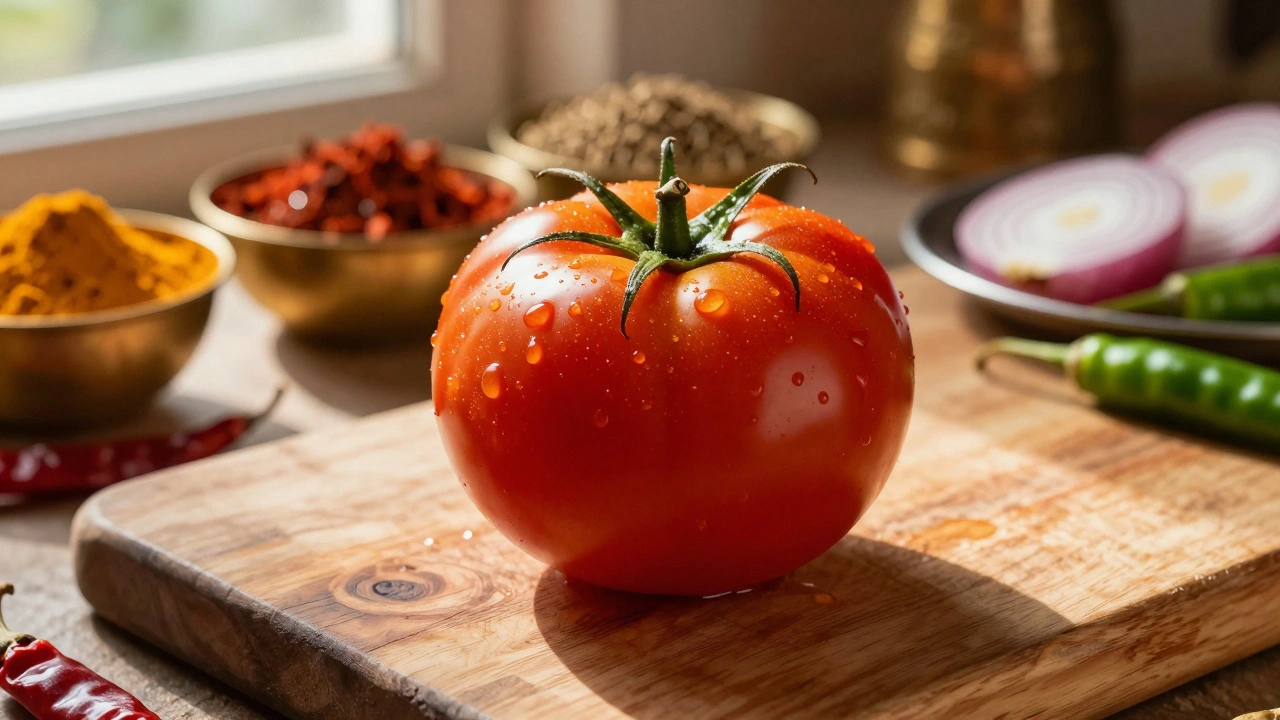
You grab a ripe red tomato, the backbone of every Indian curry, chutney, and dal. You slice it into your lunchbox salad or toss it into a simmering pot. But have you ever paused to wonder if that vibrant fruit is actually safe for you? For most people living in Mumbai or anywhere else in India, the answer is a resounding yes. However, there are specific health conditions and seasonal factors that might make tomatoes tricky for some individuals.
We eat tomatoes daily. They are cheap, available year-round, and packed with nutrients. Yet, rumors about acidity, pesticides, and hidden allergens circulate on WhatsApp groups and family dinners. Let’s cut through the noise. Is the tomato your kitchen’s best friend or a silent troublemaker? The truth lies in how your body reacts and how the vegetable is grown.
The Nutritional Powerhouse in Your Kitchen
Before we worry about safety, let’s look at why we keep buying them. A single medium-sized tomato provides a significant kick of Vitamin C, an essential antioxidant that boosts immunity and aids iron absorption. In a country where anemia is a common concern, pairing tomatoes with lentils (dal) helps your body absorb non-heme iron more effectively.
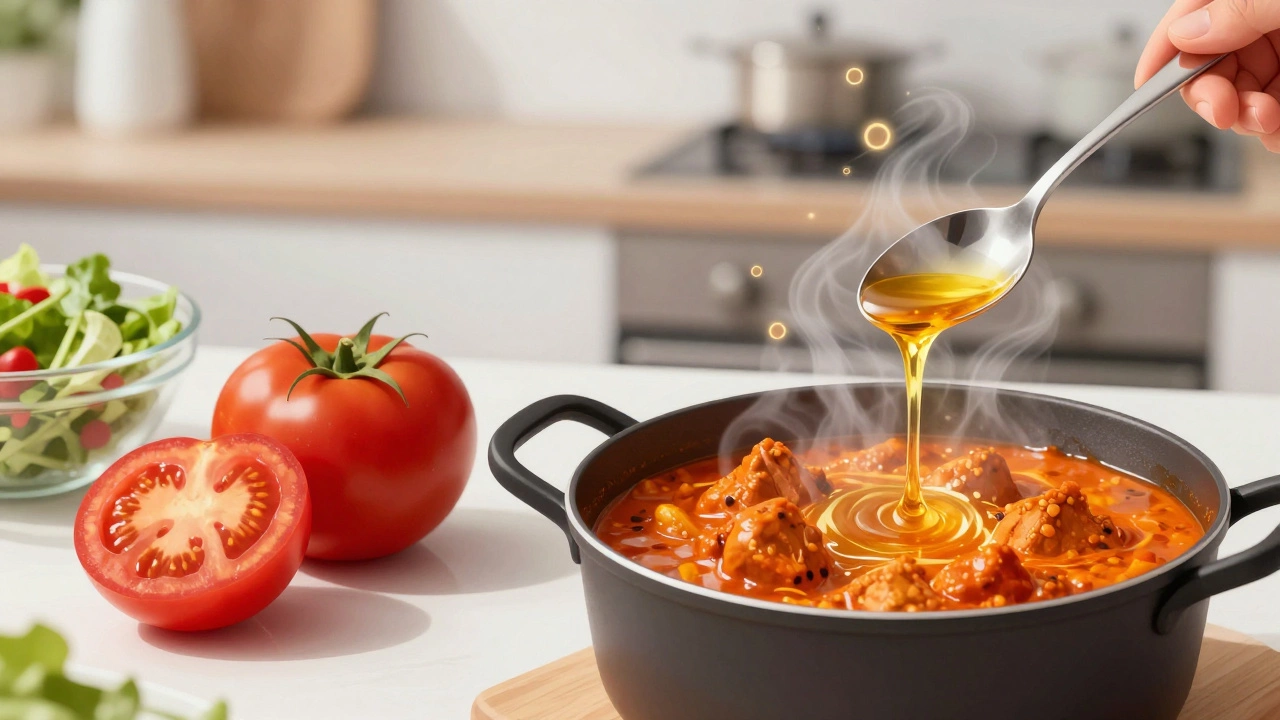
Tomatoes are also rich in lycopene, a potent carotenoid pigment responsible for the red color. Lycopene has been linked to reduced risk of heart disease and certain cancers. Here is a pro tip: lycopene is fat-soluble. This means your body absorbs it better when you cook tomatoes with a little oil or ghee. That’s why a well-made butter chicken masala or a simple onion-tomato tadka is not just tasty; it unlocks more nutrition than a raw salad.
- Vitamin A: Supports eye health and skin integrity.
- Potassium: Helps regulate blood pressure.
- Fiber: Aids digestion and keeps you full longer.
Who Should Be Careful? The Acidity Factor
If you suffer from acid reflux or gastroesophageal reflux disease (GERD), tomatoes might be your nemesis. Tomatoes are naturally acidic, with a pH level between 4.3 and 4.9. For people with sensitive stomachs, this acidity can trigger heartburn, bloating, or indigestion.
In Indian households, we often blame "heat" or "ushna guna" for digestive issues. While Ayurveda classifies tomatoes as heating, modern medicine points to histamines and acids. If you feel a burning sensation after eating tomato-based curries like palak paneer (if cooked with tomato base) or chicken tikka masala, try reducing the quantity. You don’t need to banish them entirely. Cook them longer to break down the cell walls and reduce harshness, or pair them with cooling agents like yogurt or coconut milk.
Allergies: Rare but Real
While rare, tomato allergy is an immune system reaction to proteins in the tomato. It is more common in children than adults. Symptoms can range from mild itching around the mouth to severe swelling or difficulty breathing (anaphylaxis).
There is also a condition called Oral Allergy Syndrome (OAS). People allergic to ragweed pollen may react to raw tomatoes. The proteins in raw tomatoes resemble those in ragweed. If you get an itchy throat only when eating raw tomatoes but are fine with cooked ones, OAS might be the culprit. Cooking denatures the problematic proteins, making the tomato safe for many OAS sufferers.
Pesticides and Seasonal Safety
This is the biggest concern for consumers in India. During the off-season (winter months, roughly December to February), tomatoes are imported from neighboring states or countries. To ensure they survive transport and stay red, farmers sometimes use higher amounts of pesticides.
A study by the Centre for Science and Environment (CSE) in New Delhi has periodically flagged pesticide residues in vegetables sold in major metro cities. While most levels fall within permissible limits set by the Food Safety and Standards Authority of India (FSSAI), consistent exposure to low-level residues is a valid concern for long-term health.
How to mitigate this risk:
- Buy in Season: Summer tomatoes (April to September) are locally grown, cheaper, and require fewer preservatives.
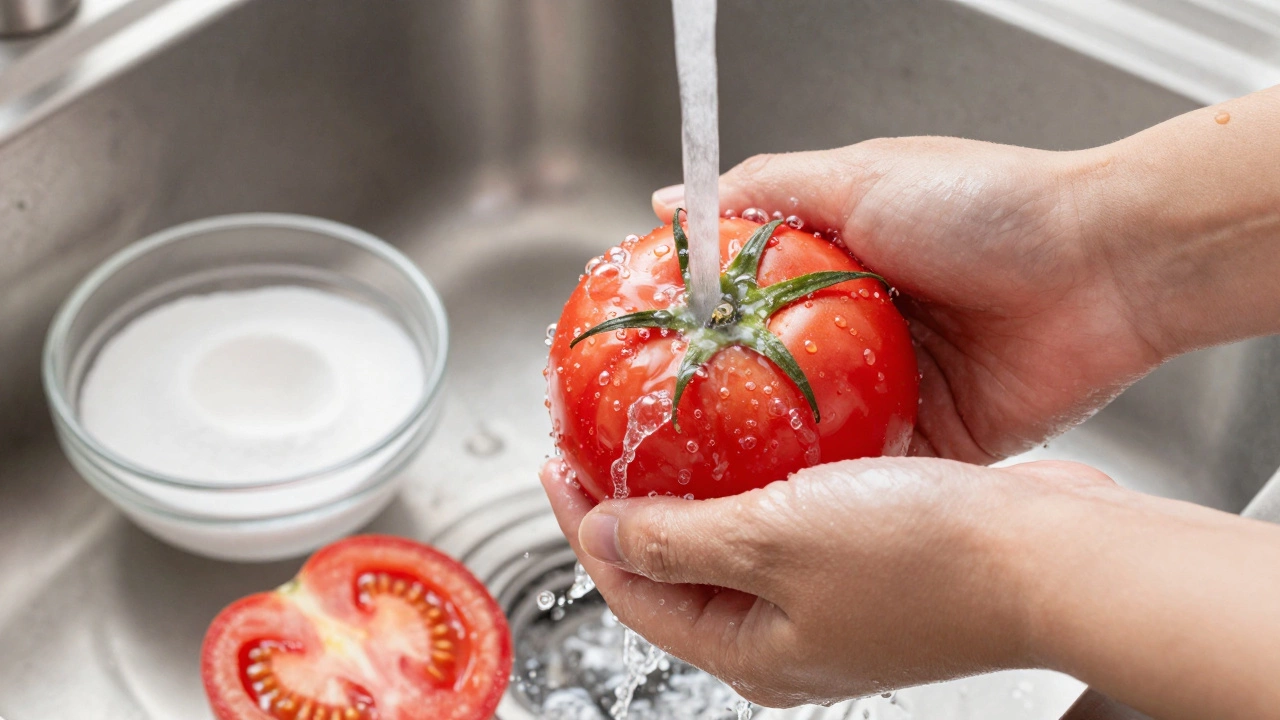
- Wash Thoroughly: Rinse under running water while rubbing the surface. Soaking in salt water or baking soda solution for 10-15 minutes can help remove surface residues.
- Pee When Possible: Since most pesticides reside on the skin, peeling tomatoes for soups or purees reduces exposure significantly.
Cooking Tomatoes Safely in Indian Cuisine
Indian cooking involves high heat and spices, which generally makes tomatoes safer and easier to digest. Here is how to handle them in your daily recipes.
| Dish Type | Safety Consideration | Recommendation |
|---|---|---|
| Raw Salad (Kachumber) | Pesticide residue on skin; Histamine sensitivity | Peel before chopping if sensitive; wash thoroughly |
| Gravy Base (Masala) | Acidity increases with frying | Cook until oil separates; add turmeric to neutralize acid |
| Chutney | High concentration of tomato pulp | Use green chilies sparingly; dilute with tamarind or lemon |
| Dal Tadka | Low risk due to cooking time | Safe for most; add cumin seeds for digestion aid |
Green Tomatoes: A Different Beast
You might see unripe green tomatoes used in pickles or fried snacks. These contain higher levels of solanine, a natural toxin found in nightshade plants. In small culinary amounts, solanine is harmless. However, consuming large quantities of very bitter, green tomatoes can cause nausea or headaches. Always choose firm, slightly yellowing green tomatoes for cooking, and avoid any that taste intensely bitter.
Verdict: Should You Stop Eating Them?
For the vast majority of Indians, tomatoes are not just safe; they are essential. They provide flavor, nutrition, and texture to our meals. Unless you have a diagnosed allergy, severe GERD, or kidney issues requiring potassium restriction, there is no medical reason to avoid them.
The key is moderation and awareness. Buy local, wash well, and listen to your body. If a bowl of tomato soup leaves you feeling heavy or acidic, scale back. If it leaves you energized, keep enjoying that staple of Indian cuisine.
Can diabetics eat tomatoes?
Yes, tomatoes are excellent for diabetics. They have a low glycemic index (GI) of around 15, meaning they do not spike blood sugar levels. They are also low in calories and high in fiber, which helps manage weight and blood glucose.
Do tomatoes cause acidity in everyone?
No, tomatoes do not cause acidity in everyone. Only individuals with sensitive stomachs, GERD, or hiatal hernia typically experience heartburn. For healthy individuals, the fiber in tomatoes actually aids digestion.
Are organic tomatoes worth the extra cost in India?
If budget allows, organic tomatoes reduce pesticide exposure. However, washing conventional tomatoes thoroughly with baking soda water removes most surface residues. Buying in-season local tomatoes is often a safer and cheaper alternative to expensive out-of-season organic imports.
Is it safe to eat tomato skin?
Yes, tomato skin is edible and contains valuable antioxidants. However, it is harder to digest for some people and holds the most pesticide residue. Peeling is recommended for babies, elderly individuals, or those with digestive sensitivities.
Can pregnant women eat tomatoes?
Yes, tomatoes are safe and beneficial during pregnancy due to their folic acid and Vitamin C content. Just ensure they are washed properly to avoid listeria or other bacterial contamination from soil or handling.