What Is the World's No. 1 Healthy Breakfast? The Indian Answer
 May, 27 2026
Build Your Perfect Indian Breakfast Plate
Select one option from each category below to see how your choices create a balanced, nutrient-dense morning meal.
You wake up in Bangalore, the humidity is already rising, and you have exactly fifteen minutes before your commute or Zoom call. You want something that fuels your brain, keeps your stomach full until lunch, and doesn't require a degree in culinary arts to make. You’ve probably seen headlines claiming oatmeal is the "world’s best" or that avocado toast is the ultimate health hack. But if we are talking about true nutritional density, gut health, and sustainability, there is a strong argument for an Indian classic taking the top spot.
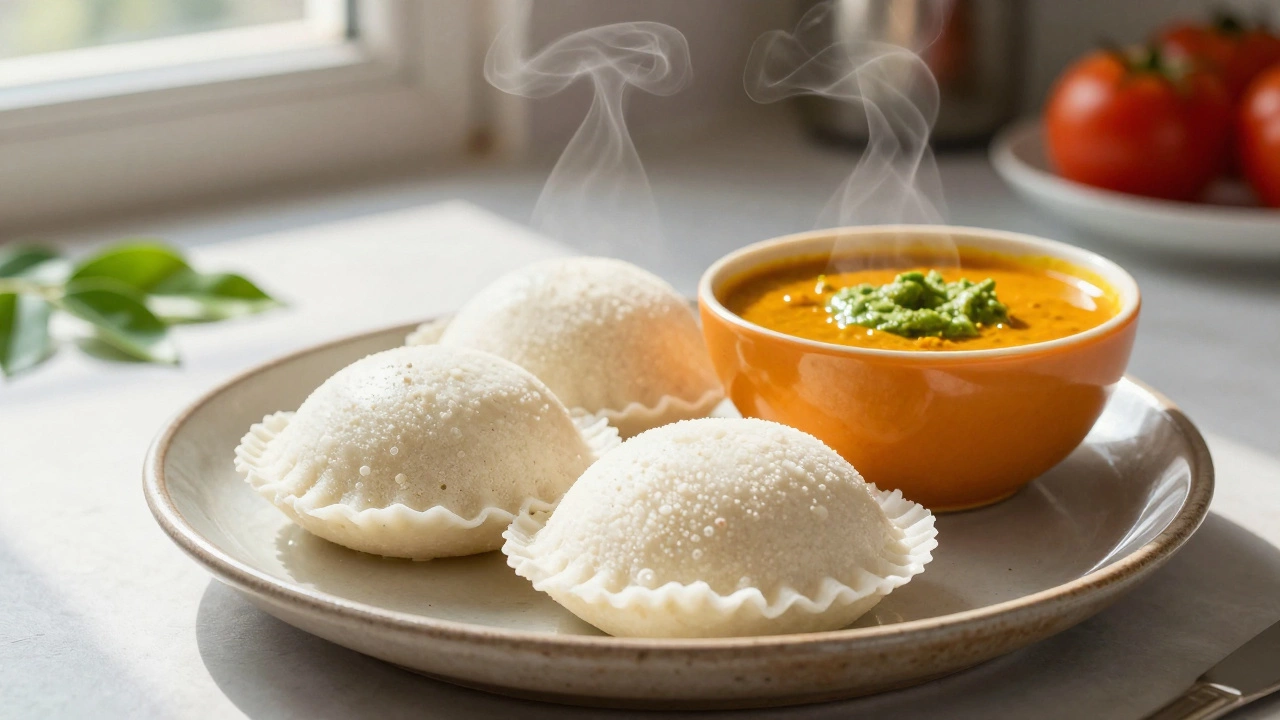
The title of the world’s No. 1 healthy breakfast isn’t held by a single dish found in a Western magazine. It belongs to a category of fermented, low-calorie, high-nutrient staples rooted in South Asian cuisine. Specifically, idli paired with nutrient-dense accompaniments stands out as a global champion for morning nutrition. Why? Because it combines probiotics from fermentation, complex carbohydrates, and customizable protein sources in a way that is gentle on the digestive system and powerful for sustained energy.
The Science Behind the Fermented Powerhouse
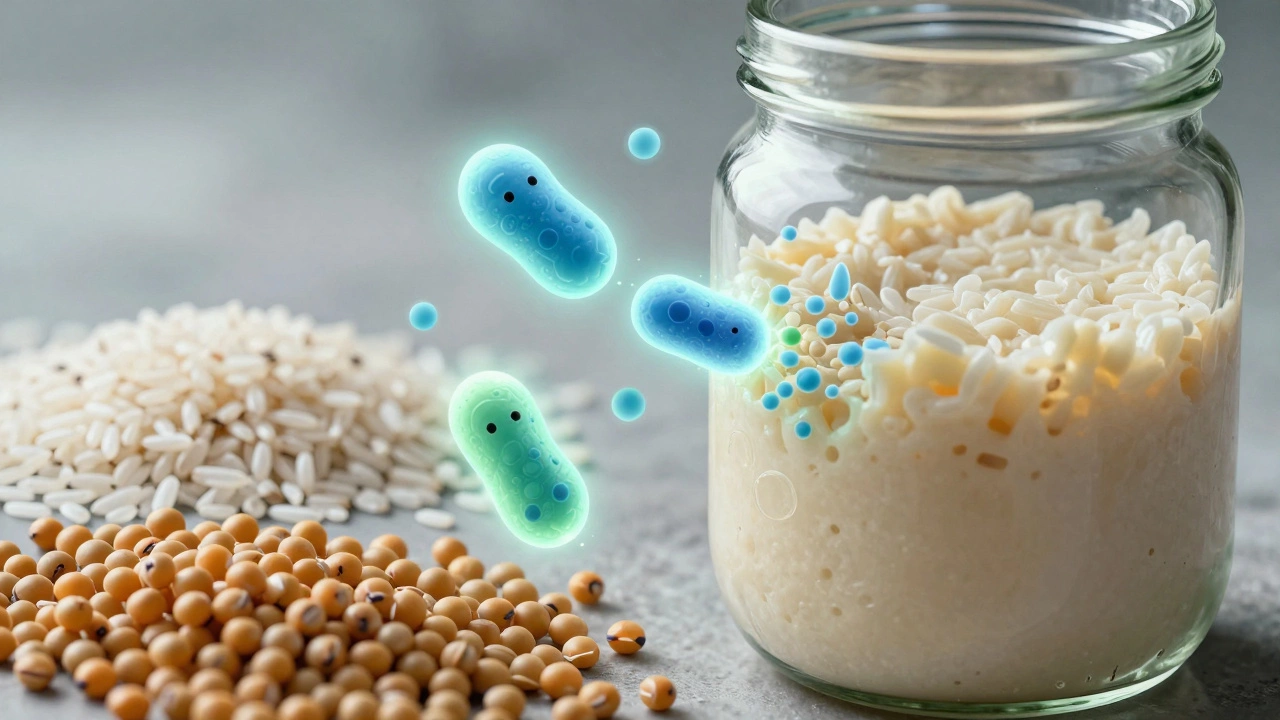
To understand why idli (or its cousin, dosa) might be the superior choice, we need to look at what happens during preparation. Idli is made from a batter of rice and urad dal (black gram), which is left to ferment overnight. This isn’t just tradition; it’s biochemistry.
Fermentation is a metabolic process that produces chemical changes in organic substrates through the action of enzymes. In the context of idli, this process breaks down anti-nutrients like phytic acid, which blocks mineral absorption. When you eat non-fermented grains, your body struggles to extract iron and zinc. Fermentation unlocks these minerals, making them bioavailable. Additionally, the process creates natural probiotics, supporting gut health right from the start of your day.
Compare this to a typical bowl of sugary cereal or even plain white bread. Those options spike your blood sugar rapidly, leading to an insulin crash by 10:30 AM. Idli has a lower glycemic index because the fermentation alters the starch structure. You get steady energy release, not a rollercoaster. For someone living in a fast-paced city like Bangalore, where mental clarity is currency, this stability is crucial.
Why Context Matters: The Indian Plate vs. Global Trends
When people ask for the "No. 1" breakfast, they often imagine a standalone item. But in Indian nutrition philosophy, balance is key. A plate of idli alone is mostly carbs. To make it the world’s best, you must pair it correctly. The magic lies in the combination:
- Protein Boost: Serve idli with sambar (a lentil and vegetable stew) instead of just coconut chutney. Sambar adds significant plant-based protein and fiber.
- Healthy Fats: A small amount of ghee or mustard oil tempered vegetables provides essential fatty acids for brain function.
- Micronutrients: Adding a side of pomegranate seeds or a glass of buttermilk (chaas) introduces antioxidants and additional probiotics.
This approach mirrors the Mediterranean diet’s emphasis on variety, but with ingredients native to our soil. Unlike imported superfoods that lose nutrients during transport, local ingredients like drumsticks, tomatoes, and tamarind in sambar are fresh and potent.
Top Contenders for the Best Quick & Healthy Indian Breakfast
If idli requires an idli steamer and night-before prep, it might not fit your "quick" criteria. Here are three other contenders that challenge the throne, offering speed without sacrificing nutrition.
| Dish | Prep Time | Key Nutrients | Glycemic Impact | Best For |
|---|---|---|---|---|
| Ragi Dosa | 15 mins | Calcium, Iron, Fiber | Low | Bone health, sustained energy |
| Vegetable Poha | 10 mins | Complex Carbs, Vitamin C | Medium | Quick digestion, light mornings |
| Moong Dal Chilla | 12 mins | High Protein, Low Fat | Low | Muscle maintenance, weight loss |
| Idli with Sambar | 5 mins (if pre-made) | Probiotics, Complex Carbs | Low | Gut health, overall balance |
Ragi Dosa: The Calcium King
If you are looking for bone strength, ragi (finger millet) is unbeatable. Ragi contains more calcium than any other cereal grain. Making a ragi dosa is straightforward: mix ragi flour with water, salt, and chopped onions/chilies. Spread it thin on a hot tawa. It’s crispy, savory, and packs a nutritional punch that wheat-based rotis can’t match. However, ragi is heavy on calcium but lower in protein, so always pair it with a cup of yogurt or a boiled egg.
Moong Dal Chilla: The Protein Alternative
For those who find rice-based dishes too carb-heavy, moong dal chilla is the answer. Soak yellow moong dal overnight, grind it into a batter, and add grated carrots, spinach, and ginger. Cook like a pancake. One chilla can provide 10-12 grams of protein. This is ideal for fitness enthusiasts or anyone trying to reduce carbohydrate intake while staying satiated. It’s also gluten-free, making it accessible for those with sensitivities.
Veggie Poha: The Light Option
Poha (flattened rice) is often dismissed as junk food because it’s processed. But when prepared correctly-loaded with peas, carrots, peanuts, and curry leaves-it becomes a balanced meal. The key is portion control and adding nuts for healthy fats. It digests quickly, which is great if you have a sensitive stomach or need to burn off energy immediately after eating. Just avoid drowning it in sugar; keep it savory.
How to Build Your Perfect Morning Plate
Don’t just pick one item. Use the "Plate Method" adapted for Indian cuisine. Visualize your plate divided into sections:
- Half the plate: Fermented or whole-grain base (Idli, Dosa, Ragi Roti).
- One quarter: Protein source (Sambar, Chutney with nuts, Yogurt, Eggs).
- One quarter: Vegetables/Fruits (Cucumber salad, Tomato slices, Fruit bowl).
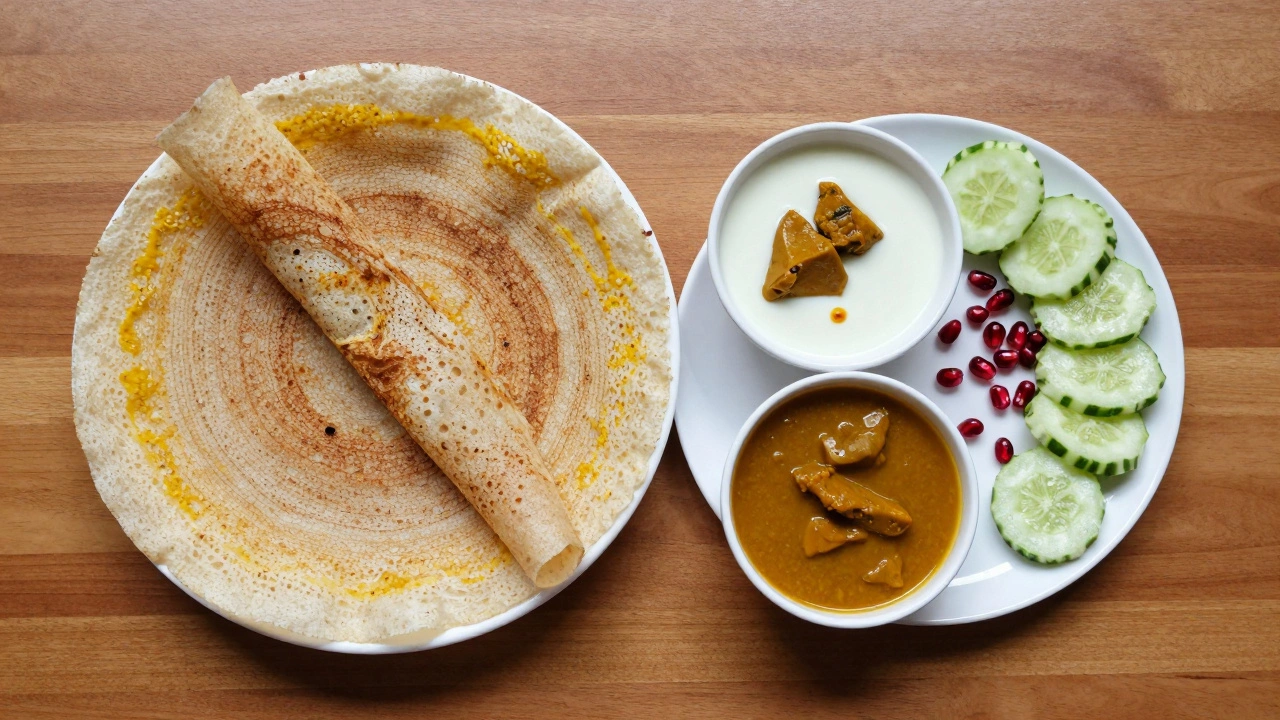
This ensures you aren’t just consuming empty calories. For example, if you choose Vada (which is fried and higher in calories), balance it with extra sambar and a side of cucumber raita to counteract the oil content with fiber and cooling properties.
Common Mistakes to Avoid
Even healthy foods can backfire if prepared poorly. Here are pitfalls I see daily in Bangalore households:
- Overusing Coconut Chutney: While delicious, coconut is high in saturated fat. Limit it to two tablespoons per serving. Opt for tomato-onion chutney or mint-coriander chutney for lighter options.
- Skipping Protein: Eating plain poha or idli without sambar/yogurt leads to hunger within two hours. Always add a protein layer.
- Sugary Additions: Many add jaggery to poha or sweet tea to breakfast. This spikes insulin. Stick to black coffee, green tea, or warm water with lemon.
- Ignoring Hydration: Start your day with 500ml of water before eating. Dehydration mimics hunger cues.
Final Thoughts on the "World's Best" Title
There is no single universal winner because biology varies. However, for the average person seeking longevity, gut health, and sustained energy, the fermented rice-lentil duo (Idli/Dosa) with sambar offers the highest nutritional return on investment. It’s affordable, locally sourced, and scientifically sound. If you can’t ferment batter, pivot to Moong Dal Chilla or Ragi Dosa. The goal isn’t perfection; it’s consistency in choosing whole, minimally processed foods over refined sugars and flours.
Is idli really better than oats for breakfast?
It depends on how you prepare them. Instant oatmeal packets are often loaded with sugar and lack protein. Traditional rolled oats cooked with milk and nuts are excellent. However, idli offers a unique advantage: fermentation. This process increases bioavailability of minerals and adds probiotics, which oats do not naturally provide unless specifically fermented. Idli also tends to be lower in calories per serving than a typical oatmeal bowl with toppings.
Can I eat idli every day for weight loss?
Yes, idli is a great weight-loss friendly food because it is steamed, not fried, and has a low calorie count (approx. 60-70 calories per piece). The key is portion control and pairing. Eat 2-3 idlis with plenty of sambar (high volume, low calorie) and limit high-fat chutneys. Avoid eating idli with potato masala or excessive ghee, as these add significant calories.
What is the quickest healthy breakfast under 10 minutes?
A Moong Dal Chilla or Vegetable Poha takes about 10-12 minutes if you prep ingredients the night before. For under 10 minutes, try a smoothie with soaked almonds, banana, and milk/yogurt, or a boiled egg with a slice of whole-wheat toast and avocado. These require minimal cooking time but offer high satiety.
Is ragi safe for everyone?
Ragi is highly nutritious but contains oxalates, which can interfere with calcium absorption and potentially contribute to kidney stones in susceptible individuals. If you have a history of kidney stones, consult your doctor before making ragi a daily staple. For most people, moderate consumption is safe and beneficial.
How does fermentation improve gut health?
Fermentation introduces live bacteria (probiotics) into the food. These bacteria help maintain a healthy balance of gut flora, aiding digestion and boosting immunity. In idli and dosa batter, lactic acid bacteria break down complex starches and proteins, making them easier to digest and reducing bloating compared to non-fermented rice dishes.