Is Dal Protein or Carb? The Complete Nutritional Breakdown of Indian Lentils
 Jun, 16 2026
Dal Nutrition & Protein Calculator
1. Choose Your Dal
Select the type of lentil you are eating.
Pigeon Pea
Mung Bean
Bengal Gram
Red Lentil
Nutritional Breakdown
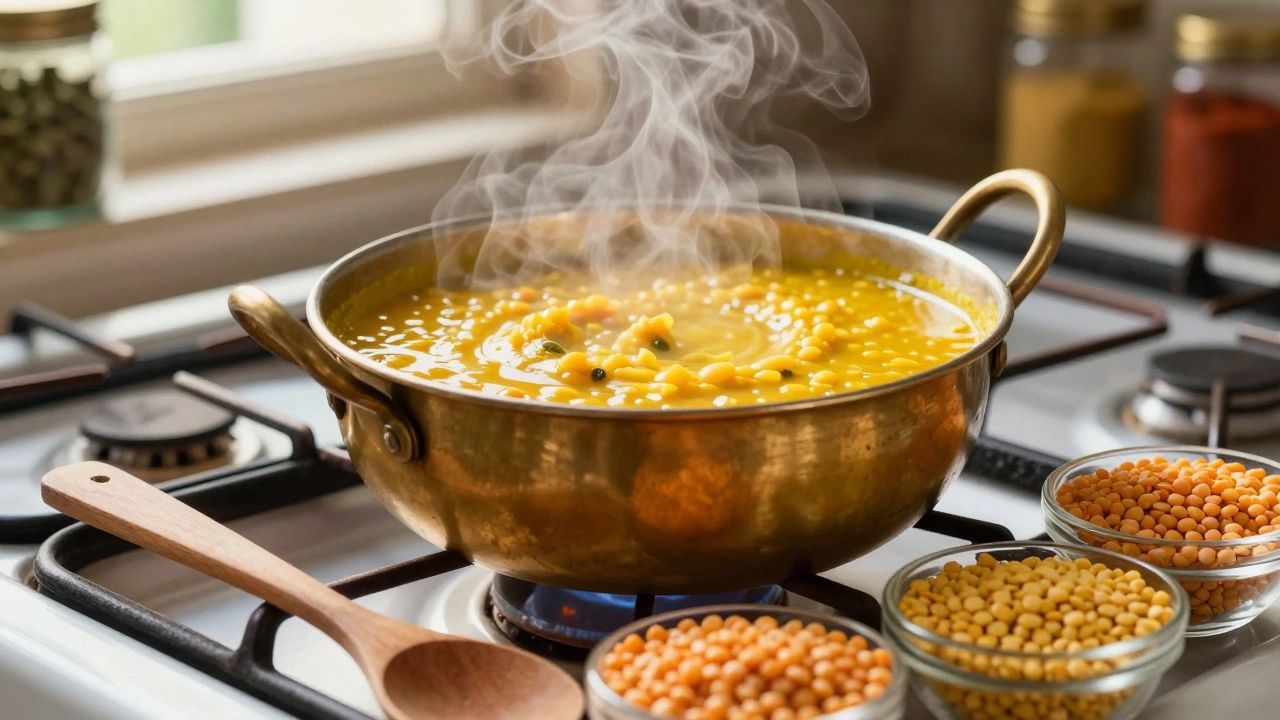
Toor DalWalk into any kitchen in Bangalore, or indeed anywhere across India, and you will find a pot of dal simmering on the stove. It is the backbone of our meals. We eat it for breakfast, lunch, and dinner. But if you ask someone whether dal is a source of protein or carbohydrates, the answer often comes back as a shrug or a vague "it’s both." This confusion isn’t just casual; it affects how we balance our plates, manage our weight, and fuel our bodies.
The short answer? Dal is both. But calling it "both" doesn’t tell you much about how to use it in your diet. To understand why dal is such a nutritional powerhouse, we need to look past the binary question and dive into the specific numbers. Are you eating it for muscle repair? For sustained energy? Or perhaps to keep your blood sugar stable? The way you view dal changes depending on what your body needs right now.
The Macronutrient Reality: More Than Just One Label
When nutritionists talk about food, they break it down into macronutrients: proteins, fats, and carbohydrates. Most people think of rice as a carb and chicken as a protein. Dal blurs these lines because it contains significant amounts of both. However, the ratio matters immensely.
Let’s take Toor Dal (Pigeon Pea), one of the most common varieties used in households. In a standard cooked serving (about 100 grams), you are looking at roughly 7-8 grams of protein and about 15-18 grams of carbohydrates. If you compare this to white rice, which has almost negligible protein and nearly 30 grams of carbs per serving, dal looks like a protein source. But if you compare it to a paneer block or an egg, which are dense protein sources with zero carbs, dal looks like a carb source.
This duality is actually its greatest strength. Pure protein sources can be expensive and sometimes hard to digest in large quantities. Pure carb sources can spike your blood sugar rapidly. Dal sits in the middle, offering a balanced release of energy and building blocks for your muscles. It is not a replacement for meat or dairy if you are trying to hit very high protein targets, but it is far superior to plain grains when it comes to satiety.
Protein Quality: Why Legumes Matter
Not all protein is created equal. Animal proteins are considered "complete" because they contain all nine essential amino acids that your body cannot make on its own. Plant proteins, including those found in dal, are often "incomplete," meaning they might be low in one or two specific amino acids, usually methionine.
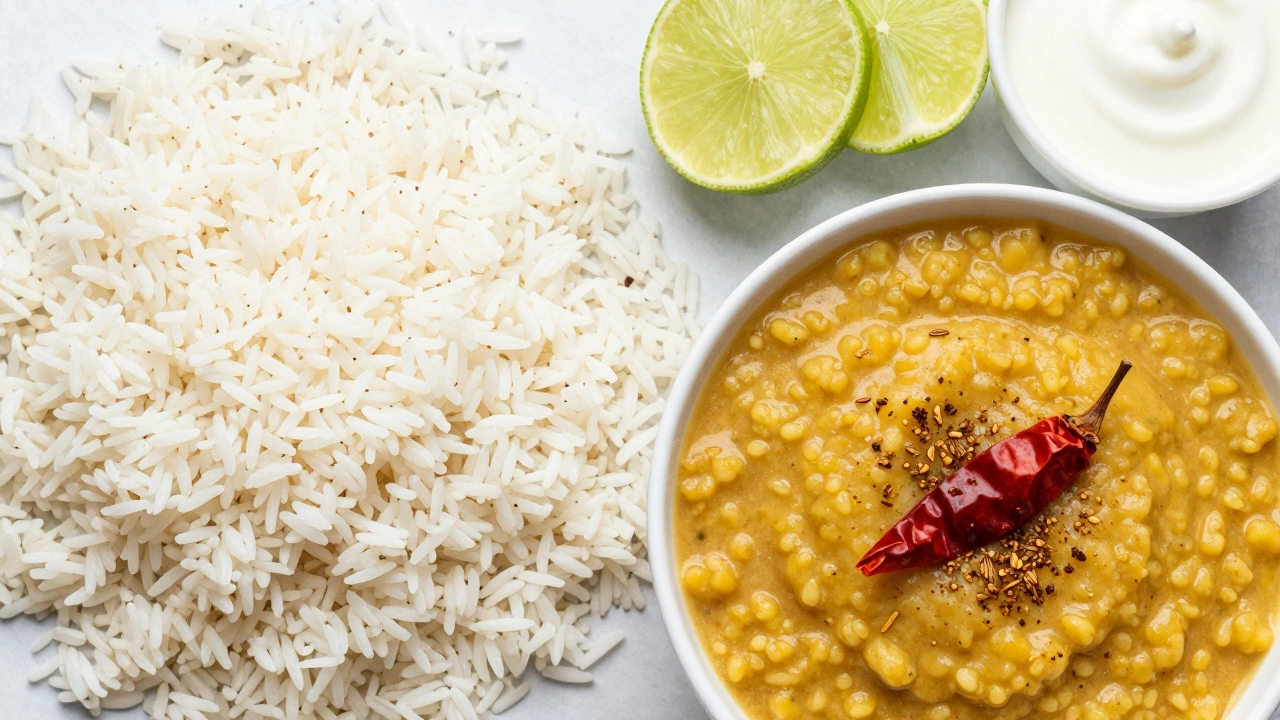
Does this mean dal is bad protein? Absolutely not. It means you have to be smart about pairing. When you eat dal with rice, something you likely do every day without thinking, you create a complete protein profile. The rice provides the methionine that dal lacks, and the dal provides the lysine that rice lacks. This combination, known as complementary proteins, turns a simple meal into a nutritional equivalent of animal protein.
Furthermore, different types of dal offer different protein yields. Moong Dal (Yellow Mung Bean) is lighter and easier to digest, containing about 6-7 grams of protein per cooked cup. Chana Dal (Bengal Gram) is denser, packing closer to 9-10 grams of protein in the same volume. If you are vegetarian and trying to increase your protein intake without adding heavy ghee or oil, choosing Chana Dal over Moong Dal gives you a noticeable boost.
The Carbohydrate Component: Fiber vs. Sugar
When people hear "carbs," they often think of sugar and weight gain. This is a misunderstanding of carbohydrate science. The carbohydrates in dal are primarily complex carbohydrates, not simple sugars. More importantly, a huge portion of these carbs exists as dietary fiber.
In that same 100-gram serving of cooked dal, you might get 4-6 grams of fiber. Fiber does not spike your blood sugar. Instead, it slows down digestion. This means the glucose from the dal enters your bloodstream slowly, providing steady energy rather than a crash-and-burn cycle. For anyone managing insulin resistance, prediabetes, or just wanting to avoid the afternoon slump, this slow-release energy is crucial.
Compare this to a bowl of idli or dosa made from fermented rice and lentils. While fermentation helps, the ratio of rice to lentil in batter often skews heavily toward carbs. A bowl of plain dal tadka has a much lower glycemic index than many other staple Indian foods. It keeps you full longer because fiber adds bulk to your stomach without adding calories.
| Dal Type | Protein (g) | Carbs (g) | Fiber (g) | Calories |
|---|---|---|---|---|
| Toor Dal | 7.5 | 16.5 | 5.0 | 110 |
| Moong Dal | 6.8 | 14.2 | 4.5 | 95 |
| Chana Dal | 9.2 | 18.0 | 7.0 | 130 |
| Masoor Dal | 9.0 | 15.5 | 4.8 | 115 |
Why Your Body Craves Dal Beyond Macros
If dal were only about protein and carbs, it would still be good. But it carries micronutrients that are often missing in modern diets. Iron is the big one. Non-heme iron, found in plants, is harder for the body to absorb than the heme iron in meat. However, dal is still one of the best plant-based sources available.
To maximize iron absorption from your dal, you need vitamin C. This is why traditional Indian cooking pairs dal with lemon juice or serves it with curd (which contains some B vitamins that aid metabolism) and fresh salads. Squeezing a lime over your dal before eating isn’t just for flavor; it chemically enhances the bioavailability of the iron.
Dal is also rich in folate (Vitamin B9), magnesium, and potassium. Folate is critical for cell division and DNA synthesis, making it especially important for pregnant women. Magnesium supports muscle function and sleep quality. Potassium helps regulate blood pressure. You are getting a multivitamin effect with every spoonful, provided you aren’t drowning the dal in excessive salt or oil.
Cooking Methods That Change the Nutrition Profile
How you cook dal dramatically alters its nutritional impact. A simple boiled dal is healthy. But once you start adding ingredients, the equation shifts.
Consider the "tadka" or tempering. Traditional recipes call for generous amounts of ghee or oil, cumin, mustard seeds, and dried red chilies. While these add flavor and fat-soluble vitamins (A, D, E, K) from the spices, they also add significant calories. If you are watching your weight, the dal itself might be low-calorie, but the garnish could double the energy density.
Another factor is processing. Split dals (like Toor or Masoor) cook faster but lose some of their outer bran layer during milling, which reduces fiber content slightly compared to whole lentils (like whole Moong or whole Masoor). Whole lentils take longer to cook but retain more nutrients. If time is not an issue, opting for whole lentils gives you a slight edge in fiber and mineral retention.
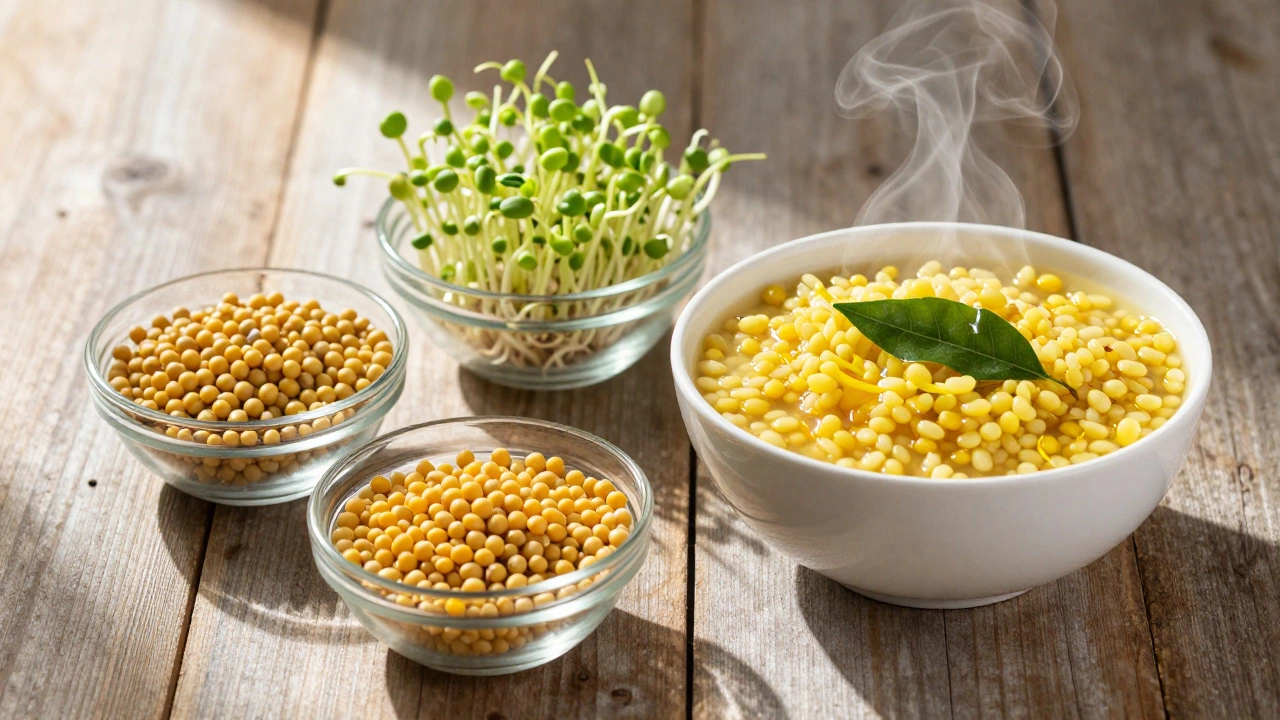
Sprouting is another game-changer. If you sprout your moong or chana before cooking, you activate enzymes that break down complex starches and anti-nutrients like phytates. Phytates can bind to minerals like iron and zinc, preventing absorption. Sprouting reduces phytates, making the protein and minerals in the dal more accessible to your body. It also increases the vitamin C content naturally.
Fitting Dal Into Modern Diets
In the context of modern fitness trends, dal fits surprisingly well. For keto dieters, dal is tricky. Because of the carbohydrate content, strict keto followers often limit or avoid legumes. However, moderate amounts of dal can fit into a "low-carb" approach if portions are controlled. A small half-cup serving provides protein without blowing your daily carb budget entirely.
For vegetarians and vegans, dal is non-negotiable. It is the primary vehicle for meeting daily protein requirements. Without it, you would have to rely heavily on dairy, soy products, or expensive protein powders. Dal offers a sustainable, affordable, and culturally integrated solution.
For seniors, the soft texture of well-cooked dal makes it easy to chew and digest, while the high fiber content aids in regularity, a common issue in older age groups. The protein helps prevent sarcopenia, the loss of muscle mass associated with aging.
Common Mistakes to Avoid
Even though dal is healthy, it can become unhealthy based on how it is consumed. Here are three common pitfalls:
- Over-salting: Dal absorbs salt like a sponge. High sodium intake raises blood pressure. Use herbs, spices, and lemon instead of relying solely on table salt.
- Ignoring Portion Size: Because it is filling, people tend to serve large bowls. Remember, it is calorie-dense due to carbs. A standard serving is about 1 cup (cooked).
- Adding Cream or Excessive Ghee: Restaurant-style dal makhani is delicious but loaded with butter and cream. Home-style dal with minimal oil is where the health benefits shine.
Understanding that dal is both protein and carb allows you to respect its role in your diet. It is not a magic bullet for muscle growth, nor is it a free-pass carbohydrate. It is a balanced, nutrient-dense food that, when prepared wisely, supports long-term health better than isolated supplements or refined foods ever could.
Is dal considered a high-protein food?
Compared to animal products like meat or eggs, dal is moderate in protein. It provides about 7-9 grams of protein per cooked cup. While this is not "high" in absolute terms, it is excellent for a plant-based source, especially when combined with grains to form a complete protein.
Can I eat dal if I am diabetic?
Yes, dal is generally recommended for diabetics. Its high fiber content slows down sugar absorption, leading to a lower glycemic response compared to white rice or bread. However, portion control is key, and it should be eaten without excessive added sugars or refined oils.
Which dal has the most protein?
Among common Indian dals, Chana Dal (Bengal Gram) and Masoor Dal (Red Lentil) tend to have slightly higher protein concentrations per cooked serving, often reaching 9-10 grams. Soya chunks are technically not a dal but a soy product and have much higher protein, but among true lentils, Chana and Masoor lead the pack.
Does soaking dal reduce its nutritional value?
Soaking dal actually improves its nutritional profile. It reduces anti-nutrients like phytates and tannins, which can inhibit mineral absorption. Soaking also makes the dal easier to digest and reduces cooking time, preserving more heat-sensitive vitamins.
Is dal fattening?
Dal itself is not fattening; it is relatively low in calories and high in fiber, which promotes satiety. Weight gain occurs if you consume excess calories overall. The risk with dal comes from how it is cooked-adding too much ghee, oil, or serving it with large amounts of rice can increase the total caloric intake significantly.