Healthy Indian Diet: Real Foods, Real Results
When people talk about a healthy Indian diet, a balanced way of eating rooted in whole grains, legumes, vegetables, and traditional cooking methods. Also known as Indian vegetarian diet, it’s not about cutting out food—it’s about choosing the right kinds. This isn’t some trendy cleanse. It’s how millions of families in India eat every day—without counting calories or chasing fads.
The real power comes from what’s already in your kitchen. lentils, protein-rich, fiber-packed, and easy to digest when cooked right are the backbone of meals like dal and khichdi. probiotics in chutney, naturally fermented condiments made from mango, coconut, or tomatoes support your gut better than any supplement. And high-protein Indian snacks, like roasted chana, sprouted moong, or homemade paneer keep you full between meals without the sugar crash.
You won’t find a single article here pushing kale smoothies or protein powders. What you’ll find are real fixes: how to make roti that doesn’t burn, why rinsing lentils matters for digestion, which milk gives you the best paneer, and how a simple breakfast with protein, fiber, and fat can help you lose weight without feeling hungry. This isn’t about perfection—it’s about making small, smart swaps that add up. Whether you’re cooking for kids, managing blood sugar, or just tired of feeling sluggish after lunch, the answers are already in Indian kitchens. Below, you’ll see exactly how to use them.
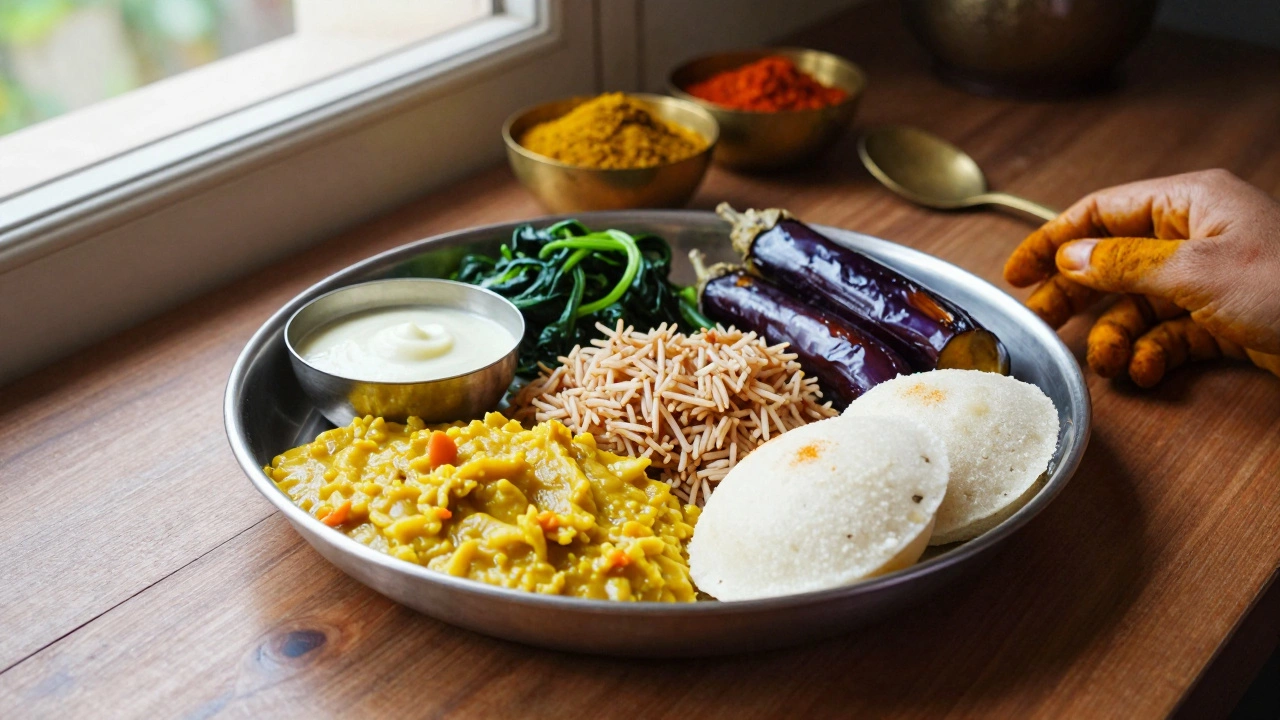
How Healthy Is Indian Vegetarian Food? The Real Facts Behind the Myths
Indian vegetarian food can be incredibly healthy-but only if you avoid fried snacks, refined flour, and added sugar. Learn what makes traditional meals nutritious and how to fix the common pitfalls.