When Should You Not Eat Lentils? Side Effects and Who Should Avoid Dal
 Sep, 15 2026
Lentil Safety Checker
Select any conditions or medications that apply to you to see if you should limit or avoid lentils.
Select your conditions to get personalized advice.
You love your dal or lentil soup. It’s cheap, it’s nutritious, and it’s a staple in almost every Indian kitchen. But have you ever felt bloated, gassy, or achy after a bowl of rajma or chana? If so, your body might be telling you something important. Lentils are healthy for most people, but they aren’t suitable for everyone at all times.
This guide breaks down exactly when you should skip the lentils. We’re talking about specific health conditions, medication interactions, and digestive issues. Whether you are dealing with kidney stones, gout, or just a sensitive stomach, knowing when to pause on that simple dal recipe can save you some serious discomfort.
Key Takeaways
- Gout and Kidney Stones: High purine content in certain lentils can trigger gout attacks or contribute to calcium oxalate kidney stones.
- Digestive Sensitivity: Lentils contain oligosaccharides (FODMAPs) that cause gas and bloating in people with IBS or poor digestion.
- Medication Interactions: High potassium levels in lentils can interfere with ACE inhibitors and diuretics used for blood pressure.
- Absorption Issues: Phytates in raw or undercooked lentils can block the absorption of iron and zinc if not soaked properly.
- Thyroid Concerns: Certain legumes may interfere with thyroid medication absorption if eaten too close to dosing time.
The Gout Connection: Why Purines Matter
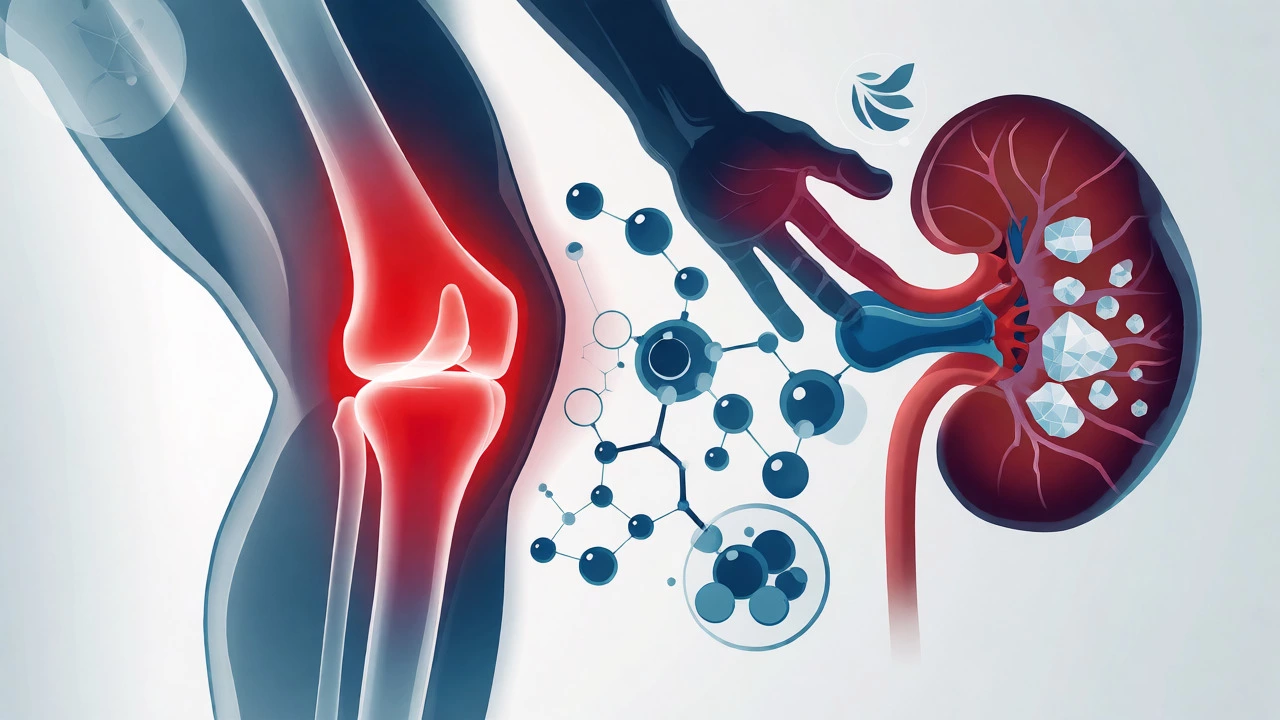
If you suffer from gout is a form of inflammatory arthritis characterized by recurrent attacks of a red, tender, hot, and swollen joint, you need to watch your purine intake carefully. Purines are natural substances found in many foods. When your body breaks them down, it produces uric acid. For most people, this is fine. But if you have gout, your body either makes too much uric acid or doesn't filter it out fast enough. This leads to crystals forming in your joints, causing intense pain.
Lentils are moderate in purines. They aren't as high as organ meats or anchovies, but they are higher than rice or eggs. During an acute gout flare-up, doctors often recommend limiting moderate-purine foods. While plant-based purines generally don't raise gout risk as much as animal-based purines do, individual tolerance varies. If you notice that eating masoor dal or rajma triggers a flare, cut back during active episodes. Stick to low-purine options like white rice or clear soups until the inflammation subsides.
Kidney Stones and Oxalates
Another major reason to skip lentils is if you have a history of kidney stones are hard deposits made of minerals and salts that form inside your kidneys. Specifically, this applies to calcium oxalate stones, which are the most common type. Lentils, particularly varieties like soybeans and black beans, contain oxalates. These are naturally occurring compounds that bind with calcium in your urine to form stones.
If you are prone to these stones, eating large portions of lentils daily can increase your urinary oxalate levels. It’s not just about the amount; it’s about hydration and pairing. Drinking plenty of water helps flush out oxalates before they crystallize. Also, consuming calcium-rich foods (like yogurt) alongside lentils can help bind oxalates in the gut rather than in the kidneys. However, if your doctor has put you on a strict low-oxalate diet, you might need to limit lentil consumption significantly or choose lower-oxalate alternatives like peas or corn.
Digestive Distress: Gas, Bloating, and IBS
Let’s talk about the elephant in the room: gas. Lentils are notorious for causing flatulence. This isn’t necessarily a sign of disease, but it can be a sign of intolerance. Lentils contain oligosaccharides, specifically raffinose and stachyose. Humans lack the enzyme alpha-galactosidase needed to break these down in the small intestine. So, they travel to the large intestine where bacteria ferment them, producing gas.
For people with Irritable Bowel Syndrome (IBS) is a common disorder that affects the large intestine, this fermentation process can be painful. Lentils are considered high-FODMAP foods. FODMAPs are short-chain carbohydrates that are poorly absorbed in the small intestine. If you are following a low-FODMAP diet to manage IBS symptoms, you likely need to avoid lentils entirely during the elimination phase. Once you reintroduce them, start with tiny amounts of well-cooked red lentils, which are easier to digest than whole green or brown lentils.
| Legume Type | FODMAP Level | Digestibility Score (1-10) | Best For |
|---|---|---|---|
| Red Lentils (Masoor) | Moderate-High | 8 | Quick digestion, smooth texture |
| Green/Brown Lentils | High | 5 | Salads, hearty stews |
| Chickpeas (Chana) | High | 4 | Hummus, curries (soak well!) |
| Moong Beans (Split) | Low-Moderate | 9 | Sensitive stomachs, khichdi |
| Soybeans | High | 3 | Protein boost (watch oxalates) |
Medication Interactions: Potassium and Thyroid Meds
Your diet interacts with your meds more than you think. Lentils are rich in potassium is a mineral and electrolyte that helps regulate fluid balance, nerve signals, and muscle contractions. A single cup of cooked lentils contains over 700 mg of potassium. For most people, this is great for heart health. But if you take ACE inhibitors (like lisinopril) or angiotensin II receptor blockers (ARBs) for high blood pressure, your body already retains potassium. Adding high-potassium foods can lead to hyperkalemia, a condition where potassium levels get dangerously high, potentially affecting heart rhythm.
There’s also the issue of thyroid medication. Many people take levothyroxine for hypothyroidism. This drug requires an empty stomach for proper absorption. Fiber and certain compounds in legumes can interfere with how well your body absorbs the medication. If you eat a heavy lentil dinner and take your pill the next morning, you might be okay. But if you eat lentils for breakfast right after taking your pill, you could reduce its effectiveness. Always wait at least 30 to 60 minutes after taking thyroid medication before eating anything substantial, especially high-fiber meals.
Nutrient Absorption Blockers: Phytates and Lectins
Lentils contain antinutrients. The two main culprits are phytates and lectins. Phytates bind to minerals like iron, zinc, and calcium, preventing your body from absorbing them. This is a big deal if you are vegetarian and rely on lentils for your iron intake. If you eat lentils without soaking or cooking them thoroughly, you might end up with an iron deficiency despite eating iron-rich foods.
Lectins are proteins that can cause intestinal permeability (leaky gut) in some sensitive individuals. Raw or undercooked beans have high lectin levels. Proper soaking and boiling destroy most lectins. So, if you are making a quick dal tadka, ensure you soak the lentils for at least 4-8 hours. Discard the soaking water. This simple step reduces phytates and lectins significantly, making the nutrients more bioavailable and the lentils easier to digest.

Who Should Be Extra Careful?
Beyond specific diseases, there are groups who need to approach lentils with caution:
- People with Diverticulitis: During a flare-up, doctors often recommend a low-residue diet. Whole lentils with skins are high in fiber and residue, which can irritate inflamed pouches in the colon. Switch to smooth, strained soups or pureed red lentils instead.
- Those with Chronic Pancreatitis: Fat malabsorption is common here. While lentils are low-fat, their high fiber content can sometimes complicate digestion if the pancreas isn't producing enough enzymes. Small, well-cooked portions are safer.
- Individuals with Histamine Intolerance: Fermented or aged legumes can be high in histamines. Freshly cooked lentils are usually low-histamine, but leftovers stored in the fridge for more than 24 hours can accumulate histamines. Eat them fresh.
How to Make Lentils Easier to Digest
If you don’t have a medical condition but still feel sluggish after eating dal, try these tips:
- Soak Thoroughly: Soak whole lentils overnight. Change the water before cooking.
- Add Asafoetida (Hing): This spice is a traditional carminative. Adding a pinch to your tempering helps break down complex sugars and reduces gas.
- Cook Well: Undercooked lentils are harder to digest. Pressure cook them until they are soft and creamy.
- Pair with Rice: Combining lentils with rice creates a complete protein profile and can make the meal easier on the stomach compared to eating lentils alone.
- Start Small: If you’re increasing your lentil intake, do it gradually. Your gut bacteria need time to adapt to the increased fiber load.
Frequently Asked Questions
Can eating too many lentils cause kidney damage?
Eating lentils does not directly cause kidney damage in healthy people. However, for those with existing kidney disease, the high phosphorus and potassium content can be problematic. Damaged kidneys struggle to filter these minerals, leading to buildup in the blood. Always consult a nephrologist for personalized dietary advice if you have chronic kidney disease.
Are red lentils better for digestion than green lentils?
Yes, generally speaking. Red lentils are split and hulled, meaning they have less skin and fewer complex fibers compared to whole green or brown lentils. They cook faster and break down into a smooth consistency, making them easier on the digestive system. People with sensitive guts often tolerate red lentils (masoor dal) better than whole chickpeas or kidney beans.
Why do I get headaches after eating lentils?
Headaches after eating lentils could be due to tyramine sensitivity, though lentils are not very high in tyramine compared to aged cheeses. More commonly, it might be related to dehydration or electrolyte imbalance if the lentil dish was very salty. Another possibility is a mild intolerance to lectins if the lentils weren't cooked thoroughly. Ensure you soak and boil them completely.
Should I avoid lentils if I have diabetes?
No, you typically shouldn't avoid them. Lentils have a low glycemic index (GI), meaning they release sugar slowly into the bloodstream. They are actually recommended for diabetic diets because the high fiber and protein content help stabilize blood sugar levels. Just watch portion sizes and pair them with non-starchy vegetables to keep the overall carb load balanced.
Do sprouted lentils have fewer side effects?
Sprouting lentils reduces the levels of phytates and oligosaccharides, which are responsible for nutrient blocking and gas production. Sprouted lentils are easier to digest and have higher vitamin C content. If you find regular lentils hard to digest, trying lightly sprouted mung beans or lentils might help reduce bloating and improve nutrient absorption.