Which Indian Foods Burn Fat? Top Weight-Loss Snacks and Meals
 Jun, 30 2026
Indian Fat-Burning Meal Estimator
Select the components you plan to include in your next meal to see its metabolic impact.
It is a common myth that you must starve yourself or eat only bland salads to lose weight. In reality, the vibrant spices and ingredients of Indian cuisine is a diverse culinary tradition known for its complex spice blends and nutrient-dense ingredients can actually help your body burn fat more efficiently. The secret lies not in cutting out calories entirely, but in choosing foods that boost your metabolism, keep you full longer, and stabilize your blood sugar levels.
If you are looking for which Indian foods burn fat, the answer isn't a single magic bullet. It is a combination of high-protein staples, fiber-rich vegetables, and specific spices like turmeric and chili peppers. These elements work together to increase thermogenesis-the process by which your body generates heat and burns energy. By swapping heavy, oil-laden traditional dishes for lighter, smarter alternatives, you can enjoy delicious flavors while shedding unwanted pounds.
Spices That Ignite Your Metabolism
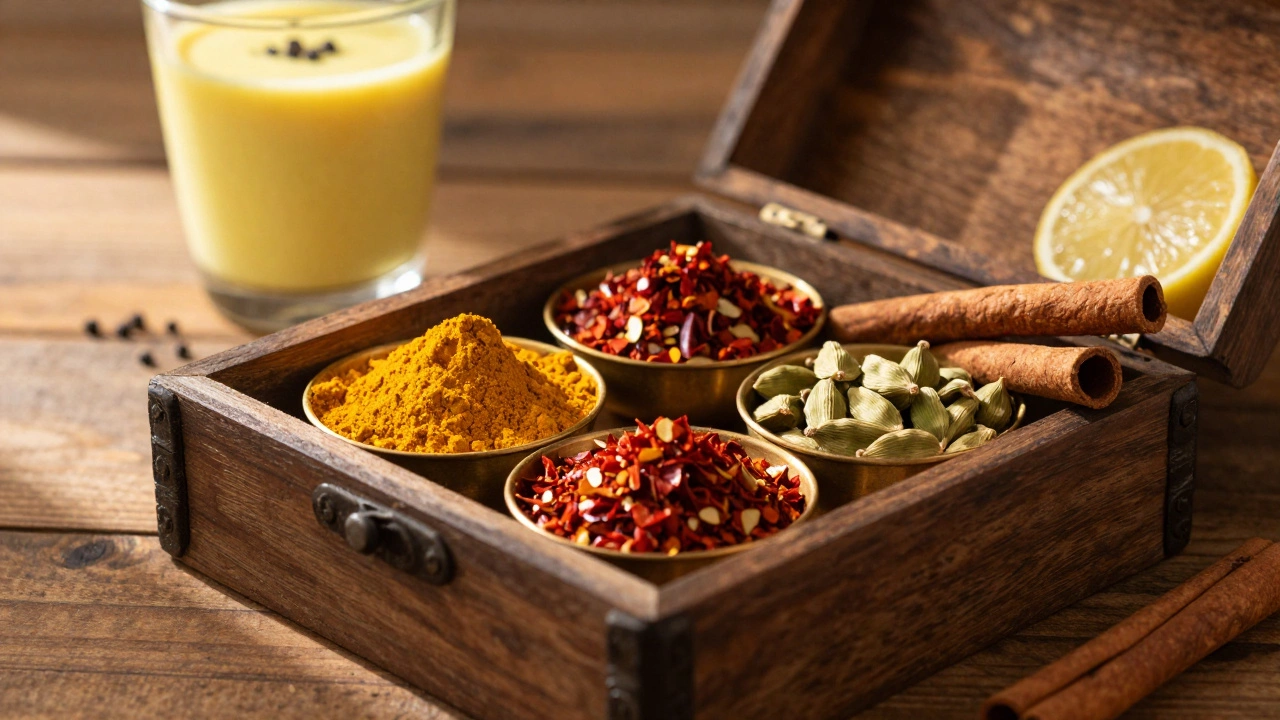
One of the most powerful tools in an Indian kitchen is the spice box, or masala dabba. While these spices add incredible flavor, many of them also have thermogenic properties. This means they slightly raise your body temperature, forcing your metabolism to work harder and burn more calories even at rest.
Turmeric is a bright yellow spice containing curcumin, a compound with strong anti-inflammatory and metabolic benefits is perhaps the most famous example. Curcumin has been shown to reduce inflammation, which is often linked to obesity and insulin resistance. When you add turmeric to your meals, you are not just coloring the dish; you are supporting your body's ability to regulate fat storage. Pairing it with black pepper is crucial because piperine in pepper increases the absorption of curcumin by up to 2000%.
Chili peppers contain capsaicin, another potent fat-burning compound. Capsaicin stimulates adrenaline release, which mobilizes fat cells and makes them available for burning. You do not need to eat extremely hot food to get this benefit; even a moderate amount of green chilies in your dal or curry can provide a metabolic kick. Similarly, cinnamon helps regulate blood sugar levels, preventing the spikes and crashes that lead to cravings and fat storage.
| Spice | Key Compound | Fat-Burning Mechanism | Best Used In |
|---|---|---|---|
| Turmeric | Curcumin | Reduces inflammation, improves insulin sensitivity | Golden milk, dal, curries |
| Green Chili | Capsaicin | Increases thermogenesis, boosts adrenaline | Chutneys, stir-fries, pickles |
| Cinnamon | Cinnamaldehyde | Stabilizes blood sugar, reduces cravings | Tea, oatmeal, smoothies |
| Ginger | Gingerol | Enhances digestion, increases satiety | Tea, marinades, soups |
| Cumin | Cuminaldehyde | Improves gut health, aids nutrient absorption | Dal tadka, rice dishes |
High-Protein Staples for Satiety and Muscle Retention
Protein is essential for fat loss because it requires more energy to digest than carbohydrates or fats-a phenomenon known as the thermic effect of food (TEF). Additionally, protein helps preserve lean muscle mass during weight loss, ensuring that you are losing fat, not muscle. In Indian diets, several excellent sources of protein are readily available and affordable.
Lentils, or Dal is a staple legume in Indian cuisine, rich in protein and dietary fiber, are a powerhouse for weight management. A bowl of moong dal or masoor dal provides a significant amount of protein along with soluble fiber. This fiber slows down digestion, keeping you full for hours and preventing overeating later in the day. Unlike refined carbs, lentils have a low glycemic index, meaning they do not cause rapid spikes in blood sugar.
For those who consume dairy, Greek yogurt or hung curd is an excellent choice. Traditional Indian curd is fermented, which introduces probiotics that support gut health. A healthy gut microbiome is increasingly linked to better weight regulation. Adding roasted cumin seeds to your curd enhances digestion and adds a subtle flavor without extra calories. Paneer, when consumed in moderation, is also a good source of casein protein, which digests slowly and keeps you satiated overnight.
Fiber-Rich Vegetables That Fill You Up
Vegetables should make up the bulk of your plate when trying to lose weight. They are low in calories but high in volume and fiber, allowing you to eat satisfying portions without exceeding your daily caloric needs. Indian cuisine offers a wide variety of vegetables that are perfect for this purpose.
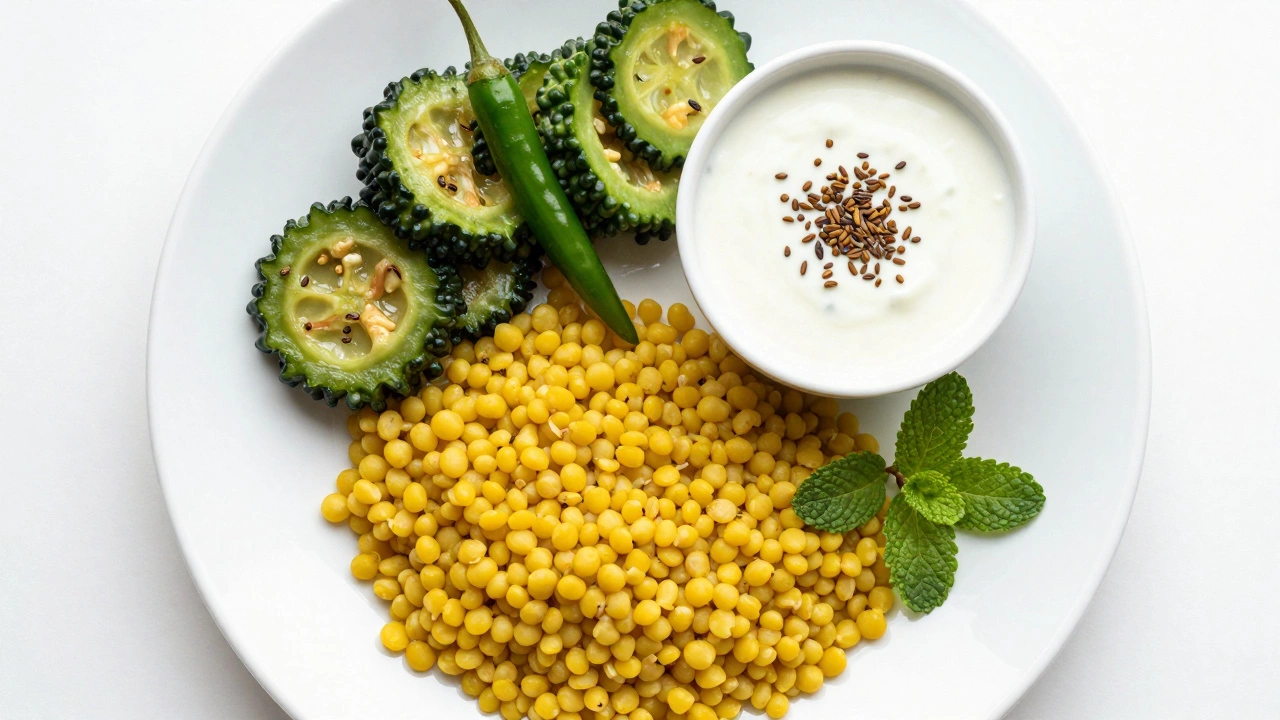
Bitter gourd, or karela, is often avoided due to its taste, but it is one of the best vegetables for fat loss. Studies suggest that karela contains compounds that mimic insulin, helping to lower blood sugar levels and reduce fat accumulation. If the bitterness is too much, try grilling it or mixing it with other vegetables like bottle gourd (lauki) or ridge gourd (torai). These gourds are mostly water, making them extremely low in calories while providing hydration and essential vitamins.
Mushrooms are another underrated ingredient in Indian cooking. They have a meaty texture and umami flavor, making them a great substitute for heavier proteins in curries and stir-fries. Spinach and methi (fenugreek leaves) are leafy greens packed with iron, calcium, and fiber. Methi, in particular, has been shown to improve lipid profiles and reduce appetite. Incorporating these vegetables into your everyday sabzi (vegetable dish) ensures you are getting maximum nutrition with minimum calories.
Healthy Indian Snacks to Replace Junk Food
Snacking is where many people derail their weight loss efforts. Instead of reaching for chips or biscuits, opt for these homemade, nutrient-dense Indian snacks that support fat burning.
- Makhana (Fox Nuts): Roasted makhana is a crunchy, low-calorie alternative to popcorn. It is rich in magnesium and antioxidants. Sprinkle with chaat masala and a pinch of turmeric for a savory snack.
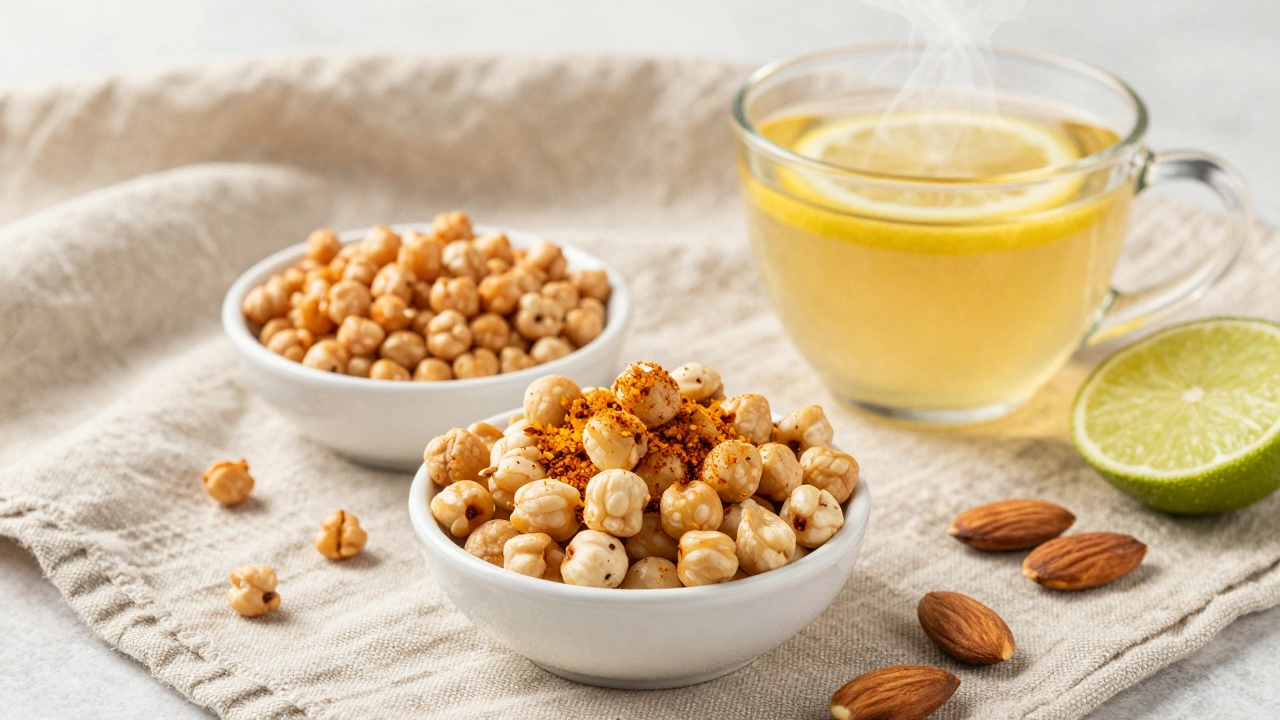
- Roasted Chana: Chickpeas are high in protein and fiber. Dry roasting them without oil creates a crunchy snack that keeps hunger at bay. You can flavor them with lemon juice and black salt.
- Boiled Eggs: If you eat eggs, boiling two eggs for a mid-morning snack provides high-quality protein and healthy fats. It is one of the most cost-effective ways to stay full.
- Sprouts Salad: A mix of moong sprouts, cucumber, tomato, and onion with lemon juice is refreshing and packed with enzymes that aid digestion. It is a light yet filling option for afternoons.
- Nuts in Moderation: A small handful of almonds or walnuts provides healthy fats that support hormone balance and satiety. Soak almonds overnight to enhance nutrient absorption.
Hydration and Herbal Teas
Often, thirst is mistaken for hunger. Drinking enough water is critical for maintaining a fast metabolism. Dehydration can slow down your body's ability to break down stored fat. Aim for at least 3-4 liters of water daily, especially if you live in a hot climate like Bangalore.
Incorporating herbal teas can further support your weight loss journey. Green tea is well-known for its catechins, which boost fat oxidation. However, traditional Indian teas like tulsi (holy basil) and ginger-lemon-honey tea are equally effective. Tulsi tea helps manage stress-induced cortisol levels, which can otherwise lead to belly fat accumulation. Ginger tea aids digestion and reduces bloating, making you feel lighter and more comfortable.
Foods to Avoid for Effective Fat Loss
While knowing what to eat is important, understanding what to avoid is equally critical. Certain Indian foods, though delicious, can hinder your fat-burning efforts due to their high calorie density, refined flour content, or excessive sugar.
Avoid deep-fried snacks like samosas, pakoras, and jalebis. These are calorie bombs that provide little nutritional value. Instead, opt for baked or air-fried versions. Refining wheat into maida (all-purpose flour) strips away fiber and nutrients, leading to rapid blood sugar spikes. Swap maida-based breads and naans for whole wheat roti, millet rotis (like ragi or jowar), or brown rice. Finally, limit added sugars in drinks and desserts. Natural sweetness from fruits or dates is a healthier alternative.
Creating a Sustainable Fat-Burning Routine
Consistency is key to long-term success. Rather than making drastic changes, start by incorporating one or two fat-burning foods into your daily routine. For example, begin your day with warm water and lemon, include a serving of dal in every meal, and swap your evening snack for roasted makhana. Over time, these small adjustments will compound, leading to significant weight loss and improved overall health.
Remember, there is no single food that magically burns fat. It is about creating a balanced diet that supports your body's natural metabolic processes. By leveraging the power of Indian spices, proteins, and fibers, you can enjoy flavorful meals while achieving your weight loss goals.
Does drinking warm water with lemon really burn fat?
Warm water with lemon does not directly "burn" fat, but it can support weight loss. The vitamin C in lemon may help improve fat metabolism, and staying hydrated boosts your metabolic rate. Additionally, starting your day with warm water can aid digestion and reduce bloating, making you feel lighter. It is a healthy habit, but it works best when combined with a balanced diet and exercise.
Can I eat rice if I want to lose weight?
Yes, you can eat rice, but portion control is essential. White rice has a high glycemic index, which can spike blood sugar. Opt for brown rice, red rice, or millets like quinoa or foxtail millet instead. These options are higher in fiber and nutrients, keeping you fuller for longer. Always pair rice with plenty of vegetables and protein to balance the meal.
What is the best Indian breakfast for weight loss?
A great Indian breakfast for weight loss includes high protein and fiber. Options include vegetable poha with peanuts, idli with sambar, besan chilla (gram flour pancakes), or a bowl of oats with nuts and seeds. Avoid sugary cereals or heavy parathas with lots of ghee. Including a source of protein like eggs or paneer can also enhance satiety.
How much turmeric should I take daily for fat loss?
There is no specific dosage for turmeric to burn fat, but including 1/2 to 1 teaspoon of turmeric powder in your daily meals is safe and beneficial. For better absorption, always pair it with black pepper. You can also drink golden milk (turmeric milk) before bed. Excessive consumption may cause digestive issues in some people, so moderation is key.
Are Indian spices safe for everyone?
Most Indian spices are safe for general consumption. However, individuals with acid reflux or sensitive stomachs should be cautious with spicy foods like chili peppers and excessive ginger. Pregnant women should consult their doctor before consuming large amounts of certain herbs like fenugreek or saffron. Always introduce new spices gradually to see how your body reacts.