Where to Find Chutney in the Grocery Store: Aisle Guide & Fresh Tips
 Jul, 10 2026
Chutney Finder & Comparison Tool
Find Your Chutney
Select the type of chutney you are looking for to find its exact location in the store.
Select an option above
The tool will tell you exactly which aisle to visit.
Walk into a supermarket with a craving for chutney, and you might end up wandering the aisles for ten minutes. It’s not just one product; it’s a category that spans international foods, pickles, jams, and even the produce section. If you are looking for that tangy, spicy dip to go with your samosas or chicken curry, knowing exactly where to look saves time and frustration.
The location depends entirely on what kind of chutney you want. Are you hunting for a jar of sweet-sour mango chutney from India? Or do you need fresh cilantro-mint chutney made from scratch? The answer changes your destination within the store completely. Here is how to navigate the layout efficiently.
The International Foods Aisle
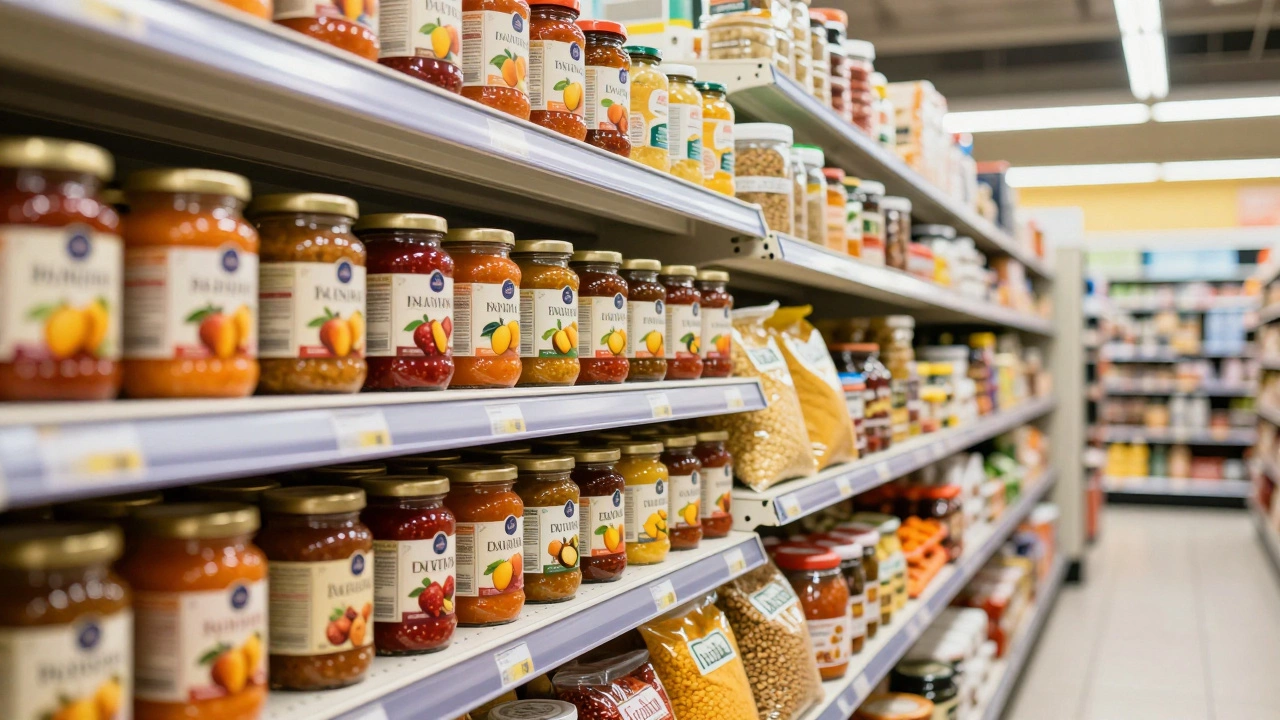
If you are buying pre-packaged, shelf-stable jars, your first stop should be the International Foods aisle. This is where most supermarkets group products from specific regions. Look for signs labeled "Indian," "Asian," or "World Foods."
In this section, you will find brands like Patanjali or Kissan. These jars usually contain mango, tamarind, or mixed fruit chutneys. They have a long shelf life because they are processed and sealed. You’ll often see them sitting right next to curry pastes, lentils (dal), and spices like turmeric and cumin.
- What to expect: Sweet, sour, or spicy profiles. Ingredients include sugar, vinegar, and preservatives.
- Best for: Long-term storage, quick additions to curries, or pairing with cheese boards.
- Price range: $3 to $8 per jar.
The Pickle and Condiment Section
In many Western supermarkets, chutney is treated more like a pickle or a relish than an ethnic specialty. Check the aisle where you buy mustard, ketchup, and pickles. Sometimes, chutney sits quietly next to the pepper jelly or whole grain mustard.
This is common for brands that market themselves as gourmet or artisanal. You might find apple chutney, onion chutney, or beetroot chutney here. These are often used as accompaniments to cold cuts, cheeses, or roasted meats rather than traditional Indian meals.
If you don’t see it in the international aisle, this is your second best bet. Ask a store employee if they stock "relish" or "condiments"-they might point you to a small shelf near the deli counter.
The Refrigerated Dairy or Deli Case
Freshness matters for certain types of chutney. If you want something that tastes vibrant and herbal, look in the refrigerated sections. Many stores now carry ready-to-eat fresh chutneys in plastic tubs or glass jars near the yogurt, cream cheese, or hummus.
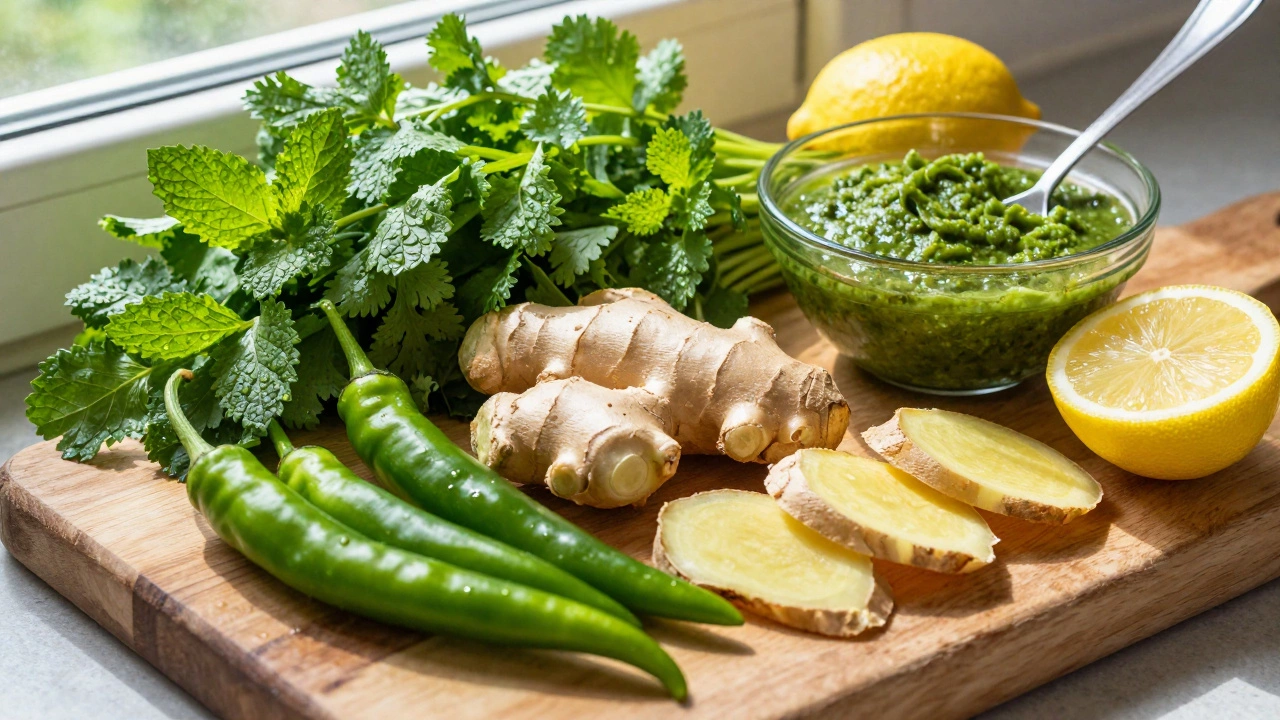
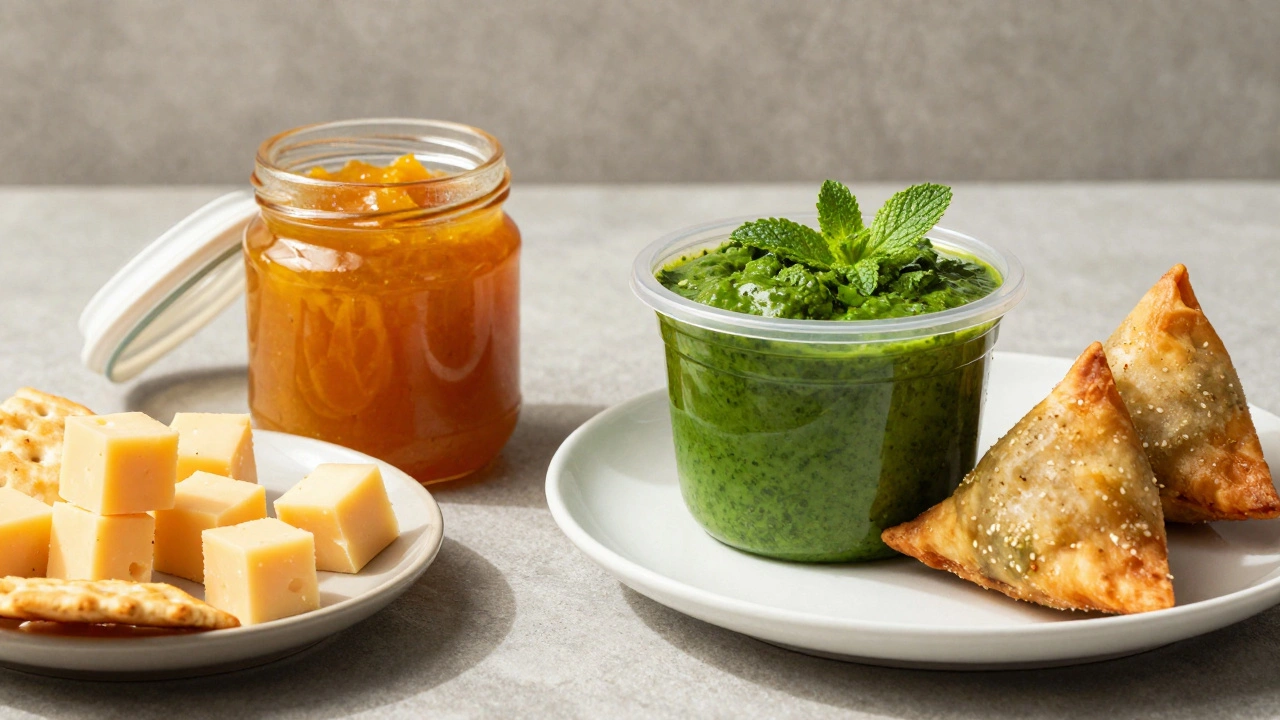
Cilantro Mint Chutney is a fresh green sauce made from coriander leaves, mint, green chilies, and lemon juice. This type doesn’t keep well on a shelf, so it lives in the cold case. It’s perfect for dipping samosas, adding to sandwiches, or mixing into salads.
Check near the:
- Hummus and baba ghanoush
- Fresh salsas and guacamole
- Yogurt parfaits and dips
These chutneys usually last only 5-7 days after opening. Read the label carefully for expiration dates.
The Produce Section: Making It Fresh
Want the best flavor? Make it yourself. The ingredients for homemade chutney are all in the produce section. You don’t need exotic items; you likely already have most of them at home.
For a classic green chutney, grab:
- Fresh cilantro (coriander) bunches
- Mint leaves
- Green chilies (or jalapeños if you can’t find Indian varieties)
- Lemons or limes
- Ginger root
For a red chutney (imli chutney), look for:
- Dried tamarind pods or blocks
- Dried red chilies
- Jaggery or brown sugar
Making chutney takes five minutes. Blend the herbs, chilies, ginger, and a splash of water. Add salt and lemon juice to taste. No cooking required. It’s cheaper, fresher, and packed with nutrients compared to jarred versions.
Comparison: Jarred vs. Fresh Chutney
| Feature | Jarred (Shelf-Stable) | Fresh (Refrigerated/Homemade) |
|---|---|---|
| Shelf Life | 1-2 years unopened | 3-7 days |
| Flavor Profile | Sweet, tangy, preserved | Bright, herbal, spicy |
| Ingredients | Sugar, vinegar, preservatives | Herbs, chilies, lemon, salt |
| Best Use | Curries, cheese boards | Dips, snacks, fresh meals |
| Cost | $3-$8 per jar | $1-$2 per batch |
Troubleshooting: Can’t Find It?
If you’ve checked all three spots and still can’t find chutney, try these steps:
- Ask for help: Store employees know the inventory better than anyone. Ask specifically for "Indian condiments" or "pickle relish."
- Check online: Many grocery stores list their full inventory on their websites or apps. Search "chutney" there before heading out.
- Substitute: If you’re in a pinch, use a mix of mango salsa and hot sauce, or apple chutney with a dash of chili powder. It won’t be authentic, but it works in a pinch.
Knowing where to look turns a frustrating hunt into a quick trip. Whether you prefer the convenience of a jar or the freshness of homemade, you now know exactly which aisle to head to.
Is chutney the same as pickle?
Not exactly. While both are preserved condiments, chutney is typically sweeter and thicker, often made with fruits like mango or apple. Pickles are usually saltier and brined. However, in Indian cuisine, the line blurs, and many chutneys are sold alongside pickles.
How long does homemade chutney last?
Homemade chutney lasts 3-5 days in the refrigerator if stored in an airtight container. Adding a thin layer of oil on top can extend its life by another day or two. For longer storage, freeze it in ice cube trays.
Can I use chutney as a marinade?
Yes! Tamarind or mango chutney works great as a base for marinades. Mix it with yogurt, garlic, and spices to marinate chicken or vegetables. The acidity helps tenderize the meat while adding depth of flavor.
Where do I find ingredients for chutney?
Most ingredients are in the produce section: cilantro, mint, chilies, lemons, and ginger. Dried spices like cumin and coriander seeds are in the spice aisle. Jaggery or tamarind may be in the international foods section.
Is chutney vegan?
Most chutneys are vegan, but check labels for honey or dairy-based additives. Traditional Indian chutneys are plant-based, made from fruits, vegetables, herbs, and spices. Always verify if buying pre-made jars.