What Is the Red Liquid in Chicken? A Complete Guide to Tandoori Marinades and Safety
 Jul, 7 2026
Chicken Liquid & Safety Analyzer
Step 1: Identify the Source
Analysis Result
Select an option...
Explanation:
Adjust the settings on the left to analyze the liquid composition and your food safety practices.
You open the package of raw chicken, or perhaps you are pulling a tray of marinated meat out of the fridge, and you see it: a pool of deep red, almost crimson liquid. Your first instinct might be panic. Is this blood? Is the meat spoiled? Did something go wrong with the packaging? If you have ever wondered what is the red liquid in chicken, especially when preparing dishes like Tandoori Chicken, you are not alone. It is one of the most common kitchen mysteries, and the answer usually depends entirely on whether that chicken has been sitting in a spice bath or just chilling in its styrofoam tray.
Let’s clear up the confusion immediately. That red liquid is rarely pure blood. In fact, if you bought fresh, properly processed chicken from a reputable store, there is very little actual blood left in the muscle tissue. The red color usually comes from a combination of myoglobin (a protein that stores oxygen in muscles), water released from the cells, and, if you are making Indian cuisine, powerful natural pigments from spices like turmeric and Kashmiri chilies.
The Science Behind the Color: Myoglobin vs. Blood
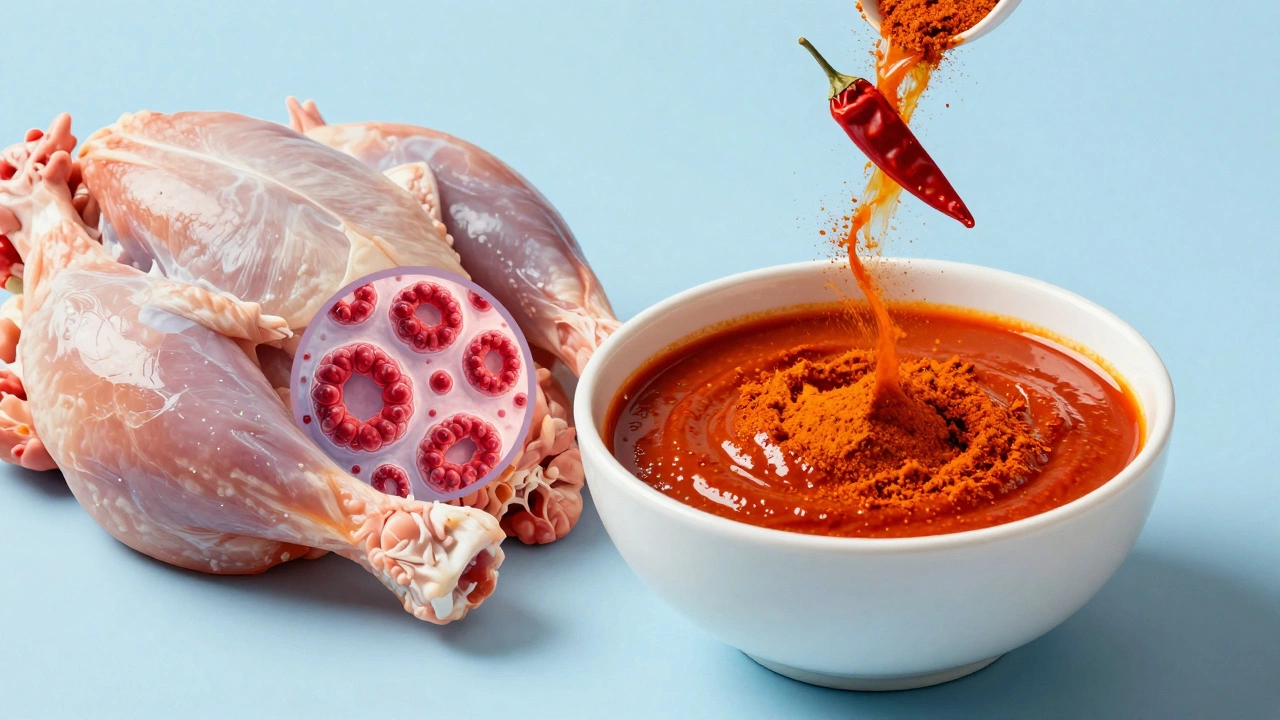
To understand why chicken juice looks red, we need to look at biology for a second. When animals are slaughtered and bled out, the vast majority of their blood is removed. However, muscle tissue contains a protein called myoglobin. This protein is responsible for storing oxygen in the muscles, much like hemoglobin does in blood. Myoglobin is naturally red or pinkish-red.
When chicken sits in a package, the cold temperatures cause the cell membranes to weaken slightly. As the meat thaws or warms up to room temperature, these cells release their internal fluids. This fluid is mostly water mixed with dissolved proteins and salts. When this watery mixture mixes with the red myoglobin, it creates that translucent, reddish-pink liquid you see at the bottom of the tray. Food scientists often call this "purge." It is completely normal and safe, provided the chicken is still within its use-by date and smells fine.
| Liquid Type | Primary Source | Color Cause | Safety Status |
|---|---|---|---|
| Natural Purge | Muscle cells releasing water | Myoglobin (protein) | Safe if fresh |
| Tandoori Marinade | Spices and yogurt | Turmeric & Chilies | Safe (contains raw juices) |
| Blood Residue | Incomplete bleeding during processing | Hemoglobin | Rare in commercial poultry |
The Tandoori Connection: Why Your Marinade Turns Bright Red
Since your interest lies in Tandoori Chicken, the context changes significantly. In traditional Indian cooking, chicken is never served plain. It is submerged in a thick, vibrant marinade for hours, sometimes overnight. This is where the intense red color truly comes from, and it is far more dramatic than the pale pink purge of raw meat.
A classic Tandoori marinade relies on two key ingredients for its signature hue: Turmeric and Kashmiri Red Chili Powder. Turmeric provides a bright yellow base, while Kashmiri chilies offer a deep, rich red color without overwhelming heat. When you mix these spices with Yogurt (curd) and lemon juice, a chemical reaction occurs. The lactic acid in the yogurt breaks down the proteins in the chicken, tenderizing it. Simultaneously, the fat-soluble pigments in the spices dissolve into the moisture released by the chicken.
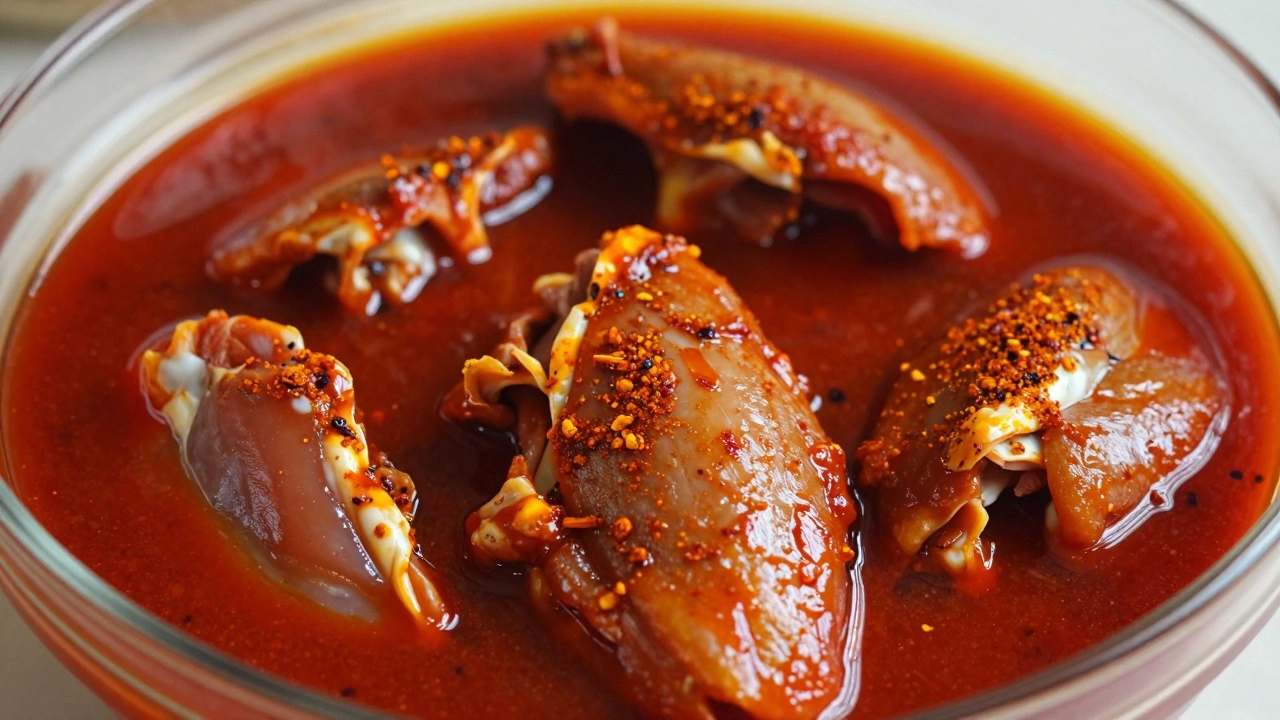
If you leave the chicken to marinate in the refrigerator, gravity does its work. The heavy, spice-infused liquid settles at the bottom of the bowl. By morning, you will see a pool of dark orange or bright red liquid. This is not blood; it is essentially a concentrated soup of spices, salt, and chicken juices. Many home cooks worry that this liquid indicates spoilage because it looks so intense. In reality, it is a sign that the marinade is doing exactly what it should: penetrating the meat to create that smoky, spicy flavor profile associated with North Indian cuisine.
Food Safety: Handling Raw Chicken Juices
Whether the red liquid is natural myoglobin or a spicy Tandoori marinade, one rule remains absolute: treat it as a potential biohazard. Raw chicken juices can carry harmful bacteria like Salmonella and Campylobacter. These pathogens thrive in raw poultry and can survive in the liquid pooling around the meat.
Here is how to handle that red liquid safely:
- Never reuse the marinade: Once the raw chicken has sat in the red liquid, that liquid is contaminated. Do not save it for later use, even if you plan to boil it. The risk of cross-contamination is too high. Discard any leftover marinade after removing the chicken for cooking.
- Contain the mess: Use a deep bowl or a sealed container for marinating. Spilled red liquid on countertops can stain porous surfaces and spread bacteria. Wipe spills immediately with hot, soapy water or a disinfectant.
- Separate utensils: Use a dedicated spoon for stirring the marinade. Do not let that spoon touch other foods, cutting boards, or plates until it has been thoroughly washed.
- Cook to temperature: The only way to kill Salmonella and Campylobacter is heat. Ensure your Tandoori Chicken reaches an internal temperature of 165°F (74°C). Use a meat thermometer inserted into the thickest part of the thigh, avoiding the bone.
Stain Removal: Dealing with Turmeric and Myoglobin
If you are worried about the red liquid ruining your clothes or kitchen counters, you have reason to be cautious. While myoglobin stains are relatively easy to wash out with cold water and detergent, turmeric stains are notorious. Turmeric contains curcumin, a pigment that binds strongly to fabrics and skin.
If you spill Tandoori marinade on your shirt, act fast. Blot-do not rub-the excess liquid. Then, apply a small amount of dish soap directly to the stain and gently work it in before washing in cold water. Hot water can set the protein stains from the chicken and the pigment from the turmeric, making them permanent. For stubborn stains on skin, rubbing alcohol or a paste of baking soda and water can help lift the color without damaging the skin.
Common Misconceptions About Red Chicken Juice
There are several myths circulating online about red liquid in chicken. Let’s debunk the most dangerous ones.
Myth 1: "If the liquid is red, the chicken is old." This is false. Fresh chicken can release red-tinged liquid due to myoglobin. Age is determined by smell and texture, not the color of the drip. Spoiled chicken will have a sour, sulfurous smell and feel slimy to the touch.
Myth 2: "You must rinse the chicken before cooking." Please do not do this. The USDA and food safety experts explicitly advise against rinsing raw chicken. Rinsing sprays bacteria-laden water droplets onto your sink, countertops, and nearby dishes. Cooking the chicken thoroughly kills the bacteria; rinsing just spreads them. The red liquid will evaporate or cook off in the pan or tandoor.
Myth 3: "Red liquid means the chicken was injected with dye." In many countries, including the US and UK, adding artificial dyes to raw chicken is illegal. The red color in Tandoori chicken is always from natural spices. If you buy pre-marinated chicken from a store, check the label. Reputable brands list ingredients like paprika, turmeric, and chili extract. If you see unrecognizable chemical names, choose a different brand.
Pro Tips for Perfect Tandoori Chicken
Now that you know the red liquid is harmless (and delicious), here is how to make the most of it. The secret to great Tandoori Chicken isn’t just the spices; it’s the technique.
- Use Full-Fat Yogurt: Low-fat yogurt lacks the necessary fat content to carry the spice oils and can result in a grainy texture. Full-fat Greek yogurt or hung curd (chana) works best because it is thick and tangy, helping the marinade cling to the meat.
- Add Ginger-Garlic Paste: Freshly grated ginger and garlic add depth and aroma that powder cannot match. Blend them into a smooth paste to avoid large chunks burning in the oven.
- Marinate Overnight: Give the chicken at least 6 to 8 hours in the fridge. The longer it sits, the deeper the red color penetrates, and the more tender the meat becomes.
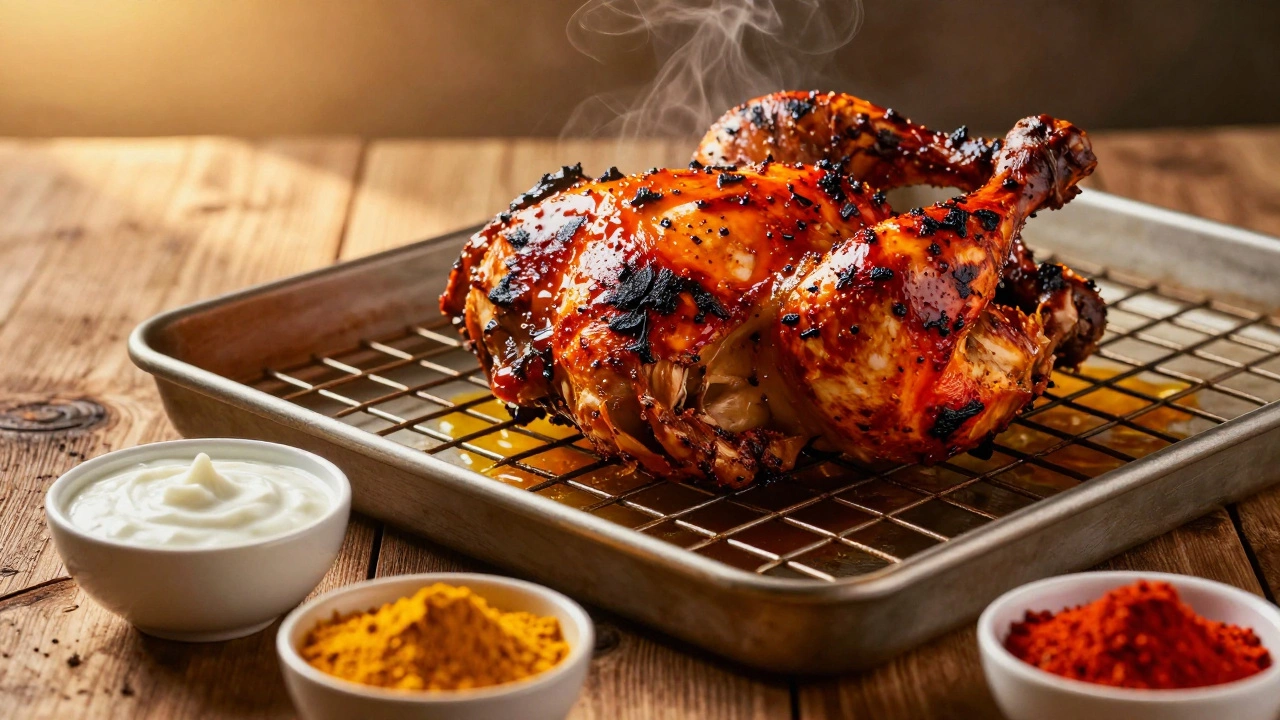
- Char It Right: If you don’t have a tandoor (clay oven), use the broiler setting on your oven. Place the chicken on a rack over a baking sheet to catch the dripping red juices. This allows air to circulate, mimicking the tandoor effect and preventing the bottom from getting soggy.
Conclusion: Embrace the Color
The next time you see that striking red liquid in your chicken package or marinade bowl, take a breath. It is not a warning sign. It is a promise of flavor. Whether it is the natural myoglobin of fresh poultry or the vibrant infusion of turmeric and chilies in a Tandoori marinade, that color tells you the food is ready to transform. Just remember to handle it with care, cook it thoroughly, and enjoy the rich, aromatic results. Good luck in the kitchen!
Is the red liquid in raw chicken blood?
No, it is primarily myoglobin, a protein found in muscle tissue that stores oxygen, mixed with water. Commercial poultry is bled extensively during processing, so true blood is rare. In marinated chicken like Tandoori, the red color comes from spices like turmeric and chili powder.
Can I eat the red marinade liquid from Tandoori chicken?
It is not recommended to consume the raw marinade liquid directly because it contains raw chicken juices which may harbor bacteria like Salmonella. However, if you reduce the marinade by boiling it vigorously for several minutes after cooking the chicken, it can be used as a sauce. Most chefs prefer to discard the raw marinade for safety.
Why does my chicken turn red after marinating?
The red color comes from the spices in the marinade, particularly Kashmiri red chili powder and turmeric. These natural pigments dissolve into the moisture released by the chicken and the yogurt, creating a vibrant red-orange coating that penetrates the surface of the meat.
Should I rinse the red liquid off the chicken before cooking?
No, you should never rinse raw chicken. Rinsing spreads bacteria-containing water droplets around your kitchen. The heat from cooking will kill any bacteria present. Simply pat the chicken dry with paper towels if you want less splatter, but do not wash it under the tap.
How long can I keep marinated chicken in the fridge?
You can safely keep marinated chicken in the refrigerator for up to 2 days. After that, the acidity in the yogurt and lemon juice can start to break down the meat fibers too much, resulting in a mushy texture. For best results, marinate for 4 to 12 hours.