Buttermilk Chicken: Tangy Marinade Secrets, Spice Tips & Easy Recipes
When cooking buttermilk chicken, a tender, tangy dish that uses cultured milk to break down protein and keep the meat moist. Also known as buttermilk marinated chicken, it relies on a balanced blend of acidity, spices and low‑heat cooking to stay juicy.
This dish is built on a classic marinade, a liquid mixture that infuses flavor and softens the meat fibers. The key ingredients—plain buttermilk, a pinch of salt, and a splash of lemon juice—create a mild acidity that opens up the chicken’s texture. Pair that with a fragrant spices, ground cumin, coriander, turmeric and a hint of red chilli for heat, and you have a flavor base that works for any Indian‑style chicken. Even a quick tandoori chicken, which traditionally uses yogurt, can swap yogurt for buttermilk to achieve a similar tang while cutting down on richness. The result is a dish that feels familiar yet distinct, perfect for weekday dinners or weekend gatherings.
Why Buttermilk Works and How to Enhance It
Buttermilk isn’t just a sour dairy; it’s a natural tenderizer thanks to its lactic acid content. The acid gently denatures protein, allowing the meat to absorb more moisture. That’s why a 4‑hour soak works better than a quick splash. If you’re short on time, a high‑speed whisk ensures the buttermilk coats every piece evenly, boosting the tenderizing effect. Adding a spoonful of curd (another fermented dairy) deepens the tang and adds a creamy texture; many home cooks blend both to balance flavor.
Don’t overlook aromatics. Garlic and ginger, mentioned in the post “Perfect Timing: When to Add Garlic and Ginger to Curry,” bring brightness and a hint of sweetness that complements the sour notes. Add minced garlic and ginger to the marinade and let them rest; they release essential oils that penetrate the chicken. A dash of turmeric not only adds color but also contributes anti‑inflammatory benefits, a point highlighted in “Can You Cook Curry Without Turmeric?” Finally, a squeeze of fresh lemon juice right before grilling adds a burst of acidity that lifts the entire dish.
Cooking method matters, too. Whether you choose a hot grill, a skillet, or a slow oven, the goal is to sear the exterior quickly to lock in juices while finishing the interior at a moderate temperature. This technique mirrors the advice in “Tandoori Chicken: Why Is It So Tasty?”—high heat creates the signature char, while the buttermilk keeps the meat from drying out. If you lack a grill, a cast‑iron pan with a drizzle of oil works wonders, especially when you finish with a sprinkle of fresh cilantro for color and freshness.
Beyond the core recipe, the tag page gathers insights from a variety of related posts. You’ll find tips on timing garlic and ginger, the role of lemon in rice dishes, and why certain breads like naan can be made healthier—all of which tie back to making a well‑rounded buttermilk chicken meal. Whether you’re a beginner looking for a step‑by‑step guide or an experienced cook tweaking flavor layers, the upcoming articles give you practical ideas, from quick weekday fixes to festive feast inspirations.
Ready to dive deeper? Below you’ll discover detailed guides, flavor experiments, and troubleshooting tricks that will help you master buttermilk chicken and turn it into a staple in your kitchen.
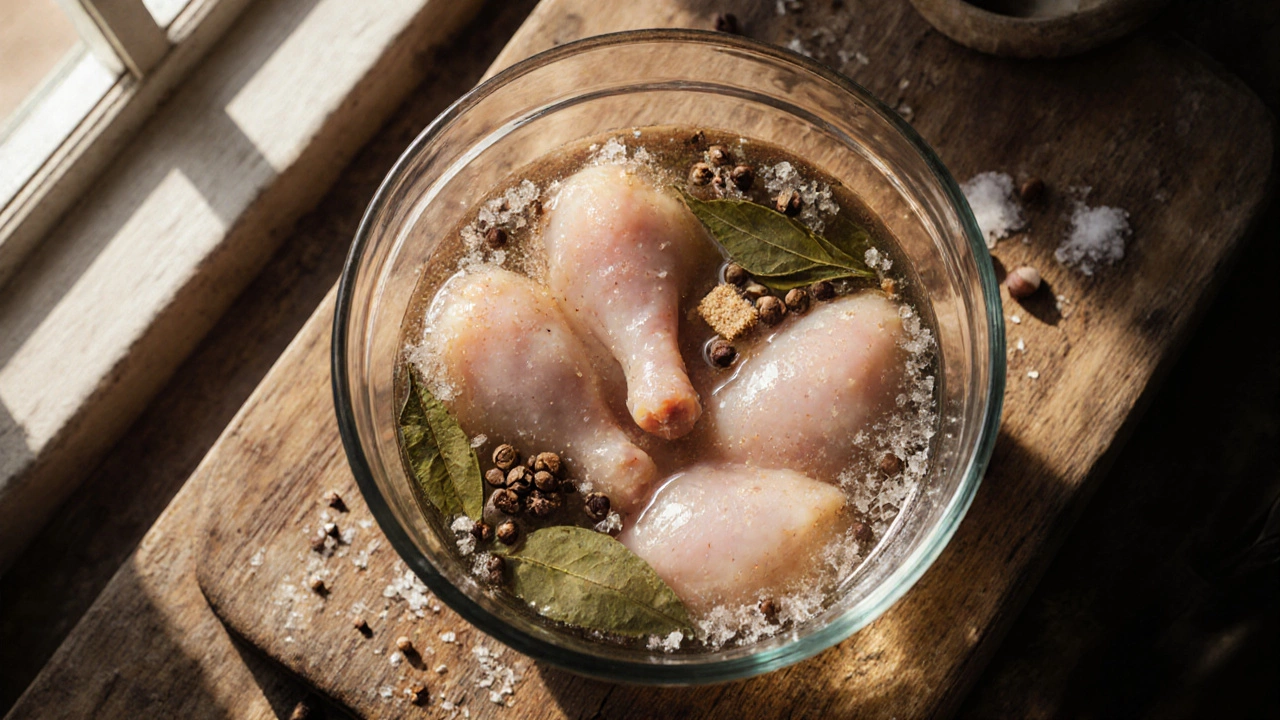
Best Soaks to Make Chicken Tender - Simple Tips for Juicy Results
Discover the best liquids to soak chicken for ultimate tenderness. Learn brining, buttermilk, yogurt, citrus, and enzymatic methods with timing, ratios, and tips.