Fiber in Indian Food: Best Sources, Benefits, and Everyday Recipes
When we talk about fiber, a type of indigestible carbohydrate that supports digestion and keeps blood sugar steady. Also known as dietary fiber, it's not just a buzzword—it's the quiet hero behind stable energy, gut health, and feeling full longer. In Indian kitchens, fiber isn’t something you chase—it’s already in your daily meals. From the dal on your plate to the roasted chana in your snack jar, fiber is woven into the rhythm of everyday eating.
Indian lentils like yellow moong dal, a quick-cooking, high-fiber legume that doesn’t need soaking and urad dal, used in dosa batter and rich in both protein and fiber, are natural powerhouses. These aren’t fancy superfoods—they’re staples. And they work. A single cup of cooked moong dal gives you nearly 16 grams of fiber, more than most whole grain breads. Then there’s makhana, lotus seeds roasted and lightly spiced, a crunchy, low-calorie snack packed with fiber and no added sugar. You’ll find it in homes across North India, eaten as an evening treat or during fasting days. Even simple things like sprouted moong or roasted chana aren’t just snacks—they’re fiber bombs that keep hunger away without the crash.
Fiber doesn’t just live in dals and snacks. It’s in the vegetables you stir into sabzis, the whole wheat roti you tear off the tawa, and the oats you might mix into your morning porridge. It’s the reason why an Indian vegetarian meal feels satisfying without being heavy. You don’t need supplements. You just need to know where to look. And in Indian food, you’re already sitting on a goldmine. Below, you’ll find real recipes and practical tips from people who cook this way every day—how to pick the right dal, why soaking matters for some lentils but not others, and which snacks actually keep you full until dinner. No fluff. Just what works.
What Is the 30/30/30 Rule for Weight Loss and How to Use It With Indian Snacks
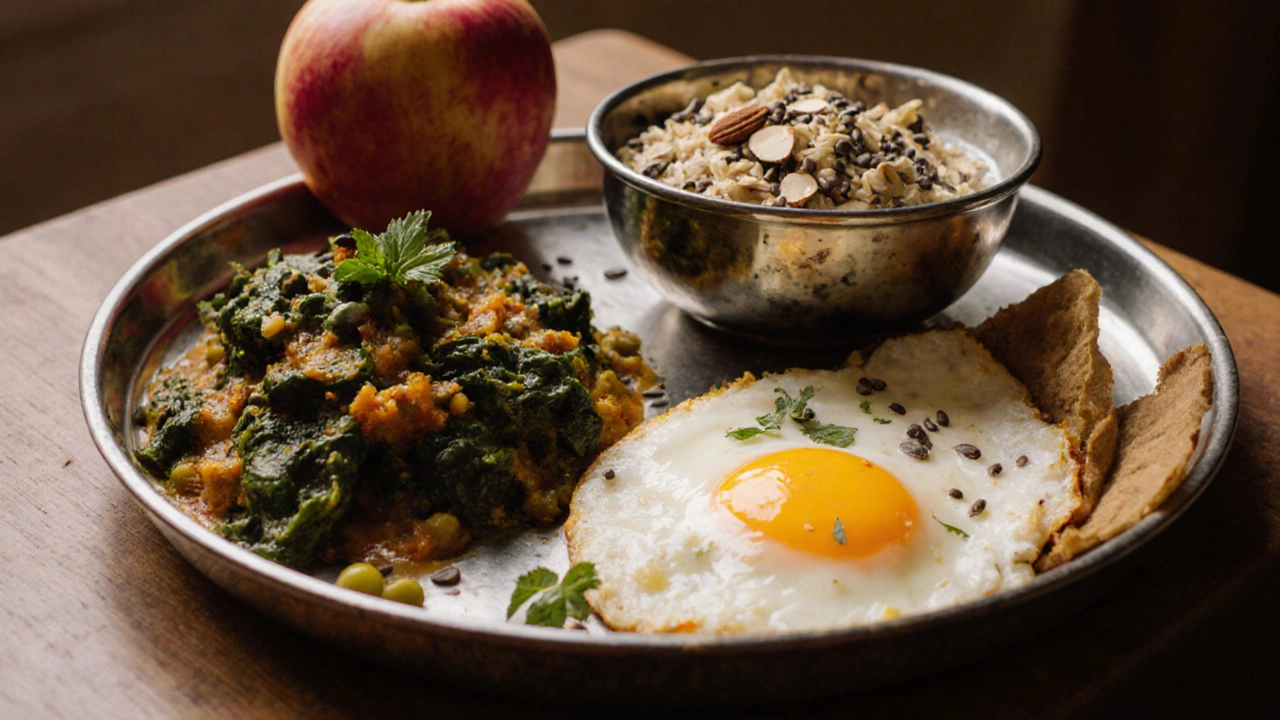
The 30/30/30 rule for weight loss means eating 30g each of protein, fiber, and healthy fats at breakfast. This simple Indian-friendly approach controls hunger, stabilizes blood sugar, and helps you lose weight without dieting.