How to Make Chicken Tender – Tips, Techniques & Tricks
When working with how to make chicken tender, the art of keeping chicken juicy, soft, and easy to chew. Also known as chicken tenderizing, it blends science and kitchen tricks anyone can follow. Most home cooks hit a wall when a breast turns rubbery or a thigh stays stringy, and that frustration often leads to skipping chicken altogether. Understanding why chicken gets tough—protein fibers tightening under high heat, moisture loss, and uneven seasoning—gives you a roadmap to avoid those pitfalls. Whether you’re feeding a busy family, impressing guests, or just craving a comforting stir‑fry, mastering tenderness turns a simple protein into the star of the plate. In Indian kitchens, tender chicken makes a difference in classics like butter chicken or tandoori kebabs, and the same principles work for any cuisine.
Key Techniques for Tender Chicken
One of the core methods is Marination, soaking chicken in a blend of spices, acid, and oil to break down muscle fibers. Also called marinade, a good plan uses a 1‑2% acid level (like lemon juice, vinegar, or yogurt) and at least 30 minutes for bite‑size pieces, up to 12 hours for whole breasts. The acid gently unwinds protein strands while the oil carries flavor deep inside. Common mistakes include marinating for too long, which can turn the meat mushy, or using a weak acid that does little work. Another proven approach is Brining, submerging the meat in a salt‑water solution that hydrates cells and reduces shrinkage during cooking. A basic brine mixes ¼ cup kosher salt per quart of water; add a pinch of sugar for mild sweetness. Let the chicken sit 15‑30 minutes for breasts, longer (1‑2 hours) for thighs. The salt exchange locks water into the cells, so even after a high‑heat sear the meat stays moist. Too much salt can make the chicken overly salty, so rinse briefly if you exceed the recommended time.
Beyond soaking, chemical helpers can shave minutes off the tenderizing clock. Baking soda, a mild alkaline that raises pH and weakens protein bonds works like a tiny accelerator—just ½ teaspoon per pound, dissolved in a little water and tossed with the chicken, will keep the texture silky. The key is not to overdo it, because excess soda leaves a metallic aftertaste and can affect the color of the meat. Yogurt, packed with lactic acid and enzymes that gently tenderize while adding creamy richness doubles as a flavor base for many Indian recipes, especially tandoori style. Mix plain yogurt with garlic, ginger, and a pinch of chili for a quick overnight soak, and you’ll notice a subtle melt‑in‑your‑mouth quality the next day. Both baking soda and yogurt work best when combined with a brief rest period—about 20 minutes for soda and 4‑6 hours for yogurt—so the chemical reactions have time to act.
Cooking style ties all the prep together. Low‑and‑slow methods, such as poaching chicken in gently simmering broth (around 160‑170°F) for 15‑20 minutes, allow the proteins to relax without sudden contraction. Sous‑vide enthusiasts swear by a precise 140‑°F water bath for 1‑2 hours; the result is uniformly tender meat that needs only a quick sear for color. If you prefer a pan‑sear, start with a brief high‑heat blast (around 475°F) for 2‑3 minutes per side to create a caramelized crust, then finish in a lower‑heat oven (325°F) for 8‑10 minutes so the interior cooks through without drying out. Use a meat thermometer—you’ll see the safe internal temperature at 165°F, but pull the chicken a few degrees earlier (about 160°F) and let it rest; carryover heat will bring it to the perfect spot. No matter the method, let the chicken rest for 5‑10 minutes after heat; this pause lets the juices redistribute, preventing a dry slice when you cut. Pairing any of the tenderizing tricks above with proper resting creates a reliable path to consistently soft, flavorful chicken.
Ready to put these ideas into practice? Below you’ll find a curated collection of articles that dig into each technique, share timing hacks, and pair flavor tips with the science of tenderness. Browse the list to discover step‑by‑step guides, common mistakes to avoid, and flavorful recipes that let you taste the difference instantly.
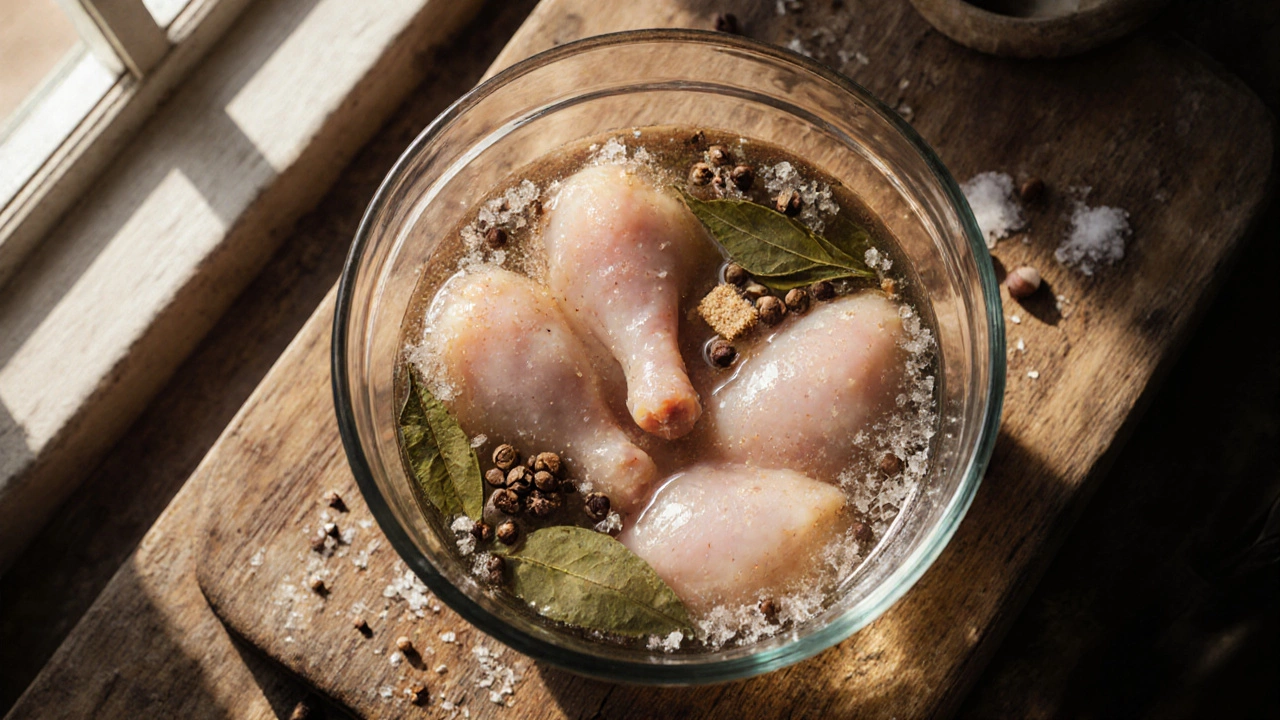
Best Soaks to Make Chicken Tender - Simple Tips for Juicy Results
Discover the best liquids to soak chicken for ultimate tenderness. Learn brining, buttermilk, yogurt, citrus, and enzymatic methods with timing, ratios, and tips.