Protein in Indian Food: Best Sources, Myths, and Real Meals That Work
When you think of protein, a vital nutrient that builds muscle, keeps you full, and supports daily energy. Also known as the building block of the body, it’s not just for bodybuilders or gym-goers—it’s the quiet hero behind every balanced Indian meal. Many believe you need meat or supplements to get enough protein, but that’s not true in India. For generations, people have eaten meals rich in protein without ever buying a protein bar. Think paneer, dal, sprouted lentils, and roasted chana—foods that are affordable, local, and packed with what your body actually needs.
Paneer, a fresh Indian cheese made from curdled milk. Also known as Indian cottage cheese, it’s one of the most concentrated sources of protein in vegetarian diets—nearly 18 grams per 100 grams. Unlike tofu, paneer holds its shape when cooked, making it perfect for curries, grills, or even snacks like paneer tikka. Then there’s dal, lentils cooked into thick, comforting stews. Also known as Indian pulses, they’re not just easy to digest; yellow moong dal, for example, cooks in under 30 minutes without soaking and gives you 7–9 grams of protein per cup. These aren’t fancy ingredients. They’re staples in homes from Punjab to Kerala.
What makes Indian food special isn’t just the spices—it’s how protein is woven into everyday meals without being shouted about. A bowl of dal-rice with a side of yogurt? That’s a complete protein combo. Roasted chana as a snack? That’s 5 grams of protein in a handful. Sprouted moong in a salad? Even more digestible, with added fiber and iron. You don’t need to track macros to get enough protein here—you just need to eat what’s already on the table. And if you’re trying to lose weight or stay full between meals, paneer and dal do more than just fill you up—they keep your blood sugar steady, so you don’t crash by 3 p.m.
Some people think plant-based protein is weak or incomplete, but Indian cuisine has been solving that for centuries. Combining rice with dal, or roti with paneer, gives you all nine essential amino acids. No guesswork. No powders. Just food that’s been tested by time. Even snacks like makhana (fox nuts) and peanut chikki offer quick protein boosts without sugar spikes. And if you’re curious about what athletes like Virat Kohli eat for breakfast, it’s not protein shakes—it’s upma with peanuts, curd, and fruit. Simple. Real. Effective.
Below, you’ll find real recipes, clear comparisons, and practical tips on how to use these foods every day. Whether you’re wondering if paneer is better than tofu for weight loss, which dal doesn’t need soaking, or what snacks actually deliver protein without the junk—you’ll find answers here. No fluff. No trends. Just what works in Indian kitchens, day after day.
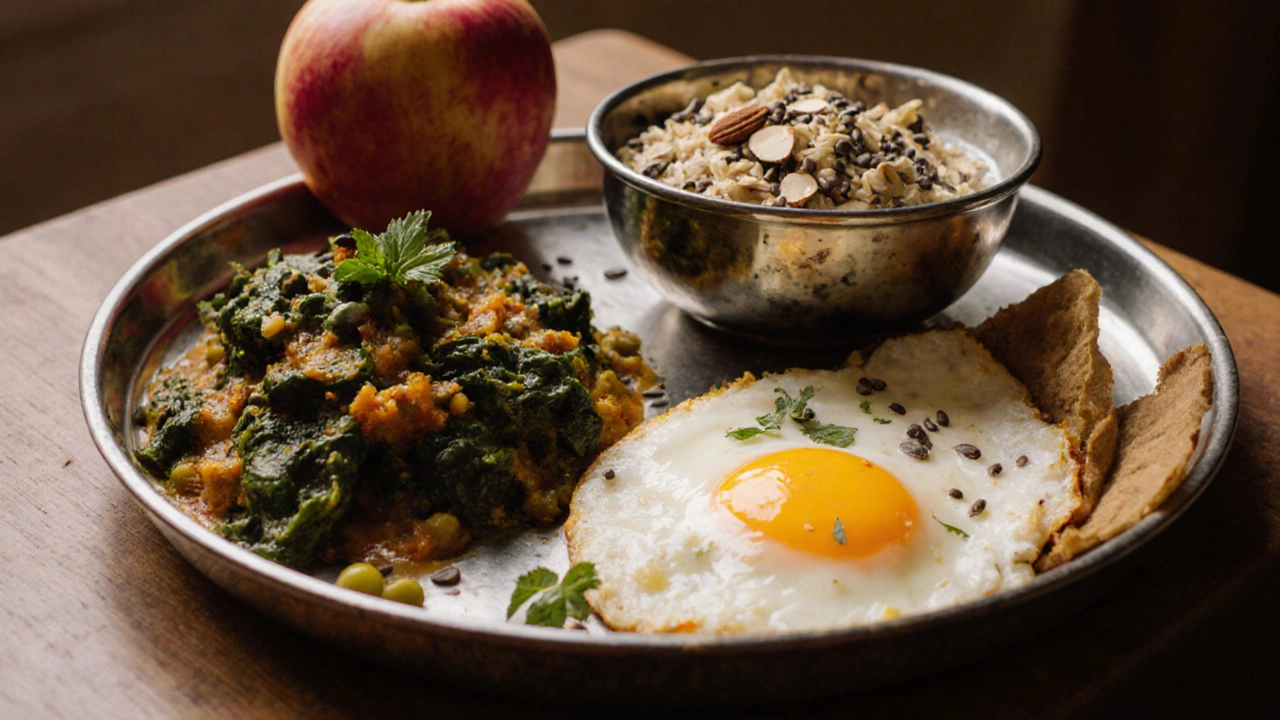
What Is the 30/30/30 Rule for Weight Loss and How to Use It With Indian Snacks
The 30/30/30 rule for weight loss means eating 30g each of protein, fiber, and healthy fats at breakfast. This simple Indian-friendly approach controls hunger, stabilizes blood sugar, and helps you lose weight without dieting.