Shakkar Meaning: What Sugar Means in Indian Cooking
When you hear the word shakkar meaning, shakkar is the Hindi‑Urdu term for sugar, a staple sweetener used across Indian kitchens. Also known as sugar, it provides sweetness, balances spices, and helps preserve foods. Understanding shakkar is the first step toward mastering the flavor basics of Indian meals.
Another key player is sugar, the crystalline sweetener derived from sugarcane or beet, widely used in both sweet and savory dishes. Sugar’s role goes beyond just sweetening; it caramelizes to add depth to curries, thickens gravies, and creates the glossy finish on many mithai, the traditional Indian sweets. The relationship between shakkar and mithai is evident in every festival treat, where the amount of sugar decides the texture—from soft burfis to crunchy barfis.
Many cooks prefer jaggery, an unrefined cane sugar that retains molasses, offering a richer, earthy flavor compared to refined shakkar. Jaggery influences the flavor profile of dishes like chai, dal, and certain sweets, providing a subtle bitterness that balances the heat of chilies. When recipes call for jaggery instead of shakkar, they’re tapping into a centuries‑old tradition that links regional tastes to local sugar‑cane processing methods.
How Shakkar Shapes Everyday Indian Cooking
Shakkar isn’t just for desserts. In savory dishes, a pinch of sugar can tame acidity in tomato‑based curries, smooth out the bitterness of certain vegetables, and even help oil separate from spices during tempering. This balancing act is a common thread across the posts on our site—from the timing of garlic and ginger in curry to the science behind curd in dosa batter. The pattern is clear: sugar, whether refined or in the form of jaggery, is a flavor regulator that makes Indian dishes feel complete.
Health‑conscious readers often wonder about sugar’s impact. While refined shakkar delivers quick energy, jaggery retains trace minerals like iron and potassium, making it a slightly more nutrient‑dense option. Articles on nutrient‑dense superfoods and the healthiest fruit often reference sugar’s role, noting that moderation is key. If you’re watching sugar intake, swapping a portion of shakkar with jaggery or experimenting with low‑glycemic sweeteners can keep your meals tasty without overloading on empty calories.
Regional variations add another layer. In South India, coconut sugar—known locally as “karuppu sakkarai”—offers a dark, caramel‑like flavor perfect for appam and sweet pongal. In the north, powdered sugar (powdered shakkar) is the go‑to for garnishing sweets like gulab jamun. These nuances illustrate how the central concept of shakkar meaning expands into a web of related sweeteners, each with its own culinary purpose.
Beyond the kitchen, shakkar has cultural significance. It appears in wedding rituals, religious offerings, and festive celebrations. The act of offering sugar symbolizes sweetness in life and relationships. This cultural thread ties together posts about Indian vegetarian meals, the most popular Indian dish, and even the legal landscape of meat consumption, showing how sweeteners intersect with broader food traditions.
From a practical standpoint, mastering shakkar means knowing how to store it, how it behaves under heat, and how it interacts with other ingredients. Our guide on homemade chutney shelf life, for example, notes that adding a dash of sugar can extend freshness by controlling microbial growth. Similarly, the article on why lemon curdles milk explains that sugar can stabilize the mixture, preventing unwanted coagulation.
All these connections—sweetener types, health impacts, regional uses, cultural roles—form a comprehensive picture of shakkar meaning in Indian cuisine. Below you’ll find a curated list of articles that dive deeper into each of these aspects, offering practical tips, scientific explanations, and tasty recipes to help you use shakkar confidently in your own kitchen.
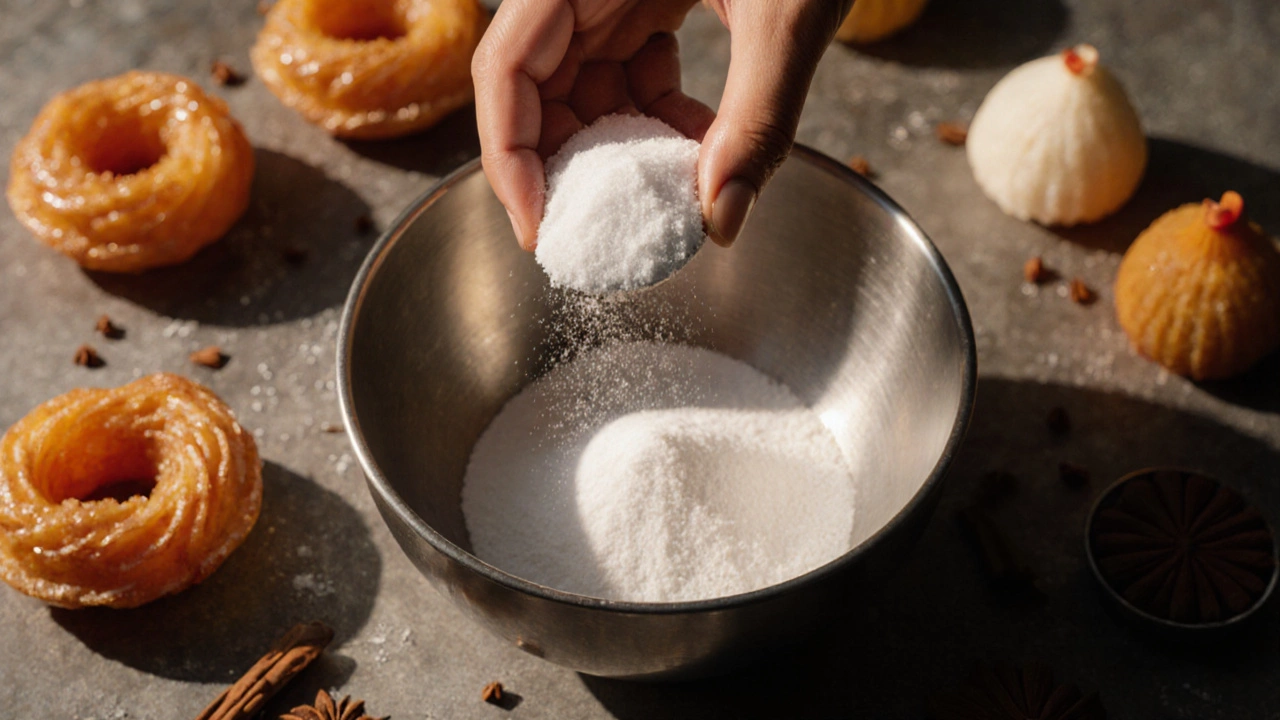
What’s the Indian Word for Sugar? Hindi, Regional Terms & Sweet Recipes
Discover the Indian word for sugar, its regional variations like shakkar and cheeni, and how these terms shape classic sweet recipes.