Staple Food India: Essentials & Variations
When talking about Staple Food in India, the core grains, legumes, and breads that form daily meals across the country. Also known as Indian staples, it reflects geography, culture and economics, shaping everything from a simple breakfast to a festive feast. You'll notice the term staple food India everywhere because it ties together the dishes you love and the ingredients that make them possible.
One of the most ubiquitous staples is Dal, a protein‑rich legume that powers many Indian dishes. Whether you’re simmering a yellow split‑pea dal or a hearty chana masala, the legume supplies the plant‑based protein that veg eaters rely on. Dal isn’t just nutrition; it’s a culinary glue that brings spices, tempering, and seasonal veggies together, making it a must‑know for anyone exploring Indian cooking.
Rice, another pillar, varies from fluffy basmati in the north to short‑grain varieties in the south. Rice, the universal grain that forms the base of dishes like dosa batter, biryani and everyday steamed servings does more than fill the plate. Proper soaking, as many of our articles point out, changes texture, helps fermentation and can even affect digestion. Knowing when to soak rice for dosa batter or how much lemon to add to biryani can turn a good meal into a great one.
Flatbreads such as roti and naan are the handheld sidekicks that accompany curries, dal and vegetable dishes. Roti, a whole‑wheat flatbread that puffs up when cooked correctly, delivering a soft, airy bite may seem simple, but technique matters—correct dough hydration, resting time, and the right heat all decide if it puffs or stays flat. Meanwhile, Biryani, a layered rice dish flavored with spices, meat or vegetables, known for its aromatic profile showcases how rice can be elevated with herbs, acids like lemon, and careful layering. Both roti and biryani illustrate how staple foods adapt to regional tastes while staying rooted in tradition.
Why These Staples Matter
Understanding staples gives you a shortcut to mastering Indian cuisine. They dictate cooking schedules—like the soaking time for rice before making dosa batter—or influence health decisions, such as choosing dal for protein or roti for fiber. Our collection of articles dives deep into each element: from the legal and cultural reasons behind meat restrictions, to the science of adding garlic and ginger at the right moment, to the nutrition facts behind naan and the myth of it being junk food.
Every post below builds on the idea that staple foods are more than ingredients; they’re cultural signposts. You’ll find practical tips for soaking rice, troubleshooting roti that won’t puff, and secrets that make biryani taste restaurant‑level. There are also explorations of how vegetarian meals are structured around these staples, and why certain spices—like the tang of lemon in biryani—play a crucial role.
By the end of this guide, you’ll have a clear mental map of how rice, dal, roti and biryani interlock, what nutrients they bring, and how to tweak them for taste, health and convenience. Armed with that knowledge, the articles that follow become easy-to‑follow roadmaps for everyday cooking and special occasions alike. Let’s jump into the curated list and start turning staple knowledge into delicious results.
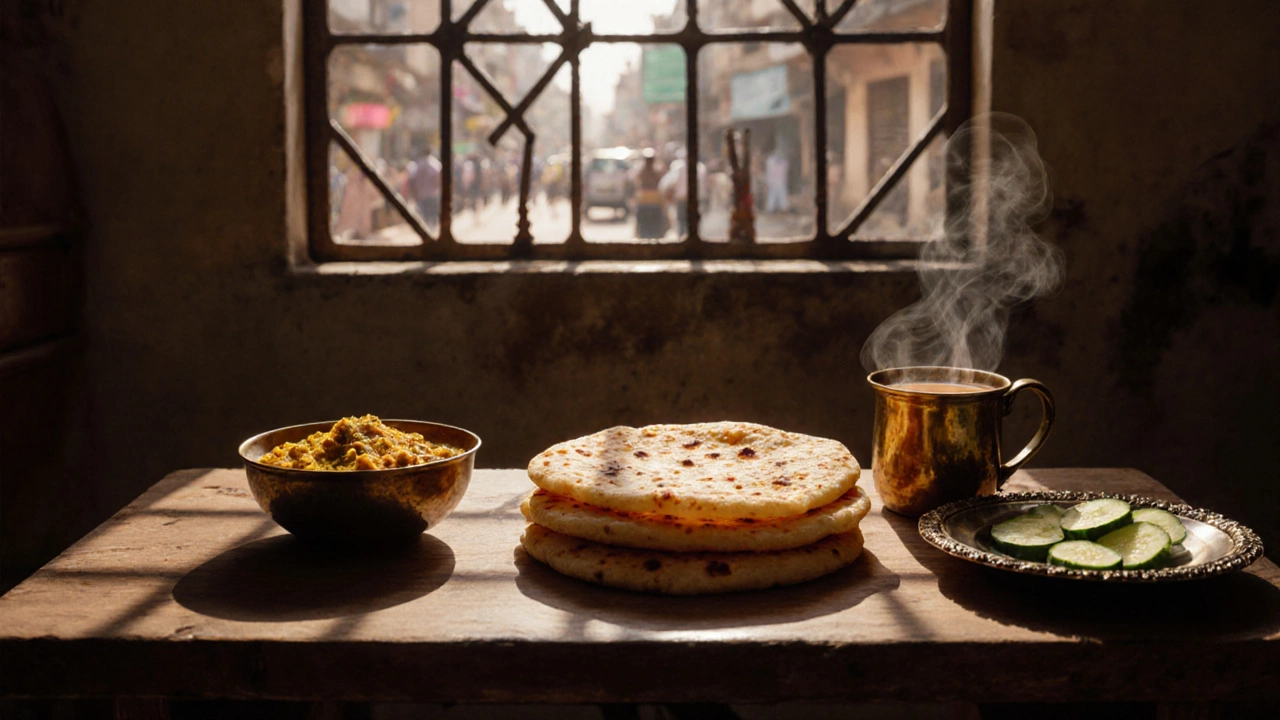
What is the Most Popular Indian Dish? A Deep Dive into India’s Favorite Everyday Meal
Discover the dish Indians eat most daily, backed by 2024-25 data. Learn why roti tops the list, its health benefits, regional variations, and quick prep tips.