Top Indian Sweets People Actually Love: A Guide to Favorites
 Aug, 21 2026
Indian Sweet Finder
Tell us what you're in the mood for and we'll find your best-matching sweets.
Your Top Matches
Walk into any Indian home during a festival or just a random Tuesday evening, and you will likely find a plate of Indian sweets is a category of traditional desserts characterized by the use of milk solids, ghee, sugar, nuts, and spices like cardamom. But which ones do people actually eat? It isn't just about what looks pretty on Instagram. Real preferences vary wildly based on region, climate, and personal taste. Some love the intense richness of fudge-like textures, while others prefer light, airy confections that melt in your mouth.
The answer to "what sweets do Indian people like?" isn't a single item. It’s a complex map of cultural habits. In North India, dairy-heavy treats dominate. In the South, rice flour and coconut are king. In the West, fresh fruit-based sweets are common. Understanding these nuances helps you pick the right treat for the right occasion, whether you are hosting guests, buying gifts, or just satisfying your own cravings.
The Undisputed Heavyweights: National Favorites
If you ask a random crowd across India what their favorite sweet is, three names usually top the list. These are the safe bets that almost everyone enjoys.
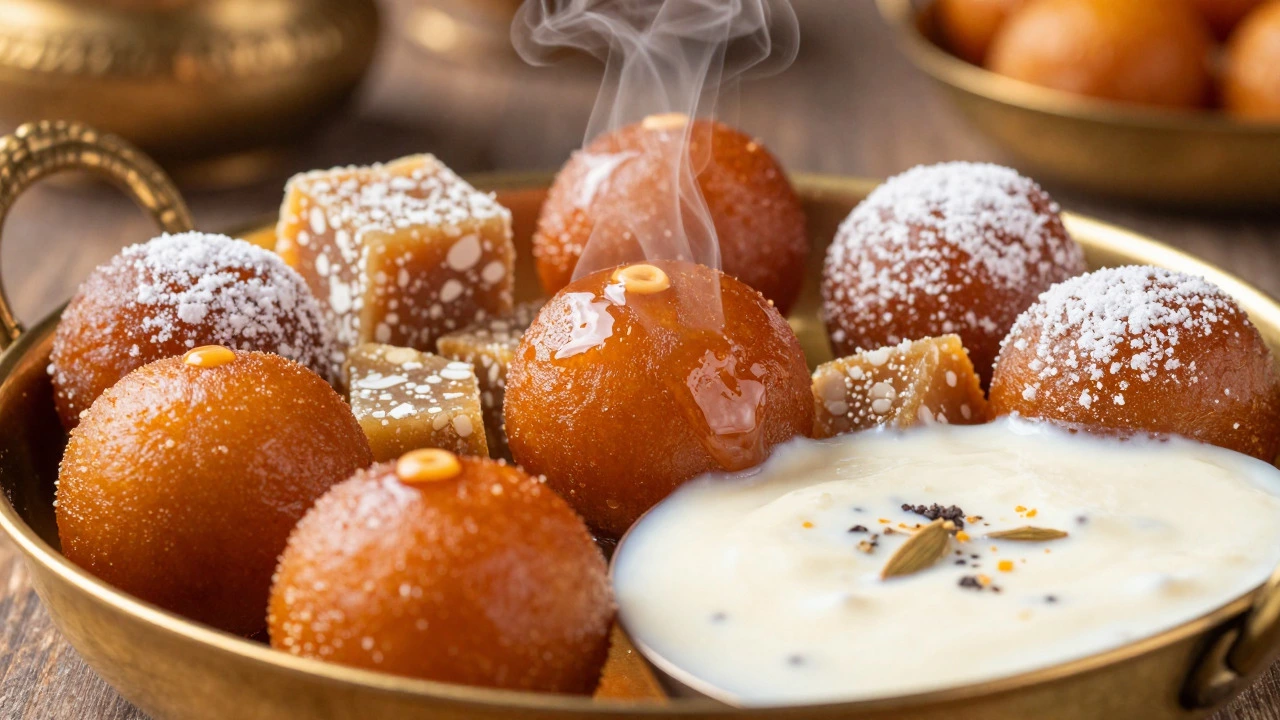
- Gulab Jamun: Deep-fried dumplings made from milk solids (khoya) soaked in rose-scented syrup. They are soft, warm, and universally loved. The key attribute here is texture-chewy but not tough.
- Kheer: Essentially rice pudding cooked with milk, sugar, and cardamom. It is served chilled in summer and warm in winter. Its popularity comes from its simplicity and comforting nature.
- Ladoo: This is a broad category rather than a single recipe. Besan Ladoo (gram flour), Motichur Ladoo (tiny fried balls), and Kalakand Ladoo all fall under this umbrella. They are easy to carry, store well, and serve as the default gift item.
These three cover most bases. Gulab Jamun wins on flavor intensity, Kheer wins on comfort, and Ladoo wins on convenience. If you only buy one type of sweet for a generic gathering, choose Besan Ladoo. It has the widest appeal because it is less cloying than many other options.
Regional Tastes: Where Geography Shapes the Menu
India is vast, and local ingredients dictate local preferences. What is considered a delicacy in Punjab might be an unknown snack in Kerala.
| Region | Signature Sweet | Key Ingredients | Texture Profile |
|---|---|---|---|
| North India | Rasgulla | Cottage Cheese (Chenna), Sugar Syrup | Spongy, spongy, absorbs syrup |
| West India (Maharashtra/Gujarat) | Modak | Steamed Rice Flour, Coconut, Jaggery | Soft, steamed, slightly chewy |
| South India | Nellikottai Payasam | Milk, Coconut, Lime, Sugar | Smooth, creamy, tangy-sweet |
| East India | Roshogolla | Chenna, Sugar Syrup | Dense, firm, syrup-soaked |
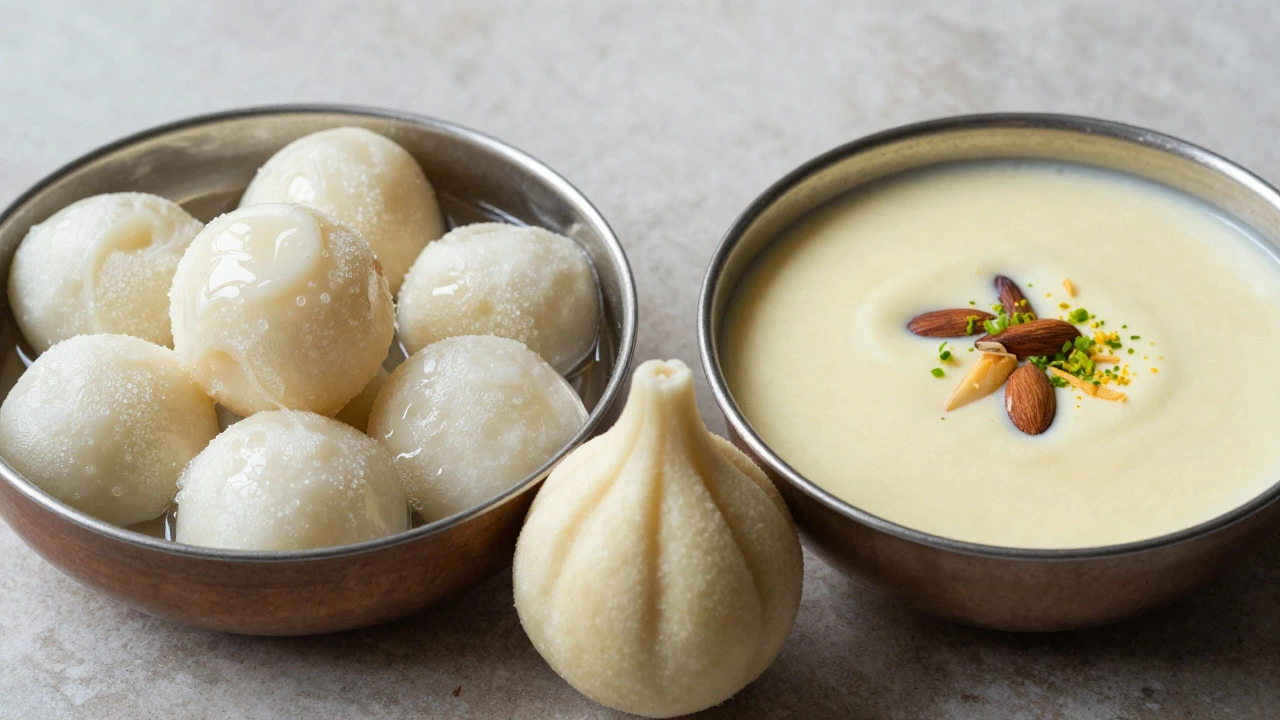
In Maharashtra, Modak is a steamed dumpling filled with coconut and jaggery, traditionally associated with Lord Ganesha festivals. You will see them everywhere during Ganesh Chaturthi. They are lighter than fried sweets because they are steamed, making them a healthier alternative for those watching their oil intake. In contrast, Bengali cuisine favors Roshogolla, which is similar to Rasgulla but often firmer and less spongy due to different chenna preparation techniques.
South Indians tend to prefer payasams (payashams). These are dessert porridges made with vermicelli, rice, or lentils. Unlike the dense, solid sweets of the North, payasams are liquid-based and served in bowls. This suits the hot, humid climate better. A simple Elachi Payasam (cardamom vermicelli) is a staple after dinner in many households.
Festival Favorites vs. Everyday Snacks
There is a distinct difference between what people eat daily and what they reserve for special occasions. Knowing this distinction prevents you from overbuying heavy sweets for casual visits.
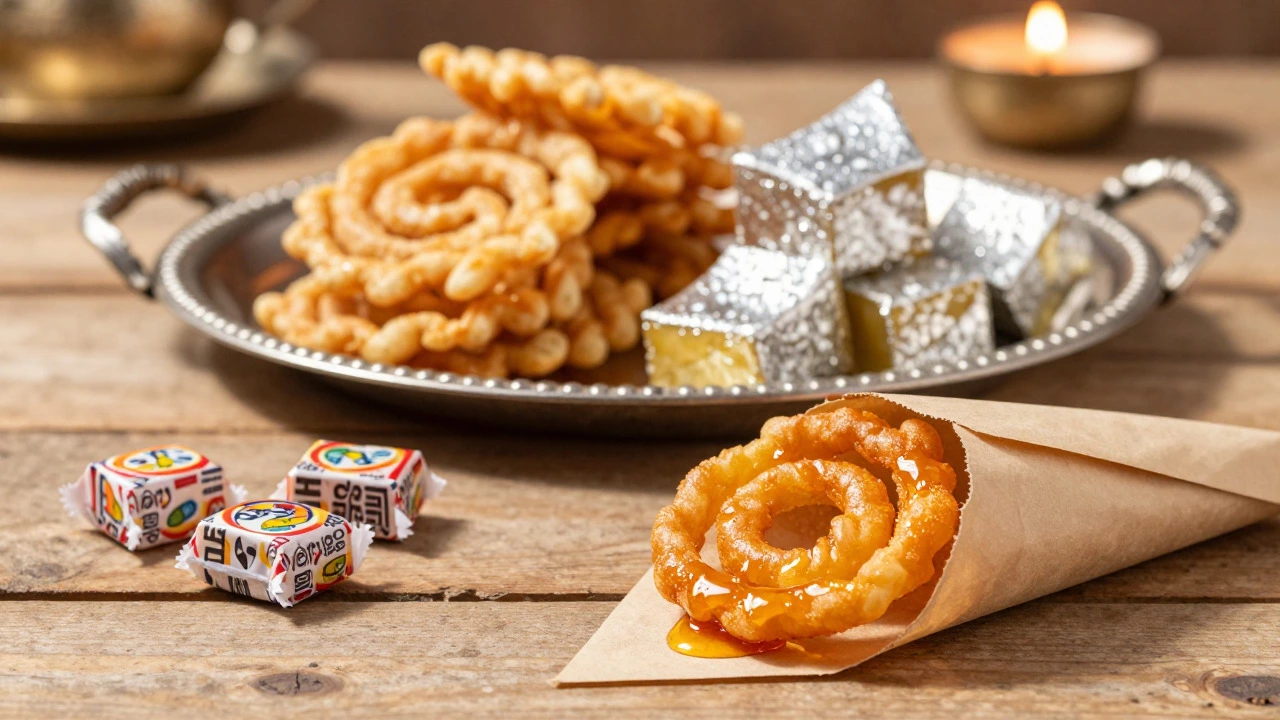
Everyday Sweets: - Peda: Small, round, milk-solid candies. They are hard at first but soften in the mouth. Great for tea time. - Jalebi: Fried spiral dough soaked in saffron syrup. Best eaten immediately while hot. It is a street food favorite, not typically stored at home. - Barfi: A general term for fudge-like sweets. Kaju Barfi (cashew) is premium; Matka Puri Barfi (coconut) is more affordable. Both are daily staples in many regions.
Festival Sweets: - Soan Papdi: Flaky, layered sweets made from maida (refined flour) and ghee. They are extremely rich and fragile. You rarely see them outside of Diwali or weddings. - Shankarpali: Thin, crispy wafers made from wheat flour and ghee. They are crunchy and dry, making them perfect for long shelf life during festive seasons. - Motichur Ladoo: While Ladoo is everyday, Motichur specifically is often reserved for celebrations because it requires more labor to make the tiny fried balls.
If you are visiting someone's house for a quick chai break, bring Peda or Barfi. If you are attending a wedding or major festival, Soan Papdi or elaborate Ladoos are more appropriate. Serving Jalebi cold is a mistake; it becomes soggy and loses its crispness within minutes.
Taste Preferences: Sweet, Rich, or Light?
Not everyone likes the same level of sweetness. Indian sweets range from mildly sweet to intensely sugary. Your preference should guide your choice.
For those who dislike high sugar content: Look for Kheer or Payasam. You can control the sugar amount when making these at home. Also, try Coconut Ladoo (Nariyal Ladoo). Made from grated coconut and jaggery, it has a natural sweetness that feels less artificial than refined sugar.
For those who love rich, buttery flavors: Go for Soan Papdi, Shankarpali, or Kaju Katli. These are loaded with ghee and nuts. Kaju Katli is essentially a diamond-shaped cashew fudge coated with edible silver leaf. It is elegant, expensive, and incredibly rich. One piece is enough to satisfy a craving for hours.
For those who prefer fruity or floral notes: Try Gulab Jamun (rose water) or Saffron Rabri. Rabri is a thickened milk dessert flavored with saffron. It is often served alongside ice cream or phirni. The floral note from rose or saffron cuts through the heaviness of the milk solids.
How to Choose the Right Sweet for Your Needs
Buying or making Indian sweets can be overwhelming if you don't know what fits the situation. Here is a quick decision guide.
- For Gifting: Choose packaged Ladoo or Barfi. They last longer and look presentable. Avoid Jalebi or fresh Modak unless you deliver them within two hours.
- For Self-Indulgence: Make fresh Jalebi or order hot Gulab Jamun. The experience is best when the temperature is right.
- For Health-Conscious Eaters: Opt for steamed Modak or homemade Kheer with reduced sugar. Avoid deep-fried options like Jalebi or Soan Papdi if you are monitoring cholesterol.
- For Kids: Kaju Katli and Gulab Jamun are usually the hits. They have smooth textures that children prefer over crumbly or grainy sweets.
Storage also matters. Milk-based sweets like Peda and Barfi need refrigeration after opening. Syrup-based sweets like Gulab Jamun can stay in the fridge for up to a week, but they must be kept submerged in syrup to prevent drying out. Dry sweets like Shankarpali and Soan Papdi can sit on the counter in an airtight container for weeks.
Common Mistakes to Avoid
Even experienced cooks or buyers make errors that ruin the experience. Watch out for these pitfalls.
- Serving Cold Gulab Jamun: While some people like it cold, the traditional way is warm. Cold jamuns feel dense and sticky. Warm them gently in a microwave or steamer before serving.
- Overlooking Allergies: Most Indian sweets contain milk, nuts, or both. Always check labels if buying commercial products. Cashew allergies are common, so avoid Kaju Katli for nut-allergic guests.
- Mixing Textures: Don't serve crunchy Shankarpali next to soft Gulab Jamun without separating them. The moisture from the jamun can make the papdi soggy if they touch.
- Ignoring Seasonality: Heavy, ghee-laden sweets are harder to digest in peak summer. Stick to light, chilled desserts like Kheer or Phirni in July and August. Save the rich Barfis for winter months.
Understanding these nuances turns you from a passive eater into an informed host. You’ll know exactly what to pick up from the market or what to whip up in the kitchen. Whether you prefer the spongy bite of a Rasgulla or the creamy finish of a Payasam, there is a place for every taste in Indian sweet culture.
What is the most popular Indian sweet overall?
Gulab Jamun and Besan Ladoo are consistently ranked as the most popular. Gulab Jamun wins for its unique texture and flavor, while Besan Ladoo wins for versatility and ease of consumption. Both are found in nearly every Indian household.
Which Indian sweets are healthy?
Steamed sweets like Modak and milk-based puddings like Kheer are generally healthier than deep-fried options. They contain less oil and can be made with controlled sugar levels. Coconut Ladoo made with jaggery is another good option as jaggery retains more nutrients than refined sugar.
Can I store Indian sweets at room temperature?
It depends on the type. Dry sweets like Shankarpali, Soan Papdi, and certain Barfis can be stored at room temperature in airtight containers for several weeks. Moist sweets like Gulab Jamun, Peda, and fresh Ladoos should be refrigerated to prevent spoilage, especially in hot climates.
What is the difference between Rasgulla and Roshogolla?
They are very similar, both made from chenna (cottage cheese) and sugar syrup. However, Roshogolla is a Bengali variant that is often denser and firmer. Rasgulla, popular in Odisha and West Bengal, tends to be spongier and lighter, absorbing more syrup. The difference lies in the kneading technique and cooking time.
Are Indian sweets vegetarian?
Yes, the vast majority of traditional Indian sweets are pure vegetarian. They are made from milk, sugar, nuts, and spices. Gelatin is rarely used. However, always check for cross-contamination if you have strict dietary restrictions, as some commercial brands may process products in shared facilities.