Baking Soda vs Yeast for Dosa Batter: Which One Actually Works?
 Apr, 24 2026
Dosa Leavening Decision Tool
Not sure which method to use? Answer these three questions to find the perfect leavening approach for your current situation.
Recommended Method
Select your options above to see the recommendation.
The Gold Standard: Natural Fermentation
Before we talk about additives, we need to understand what a dosa batter recipe is actually trying to achieve. Traditionally, dosa batter relies on wild fermentation. This is when the natural bacteria and wild yeast already present on the grains of Rice and Urad Dal start eating the starches and releasing carbon dioxide. This process takes anywhere from 8 to 12 hours depending on the temperature.
In a city like Bangalore, where the weather is often mild, fermentation can be slow. But this slow dance is what creates the signature tangy taste. Natural fermentation breaks down the complex sugars, making the dosa easier to digest and giving it that slight sourness that pairs so well with coconut chutney. If you use a shortcut, you're essentially bypassing this chemical transformation.
Using Baking Soda: The Quick Fix
If you're in a rush or your batter refused to rise because it was too cold in your kitchen, Baking Soda (sodium bicarbonate) is the most common rescue tool. It's a chemical leavener, meaning it reacts instantly when it hits an acid or heat. It doesn't need hours to "wake up"; it just starts producing bubbles immediately.
However, there's a catch. Baking soda provides lift, but it doesn't provide flavor. If you add too much, your dosa will taste soapy or metallic. It also tends to make the dosa softer and more cake-like rather than the crisp, lacey texture of a traditional Masala Dosa. Use it only as a last resort-maybe a pinch per 2 cups of batter-to give a dead batter some life.
Using Yeast: The Bakery Approach
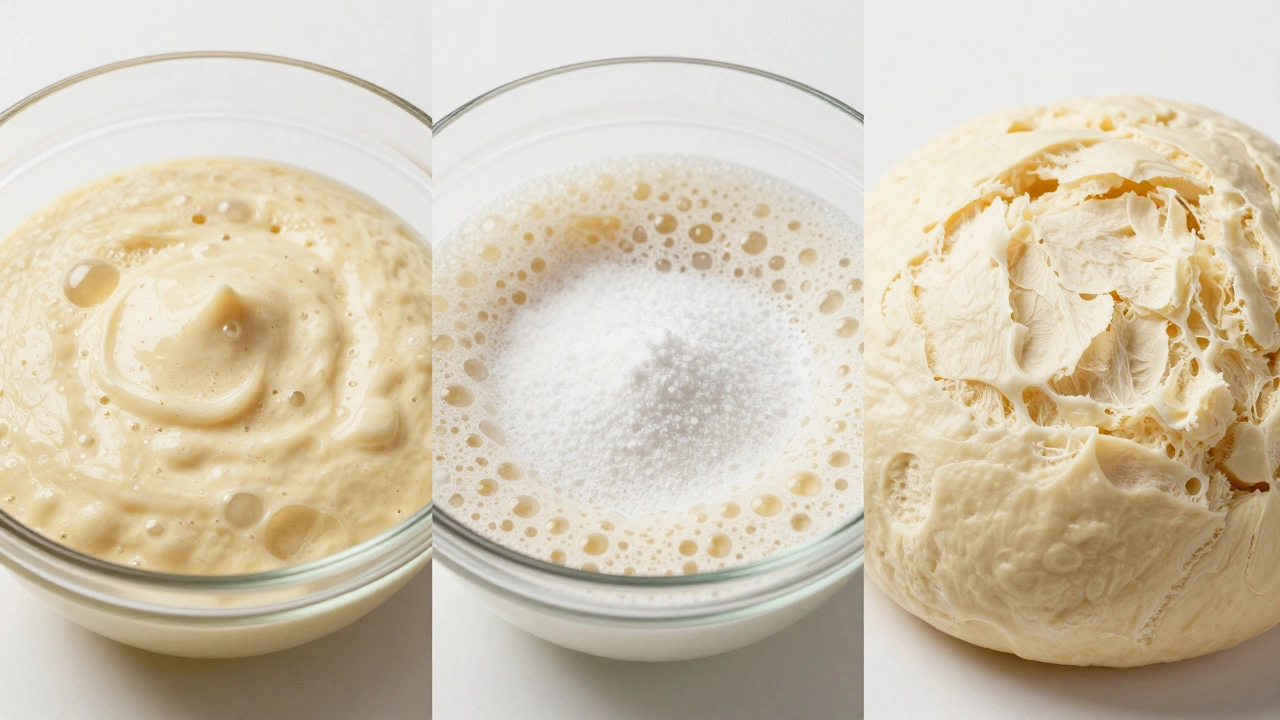
Yeast is a living fungus, usually sold as active dry or instant granules. Unlike baking soda, yeast actually performs a biological process similar to natural fermentation, but at a hyper-accelerated pace. If you add a teaspoon of yeast to your batter, it will puff up significantly faster than wild fermentation would.
The problem? Yeast is designed for bread. It produces a very specific "yeasty" or "bready" aroma that can clash with the earthy taste of urad dal. While your dosa will be fluffy and full of holes, it will lose that authentic South Indian tang. It's a great trick for people living in extremely cold climates where natural bacteria simply won't activate, but for most, it's a compromise on taste.
| Feature | Natural Fermentation | Baking Soda | Commercial Yeast |
|---|---|---|---|
| Time Required | 8-15 Hours | Instant | 1-3 Hours |
| Flavor Profile | Tangy & Complex | Neutral/Soapy | Bready/Yeasty |
| Texture | Crispy & Lacy | Soft & Spongy | Very Airy/Puffy |
| Digestibility | High (Pre-digested) | Standard | Moderate |
When to Use Which? A Decision Guide
Choosing between these depends on your priority. Are you chasing a deadline, or are you chasing a flavor profile? Let's look at a few real-world scenarios.
- The Traditionalist: If you have the time and the temperature is above 20°C, stick to natural fermentation. It's the only way to get the probiotic benefits and the correct taste.
- The Emergency Morning: You forgot to soak your rice and dal last night, but you have guests coming for breakfast. A pinch of baking soda added right before cooking will give you the lift you need to avoid flat pancakes.
- The Cold Climate Cook: If you're living in a place where your kitchen is like a refrigerator, natural fermentation might take three days. In this case, a tiny amount of yeast can act as a "starter" to get the process moving without waiting forever.
Common Pitfalls and Pro Tips
Regardless of what you use, there are a few traps that can ruin your batter. First, avoid adding baking soda to a batter that is already perfectly fermented. Adding a chemical leavener to a naturally active batter can cause it to over-expand and then collapse, leaving you with a gummy mess on the pan.
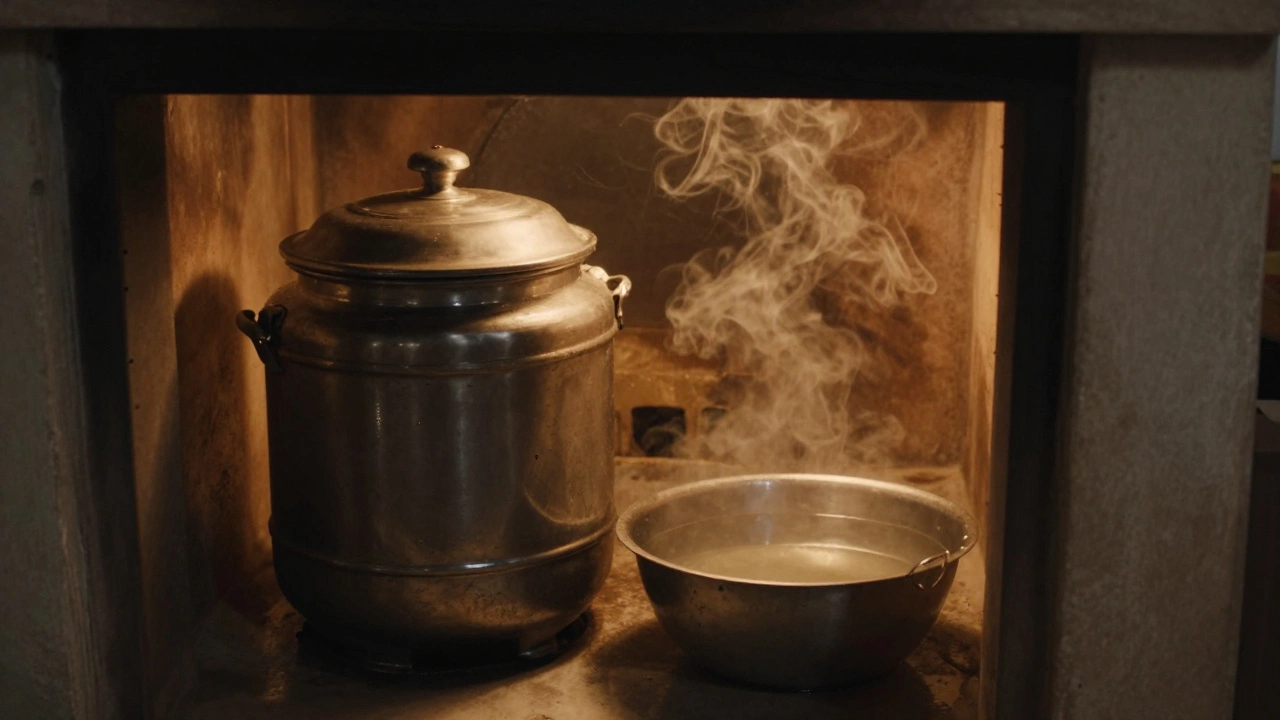
Another tip is the "warmth trick." Instead of reaching for yeast, try placing your fermentation vessel inside an oven (turned off) with a bowl of hot water next to it. This creates a micro-climate that mimics a warm Indian summer, speeding up the natural process without altering the taste. If you do use yeast, always dissolve it in a little warm water with a pinch of sugar first to make sure it's actually alive before dumping it into your batter.
Also, keep an eye on the salt. Salt isn't just for flavor; it regulates the fermentation process. If you add salt too early in a yeast-based batter, it can slow down the rise. In natural fermentation, salt is typically added after the batter has puffed up to keep the wild yeast from going overboard.
Will baking soda make my dosa unhealthy?
Not in small quantities. However, you lose the probiotic benefits that come with the natural fermentation of rice and urad dal. Natural fermentation breaks down phytic acid, making the minerals in the grain easier for your body to absorb. Baking soda just adds air; it doesn't provide any nutritional transformation.
Can I use both yeast and baking soda together?
You can, but it's usually unnecessary. Yeast provides a slow, biological rise, while baking soda provides a fast, chemical burst. Using both often results in a texture that is too spongy and a flavor that is completely detached from a traditional dosa. Pick one based on your time constraints.
Why does my dosa taste like soap when I use baking soda?
This happens because baking soda is alkaline. If there isn't enough acid in the batter (like lactic acid from fermentation) to neutralize the soda, the leftover sodium bicarbonate leaves a bitter, soapy aftertaste. The solution is to use a very small amount or add a drop of lemon juice to balance the pH.
How do I know if my natural fermentation worked?
Look for three signs: the volume should increase by about 50-100%, you should see tiny bubbles (like a sponge) throughout the batter, and there should be a mild, pleasant sour aroma when you open the lid. If it smells putrid or looks grey, discard it.
Is instant yeast better than active dry yeast for dosa?
Instant yeast is more convenient because it can be mixed directly into the batter without needing to be "proofed" in water first. For the purposes of a dosa batter, the difference in the final result is negligible; both will give you that bready, fluffy texture.
Next Steps for Better Dosas
If you've struggled with your batter, try adjusting your grain ratio. A 3:1 ratio of rice to urad dal is standard, but adding a tablespoon of fenugreek (methi) seeds during soaking can improve both the fermentation speed and the golden color of the finished dosa.
For those who want the best of both worlds-speed and taste-consider starting a "starter" culture. Keep a small amount of fermented batter in your fridge and mix it into your fresh batch. This introduces the active bacteria immediately, cutting your fermentation time in half without needing to rely on commercial yeast or chemicals.